
Yao folk religion
In its own language: 梅山教
The ethnic religion of the Yao, blended with Taoism since the 13th century
Yao folk religion is the ethnic religion of the Yao people of Guangxi, Hunan and nearby parts of China, closely blended with Taoism since the 13th century and often called Yao Taoism. Its pantheon is headed by the Taoist Three Pure Ones, and every adult male is initiated into the clergy, which makes the faith communal.
- Every adult Yao man is initiated into the Taoist clergy to some degree
- Four grades of initiation include "hanging the lamps" and "ordination of the master"
- The Three Pure Ones head the pantheon, with Yao gods ranked below
- Priests are believed to guide the dead back to the Caves of Meishan in Hunan
- French anthropologist Jacques Lemoine studied Yao ritual texts
What it is
Yao folk religion is the ethnic religion of the Yao, a non-Sinitic people living in Guangxi, Hunan and neighbouring provinces of China. Since the 13th century it has been closely mixed with Taoism, and for that reason it is often called Yao Taoism. Its core theology and cosmology are Taoist. The Three Pure Ones of canonical Taoism are the principal deities; beneath them sit lesser gods taken from the Yao's own religion before that blending. Every adult male is initiated into the Taoist clergy to some degree, so the faith is communal: a whole society of practitioners rather than a separate order of priests.
Where it comes from
The Yao absorbed Taoist theology and liturgy over a long period, with the mixing noted from the 13th century onward. A Chinese scholar writing in the middle of the 20th century described the result as thorough Taoisation (道教化). Research reported in the 1980s found that the Yao identified closely with Taoist literature written in Chinese, which they treated as a mark of cultural standing (文化). Yao identity also rests on descent from Panhu, a mythical ancestor. As communities moved south into Guangxi, Guangdong and Southeast Asia, they kept the Meishan region of modern Hunan as a sacred homeland.
How it is done
Death sets off a sequence of rites. Priests first perform zoux caeqv, delivering the body from sin, then zoux sin, a water ritual that purifies the dead body from evil spirits. A third ceremony, doh dangh caeqv jaiv, cleanses the soul, and the closing rite, zoux sin-seix, is meant to give the spirit a peaceful afterlife. Entry into the clergy runs through four stages: kwa-tang, "hanging the lamps"; tou-sai, "ordination of the master", after which the new officiant receives a sigil and a certificate to perform rites; then chia-tse, "adding duties"; and pwang-ko, "enfeoffing liturgies".
Tools and materials
Each household keeps an altar, the mienv baaih, placed where it can be seen from the main door, to welcome spirits (mienv). On it stand the mienv kuv, tablets carrying the names of the family's ancestors; some households use pictures of the ancestors instead. A book of ceremonies, the Sai nzung sou, is used for inviting the mienv zoux ziouv, the good spirits who guard the location. Ordained masters are given a sigil and a certificate. Ritual also involves spirit money and sacrifice.
Yao folk religion, drawn and placed
- Living
- Revived
- Fading
- Historical
- Legendary
- Performed
- Lineage
- Taoism, blended with the Yao's earlier ethnic religion
- Timing
- at initiation and at death
What it is for
The rites serve the living and the dead. Good spirits are invited to watch over a household and its site, while angry spirits, the mienv morh, are held responsible for sickness and tragedy. The funeral sequence is aimed at releasing body and soul from sin and from evil influence, and at settling the spirit in a peaceful afterlife. Yao ritual texts describe the dead as needing to travel back to the Caves of Meishan to find rest, and the hunter god Zhang Wulang is honoured on altars because he is believed to guard and lead those souls home.
Who does it
All adult men are initiated into the clergy at some level, so religious office is widespread rather than confined to a professional class. The tsow say ong are high priests: they conduct rites for the greater gods, described as "above the sky", and they officiate at funerals. A second class, the sip mien, are lesser priests or shamans who handle ritual for the lesser gods, "under the sky". Standing comes through the graded initiations, from hanging the lamps and ordination of the master to the further stages of adding duties and enfeoffing liturgies.
Peoples and places
The Yao are the community concerned. They live mainly in Guangxi, Hunan and surrounding provinces of China, and communities also settled in Southeast Asia. They speak Mienic languages, which are not Sinitic, yet their liturgical tradition is in Chinese, and high literacy is noted among them. Yao religion has been called conservative in style, resembling the communitarian Taoism of the earliest Taoist movements and the collective fasts of medieval China. In the 1960s and 1970s, Southeast Asian Yao communities held off Christian missionary activity, and their sense of being a Taoist church and their literacy are seen as reasons.
At a glance: who, where and when
Peoples
Belief worlds

What people believe
Yao cosmology is Taoist at the top: the Three Pure Ones rule, and the gods of the Yao's pre-Taoist religion rank below them. Around the household are mienv, spirits. Some, the mienv zoux ziouv, protect a place; others, the mienv morh, are angry and bring sickness and tragedy. Death begins a journey. The soul is held to travel back to the Caves of Meishan, in the ancestral Meishan region of modern Hunan, and Zhang Wulang, a regional hunter god, has a place on Yao altars because he is believed to guide souls on that road. Descent from the mythical ancestor Panhu also shapes Yao identity.
When it is done
Two life events carry the religious calendar described here: a man's graded initiation into the clergy, and death, which sets off a sequence of funeral rites ending in a closing ceremony for a peaceful afterlife. Priests also perform rites for the higher gods, and each household keeps an altar for the spirits.
How scholars and sceptics see it
Researchers have read Yao religion through its relationship with Taoism. A Chinese scholar of the mid-20th century called it an example of deep Taoisation. Work in the 1980s found that the Yao identified strongly with Taoist literature in Chinese, treating it as a prestigious cultural marker. The French anthropologist Jacques Lemoine studied Yao ritual texts, which record the belief that souls return to the Caves of Meishan. Yao practice has also been compared with the communitarian Taoism of the earliest Taoist movements and with medieval Chinese collective fasts.
Compare and confuse
Yao folk religion is often called Yao Taoism, and its Meishan strand gives it the name Meishan Sect (梅山教). It differs from Chinese Taoism in structure: Chinese Taoism is an order of priests set apart from ordinary Chinese folk religion, while among the Yao every adult male is initiated and the faith belongs to the whole community. Related traditions named alongside it include Chinese folk religion, Chinese ritual mastery traditions, and the folk religions of the Lao and Miao.
Questions people ask about Yao folk religion
What is Yao folk religion?
It is the ethnic religion of the Yao people of southern China. Since the 13th century it has been closely mixed with Taoism, so it is also called Yao Taoism. Its principal gods are Taoist, with Yao gods ranked beneath them.
Where does it come from?
From the Yao, a non-Sinitic people of Guangxi, Hunan and nearby provinces. Taoist theology and Chinese-language liturgy were absorbed over centuries, a process one Chinese scholar called Taoisation. The Meishan region of Hunan is held as the ancestral homeland.
Who performs the rituals?
All adult men are initiated into the clergy at one of four levels. High priests, the tsow say ong, serve the greater gods and conduct funerals. Lesser priests or shamans, the sip mien, handle rites for the lesser gods.
What happens at a Yao funeral?
Priests are said to deliver the body from sin, purify it with a water ritual, cleanse the soul of evil influence, and close with a rite meant to give the spirit a peaceful afterlife, guided back to the Caves of Meishan.
Why did Southeast Asian Yao communities resist missionaries?
Their strong sense of Yao society as a Taoist church, together with high literacy, is seen as the reason they held off Christian missionary activity in their communities during the 1960s and 1970s.
Good reading and sources
The facts on this page come from the Wikipedia article "Yao folk religion", written by its contributors and used under the CC BY-SA 4.0 licence, and from its Wikidata record (CC0). EveryJaadu rewrote the text in its own words, with AI assistance, and compares every page with the article to make sure no passage is copied. It may be reused under the same CC BY-SA 4.0 licence with a link back.
It may contain mistakes. Names and customs differ from one community to the next, and some knowledge is closed to outsiders and left out here. This page describes belief and practice. It does not say that any of it works, it is not a how-to, and it is not medical advice. If something is wrong, tell us. Last refreshed 2026-10-17.
More from China
All the entries from China 🇨🇳 China and 5 moreGhost FestivalZhongyuan Festival; Yulanpen Festival
A festival to feed wandering spirits and guide them home during the seventh lunar month.Tradition · Speaking with spirits and the dead · Protection Living
🇨🇳 China and 5 moreGhost FestivalZhongyuan Festival; Yulanpen Festival
A festival to feed wandering spirits and guide them home during the seventh lunar month.Tradition · Speaking with spirits and the dead · Protection Living
 🇨🇳 China and 5 moreJoss paper金紙
Paper burned as money and goods for ancestors, gods and the deadCharm · Speaking with spirits and the dead · Luck and prosperity Living
🇨🇳 China and 5 moreJoss paper金紙
Paper burned as money and goods for ancestors, gods and the deadCharm · Speaking with spirits and the dead · Luck and prosperity Living
 🇨🇳 ChinaChinese alchemy煉丹術
A Taoist pursuit of longevity through elixirs and internal cultivationTradition · Healing · Speaking with spirits and the dead Historical
🇨🇳 ChinaChinese alchemy煉丹術
A Taoist pursuit of longevity through elixirs and internal cultivationTradition · Healing · Speaking with spirits and the dead Historical
 🇨🇳 China and 1 moreAncestor veneration in China中國傳統宗法性宗教
Rites for dead kin who are thought to watch over the familyTradition · Protection · Speaking with spirits and the dead Living
🇨🇳 China and 1 moreAncestor veneration in China中國傳統宗法性宗教
Rites for dead kin who are thought to watch over the familyTradition · Protection · Speaking with spirits and the dead Living
Related elsewhere
All tradition 🇸🇪 Sweden and 5 moreMidsummerJāņi; Joninės; Jaanipäev; Enyovden; Litha; Juhannus
A summer solstice festival marked by bonfires, maypole dancing, and feasting across Europe.Tradition · Protection · Luck and prosperity Living
🇸🇪 Sweden and 5 moreMidsummerJāņi; Joninės; Jaanipäev; Enyovden; Litha; Juhannus
A summer solstice festival marked by bonfires, maypole dancing, and feasting across Europe.Tradition · Protection · Luck and prosperity Living
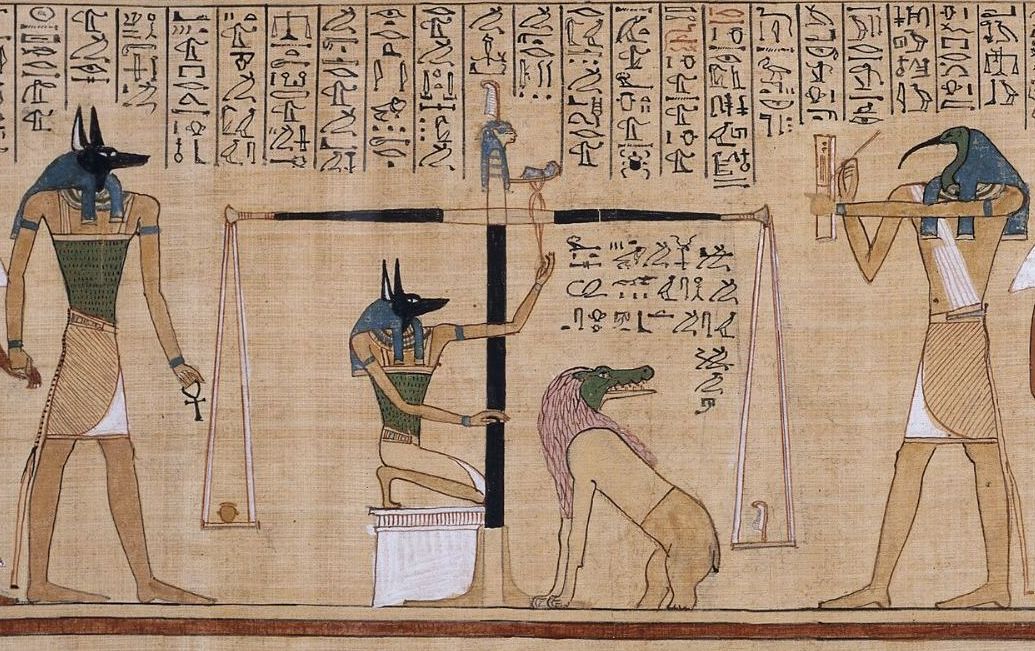 🇪🇬 EgyptAncient Egyptian afterlife beliefs
A system of rituals and texts guiding the soul through the underworld to eternal rebirthTradition · Protection · Speaking with spirits and the dead Historical
🇪🇬 EgyptAncient Egyptian afterlife beliefs
A system of rituals and texts guiding the soul through the underworld to eternal rebirthTradition · Protection · Speaking with spirits and the dead Historical
 🇳🇵 Nepal and 1 morePrayer flagLung ta
Cloth banners printed with mantras, hung in high places to spread blessings on the windCharm · Protection · Cleansing and purification Living
🇳🇵 Nepal and 1 morePrayer flagLung ta
Cloth banners printed with mantras, hung in high places to spread blessings on the windCharm · Protection · Cleansing and purification Living
 🇸🇩 Sudan and 5 moreIncense
Aromatic plant material that releases scent when heated or burnedSubstance · Protection · Speaking with spirits and the dead Living
🇸🇩 Sudan and 5 moreIncense
Aromatic plant material that releases scent when heated or burnedSubstance · Protection · Speaking with spirits and the dead Living