Buddhist: magic in this belief world
Protective chants and amulets, Tibetan ritual, and the spirit cults that live beside Buddhism.
Buddhism teaches liberation, yet in practice nearly every Buddhist land has protective chants, blessed threads, amulets, tattoos and rites for the dead. Thai monks bless sacred tattoos, Tibetan lamas perform protection rituals, Japanese temples sell omamori, and Sri Lankan monks recite paritta. This page looks at how Buddhism has met spirit cults and magical practice, and the debates over what counts as the teaching. Practice differs between Theravada, Mahayana and Vajrayana traditions, and across countries.
Protection and blessing
Many Buddhist communities use chants believed to protect, such as the paritta of Theravada lands. Monks bless water and thread, and lay people wear amulets of famous monks in Thailand. Tibetan Buddhism includes elaborate rites with mandalas, mantras and deity visualisation. Practitioners explain these as work with merit and compassion, and not as forcing events. Tibetan lamas and Mongolian monasteries keep protective deities and rites for the dead, and ordinary people ask for blessings, divination and long-life ceremonies.
Spirit cults beside the faith
Buddhism often lives alongside older spirit worship. Thai homes keep spirit houses, Burmese people honour the 37 nats, Sri Lankans make offerings to local deities, and Japanese temples sit beside Shinto shrines. Scholars debate whether to call this syncretism or a division of labour in which spirits deal with this life and the Buddha with the next. Some of these spirits are said to have been bound by Buddhist teachers in the past, so Buddhism takes credit for ordering the unseen, which is a historical claim scholars view as a theme in the faith's spread.
Lay, monastic and gender
Authority sits with ordained monks and lamas, and ordination for women is limited or disputed in several traditions. Monks who sell amulets or claim miracles have been criticised, and Buddhist teachers who promise supernatural results have been caught in scandals. In Thailand, authorities have acted on fraudulent monks. Women's roles are mixed: female mediums and nuns are active in many Buddhist lands, while institutional authority is largely male. Thai police and the Sangha Supreme Council have disciplined monks for fraud, which shows the limits that Buddhist institutions put on claims of power.
State, history and the West
Buddhism has been suppressed, as in Tibet after 1950 and Cambodia under the Khmer Rouge, and promoted by states for national identity. In the West, mindfulness has been separated from ritual, while Tibetan and Zen institutions face their own questions about abuse. Reformers such as Buddhist modernists have long argued that magic is a corruption of the teaching. Debate continues over whether such practice belongs to the religion, and many Buddhists in the West, in Japan and in Sri Lanka explain it as cultural habit and a form of kindness.
Buddhist on EveryJaadu
The entries written up so far, best known first.
 🇲🇲 MyanmarWeizzaဝိဇ္ဇာ
Burmese mystics who seek immortality and await the future BuddhaTradition · Protection · Healing Living
🇲🇲 MyanmarWeizzaဝိဇ္ဇာ
Burmese mystics who seek immortality and await the future BuddhaTradition · Protection · Healing Living
 🇲🇳 Mongolia and 2 moreMongolian shamanismBöö mörgöl
The animistic and shamanic ethnic religion of the Mongol peoples, centered on sky worship and ancestral spirits.Tradition · Protection · Healing Living
🇲🇳 Mongolia and 2 moreMongolian shamanismBöö mörgöl
The animistic and shamanic ethnic religion of the Mongol peoples, centered on sky worship and ancestral spirits.Tradition · Protection · Healing Living
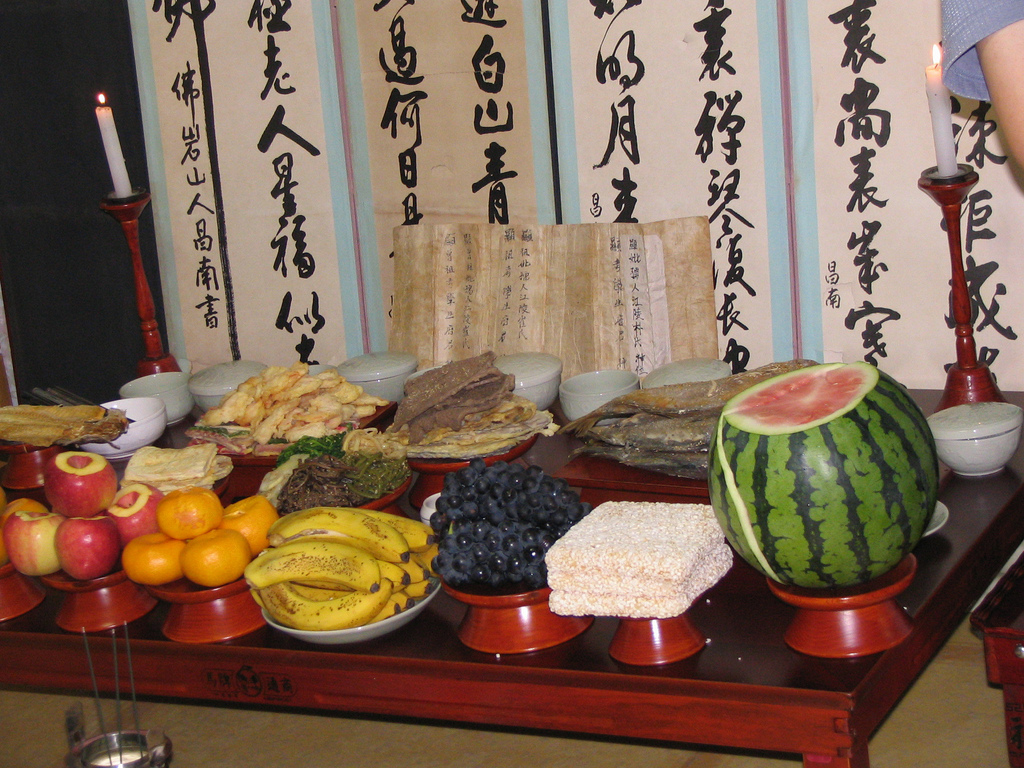 🇰🇷 South KoreaJesa제사
A Korean ancestral memorial rite involving food offerings and ritual bowsRite · Speaking with spirits and the dead · Luck and prosperity Living
🇰🇷 South KoreaJesa제사
A Korean ancestral memorial rite involving food offerings and ritual bowsRite · Speaking with spirits and the dead · Luck and prosperity Living
 🇨🇳 China and 5 moreChinese guardian lions石獅 (shíshī)
Stone lion pairs placed at entrances to ward off harm and welcome fortuneCharm · Protection · Luck and prosperity Living
🇨🇳 China and 5 moreChinese guardian lions石獅 (shíshī)
Stone lion pairs placed at entrances to ward off harm and welcome fortuneCharm · Protection · Luck and prosperity Living
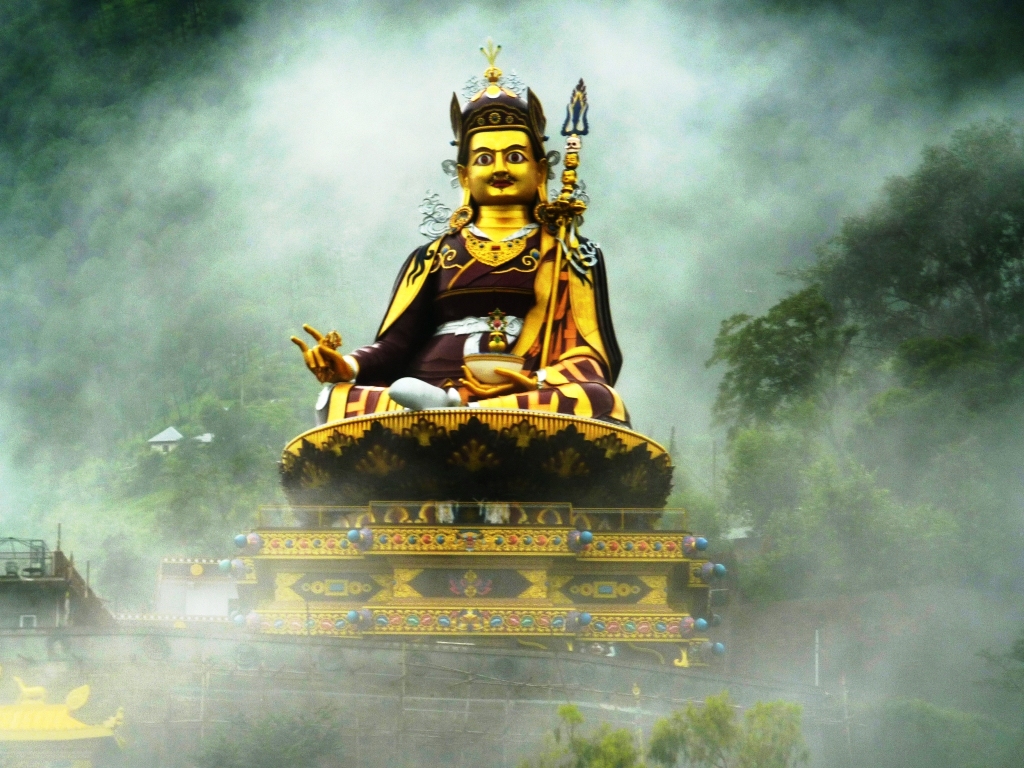 🇮🇳 India and 2 morePadmasambhavaཔདྨ་འབྱུང་གནས།
A tantric master credited with establishing Buddhism in Tibet and founding the Nyingma school.Figure · Protection · Power and authority Living
🇮🇳 India and 2 morePadmasambhavaཔདྨ་འབྱུང་གནས།
A tantric master credited with establishing Buddhism in Tibet and founding the Nyingma school.Figure · Protection · Power and authority Living
 🇮🇪 Ireland and 2 moreTriquetra
A three-arc knot used in medieval art and modern pop culturePower and authority Living
🇮🇪 Ireland and 2 moreTriquetra
A three-arc knot used in medieval art and modern pop culturePower and authority Living
 🇨🇳 China and 1 moreAncestor veneration in China中國傳統宗法性宗教
Rites for dead kin who are thought to watch over the familyTradition · Protection · Speaking with spirits and the dead Living
🇨🇳 China and 1 moreAncestor veneration in China中國傳統宗法性宗教
Rites for dead kin who are thought to watch over the familyTradition · Protection · Speaking with spirits and the dead Living
 🇹🇭 ThailandYi Pengยี่เป็ง
A northern Thai festival of lights featuring sky lanterns and Buddhist merit-makingTradition · Speaking with spirits and the dead · Luck and prosperity Living
🇹🇭 ThailandYi Pengยี่เป็ง
A northern Thai festival of lights featuring sky lanterns and Buddhist merit-makingTradition · Speaking with spirits and the dead · Luck and prosperity Living
 🇯🇵 JapanOmamori御守/お守り
Japanese amulets from shrines and temples for luck and protectionCharm · Protection · Luck and prosperity Living
🇯🇵 JapanOmamori御守/お守り
Japanese amulets from shrines and temples for luck and protectionCharm · Protection · Luck and prosperity Living
 🇮🇳 India and 5 morePilgrimage
A journey to a sacred site for spiritual growth or religious dutyTradition · Healing · Speaking with spirits and the dead Living
🇮🇳 India and 5 morePilgrimage
A journey to a sacred site for spiritual growth or religious dutyTradition · Healing · Speaking with spirits and the dead Living
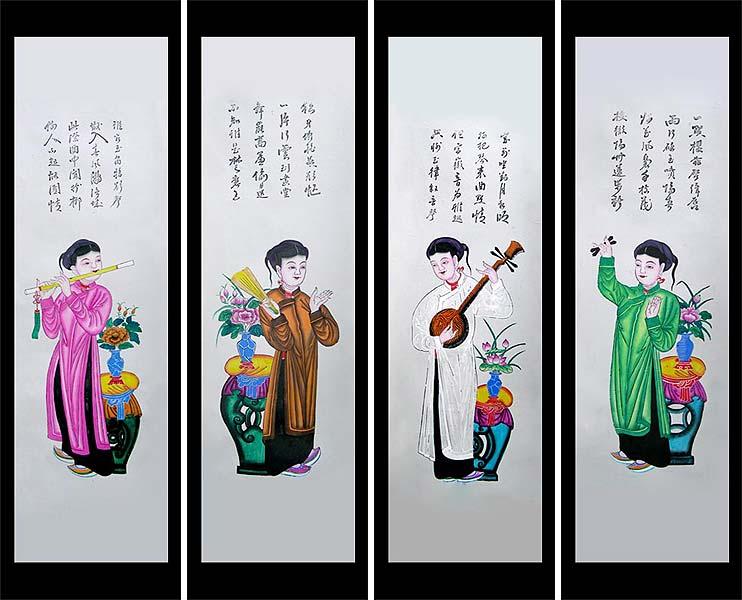 🇻🇳 Vietnam and 1 moreVietnamese folk religiontín ngưỡng dân gian Việt Nam
A collection of local spirit worship and ancestral veneration in VietnamTradition · Protection · Healing Living
🇻🇳 Vietnam and 1 moreVietnamese folk religiontín ngưỡng dân gian Việt Nam
A collection of local spirit worship and ancestral veneration in VietnamTradition · Protection · Healing Living
 🇻🇳 Vietnam and 2 moreThiên Y A Na
A Vietnamese goddess worshipped in folk religion and Đạo Mẫu through spirit mediumshipBeing · Protection · Luck and prosperity Living
🇻🇳 Vietnam and 2 moreThiên Y A Na
A Vietnamese goddess worshipped in folk religion and Đạo Mẫu through spirit mediumshipBeing · Protection · Luck and prosperity Living
 🇯🇵 JapanMount Osore恐山
A volcanic pilgrimage site in Japan believed to be a gateway to the underworldTradition · Speaking with spirits and the dead · Protection Living
🇯🇵 JapanMount Osore恐山
A volcanic pilgrimage site in Japan believed to be a gateway to the underworldTradition · Speaking with spirits and the dead · Protection Living
 🇮🇳 India and 5 moreBhairavaभैरव
A fierce manifestation of Shiva and a Buddhist protector deity worshipped across South and East Asia.Being · Protection · Cursing and harm Living
🇮🇳 India and 5 moreBhairavaभैरव
A fierce manifestation of Shiva and a Buddhist protector deity worshipped across South and East Asia.Being · Protection · Cursing and harm Living
 🇳🇵 NepalTaleju𑐟𑐮𑐾𑐖𑐸 (Newar) / तलेजु (Devanagari)
A royal goddess of the Kathmandu Valley, worshipped as Durga and Tara.Being · Protection · Power and authority Living
🇳🇵 NepalTaleju𑐟𑐮𑐾𑐖𑐸 (Newar) / तलेजु (Devanagari)
A royal goddess of the Kathmandu Valley, worshipped as Durga and Tara.Being · Protection · Power and authority Living
 🇱🇰 Sri Lanka and 1 moreKataragama templeකතරගම / கதிர்காமம் முருகன் கோயில்
A Sri Lankan shrine shared by Buddhists, Hindus, Muslims and VeddasTradition · Protection · Speaking with spirits and the dead Living
🇱🇰 Sri Lanka and 1 moreKataragama templeකතරගම / கதிர்காமம் முருகன் கோயில்
A Sri Lankan shrine shared by Buddhists, Hindus, Muslims and VeddasTradition · Protection · Speaking with spirits and the dead Living
 🇲🇲 MyanmarBurmese folk religionNat Worship
Animistic worship of nature spirits and ancestors in Myanmar, often practiced alongside Buddhism.Tradition · Protection · Luck and prosperity Living
🇲🇲 MyanmarBurmese folk religionNat Worship
Animistic worship of nature spirits and ancestors in Myanmar, often practiced alongside Buddhism.Tradition · Protection · Luck and prosperity Living
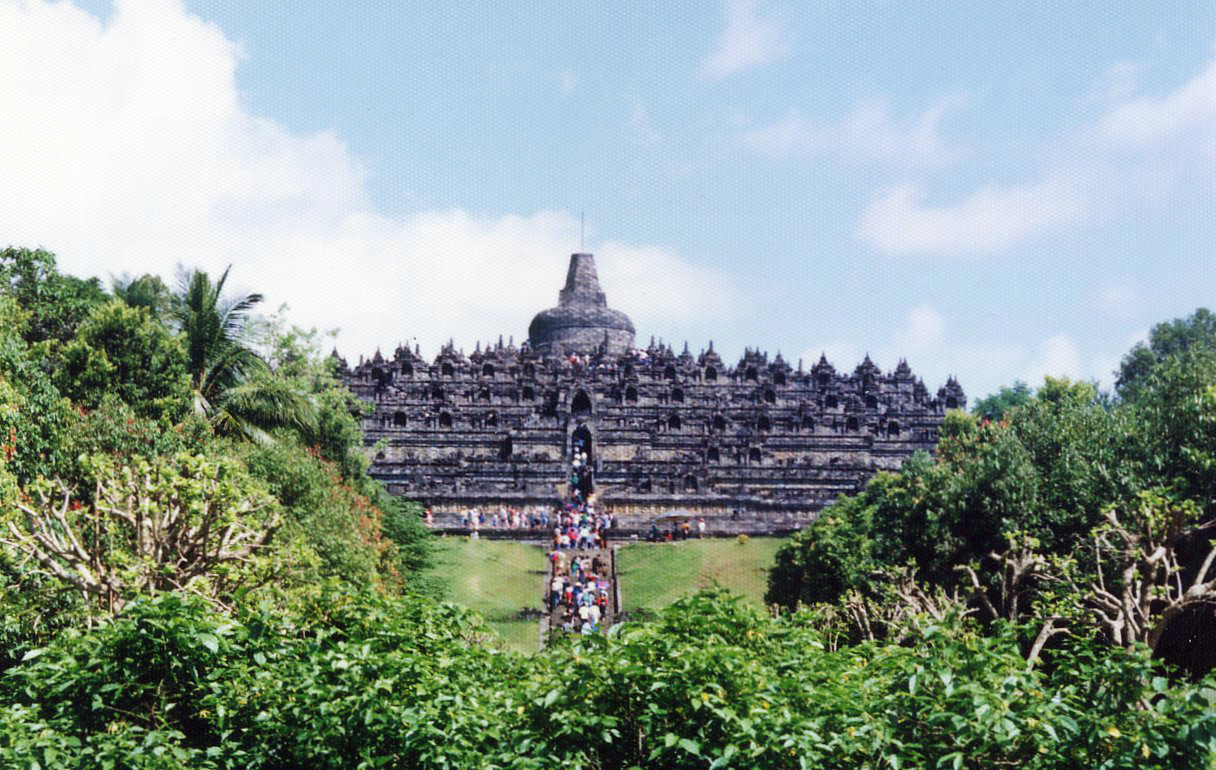 🇮🇩 Indonesia and 4 moreKejawènꦏꦗꦮꦺꦤ꧀ (Kajawèn)
A Javanese tradition blending animism, Hinduism, Buddhism and Islam into a path of inner harmony.Tradition · Protection · Speaking with spirits and the dead Living
🇮🇩 Indonesia and 4 moreKejawènꦏꦗꦮꦺꦤ꧀ (Kajawèn)
A Javanese tradition blending animism, Hinduism, Buddhism and Islam into a path of inner harmony.Tradition · Protection · Speaking with spirits and the dead Living
 🇲🇲 MyanmarNatနတ်
Spirits venerated in Myanmar alongside Buddhism, including deified humans and nature guardians.Tradition · Protection · Speaking with spirits and the dead Living
🇲🇲 MyanmarNatနတ်
Spirits venerated in Myanmar alongside Buddhism, including deified humans and nature guardians.Tradition · Protection · Speaking with spirits and the dead Living
 🇮🇳 IndiaNechung Oracleགནས་ཆུང་ཏ་བླ་མ
The official prophetic medium and spiritual advisor to Tibet's Dalai LamaOracle · Seeing and foretelling · Protection Living
🇮🇳 IndiaNechung Oracleགནས་ཆུང་ཏ་བླ་མ
The official prophetic medium and spiritual advisor to Tibet's Dalai LamaOracle · Seeing and foretelling · Protection Living
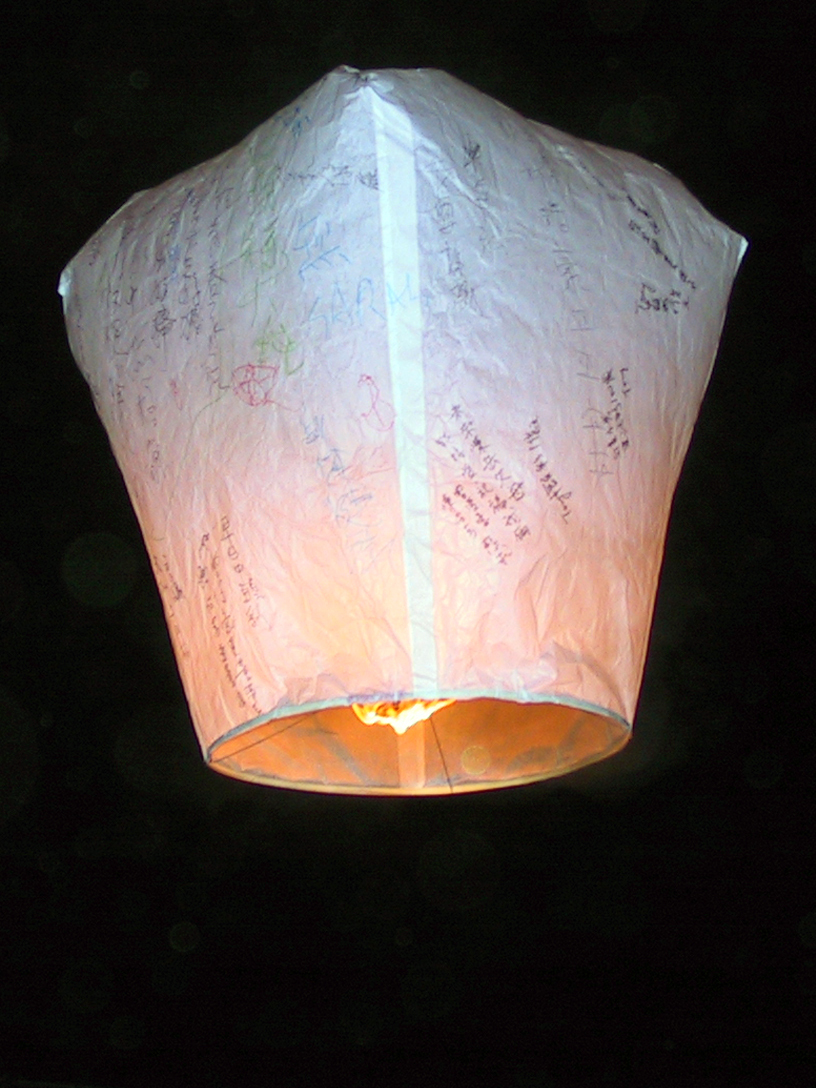 🇨🇳 China and 5 moreSky lantern天燈
A paper hot air balloon lifted by flame to carry wishes and blessingsRite · Luck and prosperity · Protection Living
🇫🇷 France and 3 moreBardo Thodolབར་དོ་ཐོས་གྲོལ (bar do thos grol)
A Tibetan Buddhist guide for navigating the intermediate state between death and rebirth.Text Living
🇨🇳 China and 5 moreSky lantern天燈
A paper hot air balloon lifted by flame to carry wishes and blessingsRite · Luck and prosperity · Protection Living
🇫🇷 France and 3 moreBardo Thodolབར་དོ་ཐོས་གྲོལ (bar do thos grol)
A Tibetan Buddhist guide for navigating the intermediate state between death and rebirth.Text Living
 🇫🇷 France and 3 moreReliquary
A container for sacred remains or objects, crafted across many faithsCharm · Protection · Speaking with spirits and the dead Living
🇫🇷 France and 3 moreReliquary
A container for sacred remains or objects, crafted across many faithsCharm · Protection · Speaking with spirits and the dead Living
 🇹🇭 Thailand and 3 moreThai Buddha amuletsพระเครื่อง (phrakhrueang)
Sacred Buddhist images and relics worn for protection, merit, and fortune in Thailand.Charm · Protection · Luck and prosperity Living
🇹🇭 Thailand and 3 moreThai Buddha amuletsพระเครื่อง (phrakhrueang)
Sacred Buddhist images and relics worn for protection, merit, and fortune in Thailand.Charm · Protection · Luck and prosperity Living
 🇲🇽 Mexico and 5 morePersonifications of death
Figures from many cultures that embody the end of life and guide soulsFigure · Speaking with spirits and the dead Living
🇮🇳 India and 1 moreNeotantraनवतन्त्र (navatantra)
A Western movement blending Tantra with modern views on sacred sexualityTradition · Love and attraction · Change and initiation Living
🇲🇽 Mexico and 5 morePersonifications of death
Figures from many cultures that embody the end of life and guide soulsFigure · Speaking with spirits and the dead Living
🇮🇳 India and 1 moreNeotantraनवतन्त्र (navatantra)
A Western movement blending Tantra with modern views on sacred sexualityTradition · Love and attraction · Change and initiation Living
 🇨🇳 China and 4 moreFuji扶乩
Chinese planchette writing: gods and ancestors reply through a stylus on sandRite · Speaking with spirits and the dead · Seeing and foretelling Living
🇨🇳 China and 4 moreFuji扶乩
Chinese planchette writing: gods and ancestors reply through a stylus on sandRite · Speaking with spirits and the dead · Seeing and foretelling Living
 🇱🇦 Laos and 3 moreTai folk religionສາສະໜາຜີ
Spirits, ancestor rites, and soul-calling ceremonies of the Tai peoplesTradition · Protection · Healing Living
🇱🇦 Laos and 3 moreTai folk religionສາສະໜາຜີ
Spirits, ancestor rites, and soul-calling ceremonies of the Tai peoplesTradition · Protection · Healing Living
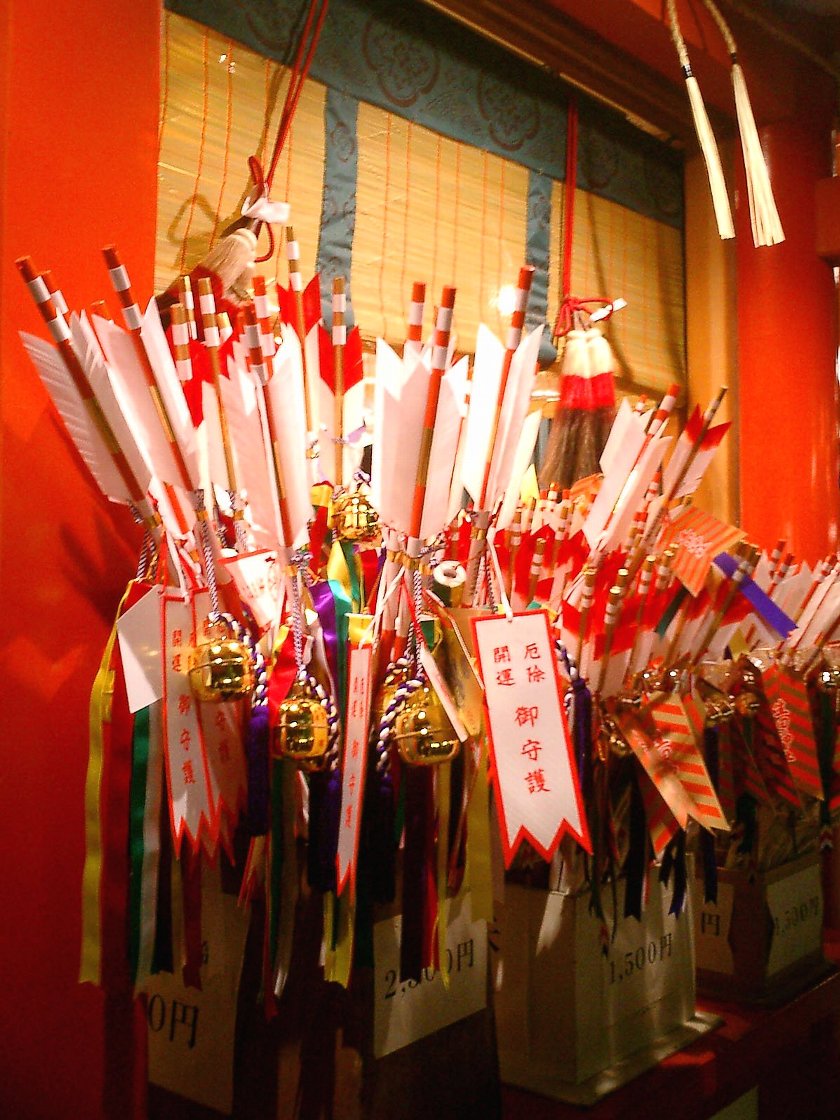 🇯🇵 JapanHamaya破魔矢
A blunt arrow given at shrines to ward off evil and secure good luck for the new yearCharm · Protection · Luck and prosperity Living
🇯🇵 JapanHamaya破魔矢
A blunt arrow given at shrines to ward off evil and secure good luck for the new yearCharm · Protection · Luck and prosperity Living
 🇨🇳 China and 1 moreFalun Gong法轮功
A Chinese cultivation practice blending meditative exercises with moral principlesTradition · Healing · Protection Living
🇨🇳 China and 1 moreFalun Gong法轮功
A Chinese cultivation practice blending meditative exercises with moral principlesTradition · Healing · Protection Living
 🇱🇰 Sri LankaMara
A Buddhist figure representing the forces that block spiritual awakening and keep beings trapped in rebirth.Being · Cursing and harm · Binding and oaths Living
🇱🇰 Sri LankaMara
A Buddhist figure representing the forces that block spiritual awakening and keep beings trapped in rebirth.Being · Cursing and harm · Binding and oaths Living
 🇮🇳 IndiaSnow Lionགངས་སེང་གེ་
A celestial mountain guardian of Tibet embodying fearlessness, bliss, and the DharmaBeing · Protection · Power and authority Living
🇮🇳 IndiaSnow Lionགངས་སེང་གེ་
A celestial mountain guardian of Tibet embodying fearlessness, bliss, and the DharmaBeing · Protection · Power and authority Living
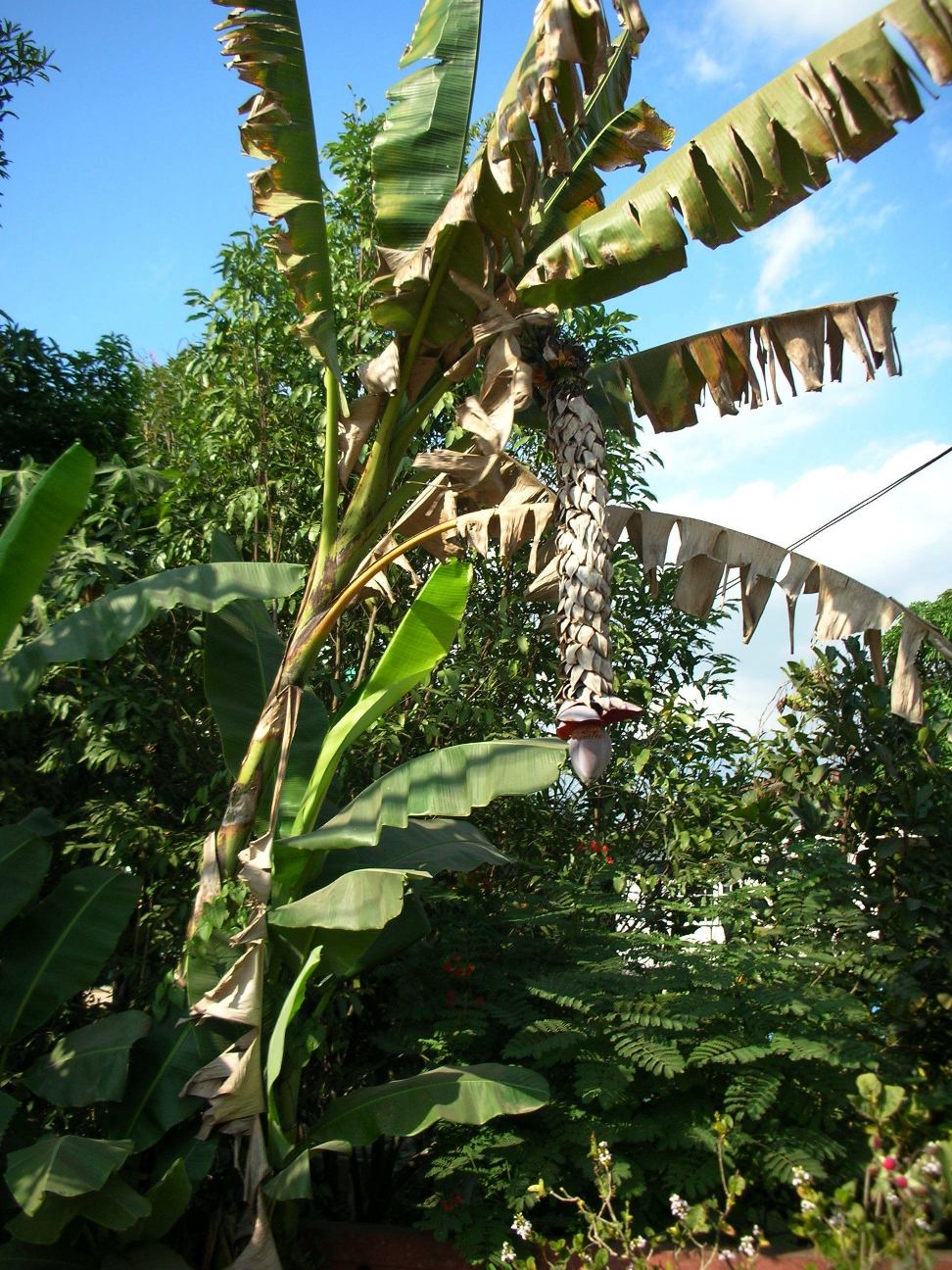 🇹🇭 Thailand and 1 moreNang Taniนางตานี
A female spirit said to inhabit wild banana trees in Southeast Asian folklore.Being · Protection · Luck and prosperity Living
🇹🇭 Thailand and 1 moreNang Taniนางตานี
A female spirit said to inhabit wild banana trees in Southeast Asian folklore.Being · Protection · Luck and prosperity Living
 🇲🇲 Myanmar and 5 moreChintheခြင်္သေ့
A stylized lion statue that guards Buddhist temples in Myanmar and across Asia.Being · Protection Living
🇲🇲 Myanmar and 5 moreChintheခြင်္သေ့
A stylized lion statue that guards Buddhist temples in Myanmar and across Asia.Being · Protection Living
 🇬🇧 United Kingdom and 2 moreAetherius Society
A new religious movement blending theosophy, UFO claims, and spiritual healing to aid humanity.Tradition · Protection · Healing Living
🇬🇧 United Kingdom and 2 moreAetherius Society
A new religious movement blending theosophy, UFO claims, and spiritual healing to aid humanity.Tradition · Protection · Healing Living
 🇲🇲 MyanmarMythical creatures in Burmese folklore
A collection of spirits, beasts and hybrids from Myanmar's stories and playsBeing · Wonder and entertainment Living
🇲🇲 MyanmarMythical creatures in Burmese folklore
A collection of spirits, beasts and hybrids from Myanmar's stories and playsBeing · Wonder and entertainment Living
 🇯🇵 Japan and 4 moreKṣitigarbhaक्षितिगर्भ
A bodhisattva vowed to empty the hells and guard children, shown with a staff and jewel.Being · Protection · Speaking with spirits and the dead Living
🇮🇳 India and 3 moreTermaགཏེར་མ
Hidden teachings in Tibetan Buddhism and Bon, revealed by tertöns when the time is right.Text · Speaking with spirits and the dead · Change and initiation Living
🇯🇵 Japan and 4 moreKṣitigarbhaक्षितिगर्भ
A bodhisattva vowed to empty the hells and guard children, shown with a staff and jewel.Being · Protection · Speaking with spirits and the dead Living
🇮🇳 India and 3 moreTermaགཏེར་མ
Hidden teachings in Tibetan Buddhism and Bon, revealed by tertöns when the time is right.Text · Speaking with spirits and the dead · Change and initiation Living
 🇯🇵 JapanHannya般若
A Noh theater mask depicting a jealous female spirit or demonessText · Cursing and harm Living
🇯🇵 JapanHannya般若
A Noh theater mask depicting a jealous female spirit or demonessText · Cursing and harm Living
 🇮🇳 India and 5 moreNavaratnaनवरत्न
A nine-gem talisman set in gold or silver, linked to Hindu astrology and planetary worshipCharm · Protection · Healing Living
🇮🇳 India and 5 moreNavaratnaनवरत्न
A nine-gem talisman set in gold or silver, linked to Hindu astrology and planetary worshipCharm · Protection · Healing Living
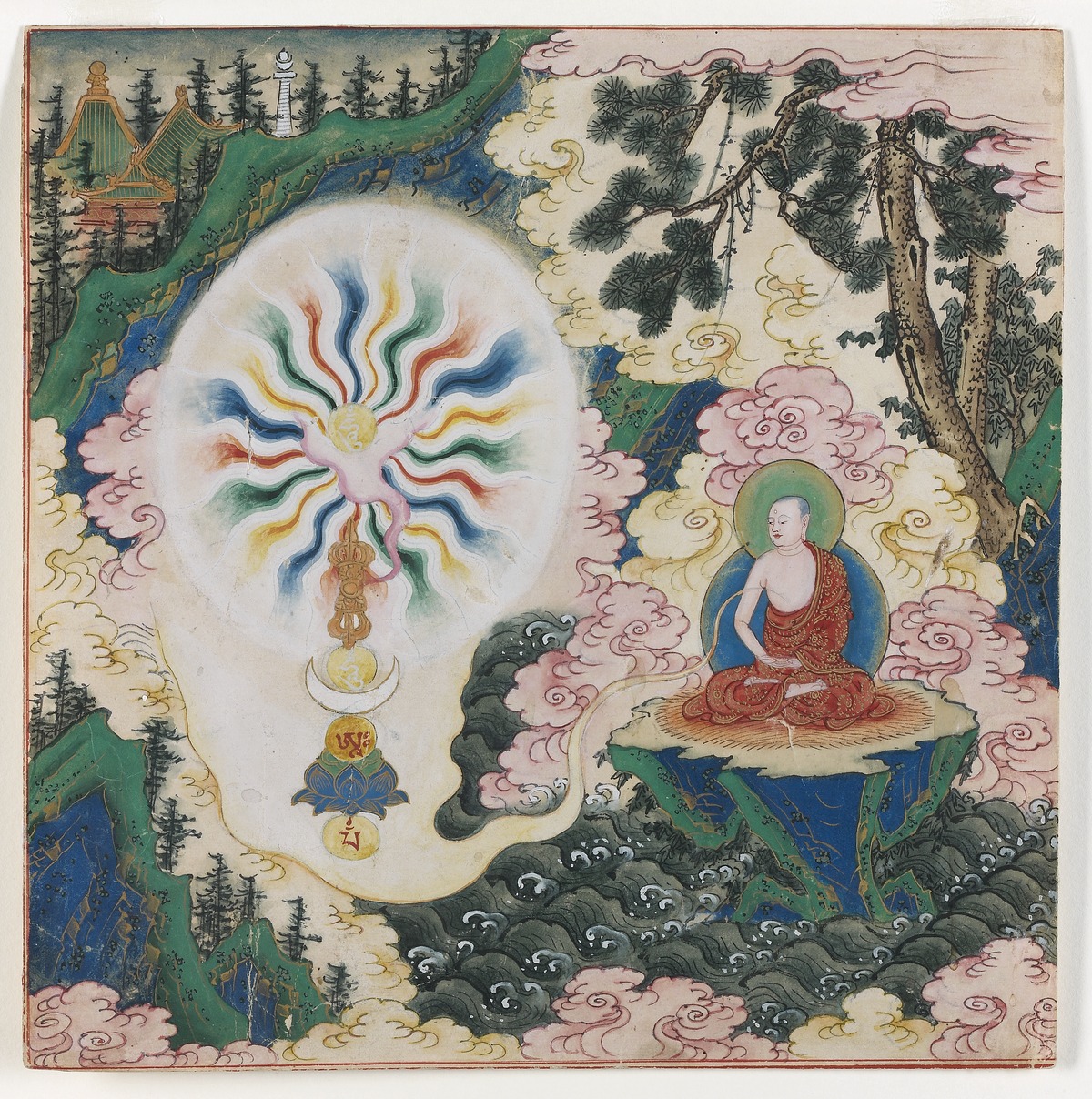 🇮🇳 India and 1 moreDeity yoga
A Vajrayana meditation on embodying a chosen Buddha figure to realize emptinessTradition · Change and initiation · Power and authority Living
🇮🇳 India and 1 moreDeity yoga
A Vajrayana meditation on embodying a chosen Buddha figure to realize emptinessTradition · Change and initiation · Power and authority Living
 🇹🇭 ThailandSihuhataแมงสี่หูห้าตา
A legendary creature from northern Thai folklore associated with wealth and divine testingBeing · Luck and prosperity · Power and authority Living
🇳🇵 Nepal and 3 moreGurung ShamanismTamu Cho
The ancient shamanic beliefs and rituals of the Gurung people in NepalTradition · Protection · Speaking with spirits and the dead Living
🇹🇭 ThailandSihuhataแมงสี่หูห้าตา
A legendary creature from northern Thai folklore associated with wealth and divine testingBeing · Luck and prosperity · Power and authority Living
🇳🇵 Nepal and 3 moreGurung ShamanismTamu Cho
The ancient shamanic beliefs and rituals of the Gurung people in NepalTradition · Protection · Speaking with spirits and the dead Living
 🇲🇲 MyanmarYadayaယတြာ
Rituals in Myanmar to avert misfortune using astrology and numerologyTradition · Protection · Luck and prosperity Living
🇲🇲 MyanmarYadayaယတြာ
Rituals in Myanmar to avert misfortune using astrology and numerologyTradition · Protection · Luck and prosperity Living
 🇧🇹 BhutanVajravarahiརྡོ་རྗེ་ཕག་མོ། (Dorje Pakmo)
A wrathful female buddha in Tibetan Buddhism, depicted with a sow head and dancing posture.Being · Power and authority · Change and initiation Living
🇧🇹 BhutanVajravarahiརྡོ་རྗེ་ཕག་མོ། (Dorje Pakmo)
A wrathful female buddha in Tibetan Buddhism, depicted with a sow head and dancing posture.Being · Power and authority · Change and initiation Living
 🇹🇭 ThailandPla taphianปลาตะเพียนสาน
A woven palm leaf fish mobile hung as a blessing for health and plentyCharm · Protection · Luck and prosperity Living
🇹🇭 ThailandPla taphianปลาตะเพียนสาน
A woven palm leaf fish mobile hung as a blessing for health and plentyCharm · Protection · Luck and prosperity Living
 🇨🇳 ChinaSuperstition in China
A broad category for folk beliefs and rituals dismissed as backward by modern Chinese authoritiesBelief · Protection · Luck and prosperity Living
🇨🇳 ChinaSuperstition in China
A broad category for folk beliefs and rituals dismissed as backward by modern Chinese authoritiesBelief · Protection · Luck and prosperity Living
 🇱🇰 Sri Lanka and 1 moreSanni Yakumaසන්නි යකුම
A traditional Sinhalese exorcism ritual featuring eighteen masked dances to banish illness-causing demons.Rite · Healing · Cursing and harm Living
🇱🇰 Sri Lanka and 1 moreSanni Yakumaසන්නි යකුම
A traditional Sinhalese exorcism ritual featuring eighteen masked dances to banish illness-causing demons.Rite · Healing · Cursing and harm Living
Photo credits on this page
The small pictures above come from Wikimedia Commons under free licences. Some are cropped to fit.
- Sunda Wiwitan: Greenland4, Public domain, source
- Tai folk religion: ( เทวประภาส มากคล้าย ), Tevaprapas, Public domain, source
- Hamaya: Tomomarusan, CC BY 2.5, source
- Weizza: YashiWong, CC BY-SA 3.0, source
- Mongolian shamanism: Enrique Bendicho, CC BY-SA 4.0, source
- Jesa: by Joseph Steinberg (Baltimoron in Korea) at Flickr, CC BY-SA 2.0, source
- Chinese guardian lions: Pvt pauline, CC BY-SA 3.0, source
- Padmasambhava: John Hill, CC BY-SA 3.0, source
- Triquetra: Wiglaf at English Wikipedia, Public domain, source
- Ancestor veneration in China: Three huntings, CC BY-SA 4.0, source
- Yi Peng: Takeaway, CC BY-SA 3.0, source
- Omamori: Leongboy1, Public domain, source
- Pilgrimage: Ali Mansuri, CC BY-SA 2.5, source
- Vietnamese folk religion: Unknown (traditional painting dated back to the 17th century), Public domain, source
- Thiên Y A Na: Lưu Ly ( thảo luận ), CC BY-SA 3.0, source
- Mount Osore: Douglas P Perkins ( Douglaspperkins ( talk )), CC BY 3.0, source
- Bhairava: Saankav, CC BY-SA 4.0, source
- Taleju: Unknown author, CC BY-SA 4.0, source
- Kataragama temple: Ghostface Buddha, CC BY-SA 2.0, source
- Burmese folk religion: Wagaung ( talk ), CC BY-SA 3.0, source
- Nat: Emily Khine, CC BY-SA 4.0, source
- Personifications of death: No machine-readable author provided. Kirtap assumed (based on copyrigh, CC BY 2.5, source
- Falun Gong: longtrekhome, CC BY 3.0, source
- Hannya: Daderot, Public domain, source
- Nang Tani: Xufanc, CC BY-SA 3.0, source
- Aetherius Society: Hjamesberglen, CC0, source
- Nechung Oracle: Christopher Michel, CC BY 2.0, source
- Mythical creatures in Burmese folklore: Unknown author, CC BY 4.0, source
- Deity yoga: Anonymous Unknown author, CC0, source
- Sky lantern: Richy, CC BY-SA 3.0, source
- Sihuhata: Chainwit., CC BY-SA 4.0, source
- Reliquary: Attributed to Jean de Toul, also written Jehan de Touyl in one source, CC0, source
- Yadaya: Thai Government, CC BY 2.0, source
- Vajravarahi: Foto: Andreas Praefcke, Public domain, source
- Thai Buddha amulets: User:Mattes, Public domain, source
- Mara: Under the Bo, CC BY-SA 3.0, source
- Chinthe: Wagaung, CC BY-SA 3.0, source
- Navaratna: Pradeep717, CC BY-SA 4.0, source
- Fuji: Unknown author, CC BY 4.0, source
- Snow Lion: John Hill, CC BY-SA 4.0, source
- Sanni Yakuma: Michael Gunther, CC BY-SA 4.0, source
- Kṣitigarbha: སངས་རྒྱས་བཅོམ་ལྡན་འདས།, Public domain, source
- Pla taphian: Mr.Peerapong Prasutr, CC BY-SA 4.0, source
- Superstition in China: Gary Todd, CC0, source