Terma
In its own language: གཏེར་མ
from Tibetan gter ma, meaning hidden treasure
Hidden teachings in Tibetan Buddhism and Bon, revealed by tertöns when the time is right.
Terma are concealed instructions within Vajrayana Buddhism and the Bön tradition. They were hidden by early masters to be discovered later by special revealers called tertöns, ensuring the continuity of spiritual practice across generations.
- Terma means hidden treasure in Tibetan.
- Two types: earth treasures and mind treasures.
- Revealed by tertöns when conditions are ripe.
- Includes the famous Bardo Thodol text.
- Originates from Padmasambhava and Yeshe Tsogyal.
What it is
Terma are hidden teachings central to the Vajrayana schools of Tibetan Buddhism and the Bön tradition. The word translates directly as hidden treasure. These teachings take two main forms: earth treasures, which are physical objects like texts or ritual tools buried in landscapes, and mind treasures, which appear directly within the consciousness of a revealer. The system ensures that spiritual guidance remains relevant for future generations who need it most.
Where it comes from
The tradition holds that eighth-century masters Padmasambhava and Yeshe Tsogyal concealed these teachings to protect them during times of persecution under King Langdarma. They hid texts and relics to be unearthed only when conditions were ripe. This concept has antecedents in India, such as the Mahayana figure Nagarjuna retrieving sutras from nāga realms, and resonances in Hindu Vaishnavism where saints rediscovered fragments of sacred texts through trance or dream revelation.
How it is done
Revealers known as tertöns discover these teachings. Earth terma may be found in rocks, trees, lakes, or temples, often written in symbolic dakini script that requires deciphering. Mind terma arise through meditation or guru transmission, appearing as sounds or letters in the practitioner's mind. Once received, the tertön must transcribe the text from memory twice in one session. If the copies match perfectly, the teaching is sealed as authentic and transmitted.
Tools and materials
Earth treasures include physical texts, sacred images, ritual instruments, and medicinal substances. Some texts are encoded in dakini script, a non-human code that only a qualified tertön can read. These physical items act as triggers to help the revealer access the deeper mental content. Prophecies often specify the exact location, required ritual tools, and assistants needed for discovery.
Terma, drawn and placed
- Living
- Revived
- Fading
- Historical
- Legendary
- Performed
- Lineage
- Vajrayana Buddhism and Bön
What it is for
The primary intent is to preserve and transmit dharma when traditional lineages face disruption. Terma provide fresh inspiration and ensure the continued relevancy of tantric traditions in an evolving world. They serve as direct transmissions from the essence of the guru's mind to the tertön, offering specific guidance tailored to the needs of a particular era or individual practitioner.
Who does it
The practitioners are tertöns, or treasure revealers. They undergo rigorous training and are often chosen based on prophecies made at the time of concealment. Famous historical tertöns include the Five Terton Kings, the Eight Lingpas, and modern figures like Jigdral Yeshe Dorje and Dilgo Khyentse. The role is prevalent in the Nyingma lineage but also exists in Bön and Kagyu traditions.
Peoples and places
The tradition is most significant within the Nyingma school of Tibetan Buddhism and the Bön religion. It also appears in Kagyu lineages through cycles like Jangter. Cultural resonances extend to India, where similar concepts of hidden knowledge exist, and to Bangladesh, where Vaishnava saints are said to have recovered divine love from rivers. The practice spans Tibet, Bhutan, and parts of northern India.
At a glance: who, where and when
What people believe
Believers hold that terma are not merely physical objects but are concealed within the nature of the mind. The true place of concealment is the guru's essence, transmitted directly to the tertön. Discoveries are often attributed to assistance from nāgas, serpent beings of the underworld, or dakinis, celestial female spirits. Pure visions from deities may also yield teachings considered meritorious enough to be classified as terma.
How scholars and sceptics see it
Scholars view terma as a mechanism for religious continuity and adaptation. Francesca Fremantle notes that termas are not always made public immediately, allowing time for people to prepare. Tulku Thondup describes the system as analogous to inspiration, providing a legitimate cultural forum for the renewal of tantric practice. Historians trace its roots to earlier Indian Buddhist narratives of hidden sutras.
Compare and confuse
Terma are sometimes confused with general pure land visions or standard oral transmissions. Unlike ordinary texts, they require specific decoding or mental realization. The concept parallels the Vaishnava story of Chaitanya Mahaprabhu recovering the Brahma Samhita fragment, though the Buddhist version emphasizes direct mind-to-mind transmission and physical concealment in natural sites.
Today
The tradition remains active, with major cycles like the Bardo Thodol (Tibetan Book of the Dead) and Longchen Nyingthig widely practiced. In the 19th century, the Khyen-Kong-Chok sum assembled thousands of terma into the Rinchen Terdzod collection. Modern tertöns continue to reveal new teachings, ensuring the dynamic evolution of Nyingma and Bön practices across the globe.
Questions people ask about Terma
What exactly is a terma?
A terma is a hidden teaching in Tibetan Buddhism and Bön. It can be a physical object buried in nature or a mental revelation experienced by a tertön. The term translates to hidden treasure and serves to preserve spiritual knowledge for future generations.
Who discovers terma?
Special revealers called tertöns discover terma. They are chosen through prophecies made by the original masters who hid the teachings. Famous tertöns include Jamyang Khyentse Wangpo and Dilgo Khyentse, who played key roles in preserving Nyingma traditions.
Where do terma come from?
Tradition states that Padmasambhava and Yeshe Tsogyal hid these teachings in the eighth century. They concealed texts and relics to protect Buddhism during persecution. The teachings were meant to be uncovered only when the world was ready to receive them.
Are terma just physical books?
No. While some are physical texts written in symbolic scripts, others are mind treasures. Mind terma appear directly in the consciousness of the revealer through meditation or vision. Both types act as triggers to access deeper spiritual insights.
Good reading and sources
- Terma (religion) on WikipediaEncyclopedia
- More photos on Wikimedia CommonsPhotos and video
- Wikidata recordOpen data
The facts on this page come from the Wikipedia article "Terma (religion)", written by its contributors and used under the CC BY-SA 4.0 licence, and from its Wikidata record (CC0). EveryJaadu rewrote the text in its own words, with AI assistance, and compares every page with the article to make sure no passage is copied. It may be reused under the same CC BY-SA 4.0 licence with a link back.
It may contain mistakes. Names and customs differ from one community to the next, and some knowledge is closed to outsiders and left out here. This page describes belief and practice. It does not say that any of it works, it is not a how-to, and it is not medical advice. If something is wrong, tell us. Last refreshed 2026-10-08.
More from India
All the entries from India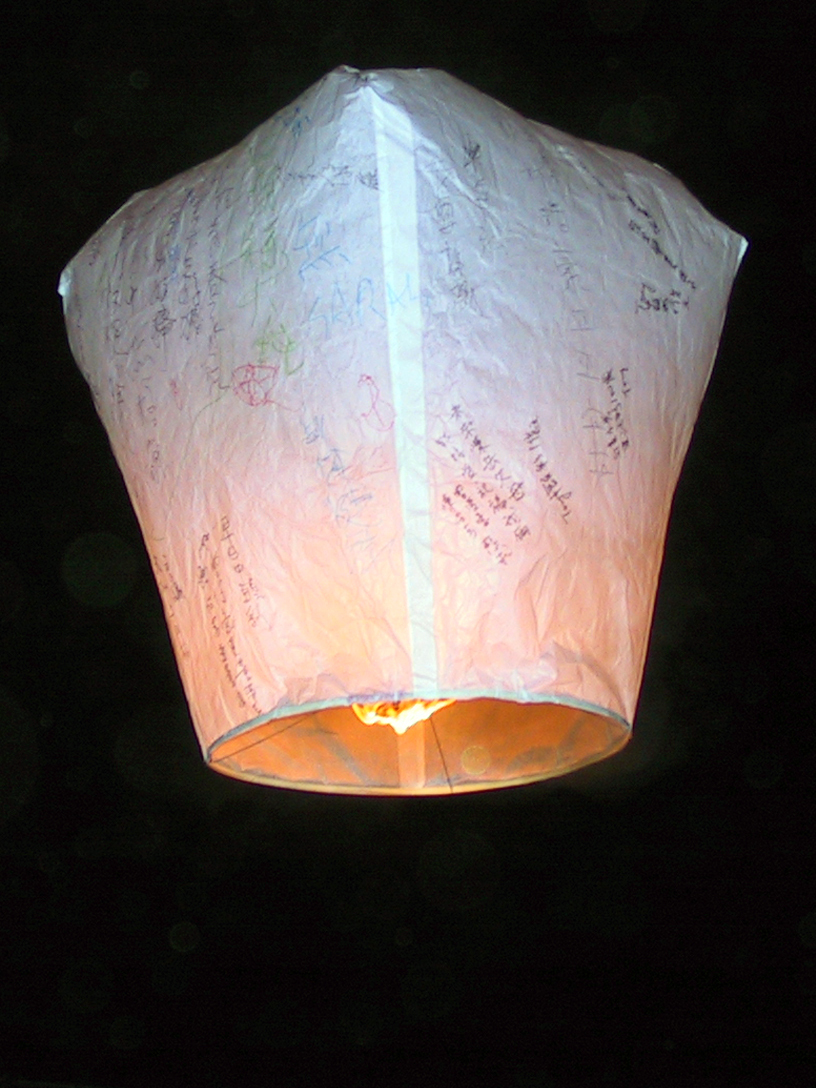 🇨🇳 China and 5 moreSky lantern天燈
A paper hot air balloon lifted by flame to carry wishes and blessingsRite · Luck and prosperity · Protection Living
🇨🇳 China and 5 moreSky lantern天燈
A paper hot air balloon lifted by flame to carry wishes and blessingsRite · Luck and prosperity · Protection Living
 🇨🇳 China and 5 moreGuanyin觀音 (Guānyīn)
The Bodhisattva of compassion, worshipped across East Asia as a listener to human sufferingBeing · Protection · Healing Living
🇨🇳 China and 5 moreGuanyin觀音 (Guānyīn)
The Bodhisattva of compassion, worshipped across East Asia as a listener to human sufferingBeing · Protection · Healing Living
 🇨🇳 China and 5 moreChinese guardian lions石獅 (shíshī)
Stone lion pairs placed at entrances to ward off harm and welcome fortuneCharm · Protection · Luck and prosperity Living
🇨🇳 China and 5 moreChinese guardian lions石獅 (shíshī)
Stone lion pairs placed at entrances to ward off harm and welcome fortuneCharm · Protection · Luck and prosperity Living
 🇯🇵 Japan and 2 moreTamamo-no-Mae玉藻前
A nine-tailed fox spirit from Japanese legend who possessed emperors and concubines across Asia.Figure · Cursing and harm · Power and authority Legendary
🇯🇵 Japan and 2 moreTamamo-no-Mae玉藻前
A nine-tailed fox spirit from Japanese legend who possessed emperors and concubines across Asia.Figure · Cursing and harm · Power and authority Legendary
Related elsewhere
All text 🇮🇳 IndiaChakraचक्र
Meditation points in the subtle body used in Hindu and Buddhist yogaTradition · Speaking with spirits and the dead · Change and initiation Living
🇮🇳 IndiaChakraचक्र
Meditation points in the subtle body used in Hindu and Buddhist yogaTradition · Speaking with spirits and the dead · Change and initiation Living
 🇳🇬 NigeriaOrunmilaỌ̀rúnmìlà
Yoruba deity of wisdom and the creator of the Ifá divination systemBeing · Seeing and foretelling · Speaking with spirits and the dead Living
🇳🇬 NigeriaOrunmilaỌ̀rúnmìlà
Yoruba deity of wisdom and the creator of the Ifá divination systemBeing · Seeing and foretelling · Speaking with spirits and the dead Living
 🇮🇱 Israel and 4 moreIsaac Luriaיִצְחָק בן שלמה אשכנזי לוּרְיָא
A sixteenth-century rabbi who founded modern Kabbalah through oral teachings in Safed.Text · Speaking with spirits and the dead · Change and initiation Living
🇮🇱 Israel and 4 moreIsaac Luriaיִצְחָק בן שלמה אשכנזי לוּרְיָא
A sixteenth-century rabbi who founded modern Kabbalah through oral teachings in Safed.Text · Speaking with spirits and the dead · Change and initiation Living
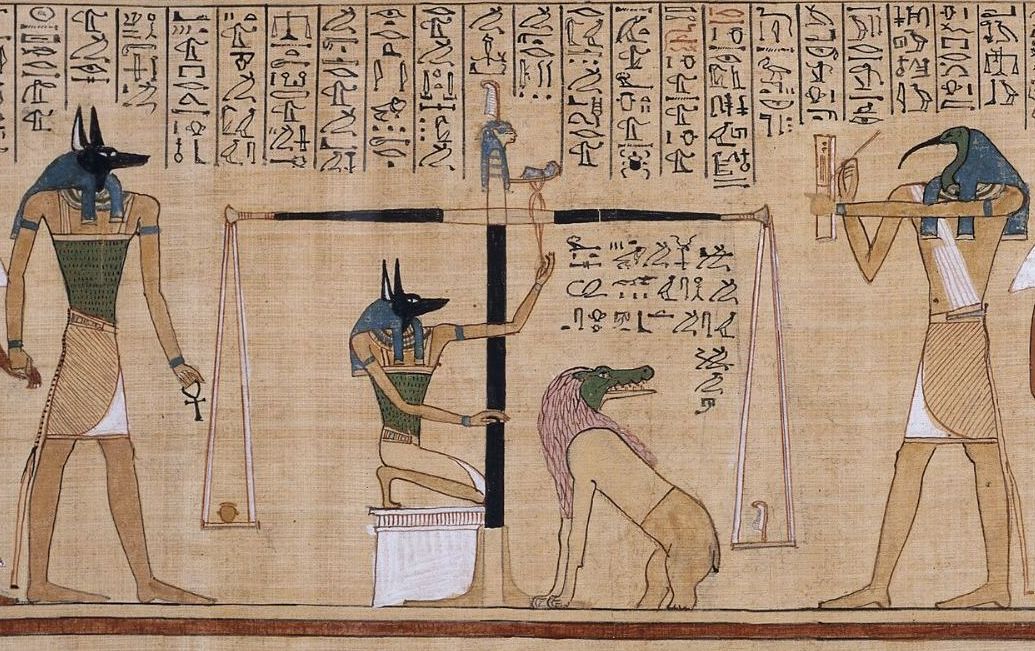 🇪🇬 EgyptAncient Egyptian afterlife beliefs
A system of rituals and texts guiding the soul through the underworld to eternal rebirthTradition · Protection · Speaking with spirits and the dead Historical
🇪🇬 EgyptAncient Egyptian afterlife beliefs
A system of rituals and texts guiding the soul through the underworld to eternal rebirthTradition · Protection · Speaking with spirits and the dead Historical