
Hannya
In its own language: 般若
from Sanskrit prajñā meaning wisdom
A Noh theater mask depicting a jealous female spirit or demoness
The hannya is a traditional Japanese mask used in Noh theater to portray a vengeful female spirit. It represents intense jealousy and resentment that has transformed a woman into a demon. The mask changes expression based on the actor's angle.
- The word hannya comes from Sanskrit prajñā meaning wisdom.
- The mask changes expression when the actor tilts their head.
- White skin indicates a refined woman while red shows less refinement.
- It is classified as a jya or snake mask in Noh theater.
- The name appears in works from the late 16th century.
What it is
The hannya is a wooden mask from Japan used in Noh theater. It portrays a female spirit turned into a demon by extreme jealousy. The mask shows two horns and sharp eyes. It represents a woman who has become an onryō, a vengeful ghost. The expression changes with the actor's head tilt. Looking straight makes it look angry. Tilting down makes it look sad. This shift shows complex human emotions.
Where it comes from
The word comes from Sanskrit prajñā, meaning wisdom. One theory says a monk named Hannya-bō perfected the mask. Another links it to a line in Aoi no Ue about a horrible voice. The name appears in works from the late 1500s. Older records list few masks and do not mention hannya. The Sarugaku dangi mentions Aoi no Ue but not the mask name. Mask types differentiated in the 16th century.
How it is done
Actors wear the mask during Noh plays. They tilt their heads to change the face. Straight ahead shows anger. Downward tilt shows sorrow. The mask is used in famous plays like Aoi no Ue and Dōjōji. Different skin tones show character refinement. White means refined. Red means less refined. Darkest red shows a true demon. The actor reveals the spirit through movement and angle.
Tools and materials
The mask is made of wood. It has two horns. The eyes are painted gold. The mouth is carved to leer. Some versions have tongues out. Skin color varies. White indicates aristocracy. Red indicates lower status. Dark red indicates a full demon. The mask is part of the jya snake mask family. Other masks in this group include namanari and shinjya.
Hannya, drawn and placed
- Living
- Revived
- Fading
- Historical
- Legendary
- Performed
- Lineage
- Noh theater
- Timing
- during Noh plays
What it is for
The mask depicts a woman consumed by jealousy. It shows her transformation into a demon. The spirit seeks revenge on her husband or lover. Plays use it to show supernatural power. The demoness curses her enemies. Prayers can sometimes repel the spirit. The mask helps actors show emotional pain. It visualizes the cost of obsession. Audiences see the tragedy behind the horror.
Who does it
Noh actors wear the mask. They train for years in the art. The role requires skill to shift expressions. Performers must control head angles. The mask is part of a structured repertoire. Specific roles require specific masks. Actors follow strict traditions. The performance is a serious art form. The actor embodies the spirit fully.
Peoples and places
The tradition belongs to Japan. Noh theater is a classical art form. The mask is central to many plays. Different schools may use variations. Bunraku puppet theater also uses similar heads. Puppets can change faces with strings. The hannya appears in modern media too. Video games and anime use the image. The cultural symbol remains strong today.
At a glance: who, where and when
![Noh Mask [Hannya] type. Edo period, 17th or 18th century, Edo period](https://thumb.wikimedia.org/wikipedia/commons/thumb/b/b4/Noh_Mask_Hannya_type.jpg/960px-Noh_Mask_Hannya_type.jpg)


What people believe
Buddhism views desire as a path to suffering. Jealousy can trap a soul in a demon form. The onryō is a vengeful spirit. Women were seen as unable to attain enlightenment. Their desires could turn them into snakes. The mask reflects this fear. It shows the danger of unchecked emotion. The Heart Sutra repels such spirits. Wisdom is needed to create the mask.
When it is done
Performances happen during Noh shows. These are cultural events in Japan. The mask appears in specific acts. Aoi no Ue features Lady Rokujō. Dōjōji features a dancing woman. Genzai Shichimen shows a serpent. Kanawa involves a cursed wife. Kurozuka features a spinning woman. Momijigari includes a noblewoman. Each play uses the mask differently.
How scholars and sceptics see it
Researchers study the etymology of the word. They link it to Sanskrit wisdom. Historians track mask development in the 16th century. Scholars note the Buddhist influence on the spirit concept. Anthropologists examine the gender dynamics. The mask reflects fears about female rage. Modern studies look at its global impact. It appears in Western media frequently.
Cautions and what is closed
The mask is considered dangerous. It represents a harmful spirit. Some believe it holds real power. Carvers need great skill to make it. The process requires wisdom. The spirit depicted is vengeful. It seeks to harm others. The mask warns against obsession. It shows the result of broken love. The horror is psychological as well as visual.
Compare and confuse
The hannya is part of the jya snake mask group. It differs from namanari and shinjya. Namanari shows early transformation. Shinjya shows full snake-like fury. Deigan and hashihime are related types. Deigan shows rising emotions. Hashihime shows strong revenge desire. All depict women turning into demons. They form a spectrum of rage.
Law and persecution
No specific laws restrict the mask. It is a cultural artifact. Museums display examples. The Metropolitan Museum has a collection. No persecution is recorded. The mask is respected as art. It is part of national heritage. There are no legal issues with wearing it.
Questions people ask about Hannya
What does the hannya mask represent?
It represents a female spirit turned into a demon by jealousy. The mask shows intense resentment and anger. It portrays a woman who has become an onryō, a vengeful ghost. The expression shifts with the actor's head angle.
Where does the name hannya come from?
The name comes from the Sanskrit word prajñā, meaning wisdom. One theory links it to a monk named Hannya-bō. Another connects it to a line in the play Aoi no Ue. The name first appeared in records from the late 1500s.
How does the mask change appearance?
Actors tilt their heads to shift the expression. Looking straight makes the face look angry. Tilting down makes it look sorrowful. This technique shows complex emotions. The same mask can convey different feelings.
What colors are used on the mask?
White indicates a refined aristocratic woman. Red depicts a less refined character. Darkest red shows a true demon. The color reflects the spirit's nature. Different plays use different shades.
Is the hannya only used in Noh theater?
It is primarily used in Noh theater. It also appears in Bunraku puppet shows. Puppets can change faces with strings. The image appears in modern media too. Video games and anime often feature it.
Good reading and sources
- Hannya on WikipediaEncyclopedia
- More photos on Wikimedia CommonsPhotos and video
- Wikidata recordOpen data
The facts on this page come from the Wikipedia article "Hannya", written by its contributors and used under the CC BY-SA 4.0 licence, and from its Wikidata record (CC0). EveryJaadu rewrote the text in its own words, with AI assistance, and compares every page with the article to make sure no passage is copied. It may be reused under the same CC BY-SA 4.0 licence with a link back.
It may contain mistakes. Names and customs differ from one community to the next, and some knowledge is closed to outsiders and left out here. This page describes belief and practice. It does not say that any of it works, it is not a how-to, and it is not medical advice. If something is wrong, tell us. Last refreshed 2026-10-06.
More from Japan
All the entries from Japan 🇯🇵 Japan and 1 moreKūkai空海
Founder of Shingon Buddhism who brought Vajrayana esoteric practices from China to Japan.Text · Power and authority · Protection Historical
🇯🇵 Japan and 1 moreKūkai空海
Founder of Shingon Buddhism who brought Vajrayana esoteric practices from China to Japan.Text · Power and authority · Protection Historical
 🇯🇵 JapanGazu Hyakki Yagyō画図百鬼夜行
A 1776 Japanese woodblock book of yōkai illustrations by Toriyama SekienText · Wonder and entertainment Historical
🇫🇷 France and 3 moreBardo Thodolབར་དོ་ཐོས་གྲོལ (bar do thos grol)
A Tibetan Buddhist guide for navigating the intermediate state between death and rebirth.Text Living
🇯🇵 JapanGazu Hyakki Yagyō画図百鬼夜行
A 1776 Japanese woodblock book of yōkai illustrations by Toriyama SekienText · Wonder and entertainment Historical
🇫🇷 France and 3 moreBardo Thodolབར་དོ་ཐོས་གྲོལ (bar do thos grol)
A Tibetan Buddhist guide for navigating the intermediate state between death and rebirth.Text Living
 🇨🇳 China and 2 moreJiang Ziya姜子牙
A historical strategist and war god who helped establish the Zhou dynastyFigure · Power and authority · Cursing and harm Historical
🇨🇳 China and 2 moreJiang Ziya姜子牙
A historical strategist and war god who helped establish the Zhou dynastyFigure · Power and authority · Cursing and harm Historical
Related elsewhere
All text 🇷🇸 Serbia and 5 moreVampire
An undead creature from folklore that feeds on the blood or life force of the livingBeing · Cursing and harm · Luck and prosperity Legendary
🇷🇸 Serbia and 5 moreVampire
An undead creature from folklore that feeds on the blood or life force of the livingBeing · Cursing and harm · Luck and prosperity Legendary
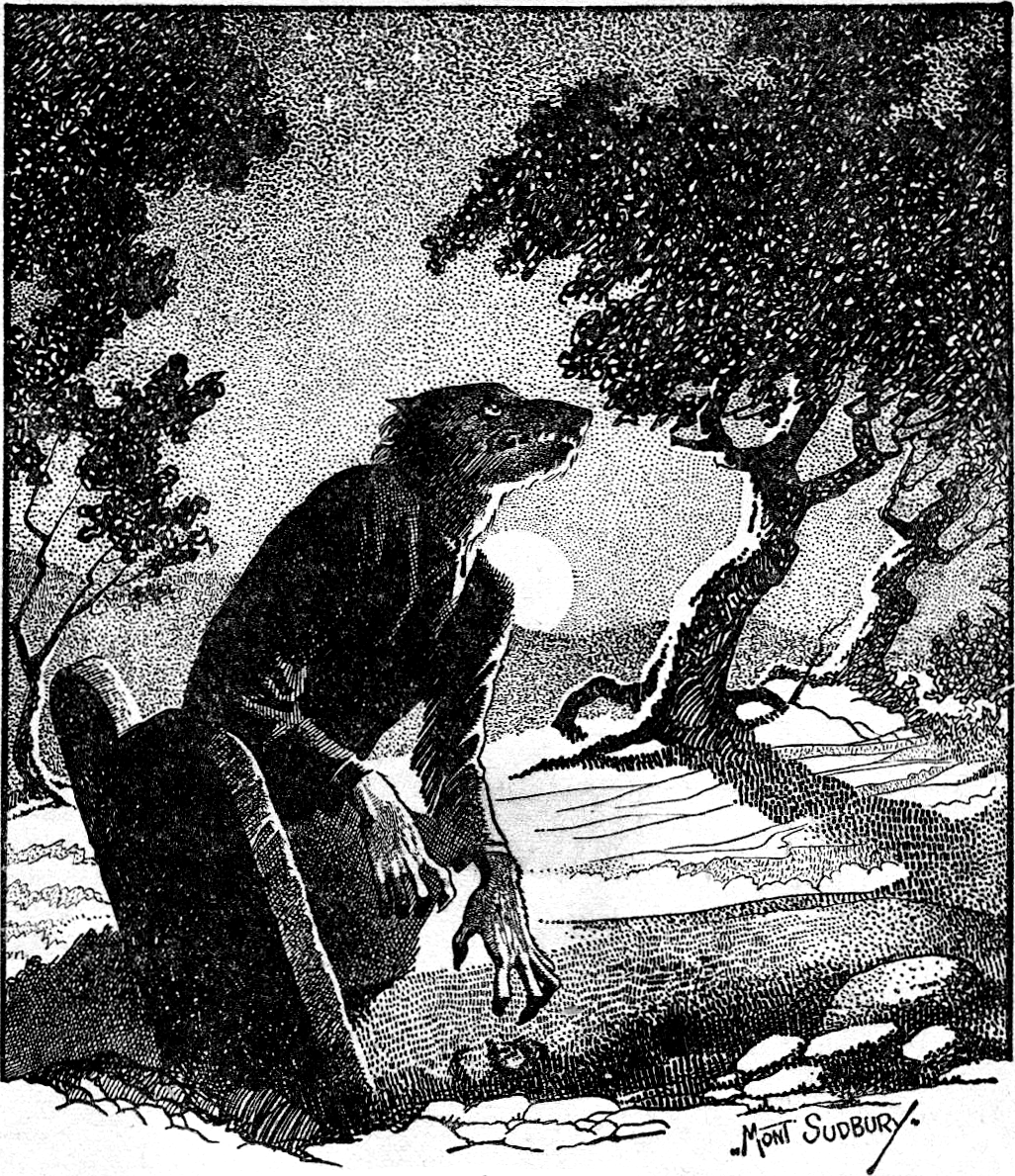 🇫🇷 France and 5 moreWerewolf
A mythical shapeshifter that turns into a wolf, central to European witch-hunts and Gothic horror.Being · Cursing and harm · Wonder and entertainment Legendary
🇫🇷 France and 5 moreWerewolf
A mythical shapeshifter that turns into a wolf, central to European witch-hunts and Gothic horror.Being · Cursing and harm · Wonder and entertainment Legendary
 🇪🇬 Egypt and 1 moreLilithלִילִית
A feminine figure from Mesopotamian and Jewish mythology, often depicted as a night demon or spirit.Being · Cursing and harm Legendary
🇪🇬 Egypt and 1 moreLilithלִילִית
A feminine figure from Mesopotamian and Jewish mythology, often depicted as a night demon or spirit.Being · Cursing and harm Legendary
 🇪🇬 EgyptCurse
A spoken wish for misfortune to befall a person or placeBelief · Cursing and harm · Luck and prosperity Historical
🇪🇬 EgyptCurse
A spoken wish for misfortune to befall a person or placeBelief · Cursing and harm · Luck and prosperity Historical