
Thiên Y A Na
A Vietnamese goddess worshipped in folk religion and Đạo Mẫu through spirit mediumship
Thiên Y A Na is a deity in the Vietnamese folk religion and Đạo Mẫu. She is widely regarded as a Vietnamized form of the Cham goddess Pô Nagar, blending indigenous beliefs with Confucian and Buddhist elements.
- Thiên Y A Na is a Vietnamized form of the Cham goddess Pô Nagar.
- She is worshipped through Lên đồng spirit mediumship rituals.
- Her myth involves manifesting from eaglewood floating on the ocean.
- Confucian influences altered her original multi-husbanded mythology.
- Major temples are located in Huế and near Nha Trang.
What it is
Thiên Y A Na is a female deity central to Vietnamese folk religion and the Đạo Mẫu tradition. She is viewed as a nurturing figure who grants blessings and protection to her followers. The worship of this goddess is particularly popular among women, who seek her aid for various aspects of their daily lives. She is often channeled during Lên đồng rituals, where spirit mediums allow her presence to manifest. Her cult has grown significantly over several centuries, establishing numerous temples and shrines across the country.
Where it comes from
The deity is widely believed to be a Vietnamized version of the Cham goddess Pô Nagar, which translates to 'Lady of the Kingdom.' As the Việt people expanded southward, they assimilated certain Cham cultural elements. This process transformed the original Cham figure into Thiên Y A Na. The Cham people themselves were influenced by Indian traditions, leading some scholars to link Pô Nagar with the Hindu goddess Bhagavati Uma. Over time, the deity was reinterpreted through a Confucian lens, altering her mythological background to fit new cultural norms.
How it is done
Worship involves complex performances led by spirit mediums during Lên đồng ceremonies. These rituals are conducted at temples and shrines dedicated to the goddess. Devotees make offerings and ask for her assistance in their personal affairs. The rituals often include attendants who support the medium in channeling the deity. Pilgrimages to sacred sites are common, allowing followers to participate in these honorific ceremonies. The practices emphasize respect and the supernatural authority of the goddess.
Tools and materials
Eaglewood is a significant material associated with the goddess's mythology. According to legend, she manifested from a piece of floating eaglewood. In ritual contexts, the focus remains on the spirit medium and the ceremonial space rather than specific physical tools. Offerings are made to the deity, but the primary instrument of worship is the medium who channels her presence. The aroma of rice is also symbolically linked to her divine aura in mythological accounts.
Thiên Y A Na, drawn and placed
- Living
- Revived
- Fading
- Historical
- Legendary
- Performed
- Lineage
- Đạo Mẫu
What it is for
Followers worship Thiên Y A Na for protection, blessings, and aid in life matters. She is seen as a powerful figure who demands respect and can punish those who show disrespect. Her nurturing nature aligns her with the earth and plant life, making her a source of fertility and prosperity. Women specifically seek her guidance and support through the rituals. The deity serves as a bridge between the human world and the spiritual realm through mediumship.
Who does it
Spirit mediums are the primary practitioners who channel Thiên Y A Na during Lên đồng rituals. The cult surrounding her is predominantly composed of women who participate in Đạo Mẫu. These mediums undergo training to facilitate the deity's manifestation. The role requires a deep understanding of the ritual performances and the ability to embody the goddess. Followers often visit temples to engage with these practitioners during ceremonies.
Peoples and places
The goddess is worshipped primarily by the Vietnamese people within the framework of folk religion and Đạo Mẫu. Her origins lie with the Cham people of central Vietnam, who originally revered Pô Nagar. The Vietnamese adaptation involved modifying the Cham deity's attributes to align with Confucian values. This cultural synthesis created a unique figure that bridges indigenous Cham beliefs and Vietnamese religious practices. The worship spans across different regions of Vietnam, reflecting this shared heritage.
At a glance: who, where and when
Who does it
Peoples
Belief worlds


What people believe
Thiên Y A Na is understood as an immortal being with supernatural powers. Mythology describes her birth from sky clouds and sea foam, manifesting as eaglewood. She is credited with creating the earth, plants, and rice. The belief system incorporates elements from Hinduism, Buddhism, and indigenous animism. Confucian influences removed references to multiple husbands and many children, recasting her as a singular, respectful figure. She is now also recognized as a Buddhist deity within the broader religious landscape.
How scholars and sceptics see it
Anthropologists study the Vietnamization of Pô Nagar as a case of cultural assimilation. Researchers examine how the Việt adapted Cham deities to fit their own societal structures. The transformation reflects historical power dynamics and religious syncretism. Scholars note the shift from a multi-husbanded goddess to a Confucian ideal of femininity. The role of mediumship in embodying national identity is also a subject of academic interest. These studies highlight the complex interplay between indigenous traditions and state-sponsored religious frameworks.
Compare and confuse
Thiên Y A Na is closely related to the Cham goddess Pô Nagar. While Pô Nagar is associated with Indian Hindu traditions, Thiên Y A Na represents a localized Vietnamese interpretation. The deity shares characteristics with other mother goddess figures in Southeast Asia. However, her specific mythos involving eaglewood and Confucian adaptation distinguishes her. The name changes reflect the linguistic and cultural shifts between Cham and Vietnamese communities.
Today
The worship of Thiên Y A Na continues to thrive in Vietnam. Temples in Huế and Nha Trang remain important centers for devotion. The practice of Lên đồng persists, with mediums channeling the goddess for contemporary followers. The cult remains largely female-dominated, preserving traditional gender roles in religious participation. Pilgrimages to her shrines are still common, indicating the enduring relevance of her worship in modern Vietnamese spiritual life.
Questions people ask about Thiên Y A Na
Who is Thiên Y A Na?
She is a Vietnamese goddess worshipped in folk religion and Đạo Mẫu, widely considered a Vietnamized version of the Cham deity Pô Nagar.
How is she worshipped?
Devotees, mostly women, worship her through Lên đồng rituals where spirit mediums channel her presence to grant blessings and protection.
What is her origin story?
Myths say she was born from sky clouds and sea foam, manifesting as eaglewood. She is credited with creating the earth and rice.
Why did her mythology change?
As the Việt assimilated Cham culture, Confucian values led to the removal of references to multiple husbands and many children.
Good reading and sources
The facts on this page come from the Wikipedia article "Thiên Y A Na", written by its contributors and used under the CC BY-SA 4.0 licence, and from its Wikidata record (CC0). EveryJaadu rewrote the text in its own words, with AI assistance, and compares every page with the article to make sure no passage is copied. It may be reused under the same CC BY-SA 4.0 licence with a link back.
It may contain mistakes. Names and customs differ from one community to the next, and some knowledge is closed to outsiders and left out here. This page describes belief and practice. It does not say that any of it works, it is not a how-to, and it is not medical advice. If something is wrong, tell us. Last refreshed 2026-10-06.
More from Vietnam
All the entries from Vietnam 🇲🇾 Malaysia and 5 morePenanggalan
A floating head with trailing organs from Malay folklore, said to hunt pregnant women and newborns.Being · Cursing and harm Legendary
🇲🇾 Malaysia and 5 morePenanggalan
A floating head with trailing organs from Malay folklore, said to hunt pregnant women and newborns.Being · Cursing and harm Legendary
 🇻🇳 Vietnam and 5 moreTếtTết Nguyên Đán
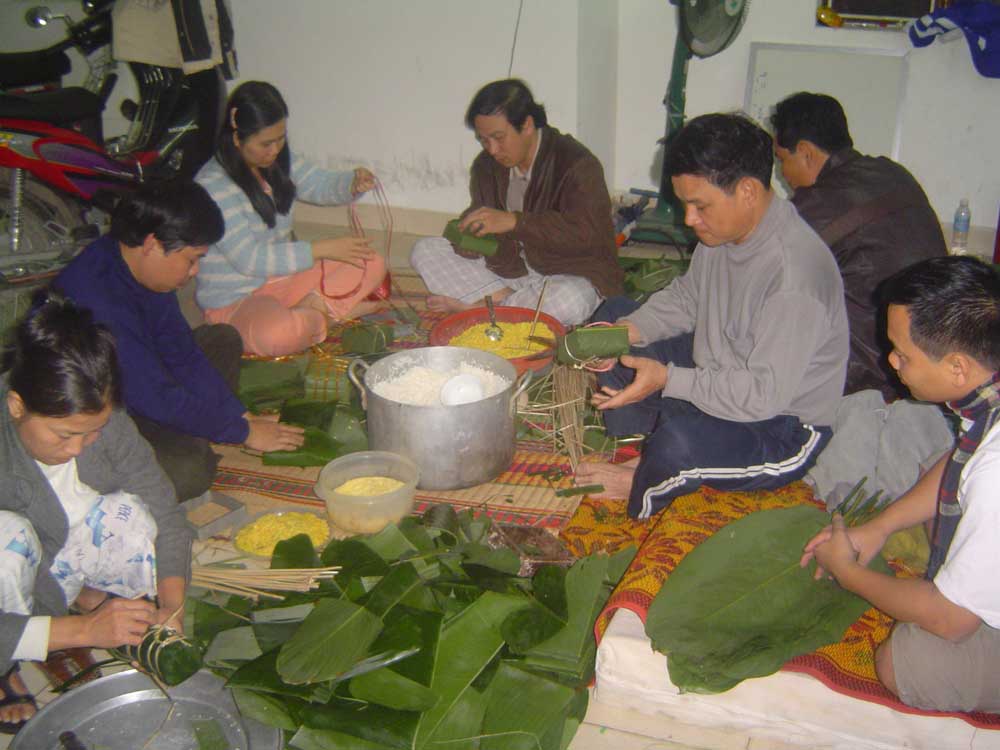
The Vietnamese lunisolar new year and the most important annual celebration in VietnamTradition · Luck and prosperity · Speaking with spirits and the dead Living
🇻🇳 Vietnam and 5 moreTếtTết Nguyên Đán
The Vietnamese lunisolar new year and the most important annual celebration in VietnamTradition · Luck and prosperity · Speaking with spirits and the dead Living
 🇹🇭 Thailand and 7 moreSpirit house
A small roofed shrine that shelters a place's protective spiritCharm · Protection Living
🇹🇭 Thailand and 7 moreSpirit house
A small roofed shrine that shelters a place's protective spiritCharm · Protection Living
 🇻🇳 Vietnam and 1 moreVietnamese folk religiontín ngưỡng dân gian Việt Nam
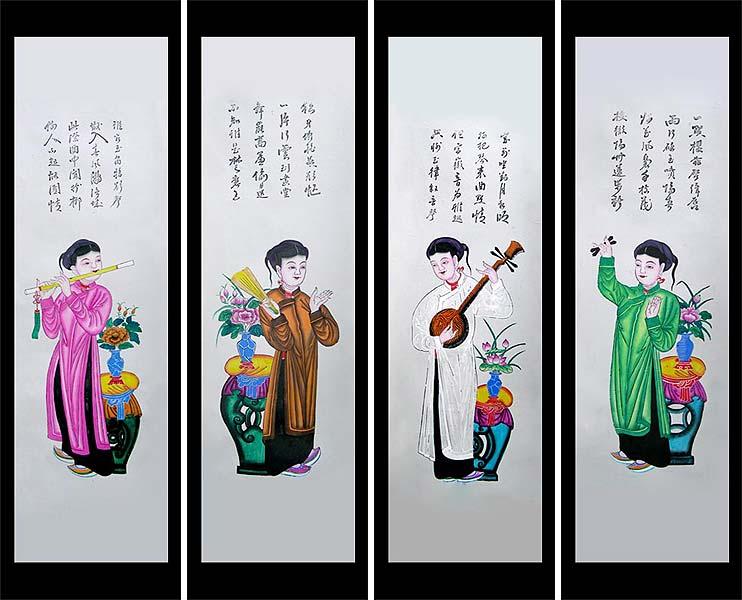
A collection of local spirit worship and ancestral veneration in VietnamTradition · Protection · Healing Living
🇻🇳 Vietnam and 1 moreVietnamese folk religiontín ngưỡng dân gian Việt Nam
A collection of local spirit worship and ancestral veneration in VietnamTradition · Protection · Healing Living
Related elsewhere
All being 🇧🇪 Belgium and 2 moreHorseshoe
A metal shoe for a horse's hoof and a talisman of good fortuneCharm · Protection · Luck and prosperity Living
🇧🇪 Belgium and 2 moreHorseshoe
A metal shoe for a horse's hoof and a talisman of good fortuneCharm · Protection · Luck and prosperity Living
 🇪🇬 Egypt and 3 moreAmulet
A portable object worn or carried to ward off harm and invite fortuneCharm · Protection · Luck and prosperity Living
🇪🇬 Egypt and 3 moreAmulet
A portable object worn or carried to ward off harm and invite fortuneCharm · Protection · Luck and prosperity Living
 🇨🇳 China and 3 moreChinese dragon龍
A legendary water deity and imperial symbol in East Asian cultureBeing · Protection · Luck and prosperity Historical
🇳🇿 New ZealandKarakia
Māori recitations used for spiritual guidance, protection, and formal greetingsTradition · Protection · Speaking with spirits and the dead Living
🇨🇳 China and 3 moreChinese dragon龍
A legendary water deity and imperial symbol in East Asian cultureBeing · Protection · Luck and prosperity Historical
🇳🇿 New ZealandKarakia
Māori recitations used for spiritual guidance, protection, and formal greetingsTradition · Protection · Speaking with spirits and the dead Living