Bloody Mary
likely from Mary I of England, known for burning Protestants
A mirror ritual to summon a spirit that reveals the future or brings harm
Bloody Mary is a ghost or witch summoned by chanting her name into a mirror. The legend originated in Anglo-Saxon culture and spread through the United States. Practitioners believe the apparition may show a future husband or bring death.
- Chanting into a mirror summons the spirit
- Historically used to predict marriage
- Mary I of England is a candidate source
- Similar to Japanese Hanako-san legend
- Troxler's fading explains visual effects
What it is
Bloody Mary is a figure from folklore who appears as a ghost, phantom, or witch. She is conjured through a specific ritual involving mirrors. The entity is believed to reveal glimpses of the future. Her nature varies across stories. Some accounts describe her as benevolent. Others portray her as malevolent or demonic. The legend is deeply rooted in Anglo-Saxon culture. It remains popular in the United States today. Participants often engage in group play to summon her.
Where it comes from
The ritual has historical roots in Anglo-Saxon traditions. Early versions involved young women walking up stairs backward. They held candles and hand mirrors in dark houses. The goal was to see their future husband's face. A skull might appear instead, signaling early death. Modern variations emerged in the late 1960s. These shifted the setting to bathrooms. The identity of Mary is debated. Candidates include Mary I of England. Others suggest Mary Worth, linked to witch trials.
How it is done
The modern ritual requires a mirror in a dim room. Participants chant the name repeatedly. Three utterances are standard, though some say forty-seven are needed. Catoptromancy is the term for this mirror divination. Groups often perform this in restrooms. The atmosphere is typically tense. Silence is maintained during the chanting. The mirror serves as the portal for the apparition.
Tools and materials
A mirror is the essential tool. It acts as a window to the spirit world. Candles provide necessary illumination. Darkness enhances the visual effect. The bathroom mirror is a common modern choice. These items create the conditions for the sighting. The reflection distorts under low light.
Bloody Mary, drawn and placed
- Living
- Revived
- Fading
- Historical
- Legendary
- Performed
- Lineage
- Anglo-Saxon folklore
- Timing
- at night in dim rooms
What it is for
The primary intent is divination. Seekers wish to foresee their future. Marriage prospects are a common focus. Some seek warnings about mortality. The ritual can also serve as entertainment. Fear is a component of the experience. Participants expect either revelation or terror. The outcome is never guaranteed.
Who does it
Households and groups perform the ritual. Young women were traditional practitioners historically. Modern participants range across ages. No formal training is required. The practice relies on personal belief. Group dynamics influence the experience. Peer pressure often drives participation.
Peoples and places
The legend belongs to Anglo-Saxon culture. It is widespread in the United States. Variations exist in other regions. Hanako-san in Japan shares similar traits. Different cultures adapt the core concept. Local names replace Bloody Mary in some areas. The fear of the unknown unites these traditions.
At a glance: who, where and when
Who does it
Peoples
Belief worlds
Occasions
What people believe
Catoptromancy operates on the belief that mirrors hold power. Spirits can cross from one side to another. The name invokes the entity. Blood symbolizes violence or sacrifice. The Grim Reaper represents inevitable death. Believers accept these signs as truth. Skeptics view it as psychological suggestion.
When it is done
The ritual is performed at any time. Nighttime is preferred for darkness. There are no fixed calendar dates. Life events like weddings trigger interest. The practice is spontaneous and informal. It does not align with religious festivals.
How scholars and sceptics see it
Anthropologists study the ritual as social play. Psychologists analyze fear responses and suggestion. The Troxler effect explains visual distortions. Scholars note the gendered history of the rite. Women were traditionally the subjects of such divination. Modern interpretations focus on horror tropes.
Cautions and what is closed
Participants may experience intense fear. Psychological distress is possible. No physical harm is intended by the ritual itself. However, panic can lead to accidents. The legend warns of soul theft. Eye scratching is a feared consequence. These are narrative elements, not medical risks.
Compare and confuse
Bloody Mary resembles Hanako-san from Japan. Both involve bathroom spirits and mirrors. Other legends feature ghostly brides. Mirror gazing is common in many cultures. The name changes but the method stays similar. Cross-cultural parallels highlight shared fears.
Questions people ask about Bloody Mary
What is Bloody Mary?
She is a ghost or witch summoned by chanting her name into a mirror. The ritual aims to reveal the future or cause fear. It originates from Anglo-Saxon folklore and is popular in the US.
How do you summon her?
Practitioners chant her name repeatedly into a mirror in a dark room. Three times is standard, though some say forty-seven. Modern versions often take place in bathrooms.
Who is Bloody Mary based on?
Debates suggest Mary I of England due to her executions. Others propose Mary Worth, linked to witch trials or slavery. The identity remains uncertain and legendary.
What happens if she appears?
Believers say she may show a future husband or a skull indicating death. Malevolent versions claim she screams, curses, or harms participants physically.
Good reading and sources
The facts on this page come from the Wikipedia article "Bloody Mary (folklore)", written by its contributors and used under the CC BY-SA 4.0 licence, and from its Wikidata record (CC0). EveryJaadu rewrote the text in its own words, with AI assistance, and compares every page with the article to make sure no passage is copied. It may be reused under the same CC BY-SA 4.0 licence with a link back.
It may contain mistakes. Names and customs differ from one community to the next, and some knowledge is closed to outsiders and left out here. This page describes belief and practice. It does not say that any of it works, it is not a how-to, and it is not medical advice. If something is wrong, tell us. Last refreshed 2026-10-06.
More from the United States
All the entries from the United States 🇺🇸 United States and 1 morePunxsutawney Phil
A groundhog who serves as the central figure in an annual American weather prediction festival.Belief · Seeing and foretelling · Wonder and entertainment Living
🇺🇸 United StatesDeliverance ministry
A Christian practice to remove evil spirits believed to cause personal afflictionRite · Cursing and harm · Cleansing and purification Living
🇺🇸 United States and 1 morePunxsutawney Phil
A groundhog who serves as the central figure in an annual American weather prediction festival.Belief · Seeing and foretelling · Wonder and entertainment Living
🇺🇸 United StatesDeliverance ministry
A Christian practice to remove evil spirits believed to cause personal afflictionRite · Cursing and harm · Cleansing and purification Living
 🇺🇸 United States and 1 moreMedicine wheel
Circular stone formations built by Indigenous peoples of North America for ceremony and astronomy.Tradition · Speaking with spirits and the dead · Power and authority Living
🇺🇸 United States and 1 moreMedicine wheel
Circular stone formations built by Indigenous peoples of North America for ceremony and astronomy.Tradition · Speaking with spirits and the dead · Power and authority Living
 🇺🇸 United StatesSalem Witch Trials
A colonial legal crisis where over two hundred people faced accusations of sorcery in Massachusetts.Belief · Cursing and harm Historical
🇺🇸 United StatesSalem Witch Trials
A colonial legal crisis where over two hundred people faced accusations of sorcery in Massachusetts.Belief · Cursing and harm Historical
Related elsewhere
All belief 🇮🇸 Iceland and 2 moreSeiðr
A Norse magic of fate and spirit, practiced by seers and sorcerers in the Viking Age.Tradition · Seeing and foretelling · Cursing and harm Revived
🇮🇸 Iceland and 2 moreSeiðr
A Norse magic of fate and spirit, practiced by seers and sorcerers in the Viking Age.Tradition · Seeing and foretelling · Cursing and harm Revived
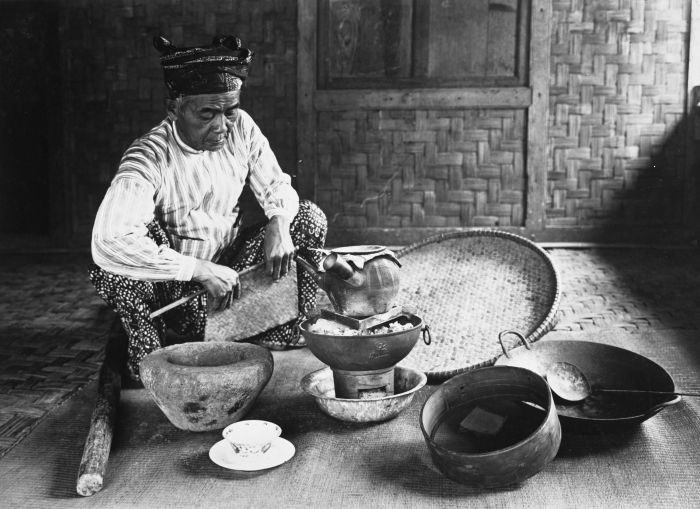 🇮🇩 Indonesia and 2 moreDukun
A traditional healer and spirit medium in Indonesian folk practiceTradition · Healing · Seeing and foretelling Living
🇮🇩 Indonesia and 2 moreDukun
A traditional healer and spirit medium in Indonesian folk practiceTradition · Healing · Seeing and foretelling Living
 🇸🇸 South Sudan and 1 moreAzande witchcraft
A Zande belief that certain people harm others by an inherited power, judged by oraclesBelief · Cursing and harm · Seeing and foretelling Living
🇸🇸 South Sudan and 1 moreAzande witchcraft
A Zande belief that certain people harm others by an inherited power, judged by oraclesBelief · Cursing and harm · Seeing and foretelling Living