
Alux
In its own language: aluxo'ob
A small Maya spirit believed to guard fields and cause mischief if offended.
An alux is a sprite from Maya mythology found in the Yucatán Peninsula, Belize, and Guatemala. These knee-high beings are said to protect crops and bring luck when respected, but they can also play dangerous tricks on those who ignore them.
- Alux are knee-high sprites from Maya mythology.
- They protect crops and summon rain for seven years.
- Farmers build small houses to call them into being.
- Offending an alux can cause illness or mischief.
- Construction sites in the Yucatán perform rituals to appease them.
What it is
The alux is a mythical creature in Maya tradition, often described as a sprite or spirit. These beings appear as miniature humans, standing only about knee-high. They wear traditional clothing and are usually invisible. However, they can take physical form to interact with people or frighten them. The Nahuatl people know similar entities as Chanekeh or Chaneque. Aluxo'ob are linked to natural spots like forests, caves, and stones. They are thought to be made from mud, leaves, and divine breath by ancient gods.
Where it comes from
Maya tradition holds that alux are the spirits of ancestors or the land itself. This view predates Western contact. Some scholars suggest the belief might have developed through interactions with Spanish colonizers or pirates in the sixteenth century. Pirates from the British Isles brought beliefs in faeries, which share similarities with alux stories. Pre-Columbian artworks show similar figures, but there is no direct proof they were alux. The word duende is sometimes used for these spirits, though it is a Spanish term for supernatural creatures.
How it is done
Farmers may build a small house on their property, usually in a maize field. This act calls an alux into being. The spirit helps the corn grow and summons rain for seven years. It patrols the fields at night, whistling to scare away predators or thieves. After seven years, the farmer must seal the windows and doors of the little house. If the alux is not sealed inside, it will run wild and play tricks on people. People also leave offerings at worksites or crossroads to avoid offending the spirits.
Tools and materials
The primary tool associated with alux is a small house built by farmers. Offerings are left to appease the spirits. Mud, leaves, and divine breath are the materials said to create them. Construction sites in the Yucatán Peninsula often hold ceremonies to prevent the spirits from causing trouble. These rituals aim to keep the alux calm and prevent them from playing harmful pranks.
Alux, drawn and placed
- Living
- Revived
- Fading
- Historical
- Legendary
- Performed
- Lineage
- Maya mythology
- Timing
- at birth or construction
What it is for
Alux are believed to protect farms and bring good luck. They watch over crops and keep thieves away. If treated with respect, they are helpful guardians. However, refusing an offering can lead to illness or havoc. They are also known for mischievous acts, such as putting out fires or throwing pots. Naming them aloud is considered bad luck, as it summons a disgruntled spirit from its home. Farmers rely on them for harvest success.
Who does it
Households and farmers are the main practitioners. A farmer builds a shrine to call an alux into service. The spirit serves for seven years before being sealed away. Construction workers also perform rituals to avoid offending the spirits. These practices are common in rural areas of Mexico, Belize, and Guatemala. The role of the alux is tied to daily life and agricultural work. Respect is key to maintaining a positive relationship with these beings.
Peoples and places
The Maya peoples of the Yucatán Peninsula, Belize, and Guatemala believe in alux. The Nahuatl people know similar spirits as Chanekeh or Chaneque. Contemporary Maya see single-story shrines in the countryside as houses for alux. The origins of these shrines are unknown. Stories say alux ask travelers for offerings. Refusal leads to harm, while compliance brings protection. The belief is deeply rooted in local folklore and agricultural traditions.
At a glance: who, where and when
Who does it
Belief worlds
Occasions
What people believe
Alux are seen as spirits of ancestors or the land. They are part of Maya mythology and are linked to nature. Some believe they originated from interactions with European pirates. Others insist they are indigenous spirits. The alux follow rules of respect and reciprocity. Offering food or goods ensures their help. Ignoring them invites mischief or illness. The belief system emphasizes harmony with the natural world and ancestral forces.
When it is done
Alux are active daily, especially in agricultural cycles. Farmers build shrines at the start of planting seasons. The spirit serves for seven years before being sealed. Ceremonies are held at construction sites to prevent trouble. There are no specific festivals mentioned, but daily interactions are common. Travelers may encounter alux at crossroads or natural sites. The spirits are always present in the landscape.
How scholars and sceptics see it
Scholars note similarities between alux and European faeries or goblins. Some suspect cultural exchange with pirates or Spanish colonizers. Pre-Columbian art shows similar figures, but direct evidence is lacking. Anthropologists study alux as part of Maya cosmology. The belief persists in modern times, with some public figures acknowledging sightings. Researchers focus on the spiritual and cultural significance rather than supernatural claims.
Cautions and what is closed
Offending an alux can cause illness or property damage. They are known for throwing objects and extinguishing fires. Construction companies perform rituals to avoid these incidents. Naming an alux aloud is discouraged, as it summons a hostile spirit. The spirits are unpredictable and require careful handling. Respecting their space and making offerings is essential to avoid trouble.
Compare and confuse
Alux are similar to leprechauns, brownies, and duendes. These sprites are all small, mischievous, and linked to nature. The Nahuatl Chaneque shares traits with alux. European faeries also resemble alux in size and behavior. The term duende is sometimes used interchangeably. Scholars debate whether these similarities stem from shared origins or cultural exchange.
Law and persecution
No specific laws regulate alux beliefs. The spirits are part of cultural heritage and folklore. Public figures have acknowledged sightings, bringing attention to the tradition. There are no legal restrictions on building shrines or performing rituals. The belief is protected as part of indigenous culture. Construction projects sometimes incorporate rituals to respect local traditions.
Questions people ask about Alux
What is an alux?
An alux is a small sprite from Maya mythology. It appears as a miniature human wearing traditional clothes. These spirits are believed to guard fields and bring luck when respected.
Where do alux come from?
Alux originate from the Maya peoples of the Yucatán Peninsula, Belize, and Guatemala. They are thought to be made from mud, leaves, and divine breath by ancient gods.
How do you deal with an alux?
Farmers build small houses to call alux into service. They serve for seven years, protecting crops. Afterward, the house is sealed. Offerings are left to keep them happy and prevent mischief.
What happens if you offend an alux?
Refusing an offering can lead to illness or havoc. Alux are known for throwing pots and putting out fires. Naming them aloud is also considered bad luck, as it summons a disgruntled spirit.
Good reading and sources
The facts on this page come from the Wikipedia article "Alux", written by its contributors and used under the CC BY-SA 4.0 licence, and from its Wikidata record (CC0). EveryJaadu rewrote the text in its own words, with AI assistance, and compares every page with the article to make sure no passage is copied. It may be reused under the same CC BY-SA 4.0 licence with a link back.
It may contain mistakes. Names and customs differ from one community to the next, and some knowledge is closed to outsiders and left out here. This page describes belief and practice. It does not say that any of it works, it is not a how-to, and it is not medical advice. If something is wrong, tell us. Last refreshed 2026-10-05.
More from Mexico
All the entries from Mexico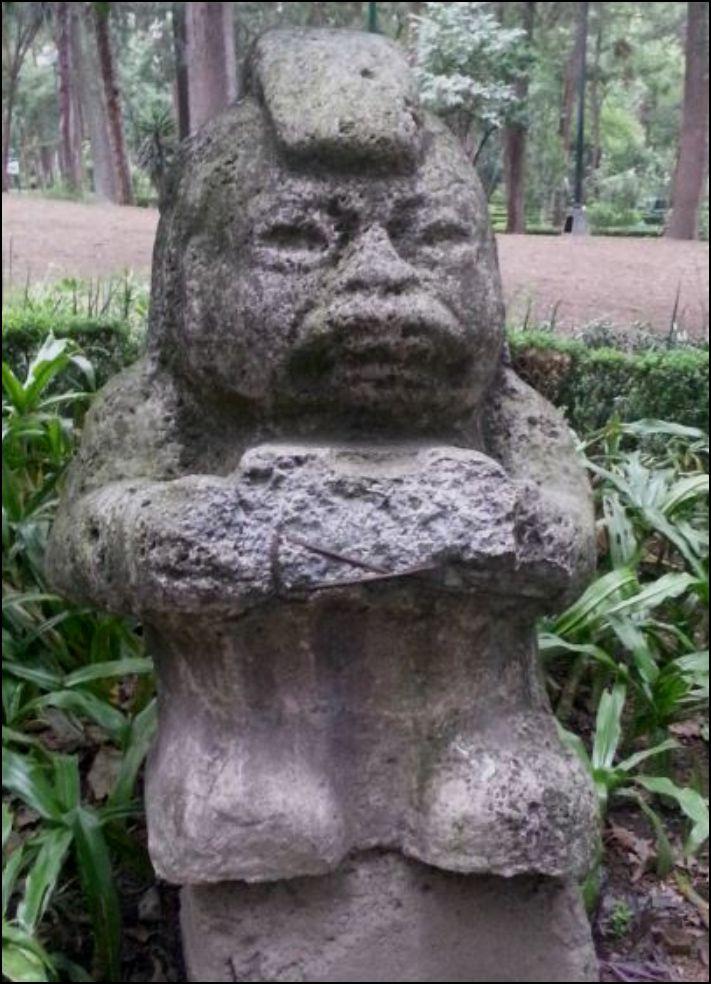 🇲🇽 MexicoChaneque
Mexican folklore sprites that guard nature and homesBeing · Protection · Cursing and harm Legendary
🇲🇽 MexicoChaneque
Mexican folklore sprites that guard nature and homesBeing · Protection · Cursing and harm Legendary
 🇵🇷 Puerto Rico and 5 moreChupacabrachupacabras
A legendary creature said to drain livestock of blood, emerging from Puerto Rico in the mid-1990sBeing · Cursing and harm Legendary
🇵🇷 Puerto Rico and 5 moreChupacabrachupacabras
A legendary creature said to drain livestock of blood, emerging from Puerto Rico in the mid-1990sBeing · Cursing and harm Legendary
 🇲🇽 Mexico and 5 moreWitchcraft in Latin AmericaBrujería
A syncretic blend of Indigenous, African, and European magical practices across Latin AmericaTradition · Protection · Healing Living
🇲🇽 Mexico and 5 moreWitchcraft in Latin AmericaBrujería
A syncretic blend of Indigenous, African, and European magical practices across Latin AmericaTradition · Protection · Healing Living
 🇲🇽 Mexico and 2 moreChild sacrifice
The ritual killing of children to appease deities or restore cosmic order in ancient culturesRite · Cursing and harm · Speaking with spirits and the dead Historical
🇲🇽 Mexico and 2 moreChild sacrifice
The ritual killing of children to appease deities or restore cosmic order in ancient culturesRite · Cursing and harm · Speaking with spirits and the dead Historical
Related elsewhere
All being 🇪🇸 Spain and 5 moreDuende
A humanoid spirit of Iberian and Latin American folklore, ranging from household pranksters to forest guardians.Being · Protection · Cursing and harm Living
🇪🇸 Spain and 5 moreDuende
A humanoid spirit of Iberian and Latin American folklore, ranging from household pranksters to forest guardians.Being · Protection · Cursing and harm Living
 🇮🇪 IrelandPúca
A shape-shifting spirit of Celtic folklore that brings fortune or mischiefBeing · Luck and prosperity · Cursing and harm Legendary
🇮🇪 IrelandPúca
A shape-shifting spirit of Celtic folklore that brings fortune or mischiefBeing · Luck and prosperity · Cursing and harm Legendary
 🇮🇳 India and 1 moreNavagrahaनवग्रह
A group of nine celestial deities in Hinduism that govern fate and astrologyTradition · Protection · Luck and prosperity Living
🇮🇳 India and 1 moreNavagrahaनवग्रह
A group of nine celestial deities in Hinduism that govern fate and astrologyTradition · Protection · Luck and prosperity Living
 🇮🇳 India and 3 moreYakshiniयक्षिणी
Some guard, some haunt: female nature spirits of Hindu, Buddhist and Jain loreBeing · Protection · Luck and prosperity Living
🇮🇳 India and 3 moreYakshiniयक्षिणी
Some guard, some haunt: female nature spirits of Hindu, Buddhist and Jain loreBeing · Protection · Luck and prosperity Living