Deipnon
In its own language: δεῖπνον
from Ancient Greek deîpnon, meaning evening meal
An ancient Athenian lunar offering to Hekate and the restless dead at the month's end.
The Deipnon is a ritual meal offered to the Titan Hekate and the spirits of the unavenged dead in Ancient Greece. It marks the last day of the lunisolar Attic calendar before the new moon begins. Practitioners believe it purifies the home and placates vengeful souls.
- Offered on the night of the new moon in Ancient Athens.
- Food includes raw eggs, garlic, leeks, onions, and fish.
- Aristophanes noted the poor snatching offerings was encouraged.
- Modern practitioners often substitute charity for animal sacrifice.
- Dropped food is considered belonging to Hekate and the dead.
What it is
The Deipnon is an evening ritual from Ancient Athens dedicated to the Titan Hekate and the restless dead. It serves as the final observance of the lunisolar Attic calendar month. The practice involves leaving food offerings at crossroads or shrines to honor Hekate and appease spirits seeking vengeance. Participants also perform acts to cleanse their homes of pollution and bad deeds incurred during the passing month.
Where it comes from
This custom originates in Ancient Greece, specifically within the culture of Athens. It is tied to the belief that Hekate leads unavenged spirits from the underworld on the night of the dark moon. The ritual marks the transition between months, occurring just before the first visible sliver of the new moon appears. This timing differs from modern astronomical calculations for the new moon phase.
How it is done
The ritual consists of three main parts: setting out a meal, performing an expiation sacrifice, and purifying the household. A meal of raw eggs, garlic, leeks, onions, and fish is placed at a shrine or crossroads after sunset. The offerer must not look back, lest they anger the spirits. If pollution is suspected, a dog may be sacrificed as a scapegoat, with its entrails read for acceptance. Finally, the home is fumigated with incense, and all ritual leftovers are deposited at the shrine.
Tools and materials
Offerings typically include raw eggs, small cakes, garlic, leeks, onions, and fish. These are placed on plates or directly into door-front shrines. Purification uses a baked clay censer filled with incense, which is carried through the house and then discarded at the crossroads. Ashes from sacrifices, waste blood, and dropped food are also considered sacred leftovers that must be removed from the living space.
Deipnon, drawn and placed
- Living
- Revived
- Fading
- Historical
- Legendary
- Performed
- Lineage
- Ancient Greek religion
- Timing
- night of the new moon
What it is for
The primary intent is to honor Hekate and placate the souls of the wrongfully killed who follow her. A secondary goal is to purify the household and atone for unintentional offenses against the goddess. By completing these rites, families seek to remove pollution and ensure Hekate’s favor, prosperity, and blessings for the coming month.
Who does it
In ancient times, any household head could perform the rites. The head of the family would conduct the divination after a sacrifice. Modern practitioners, known as Hellenic Polytheists, adapt the ritual for contemporary life. They may place offerings on home altars rather than street shrines and focus on cleaning and charity instead of animal sacrifice.
Peoples and places
The Deipnon was central to Ancient Athenian religious life. Today, it is observed by modern adherents of indigenous Athenian religion and Hellenic Polytheism. While ancient practices involved specific foods and animal sacrifice, modern versions vary. Some maintain traditional food offerings, while others use incense or donate to food banks, viewing charity as a form of keeping Hekate’s favor.
At a glance: who, where and when
Who does it
Belief worlds
Occasions
What people believe
Ancient Athenians believed Hekate held power over heaven, earth, and sea. She was thought to lead spirits of the unavenged dead up from Hades on the dark moon. Looking back at the offering was feared to cause insanity. Dropped food was considered lost to this world and gained by the spirits. Picking it up was unlucky, as it belonged to Hekate.
When it is done
The Deipnon occurs on the last day of the lunar month, specifically the night of the new moon before the first sliver is visible. It precedes the Noumenia, which celebrates the start of the new month. In ancient Athens, debts and obligations were also due on this day, marking a time to close out the old cycle and enter the new one fresh.
Questions people ask about Deipnon
What is the Deipnon?
It is an ancient Athenian ritual meal offered to Hekate and the restless dead at the end of the lunar month to honor them and purify the household.
When is it performed?
It takes place on the night of the new moon, the last day of the lunisolar Attic calendar, just before the first visible sliver of the new moon appears.
What foods are used?
Traditional offerings include raw eggs, small cakes, garlic, leeks, onions, and fish, placed at shrines or crossroads after sunset.
Why do people leave food outside?
It is believed to placate vengeful spirits led by Hekate and to honor the goddess, ensuring her favor and protection for the coming month.
Good reading and sources
The facts on this page come from the Wikipedia article "Deipnon", written by its contributors and used under the CC BY-SA 4.0 licence, and from its Wikidata record (CC0). EveryJaadu rewrote the text in its own words, with AI assistance, and compares every page with the article to make sure no passage is copied. It may be reused under the same CC BY-SA 4.0 licence with a link back.
It may contain mistakes. Names and customs differ from one community to the next, and some knowledge is closed to outsiders and left out here. This page describes belief and practice. It does not say that any of it works, it is not a how-to, and it is not medical advice. If something is wrong, tell us. Last refreshed 2026-10-05.
More from Greece
All the entries from Greece 🇪🇬 Egypt and 4 moreAnimal sacrifice
The ritual killing of livestock or wild animals as an offering to deitiesRite · Speaking with spirits and the dead · Power and authority Historical
🇪🇬 Egypt and 4 moreAnimal sacrifice
The ritual killing of livestock or wild animals as an offering to deitiesRite · Speaking with spirits and the dead · Power and authority Historical
 🇬🇷 GreeceEleusinian MysteriesἘλευσίνια Μυστήρια
Ancient Greek secret initiation rites honouring Demeter and Persephone at EleusisTradition · Change and initiation · Speaking with spirits and the dead Historical
🇬🇷 GreeceEleusinian MysteriesἘλευσίνια Μυστήρια
Ancient Greek secret initiation rites honouring Demeter and Persephone at EleusisTradition · Change and initiation · Speaking with spirits and the dead Historical
 🇪🇬 Egypt and 2 moreLibation
The ritual pouring of liquid as an offering to spirits or the deadRite · Speaking with spirits and the dead · Protection Living
🇪🇬 Egypt and 2 moreLibation
The ritual pouring of liquid as an offering to spirits or the deadRite · Speaking with spirits and the dead · Protection Living
 🇬🇷 Greece and 2 moreAstragalomancy
Divination by casting marked bones, carved rods, or numbered diceOracle · Seeing and foretelling · Speaking with spirits and the dead Living
🇬🇷 Greece and 2 moreAstragalomancy
Divination by casting marked bones, carved rods, or numbered diceOracle · Seeing and foretelling · Speaking with spirits and the dead Living
Related elsewhere
All rite 🇹🇷 Turkey and 5 moreEvil eye
A curse caused by an envious look and the charms used to block itBelief · Protection · Cursing and harm Living
🇺🇸 United StatesDeliverance ministry
A Christian practice to remove evil spirits believed to cause personal afflictionRite · Cursing and harm · Cleansing and purification Living
🇹🇷 Turkey and 5 moreEvil eye
A curse caused by an envious look and the charms used to block itBelief · Protection · Cursing and harm Living
🇺🇸 United StatesDeliverance ministry
A Christian practice to remove evil spirits believed to cause personal afflictionRite · Cursing and harm · Cleansing and purification Living
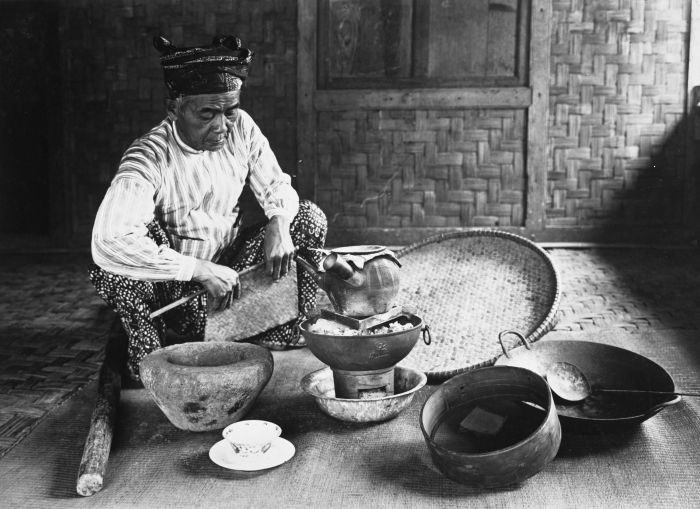 🇮🇩 Indonesia and 2 moreDukun
A traditional healer and spirit medium in Indonesian folk practiceTradition · Healing · Seeing and foretelling Living
🇮🇩 Indonesia and 2 moreDukun
A traditional healer and spirit medium in Indonesian folk practiceTradition · Healing · Seeing and foretelling Living
 🇮🇶 Iraq and 1 moreRabisu
A wind spirit in Akkadian myth sent to correct human transgressionsBeing · Cursing and harm · Cleansing and purification Historical
🇮🇶 Iraq and 1 moreRabisu
A wind spirit in Akkadian myth sent to correct human transgressionsBeing · Cursing and harm · Cleansing and purification Historical