Everyday use: practices that mark them
Small habits kept at home: the horseshoe, the salt over the shoulder, the evil-eye bead.
Everyday magic is the small habits kept at home: the horseshoe, salt over the shoulder, knocking on wood, the evil-eye bead, a lucky number, a morning prayer, the red thread, a bowl of water at the door, a charm in the car. People keep them without making much of them. This page looks at what these habits are, why they last and where they fit alongside religion and science. It is the commonest magic of all.
What it looks like
Daily practice is ordinary. In India, a lemon and chillies hang at shops, and a rangoli drawn at a doorstep welcomes luck. In Turkey, a nazar hangs near the door. In Britain, people say touch wood. In Japan, a lucky cat sits in the shop window, and in Mexico an egg may be rolled over a child. Many of these customs use cheap, available things. Many habits are older than the people who keep them, and nobody can say who started them.
Why people keep them
Researchers describe such habits as low-cost ways to cope with uncertainty. They give a feeling of control, mark boundaries and bring people together at little risk. Studies of lucky charms show they can raise confidence. Most people hold small customs with a light touch, half serious and half playful, and would not say they believe in them. Practices come in several types: some are protective, some bring luck, some help the household keep track of time and weather, and some are no more than a habit of speech.
Names, religion and class
Customs are shared across religions with different explanations. The evil eye is feared by Muslims, Christians, Jews and Hindus in the Mediterranean and beyond. Religious reformers often attack such customs, and educated people sometimes mock them as rural. Women do most of the work of keeping them going, within the home. The home is also where these customs meet money, since shops sell everything needed, and some of the items on sale are made far from their cultural homes.
Shops and screens
Ordinary habits are now a market of charms, apps, horoscopes and online readers. Small purchases are harmless, but large payments for luck or protection are a warning sign of fraud. The customs also spread online, where they can lose their origin. Whether or not they work, they remain a way people say that they care about each other. In the end, the most common magic in the world is neither dramatic nor secret, and it is practised by people who have no wish to be called magicians.
Everyday use on EveryJaadu
The entries written up so far, best known first.
 🇪🇬 Egypt and 3 moreAmulet
A portable object worn or carried to ward off harm and invite fortuneCharm · Protection · Luck and prosperity Living
🇪🇬 Egypt and 3 moreAmulet
A portable object worn or carried to ward off harm and invite fortuneCharm · Protection · Luck and prosperity Living
 🇪🇬 Egypt and 1 moreEye of Horuswḏꜣt
A stylized eye symbol in ancient Egypt representing healing and cosmic orderCharm · Protection · Healing Historical
🇪🇬 Egypt and 1 moreEye of Horuswḏꜣt
A stylized eye symbol in ancient Egypt representing healing and cosmic orderCharm · Protection · Healing Historical
 🇮🇳 India and 5 moreCowrie
A sea snail shell used as currency, divination tool, and charm across many culturesSubstance · Seeing and foretelling · Luck and prosperity Living
🇮🇳 India and 5 moreCowrie
A sea snail shell used as currency, divination tool, and charm across many culturesSubstance · Seeing and foretelling · Luck and prosperity Living
 🇮🇱 Israel and 5 moreTefillinתְּפִלִּין
Black leather boxes containing Torah scrolls, worn by Jewish men during weekday prayers.Charm · Speaking with spirits and the dead · Protection Living
🇮🇱 Israel and 5 moreTefillinתְּפִלִּין
Black leather boxes containing Torah scrolls, worn by Jewish men during weekday prayers.Charm · Speaking with spirits and the dead · Protection Living
 🇹🇭 Thailand and 3 moreThai Buddha amuletsพระเครื่อง (phrakhrueang)
Sacred Buddhist images and relics worn for protection, merit, and fortune in Thailand.Charm · Protection · Luck and prosperity Living
🇹🇭 Thailand and 3 moreThai Buddha amuletsพระเครื่อง (phrakhrueang)
Sacred Buddhist images and relics worn for protection, merit, and fortune in Thailand.Charm · Protection · Luck and prosperity Living
 🇸🇳 Senegal and 5 morePentagramπεντάγραμμον
A five-pointed star figure used across history for protection, ritual, and cosmologyCharm · Protection · Binding and oaths Living
🇸🇳 Senegal and 5 morePentagramπεντάγραμμον
A five-pointed star figure used across history for protection, ritual, and cosmologyCharm · Protection · Binding and oaths Living
 🇮🇳 India and 1 moreDiyaदीया
A small oil lamp used in prayers and festivals across the Indian subcontinentTradition · Protection · Luck and prosperity Living
🇮🇳 India and 1 moreDiyaदीया
A small oil lamp used in prayers and festivals across the Indian subcontinentTradition · Protection · Luck and prosperity Living
 🇯🇵 JapanDaruma doll達磨
A round Japanese talisman that rights itself when knocked overCharm · Luck and prosperity · Power and authority Living
🇯🇵 JapanDaruma doll達磨
A round Japanese talisman that rights itself when knocked overCharm · Luck and prosperity · Power and authority Living
 🇳🇬 Nigeria and 2 moreOpon IfáỌpọ́n Ifá
A carved wooden tray used by Yoruba diviners to read signs and consult spirits.Charm · Seeing and foretelling · Speaking with spirits and the dead Living
🇳🇬 Nigeria and 2 moreOpon IfáỌpọ́n Ifá
A carved wooden tray used by Yoruba diviners to read signs and consult spirits.Charm · Seeing and foretelling · Speaking with spirits and the dead Living
 🇮🇱 Israel and 2 moreMezuzahמְזוּזָה
A scroll of Torah verses placed in a case on Jewish doorpostsCharm · Protection · Speaking with spirits and the dead Living
🇮🇱 Israel and 2 moreMezuzahמְזוּזָה
A scroll of Torah verses placed in a case on Jewish doorpostsCharm · Protection · Speaking with spirits and the dead Living
 🇪🇬 Egypt and 5 moreHamsaخمسة
A palm-shaped amulet used across North Africa and the Middle East to ward off harm.Charm · Protection · Luck and prosperity Living
🇪🇬 Egypt and 5 moreHamsaخمسة
A palm-shaped amulet used across North Africa and the Middle East to ward off harm.Charm · Protection · Luck and prosperity Living
 🇮🇳 IndiaKautuka
A red or yellow ritual thread worn for protection in South Asian traditionsCharm · Protection Living
🇮🇳 IndiaKautuka
A red or yellow ritual thread worn for protection in South Asian traditionsCharm · Protection Living
 🇹🇭 Thailand and 7 moreSpirit house
A small roofed shrine that shelters a place's protective spiritCharm · Protection Living
🇹🇭 Thailand and 7 moreSpirit house
A small roofed shrine that shelters a place's protective spiritCharm · Protection Living
 🇳🇵 Nepal and 1 morePrayer flagLung ta
Cloth banners printed with mantras, hung in high places to spread blessings on the windCharm · Protection · Cleansing and purification Living
🇳🇵 Nepal and 1 morePrayer flagLung ta
Cloth banners printed with mantras, hung in high places to spread blessings on the windCharm · Protection · Cleansing and purification Living
 🇬🇧 United Kingdom and 3 moreJet
A black gemstone carved into amulets and mourning jewellery for centuriesCharm · Protection · Luck and prosperity Historical
🇬🇧 United Kingdom and 3 moreJet
A black gemstone carved into amulets and mourning jewellery for centuriesCharm · Protection · Luck and prosperity Historical
 🇦🇷 Argentina and 2 moreSan La Muerte
A skeletal folk saint venerated in South America for protection and favorsTradition · Protection · Healing Living
🇦🇷 Argentina and 2 moreSan La Muerte
A skeletal folk saint venerated in South America for protection and favorsTradition · Protection · Healing Living
 🇫🇷 France and 3 moreReliquary
A container for sacred remains or objects, crafted across many faithsCharm · Protection · Speaking with spirits and the dead Living
🇫🇷 France and 3 moreReliquary
A container for sacred remains or objects, crafted across many faithsCharm · Protection · Speaking with spirits and the dead Living
 🇮🇹 Italy and 5 moreRelic
An object or body part kept to honor a holy person and mark their connection to the divineCharm · Protection · Healing Living
🇮🇹 Italy and 5 moreRelic
An object or body part kept to honor a holy person and mark their connection to the divineCharm · Protection · Healing Living
 🇮🇳 India and 2 moreYantraयन्त्र
A geometric diagram from Indian traditions used for worship and meditationTradition · Protection · Speaking with spirits and the dead Living
🇮🇳 India and 2 moreYantraयन्त्र
A geometric diagram from Indian traditions used for worship and meditationTradition · Protection · Speaking with spirits and the dead Living
 🇮🇳 India and 1 moreHeliotrope
A green and red mineral stone used as an amulet for health, invisibility, and courage.Charm · Protection · Healing Historical
🇮🇳 India and 1 moreHeliotrope
A green and red mineral stone used as an amulet for health, invisibility, and courage.Charm · Protection · Healing Historical
 🇯🇵 JapanOfudaお札/御札 (ofuda)
Paper and wooden talismans from Japanese Shinto shrines and Buddhist templesCharm · Protection · Cleansing and purification Living
🇯🇵 JapanOfudaお札/御札 (ofuda)
Paper and wooden talismans from Japanese Shinto shrines and Buddhist templesCharm · Protection · Cleansing and purification Living
 🇳🇵 Nepal and 1 moreMani stone
Carved stones inscribed with Buddhist mantras, placed as offerings along paths in the Himalayas.Charm · Protection · Speaking with spirits and the dead Living
🇫🇷 FrancePlanchette
A wooden device for automatic writing used in Victorian spiritualist séancesCharm · Speaking with spirits and the dead · Seeing and foretelling Historical
🇳🇵 Nepal and 1 moreMani stone
Carved stones inscribed with Buddhist mantras, placed as offerings along paths in the Himalayas.Charm · Protection · Speaking with spirits and the dead Living
🇫🇷 FrancePlanchette
A wooden device for automatic writing used in Victorian spiritualist séancesCharm · Speaking with spirits and the dead · Seeing and foretelling Historical
 🇬🇧 United Kingdom and 5 moreConcealed shoes
Shoes hidden in building structures as folk charms for protection and fertilityCharm · Protection · Speaking with spirits and the dead Historical
🇬🇧 United Kingdom and 5 moreConcealed shoes
Shoes hidden in building structures as folk charms for protection and fertilityCharm · Protection · Speaking with spirits and the dead Historical
 🇮🇳 IndiaUnicorn horn
A legendary object believed to neutralize poison and cure disease, traded as narwhal teeth for centuries.Charm · Healing · Protection Historical
🇮🇳 IndiaUnicorn horn
A legendary object believed to neutralize poison and cure disease, traded as narwhal teeth for centuries.Charm · Healing · Protection Historical
 🇬🇧 United Kingdom and 2 moreAdder stone
A naturally perforated stone used as a protective talisman in European folkloreCharm · Protection · Luck and prosperity Historical
🇬🇧 United KingdomEvil eye bead (sample)Nazar boncuğu
A blue glass bead hung to turn aside envy.Charm · Protection Living
🇹🇷 TurkeyHamsa (sample)Khamsa
An open hand with an eye, hung on doors.Charm · Protection · Luck and prosperity Living
🇬🇧 United Kingdom and 2 moreAdder stone
A naturally perforated stone used as a protective talisman in European folkloreCharm · Protection · Luck and prosperity Historical
🇬🇧 United KingdomEvil eye bead (sample)Nazar boncuğu
A blue glass bead hung to turn aside envy.Charm · Protection Living
🇹🇷 TurkeyHamsa (sample)Khamsa
An open hand with an eye, hung on doors.Charm · Protection · Luck and prosperity Living
 🇯🇵 JapanTeru teru bōzuてるてる坊主
A white paper doll hung outside to ask for sunny weatherCharm · Luck and prosperity Living
🇯🇵 JapanTeru teru bōzuてるてる坊主
A white paper doll hung outside to ask for sunny weatherCharm · Luck and prosperity Living
 🇮🇹 Italy and 2 moreBulla
A round Roman amulet given to freeborn boys as a mark of status and protectionCharm · Protection · Luck and prosperity Historical
🇮🇹 Italy and 2 moreBulla
A round Roman amulet given to freeborn boys as a mark of status and protectionCharm · Protection · Luck and prosperity Historical
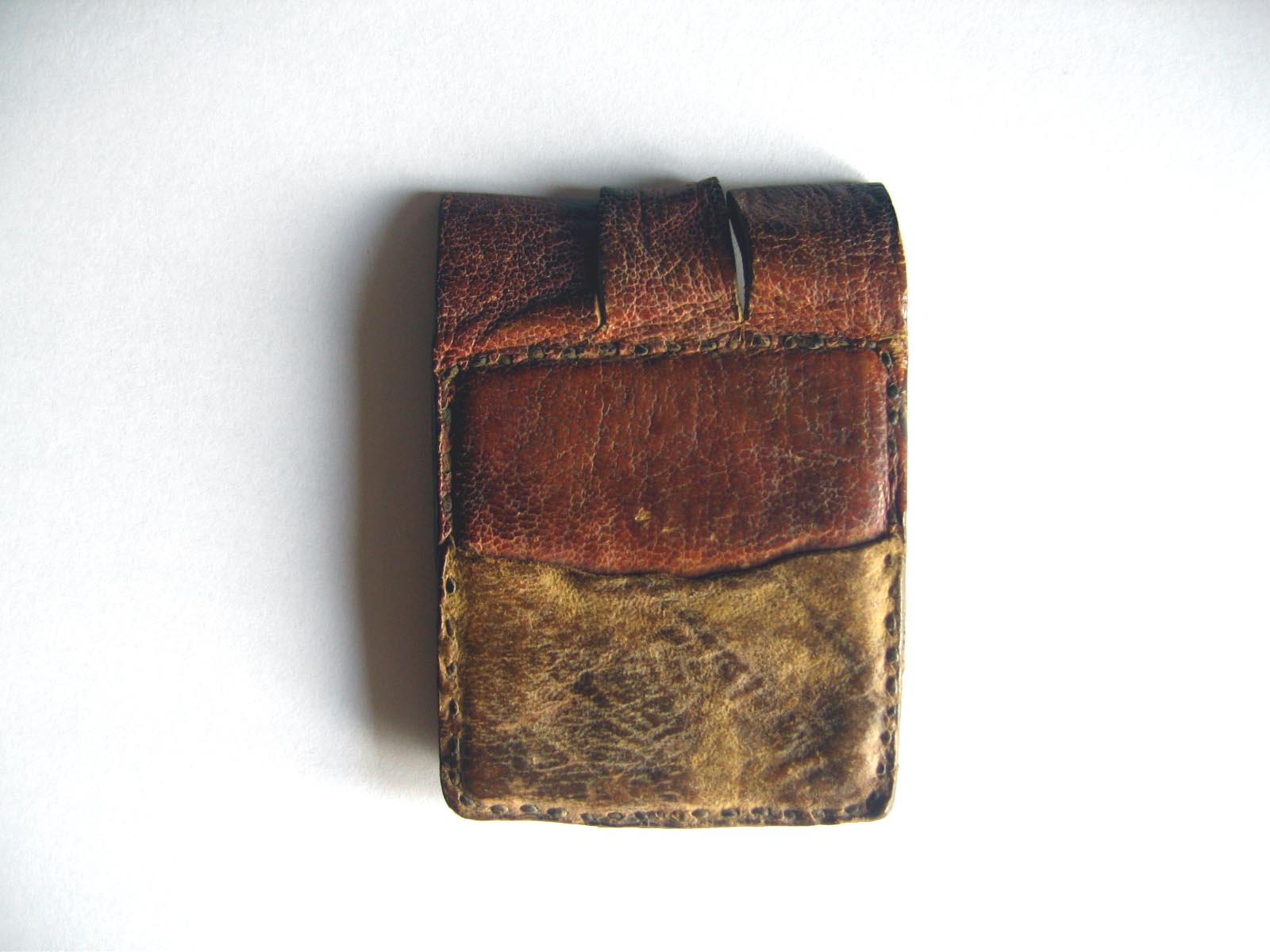 🇲🇱 Mali and 3 moreGris-gris
A small pouch or charm from West Africa used for protection and luck.Charm · Protection · Luck and prosperity Living
🇪🇬 Egypt and 5 moreAmulet
A portable object worn or carried to ward off harm and invite protection.Charm · Protection · Healing Living
🇮🇩 IndonesiaIndonesian numismatic charmUang Gobog
Coin-like amulets from Indonesia used for protection and ritual offerings.Charm · Protection · Luck and prosperity Living
🇲🇱 Mali and 3 moreGris-gris
A small pouch or charm from West Africa used for protection and luck.Charm · Protection · Luck and prosperity Living
🇪🇬 Egypt and 5 moreAmulet
A portable object worn or carried to ward off harm and invite protection.Charm · Protection · Healing Living
🇮🇩 IndonesiaIndonesian numismatic charmUang Gobog
Coin-like amulets from Indonesia used for protection and ritual offerings.Charm · Protection · Luck and prosperity Living
 🇨🇳 China and 1 moreTaoist coin charm道教品壓生錢
Chinese and Vietnamese numismatic charms used for protection and feng shuiCharm · Protection · Cursing and harm Historical
🇮🇱 IsraelSegulaסגולה
A Jewish charm or ritual believed to bring protection, healing, or blessings.Charm · Protection · Healing Living
🇨🇳 China and 1 moreTaoist coin charm道教品壓生錢
Chinese and Vietnamese numismatic charms used for protection and feng shuiCharm · Protection · Cursing and harm Historical
🇮🇱 IsraelSegulaסגולה
A Jewish charm or ritual believed to bring protection, healing, or blessings.Charm · Protection · Healing Living
Photo credits on this page
The small pictures above come from Wikimedia Commons under free licences. Some are cropped to fit.
- Thai Buddha amulets: User:Mattes, Public domain, source
- Eye of Horus: Tangopaso, Public domain, source
- Cowrie: NOAA (Photo Collection of Dr. James P. McVey, NOAA Sea Grant Program), Public domain, source
- Tefillin: Brooklyn Museum, CC BY 3.0, source
- Teru teru bōzu: Novaric at English Wikipedia, CC BY-SA 3.0, source
- Gris-gris: Teogomez, CC BY-SA 3.0, source
- Jet: Thmsfrst, Public domain, source
- Amulet: Anonymous ( Egypt ) Unknown author, Public domain, source
- Bulla: Anonymous ( Category:Etruscans ) Unknown author, Public domain, source
- San La Muerte: Sergio Serrano, CC BY-SA 2.0, source
- Reliquary: Attributed to Jean de Toul, also written Jehan de Touyl in one source, CC0, source
- Relic: MathieuGuy, CC BY-SA 3.0, source
- Yantra: Photo by Daniel Conrad (Chromacon), artwork by Daniel Conrad under dir, Public domain, source
- Heliotrope: Ra'ike (see also: de:Benutzer:Ra'ike ), CC BY-SA 3.0, source
- Ofuda: 教派研究 (Sectarian research), CC BY-SA 3.0, source
- Mani stone: John Hill, CC BY-SA 4.0, source
- Concealed shoes: Edmund Patrick, CC BY-SA 3.0, source
- Unicorn horn: Unknown author, CC BY 4.0, source
- Adder stone: Ansgar Koreng, CC BY-SA 3.0 de, source
- Pentagram: Tomruen, Attribution, source
- Diya: Suyash Dwivedi, CC BY-SA 4.0, source
- Daruma doll: Crisco 1492, Public domain, source
- Opon Ifá: Unknown author, CC BY 3.0, source
- Mezuzah: Adrian Grycuk, CC BY-SA 3.0 pl, source
- Hamsa: Kritzolina, CC BY-SA 4.0, source
- Kautuka: Aditya.Asopa, CC BY-SA 4.0, source
- Spirit house: Chainwit., CC BY-SA 4.0, source
- Taoist coin charm: Etnografiska Museet, CC BY 2.5, source
- Prayer flag: Wotan, CC BY 2.5, source