
Suzu
In its own language: 鈴
from the Japanese word for bell or tin
A hollow Japanese bell with inner pellets, used in Shinto rites and shrines.
Suzu are round, hollow bells from Japan that contain pellets to produce sound. They are central to Shinto practice, where they are rung to call spirits and repel harm. The term distinguishes these small shrine bells from larger Buddhist temple bells known as kane.
What it is
The suzu is a traditional Japanese bell characterized by its round, hollow shape and internal pellets. When shaken, these pellets strike the sides to create a coarse, rolling sound. While similar in form to jingle bells, the materials used give it a distinct acoustic quality. In Japanese religious classification, suzu are defined as small bells. This distinguishes them from larger bells called kane, which are associated with Buddhist temples rather than Shinto shrines. The object serves as a functional tool for ritual communication and spiritual protection within Japanese folk practice.
Where it comes from
Historically, suzu were crafted by skilled metal artisans using traditional methods. The onset of industrialization introduced machine production, though hand-made versions remain valued for their richer and more melodious tone. The cultural significance of the bell extends into architecture and court life. In Edo Castle, a large corridor leading to the shogun's private quarters was named Osuzu Rōka, or the large corridor of the bells. This name derived from the practice of ringing suzu to announce the shogun's entrance, marking the object's role in signaling authority and presence beyond the shrine.
How it is done
At Shinto shrines, large suzu are often draped over entrances. Practitioners ring these bells to invite kami, the spirits of nature and ancestors, into the space. This action is believed to grant positive power and authority while simultaneously repelling evil influences. During specific ceremonies, performers may use handheld clustered suzu. In some rituals, female dancers perform with bells attached to short blades at their center, integrating the sound into movement. The clear ringing is also culturally appreciated as a refreshing auditory experience during the summer heat.
Tools and materials
The primary tool is the suzu itself, constructed from metal with a hollow interior containing loose pellets. Sizes vary significantly, ranging from tiny charms worn for good luck to massive bells fixed at shrine gates. The pellets inside are essential for the instrument's function, creating the characteristic rattling noise when agitated. Materials and craftsmanship influence the sound quality, with artisanal bells preferred for their superior tonal depth compared to mass-produced counterparts.
Suzu, drawn and placed
- Living
- Revived
- Fading
- Historical
- Legendary
- Performed
- Lineage
- Shinto tradition
- Timing
- during ceremonies and at shrine entrances
What it is for
The suzu is used to facilitate contact with kami and to establish a protected sacred space. Ringing the bell at a shrine entrance is said to allow the practitioner to acquire positive power and authority. It also serves a protective function by repelling evil forces. Beyond the shrine, smaller suzu are incorporated into omamori, or good luck charms, carried by individuals for personal protection. The sound is also viewed psychologically as cooling air-conditioning, providing a sense of refreshment during hot weather.
Who does it
Shinto priests and ritual specialists oversee the use of suzu in formal shrine settings. Female performers may also utilize the bells in ceremonial dances, particularly those involving bells attached to blades. The craft of making suzu was traditionally the domain of metal artisans, who valued the acoustic properties of hand-forged pieces. While machines now produce many bells, the human touch remains associated with higher quality and better sound.
Peoples and places
The suzu is deeply embedded in Japanese culture and Shinto practice. It is found in shrines across Japan, where it marks the boundary between the profane and the sacred. The term suzu also appears in Japanese names, such as the surname Suzuki, which means bell tree. This linguistic connection reflects the cultural prominence of the bell. The distinction between suzu and kane highlights the separation between Shinto and Buddhist traditions in Japan, with each religion claiming different sizes and types of bells for their respective ceremonies.
At a glance: who, where and when
Who does it
Peoples
Belief worlds
Occasions


What people believe
Shinto belief holds that the sound of the suzu calls kami to the location. The ringing is not merely decorative but acts as a summons for spiritual presence. The spirits are thought to respond to the noise, allowing humans to interact with them. The bell also has apotropaic qualities, meaning it is believed to ward off negative entities. The clear, cool sound is associated with purity and refreshment, reinforcing the idea that the suzu cleanses the environment of impurity and evil.
When it is done
Suzu are used in daily shrine activities and specific seasonal ceremonies. Large bells at entrances are rung regularly to maintain the sacred atmosphere. Handheld suzu are employed during festivals and ritual dances, often performed by women. The sound is particularly noted in summer, where it is considered a psychological relief from the heat. The timing of the ringing coincides with the arrival of visitors or the start of formal rites, marking transitions in the sacred space.
Questions people ask about Suzu
Where does Suzu come from?
As our sources describe it, Suzu belongs to Japan. Communities differ in what they call it and how they keep it.
What kind of thing is Suzu?
As our sources describe it, Suzu belongs with the charm entries in a guide to magic. What it is believed to do depends on who is speaking, and scholars read it differently from those who practise it.
Is Suzu still practised?
Our sources place Suzu among the entries that are living. Practised today by communities who hold it as their own.
Which peoples keep Suzu?
As our sources describe it, Suzu is kept by Japanese. Others now know it too, often in changed forms.
Good reading and sources
- Suzu (bell) on WikipediaEncyclopedia
- More photos on Wikimedia CommonsPhotos and video
- Wikidata recordOpen data
The facts on this page come from the Wikipedia article "Suzu (bell)", written by its contributors and used under the CC BY-SA 4.0 licence, and from its Wikidata record (CC0). EveryJaadu rewrote the text in its own words, with AI assistance, and compares every page with the article to make sure no passage is copied. It may be reused under the same CC BY-SA 4.0 licence with a link back.
It may contain mistakes. Names and customs differ from one community to the next, and some knowledge is closed to outsiders and left out here. This page describes belief and practice. It does not say that any of it works, it is not a how-to, and it is not medical advice. If something is wrong, tell us. Last refreshed 2026-10-08.
More from Japan
All the entries from Japan 🇯🇵 JapanOfudaお札/御札 (ofuda)
Paper and wooden talismans from Japanese Shinto shrines and Buddhist templesCharm · Protection · Cleansing and purification Living
🇯🇵 JapanOfudaお札/御札 (ofuda)
Paper and wooden talismans from Japanese Shinto shrines and Buddhist templesCharm · Protection · Cleansing and purification Living
 🇨🇳 China and 1 moreFulu符籙
Taoist talismans with cryptic symbols used for healing and protectionCharm · Healing · Protection Living
🇨🇳 China and 1 moreFulu符籙
Taoist talismans with cryptic symbols used for healing and protectionCharm · Healing · Protection Living
 🇯🇵 JapanOmamori御守/お守り
Japanese amulets from shrines and temples for luck and protectionCharm · Protection · Luck and prosperity Living
🇯🇵 JapanOmamori御守/お守り
Japanese amulets from shrines and temples for luck and protectionCharm · Protection · Luck and prosperity Living
 🇨🇳 China and 5 moreChinese guardian lions石獅 (shíshī)
Stone lion pairs placed at entrances to ward off harm and welcome fortuneCharm · Protection · Luck and prosperity Living
🇨🇳 China and 5 moreChinese guardian lions石獅 (shíshī)
Stone lion pairs placed at entrances to ward off harm and welcome fortuneCharm · Protection · Luck and prosperity Living
Related elsewhere
All charm 🇪🇬 Egypt and 4 moreAnimal sacrifice
The ritual killing of livestock or wild animals as an offering to deitiesRite · Speaking with spirits and the dead · Power and authority Historical
🇪🇬 Egypt and 4 moreAnimal sacrifice
The ritual killing of livestock or wild animals as an offering to deitiesRite · Speaking with spirits and the dead · Power and authority Historical
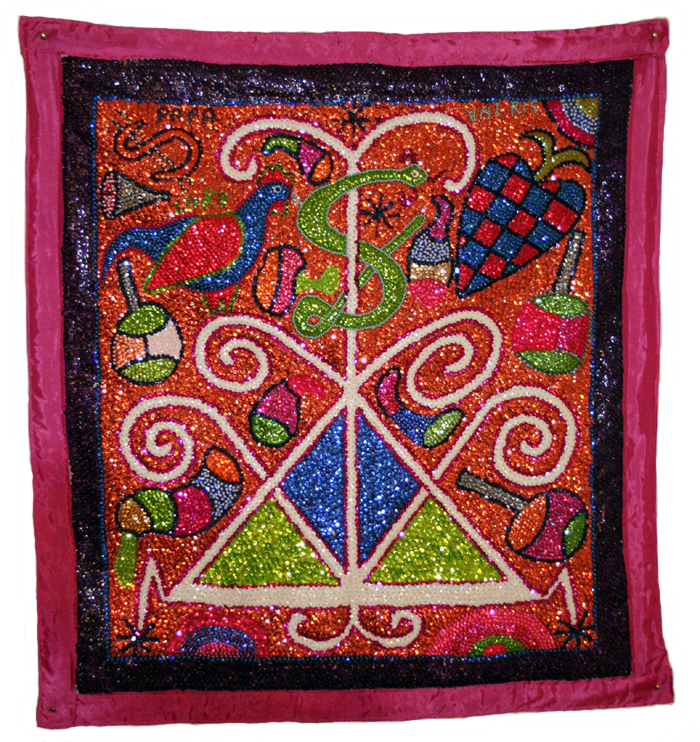 🇭🇹 Haiti and 2 moreHaitian VodouVodou
An Afro-Haitian religion blending West African traditions with Catholicism and FreemasonryTradition · Protection · Healing Living
🇭🇹 Haiti and 2 moreHaitian VodouVodou
An Afro-Haitian religion blending West African traditions with Catholicism and FreemasonryTradition · Protection · Healing Living
 🇮🇶 Iraq and 5 moreGrimoire
A textbook containing instructions for spells, rituals, and the creation of magical objects.Text · Protection · Healing Historical
🇮🇶 Iraq and 5 moreGrimoire
A textbook containing instructions for spells, rituals, and the creation of magical objects.Text · Protection · Healing Historical
 🇮🇳 India and 2 moreYantraयन्त्र
A geometric diagram from Indian traditions used for worship and meditationTradition · Protection · Speaking with spirits and the dead Living
🇮🇳 India and 2 moreYantraयन्त्र
A geometric diagram from Indian traditions used for worship and meditationTradition · Protection · Speaking with spirits and the dead Living