
Mirrors in Mesoamerican culture
from Nahuatl tēzcatl, meaning mirror or eye
Reflective stones used for divination and elite status across ancient Mexico and Central America
Mesoamerican mirrors were polished stones that served as divinatory tools and symbols of power. They were believed to be portals to other realms and were closely linked to water, fire, and the sun.
- Pyrite mirrors degraded to rust-like residues
- Mirrors symbolized the sun and water
- Elite-only access in Maya society
- Used for divination and status display
- Traded from Guatemala to Costa Rica
What it is
Mirrors in Mesoamerica were polished stone discs that functioned as both practical objects and sacred conduits. They were not personal grooming items but rather instruments for seeing into unseen worlds. Artisans crafted them from materials like pyrite, obsidian, and iron ore. These reflective surfaces were viewed as metaphors for sacred caves and pools of water. They also symbolized fiery hearths and the sun itself. The bright surface of a mirror was thought to connect the physical world with supernatural forces. Deities and otherworldly beings were believed to possess their own mirrors on the far side of these earthly objects.
Where it comes from
The use of stone mirrors dates back to the Preclassic period, before the rise of the Olmec civilization. Early examples from around 1400 BC were made from single pieces of iron ore. The Olmecs developed concave mirrors capable of focusing sunlight to start fires. By the Classic period, artisans created mosaic mirrors using small tiles of pyrite. This technique allowed for larger and more durable surfaces. Production centers emerged in places like Teotihuacan and the Maya highlands. Mirrors spread through trade networks, reaching sites as far south as Costa Rica.
How it is done
Divination involved gazing into the reflective surface of a mirror or a bowl of water. This practice, known as scrying, was formalized by the Maya priesthood. It continued traditions from earlier shamanistic practices. Priests and elites used mirrors to reveal destinies and communicate with spirits. The act of looking into the mirror was a ritual performance. In art, mirrors are often shown being held by servants or mounted on stands before rulers. Water-filled bowls served as mirrors for divination well into modern times.
Tools and materials
Artisans used various stones to create mirrors. Pyrite mosaics were common in the Classic period but degraded over time. Obsidian became popular in the Postclassic era. Iron ore mirrors included hematite and magnetite. Jade beads were often placed alongside mirrors in burials. Backings were made of slate, sandstone, or ceramic. Some mirrors had wooden or bone frames. Adhesives glued polygonal pieces to the backs. Cinnabar, a red mineral, sometimes coated the mirrors.
Mirrors in Mesoamerican culture, drawn and placed
- Living
- Revived
- Fading
- Historical
- Legendary
- Performed
- Lineage
- Mesoamerican tradition
- Timing
- burials and rituals
What it is for
Mirrors were primarily used for divination and revealing fate. They also signified elite status and political power. Only the aristocracy and royalty could access them. In burials, mirrors were placed near the head or chest of the deceased. They were part of ritual caches and offerings. Mirrors helped priests interpret the will of the gods. They were also associated with fertility and life cycles through links to butterflies and flowers.
Who does it
Skilled artisans dedicated to mirror-making likely belonged to the aristocracy. Priests and shamans used mirrors for ritual scrying. The Maya priesthood formalized divinatory practices. Elite individuals owned mirrors as status symbols. Servants or dwarfs in art are depicted holding mirrors for rulers. The production of mirrors was a specialized craft. High-status artisans may have been members of royal families.
Peoples and places
The Olmecs pioneered early stone mirrors. The Maya refined mosaic techniques and integrated mirrors into their script. Aztecs and Toltecs used turquoise mirrors to represent the sun. Purépecha diviners used water mirrors at the time of Spanish contact. The Huichol people still associate mirrors with spider webs. Production centers in the Guatemalan Highlands supplied the Maya lowlands. Mirrors traveled long distances through trade routes.
At a glance: who, where and when
Belief worlds
Occasions


What people believe
Mirrors were seen as portals to non-interactive realms. They represented the surface of water and the face of the sun. The Nahuatl word tēzcatl meant both mirror and eye. Maya phrases linked the pupil to the mirror of the face. Jaguar eyes inspired the association between mirrors and sight. Spiders and their webs were connected to mirror surfaces. Mirrors symbolized the circular nature of the world in central Mexico.
When it is done
Mirrors appear in burial contexts throughout the year. They were part of daily elite life and ritual ceremonies. Divination could occur at any time based on need. Water mirrors remained in use for seasonal or crisis-related rites.
How scholars and sceptics see it
Archaeologists identify pyrite mirror backs as paint palettes due to degradation. Researchers note the link between mirrors and elite status. Studies show mirrors were traded extensively across Mesoamerica. Scholars analyze glyphs on mirror backs to understand their meaning. The connection between mirrors and water imagery is widely recognized in art history.
Cautions and what is closed
Pyrite mirrors degrade, leaving stains that confuse identification. The restricted use of mirrors by elites limits general knowledge. Sacred aspects of mirrors are closed to outsiders.
Compare and confuse
Mirrors are similar to water bowls used for scrying. They differ from cosmetic mirrors found in other cultures. The concept of the mirror-eye appears in many indigenous traditions. Spider web associations are unique to certain Mesoamerican groups.
Today
Modern descendants like the Huichol maintain symbolic links to mirrors. Water divination continues in some communities. Archaeological finds keep the history alive in museums.
Questions people ask about Mirrors in Mesoamerican culture
What were Mesoamerican mirrors made of?
They were crafted from polished stones like pyrite, obsidian, and iron ore. Artisans often created mosaic surfaces using small tiles of these minerals.
How were mirrors used for divination?
Priests and elites gazed into the reflective surface to see visions or communicate with spirits. Water-filled bowls also served as mirrors for this purpose.
Who could own mirrors in ancient times?
Mirrors were restricted to the elite class. Only aristocrats, royalty, and high-status artisans possessed or produced them.
What do mirrors symbolize in Mesoamerican culture?
They represent portals to other worlds, the sun, water, and sacred caves. They also symbolize the eye and spiritual sight.
Where were mirrors found in burials?
They were placed near the head, chest, back, groin, or feet of the deceased. Some were laid on the tomb floor away from the body.
Good reading and sources
The facts on this page come from the Wikipedia article "Mirrors in Mesoamerican culture", written by its contributors and used under the CC BY-SA 4.0 licence, and from its Wikidata record (CC0). EveryJaadu rewrote the text in its own words, with AI assistance, and compares every page with the article to make sure no passage is copied. It may be reused under the same CC BY-SA 4.0 licence with a link back.
It may contain mistakes. Names and customs differ from one community to the next, and some knowledge is closed to outsiders and left out here. This page describes belief and practice. It does not say that any of it works, it is not a how-to, and it is not medical advice. If something is wrong, tell us. Last refreshed 2026-10-14.
More from Mexico
All the entries from Mexico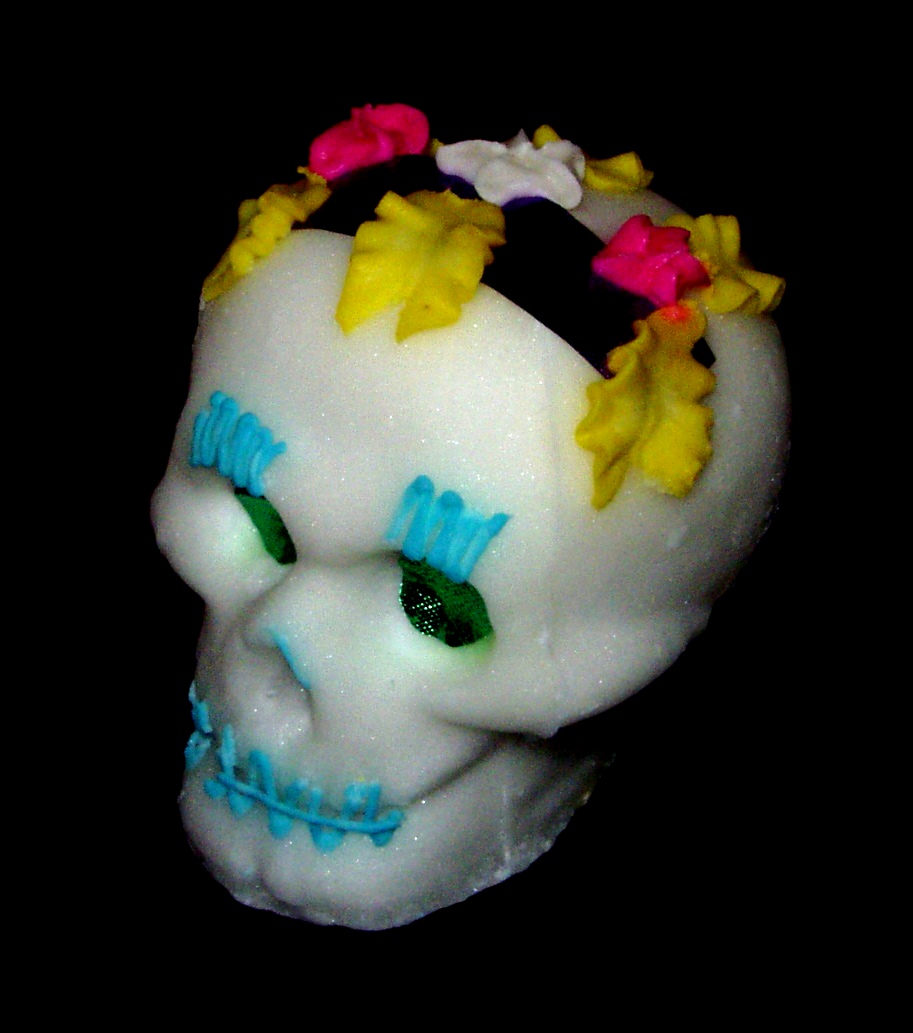 🇲🇽 MexicoCalavera
A sugar or clay skull used in Mexican Day of the Dead celebrations.Charm · Speaking with spirits and the dead · Luck and prosperity Living
🇲🇽 MexicoCalavera
A sugar or clay skull used in Mexican Day of the Dead celebrations.Charm · Speaking with spirits and the dead · Luck and prosperity Living
 🇲🇽 Mexico and 3 moreFolk saint
Unofficially recognized holy figures venerated by local communities for intercession and miraclesBelief · Protection · Healing Living
🇲🇽 Mexico and 3 moreFolk saint
Unofficially recognized holy figures venerated by local communities for intercession and miraclesBelief · Protection · Healing Living
 🇲🇽 Mexico and 5 moreWitchcraft in Latin AmericaBrujería
A syncretic blend of Indigenous, African, and European magical practices across Latin AmericaTradition · Protection · Healing Living
🇲🇽 Mexico and 5 moreWitchcraft in Latin AmericaBrujería
A syncretic blend of Indigenous, African, and European magical practices across Latin AmericaTradition · Protection · Healing Living
 🇲🇽 MexicoNagualnāhualli
A Mesoamerican belief in humans who shapeshift into animal counterparts.Belief · Power and authority · Cursing and harm Living
🇲🇽 MexicoNagualnāhualli
A Mesoamerican belief in humans who shapeshift into animal counterparts.Belief · Power and authority · Cursing and harm Living
Related elsewhere
All charm 🇮🇶 Iraq and 4 moreAstrology
A system of divination that links human affairs to the positions of celestial bodiesTradition · Seeing and foretelling · Luck and prosperity Living
🇮🇶 Iraq and 4 moreAstrology
A system of divination that links human affairs to the positions of celestial bodiesTradition · Seeing and foretelling · Luck and prosperity Living
 🇫🇷 France and 2 moreKing ArthurBrenin Arthur
A legendary British king and folk hero of medieval literature and Welsh mythologyFigure · Power and authority · Wonder and entertainment Legendary
🇫🇷 France and 2 moreKing ArthurBrenin Arthur
A legendary British king and folk hero of medieval literature and Welsh mythologyFigure · Power and authority · Wonder and entertainment Legendary
 🇸🇪 Sweden and 2 moreGermanic seeressvǫlva
Diviners and sorceresses of early Germanic and Norse societyTradition · Seeing and foretelling · Power and authority Revived
🇸🇪 Sweden and 2 moreGermanic seeressvǫlva
Diviners and sorceresses of early Germanic and Norse societyTradition · Seeing and foretelling · Power and authority Revived
 🇪🇸 Spain and 5 moreAlfonso X of Castileel Sabio
A medieval king who sponsored astronomical tables and translated works on magic and astrology.Text · Power and authority · Seeing and foretelling Historical
🇪🇸 Spain and 5 moreAlfonso X of Castileel Sabio
A medieval king who sponsored astronomical tables and translated works on magic and astrology.Text · Power and authority · Seeing and foretelling Historical