
Holy Chalice
In its own language: Santo Cáliz
from Latin calix, meaning cup or drinking vessel
A cup believed to have held the blood of Jesus at the Last Supper
The Holy Chalice is a Christian relic identified as the vessel used by Jesus during the Last Supper. It is central to the Eucharist and later merged with Arthurian legend as the Holy Grail. The most famous claimant is an agate cup kept in Valencia, Spain.
- The Valencia chalice is made of dark red agate mounted on chalcedony.
- Robert de Boron linked the biblical cup to the Arthurian Holy Grail.
- Pope Benedict XVI called the Valencia chalice 'this most famous chalice'.
- The Genoa dish is green glass, not the emerald medieval sources claimed.
- The Antioch object is likely a standing lamp, not a drinking cup.
What it is
The Holy Chalice is a sacred object venerated in Christianity as the cup Jesus used at the Last Supper. This event, recorded in the Gospels, established the practice of sharing wine as a symbol of his blood. The chalice is not just a historical artifact but a spiritual focus for believers. Over time, it became intertwined with medieval literature, specifically the legend of the Holy Grail. While the Bible mentions the cup, it does not describe its physical appearance or assign special power to the object itself. The reverence stems from its connection to the founding ritual of the faith.
Where it comes from
The concept of the Holy Chalice emerged from early Christian writings about the Last Supper. By the sixth century, pilgrims in Jerusalem reported seeing relics claimed to be the original cup. In the twelfth century, the writer Robert de Boron linked this biblical cup to the magical Grail of Arthurian tales. This fusion created a powerful narrative where the chalice was carried by Joseph of Arimathea to Europe. Several artifacts across Europe claimed this lineage, each supported by local traditions and medieval inventories rather than verifiable history.
How it is done
The chalice is displayed in a consecrated chapel within a cathedral. Pilgrims visit to view the object and pray. Priests use replicas or other vessels for the Eucharist, while the relic remains stationary. The Valencia chalice has been used in Mass by popes on specific occasions. These events serve as public affirmations of faith. The object is treated with extreme care, stored securely, and presented only during significant religious gatherings or for scholarly examination.
Tools and materials
The primary candidate in Valencia is a dark red agate cup. It features a knobbed stem and curved handles attached to a chalcedony base. The total height is roughly seventeen centimeters. The Genoa relic is a hexagonal green glass dish. Other candidates include silver-gilt lamps and wooden mazer bowls. These materials were chosen for their durability and perceived beauty. The agate suggests Levantine or Egyptian origins, while the glass points to Islamic craftsmanship. Each item carries symbolic weight through its construction.
Holy Chalice, drawn and placed
- Living
- Revived
- Fading
- Historical
- Legendary
- Performed
- Lineage
- Christian relic tradition
- Timing
- during Mass and pilgrimages
What it is for
Believers view the chalice as a tangible link to Jesus. It serves as a witness to his presence on Earth. For many, it offers comfort and a sense of continuity with the apostolic age. The relic supports the theology of the Eucharist by providing a physical anchor for the ritual. It is also a focal point for pilgrimage tourism.
Who does it
The care of the relic falls to the clergy of the hosting cathedral. Bishops and priests oversee its preservation and display. Popes have celebrated Mass near it, acknowledging its status. Scholars and historians examine the artifacts to determine their age and origin. The faithful act as observers and worshippers. There is no specialized guild of chalice keepers; responsibility lies with the institutional church. The object requires constant monitoring to prevent damage or theft.
Peoples and places
The tradition is strongest in Spain, particularly in Valencia. The Genoese also maintained a strong claim with their Sacro Catino. Early Christian communities in Jerusalem and Egypt contributed to the initial relic narratives. Medieval European courts embraced the Grail connection, spreading the idea across France and England. Modern interest is global, driven by both religious devotion and historical curiosity. Different cultures interpret the chalice through their own theological and literary lenses.
At a glance: who, where and when
Peoples
Belief worlds
Occasions

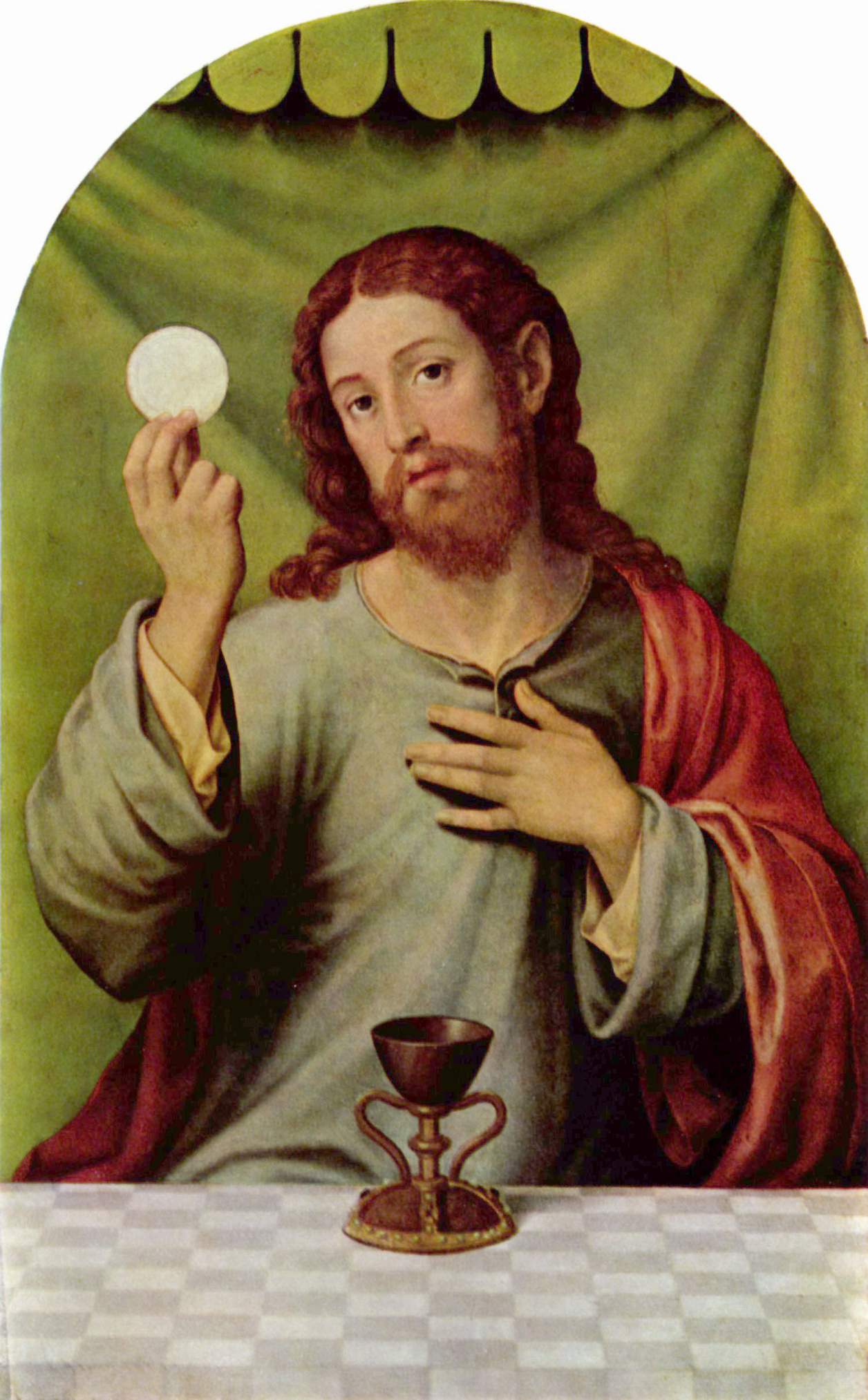


What people believe
Christians believe the chalice sanctifies the Eucharist by its direct contact with Jesus. The relic is seen as a vessel of grace, though not inherently magical. The Holy Grail legend adds supernatural elements, suggesting the cup could provide eternal life or divine wisdom. These stories reflect a desire for physical proof of divine presence. Skeptics view the claims as pious fabrications designed to boost church authority. The belief persists because it reinforces the reality of the Incarnation.
When it is done
The chalice is relevant every time the Eucharist is celebrated. Specific feasts and papal visits highlight its importance. The World Meeting of Families in 2006 featured Pope Benedict XVI using the Valencia chalice. National holidays in Spain often involve processions or displays. The liturgical calendar does not mandate a specific day for the relic, but major ecclesiastical events provide opportunities for veneration.
How scholars and sceptics see it
Historians note that no reliable tradition identifies the actual cup. Experts date the Valencia agate to between the second century BC and first century AD. The Genoa dish is identified as ninth-century Islamic glass. The Antioch object is likely a lamp, not a cup. Scholars emphasize the difference between historical fact and devotional legend. They study how medieval writers conflated biblical accounts with folklore.
Cautions and what is closed
Relics are targets for theft and forgery. The Genoa dish was damaged when moved by Napoleon. Claims of miraculous powers can lead to exploitation. Some modern books propose wild theories about the chalice's journey. Fraudulent relics have appeared throughout history. The church warns against superstition, insisting the object is holy due to association, not intrinsic magic. Pilgrims are advised to respect the site and follow official guidelines.
Compare and confuse
The Holy Chalice is often confused with the Holy Grail of fiction. While related, the Grail includes elements like the Spear of Destiny and other artifacts. The Sacro Catino in Genoa was once thought to be an emerald. The Nanteos Cup in Wales was believed to heal illness. These comparisons show how different cultures adapt the core idea of a sacred vessel to local needs and materials.
Questions people ask about Holy Chalice
What is the Holy Chalice?
It is a Christian relic believed to be the cup Jesus used at the Last Supper. It is central to the Eucharist and later associated with the Holy Grail legend. The most famous claimant is in Valencia, Spain.
Where did the Holy Chalice originate?
The concept originates from the Gospel accounts of the Last Supper. Relic traditions began in Jerusalem by the sixth century. The idea spread to Europe through medieval literature and pilgrim accounts.
Is the Holy Chalice the same as the Holy Grail?
They are now closely linked. Medieval writers like Robert de Boron connected the biblical cup to the magical Grail of Arthurian tales. This fusion made the chalice a subject of romance and legend.
Which artifact is the real Holy Chalice?
No single artifact is proven to be authentic. The Valencia agate cup is the most widely accepted claimant. Other candidates exist in Genoa, León, and New York, but scholars doubt their identity.
Why is the Holy Chalice important?
It provides a physical connection to Jesus for believers. It validates the Eucharist ritual. The relic inspires devotion and pilgrimage. Its literary association with the Grail adds cultural significance.
Good reading and sources
- Crowds flock to Spanish church after holy grail claimThe Guardian, Article
- Is this the home of the Holy Grail?BBC, Article
- Holy Chalice on WikipediaEncyclopedia
- More photos on Wikimedia CommonsPhotos and video
- Wikidata recordOpen data
The facts on this page come from the Wikipedia article "Holy Chalice", written by its contributors and used under the CC BY-SA 4.0 licence, and from its Wikidata record (CC0). EveryJaadu rewrote the text in its own words, with AI assistance, and compares every page with the article to make sure no passage is copied. It may be reused under the same CC BY-SA 4.0 licence with a link back.
It may contain mistakes. Names and customs differ from one community to the next, and some knowledge is closed to outsiders and left out here. This page describes belief and practice. It does not say that any of it works, it is not a how-to, and it is not medical advice. If something is wrong, tell us. Last refreshed 2026-10-08.
More from Spain
All the entries from Spain 🇬🇧 United Kingdom and 3 moreJet
A black gemstone carved into amulets and mourning jewellery for centuriesCharm · Protection · Luck and prosperity Historical
🇬🇧 United Kingdom and 3 moreJet
A black gemstone carved into amulets and mourning jewellery for centuriesCharm · Protection · Luck and prosperity Historical
 🇮🇹 Italy and 5 moreRelic
An object or body part kept to honor a holy person and mark their connection to the divineCharm · Protection · Healing Living
🇮🇹 Italy and 5 moreRelic
An object or body part kept to honor a holy person and mark their connection to the divineCharm · Protection · Healing Living
 🇩🇪 Germany and 5 moreWitch trials in the Holy Roman Empire
A wave of executions across Central Europe between the fifteenth and eighteenth centuries.Belief · Cursing and harm Historical
🇩🇪 Germany and 5 moreWitch trials in the Holy Roman Empire
A wave of executions across Central Europe between the fifteenth and eighteenth centuries.Belief · Cursing and harm Historical
 🇮🇹 Italy and 5 morePrecious coral
A marine skeleton harvested for jewelry and worn as a protective charm in several culturesSubstance · Protection · Healing Living
🇮🇹 Italy and 5 morePrecious coral
A marine skeleton harvested for jewelry and worn as a protective charm in several culturesSubstance · Protection · Healing Living
Related elsewhere
All charm 🇭🇹 Haiti and 2 moreHaitian VodouVodou
An Afro-Haitian religion blending West African traditions with Catholicism and FreemasonryTradition · Protection · Healing Living
🇭🇹 Haiti and 2 moreHaitian VodouVodou
An Afro-Haitian religion blending West African traditions with Catholicism and FreemasonryTradition · Protection · Healing Living
 🇳🇵 Nepal and 1 moreMatsyendranathMacchindranāth, Mīnanātha
A yogi and rain deity revered across Hindu and Buddhist traditions in South Asia.Figure · Speaking with spirits and the dead · Power and authority Living
🇳🇵 Nepal and 1 moreMatsyendranathMacchindranāth, Mīnanātha
A yogi and rain deity revered across Hindu and Buddhist traditions in South Asia.Figure · Speaking with spirits and the dead · Power and authority Living
 🇮🇳 India and 1 moreMantraमन्त्रम्
A sacred sound or phrase repeated to focus the mind and invoke spiritual powerText · Speaking with spirits and the dead · Power and authority Living
🇮🇳 India and 1 moreMantraमन्त्रम्
A sacred sound or phrase repeated to focus the mind and invoke spiritual powerText · Speaking with spirits and the dead · Power and authority Living
 🇮🇳 India and 1 moreAmritaअमृत (Sanskrit)
A Sanskrit concept of immortality and the nectar that grants it across Indian religionsBelief · Healing · Power and authority Living
🇮🇳 India and 1 moreAmritaअमृत (Sanskrit)
A Sanskrit concept of immortality and the nectar that grants it across Indian religionsBelief · Healing · Power and authority Living