Everyday use: practices that mark them
Small habits kept at home: the horseshoe, the salt over the shoulder, the evil-eye bead.
Everyday magic is the small habits kept at home: the horseshoe, salt over the shoulder, knocking on wood, the evil-eye bead, a lucky number, a morning prayer, the red thread, a bowl of water at the door, a charm in the car. People keep them without making much of them. This page looks at what these habits are, why they last and where they fit alongside religion and science. It is the commonest magic of all.
What it looks like
Daily practice is ordinary. In India, a lemon and chillies hang at shops, and a rangoli drawn at a doorstep welcomes luck. In Turkey, a nazar hangs near the door. In Britain, people say touch wood. In Japan, a lucky cat sits in the shop window, and in Mexico an egg may be rolled over a child. Many of these customs use cheap, available things. Many habits are older than the people who keep them, and nobody can say who started them.
Why people keep them
Researchers describe such habits as low-cost ways to cope with uncertainty. They give a feeling of control, mark boundaries and bring people together at little risk. Studies of lucky charms show they can raise confidence. Most people hold small customs with a light touch, half serious and half playful, and would not say they believe in them. Practices come in several types: some are protective, some bring luck, some help the household keep track of time and weather, and some are no more than a habit of speech.
Names, religion and class
Customs are shared across religions with different explanations. The evil eye is feared by Muslims, Christians, Jews and Hindus in the Mediterranean and beyond. Religious reformers often attack such customs, and educated people sometimes mock them as rural. Women do most of the work of keeping them going, within the home. The home is also where these customs meet money, since shops sell everything needed, and some of the items on sale are made far from their cultural homes.
Shops and screens
Ordinary habits are now a market of charms, apps, horoscopes and online readers. Small purchases are harmless, but large payments for luck or protection are a warning sign of fraud. The customs also spread online, where they can lose their origin. Whether or not they work, they remain a way people say that they care about each other. In the end, the most common magic in the world is neither dramatic nor secret, and it is practised by people who have no wish to be called magicians.
Everyday use on EveryJaadu
The entries written up so far, best known first.
 🇪🇬 Egypt and 2 moreAmunjmn (Old/Middle Egyptian); Amoun (Coptic)
The hidden creator god of ancient Egypt, later fused with the sun deity Ra.Being · Power and authority · Protection Historical
🇪🇬 Egypt and 2 moreAmunjmn (Old/Middle Egyptian); Amoun (Coptic)
The hidden creator god of ancient Egypt, later fused with the sun deity Ra.Being · Power and authority · Protection Historical
 🇮🇩 IndonesiaNyi Roro KidulRatu Laut Selatan
The spirit queen of Java's southern coast and guardian of the Indian OceanBeing · Protection · Cursing and harm Living
🇮🇩 IndonesiaNyi Roro KidulRatu Laut Selatan
The spirit queen of Java's southern coast and guardian of the Indian OceanBeing · Protection · Cursing and harm Living
 🇨🇳 China and 5 moreGuanyin觀音 (Guānyīn)
The Bodhisattva of compassion, worshipped across East Asia as a listener to human sufferingBeing · Protection · Healing Living
🇨🇳 China and 5 moreGuanyin觀音 (Guānyīn)
The Bodhisattva of compassion, worshipped across East Asia as a listener to human sufferingBeing · Protection · Healing Living
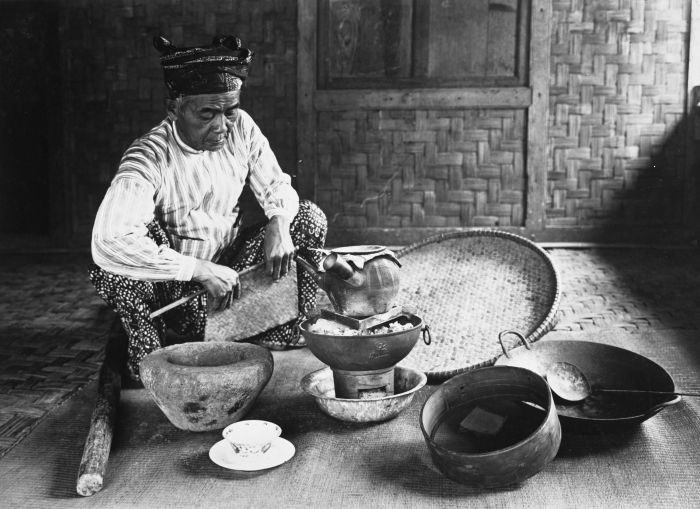 🇮🇩 Indonesia and 2 moreDukun
A traditional healer and spirit medium in Indonesian folk practiceTradition · Healing · Seeing and foretelling Living
🇮🇩 Indonesia and 2 moreDukun
A traditional healer and spirit medium in Indonesian folk practiceTradition · Healing · Seeing and foretelling Living
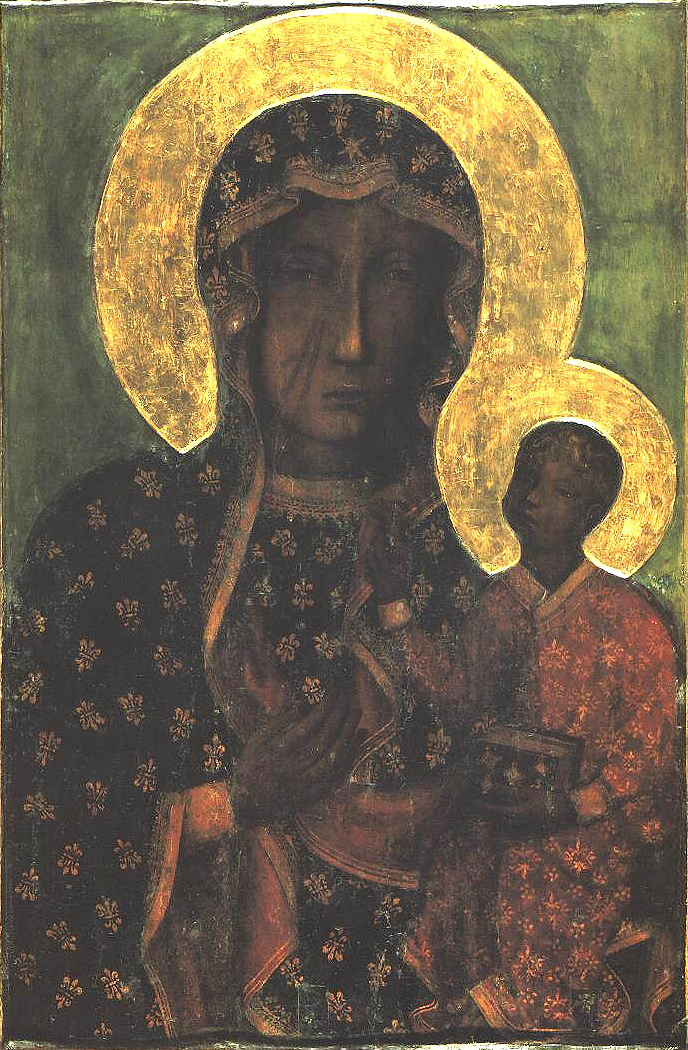 🇭🇹 HaitiErzulieÈzili
A family of spirits in Haitian Vodou representing love, beauty, and protective fury.Being · Protection · Love and attraction Living
🇷🇸 Serbia and 1 moreDrekavacДрекавац
A South Slavic night creature born from unbaptised souls or sinnersBeing · Cursing and harm Legendary
🇭🇹 HaitiErzulieÈzili
A family of spirits in Haitian Vodou representing love, beauty, and protective fury.Being · Protection · Love and attraction Living
🇷🇸 Serbia and 1 moreDrekavacДрекавац
A South Slavic night creature born from unbaptised souls or sinnersBeing · Cursing and harm Legendary
 🇧🇷 Brazil and 2 moreMapinguari
A hairy Amazonian monster with a belly mouth and backwards feetBeing · Cursing and harm Legendary
🇧🇷 Brazil and 2 moreMapinguari
A hairy Amazonian monster with a belly mouth and backwards feetBeing · Cursing and harm Legendary
 🇩🇪 GermanyAlp
A Germanic spirit that presses on sleepers and drinks milkBeing · Cursing and harm · Luck and prosperity Historical
🇮🇳 IndiaAlakshmiदेवी अलक्ष्मी
A Hindu goddess of misfortune and the shadow opposite to LakshmiBeing · Cursing and harm Living
🇩🇪 GermanyAlp
A Germanic spirit that presses on sleepers and drinks milkBeing · Cursing and harm · Luck and prosperity Historical
🇮🇳 IndiaAlakshmiदेवी अलक्ष्मी
A Hindu goddess of misfortune and the shadow opposite to LakshmiBeing · Cursing and harm Living
 🇭🇹 Haiti and 1 moreEzili DantorÈzili Dantò
A fierce mother spirit in Haitian Vodou who protects the marginalized and demands loyalty.Being · Protection · Love and attraction Living
🇭🇹 Haiti and 1 moreEzili DantorÈzili Dantò
A fierce mother spirit in Haitian Vodou who protects the marginalized and demands loyalty.Being · Protection · Love and attraction Living
 🇯🇵 JapanBaku獏
A Japanese spirit said to eat bad dreams and protect sleepersBeing · Protection Living
🇮🇷 Iran and 2 moreHaoma
A divine plant and spirit in Zoroastrianism, linked to healing and ancient rituals.Substance · Healing · Speaking with spirits and the dead Living
🇯🇵 JapanBaku獏
A Japanese spirit said to eat bad dreams and protect sleepersBeing · Protection Living
🇮🇷 Iran and 2 moreHaoma
A divine plant and spirit in Zoroastrianism, linked to healing and ancient rituals.Substance · Healing · Speaking with spirits and the dead Living
 🇮🇳 India and 1 moreLakshmiलक्ष्मी
A Hindu goddess of wealth, prosperity, and beauty, worshipped as the consort of Vishnu.Being · Luck and prosperity · Power and authority Living
🇧🇯 Benin and 2 morePapa Legba
A loa who stands at the crossroads and opens the gate between people and spiritsBeing · Speaking with spirits and the dead · Power and authority Living
🇮🇳 India and 1 moreLakshmiलक्ष्मी
A Hindu goddess of wealth, prosperity, and beauty, worshipped as the consort of Vishnu.Being · Luck and prosperity · Power and authority Living
🇧🇯 Benin and 2 morePapa Legba
A loa who stands at the crossroads and opens the gate between people and spiritsBeing · Speaking with spirits and the dead · Power and authority Living
 🇲🇽 Mexico and 2 moreAluxaluxo'ob
A small Maya spirit believed to guard fields and cause mischief if offended.Being · Protection · Luck and prosperity Living
🇬🇧 United Kingdom and 1 moreKnocker
A mine spirit of Cornwall and Devon that warns of danger and plays tricks on workersBeing · Protection · Luck and prosperity Historical
🇲🇽 Mexico and 2 moreAluxaluxo'ob
A small Maya spirit believed to guard fields and cause mischief if offended.Being · Protection · Luck and prosperity Living
🇬🇧 United Kingdom and 1 moreKnocker
A mine spirit of Cornwall and Devon that warns of danger and plays tricks on workersBeing · Protection · Luck and prosperity Historical
 🇵🇪 Peru and 5 morePachamama
The Andean mother goddess of space-time and the earthBeing · Protection · Healing Living
🇵🇪 Peru and 5 morePachamama
The Andean mother goddess of space-time and the earthBeing · Protection · Healing Living
 🇭🇹 Haiti and 2 moreLwa
Spirits in Haitian Vodou that mediate between people and the creator god.Being · Protection · Healing Living
🇭🇹 Haiti and 2 moreLwa
Spirits in Haitian Vodou that mediate between people and the creator god.Being · Protection · Healing Living
 🇺🇸 United States and 5 moreNight hag
A supernatural being believed to sit on sleepers and cause paralysisBeing · Cursing and harm Legendary
🇺🇸 United States and 5 moreNight hag
A supernatural being believed to sit on sleepers and cause paralysisBeing · Cursing and harm Legendary
 🇷🇺 Russia and 4 moreLady MiddayPoludnitsa
A Slavic noon spirit who watches over fields and punishes those who work during the hottest hours.Being · Cursing and harm · Protection Historical
🇬🇧 United KingdomBlack dog
A spectral hound from English folklore that signals death or guards the living.Being · Cursing and harm · Protection Legendary
🇷🇺 Russia and 4 moreLady MiddayPoludnitsa
A Slavic noon spirit who watches over fields and punishes those who work during the hottest hours.Being · Cursing and harm · Protection Historical
🇬🇧 United KingdomBlack dog
A spectral hound from English folklore that signals death or guards the living.Being · Cursing and harm · Protection Legendary
 🇬🇧 United KingdomBrowniebrùnaidh
A nocturnal household spirit from Scottish folklore that performs chores in exchange for offerings.Being · Protection · Luck and prosperity Legendary
🇯🇵 JapanZashiki-warashi座敷童子
A parlor spirit from northern Japan that brings fortune or ruin to a household.Being · Luck and prosperity · Protection Living
🇬🇧 United KingdomBrowniebrùnaidh
A nocturnal household spirit from Scottish folklore that performs chores in exchange for offerings.Being · Protection · Luck and prosperity Legendary
🇯🇵 JapanZashiki-warashi座敷童子
A parlor spirit from northern Japan that brings fortune or ruin to a household.Being · Luck and prosperity · Protection Living
 🇮🇪 Ireland and 1 moreAos Sí
Supernatural beings of Irish and Scottish folklore, said to dwell in mounds and influence the human world.Being · Protection · Cursing and harm Living
🇮🇪 Ireland and 1 moreAos Sí
Supernatural beings of Irish and Scottish folklore, said to dwell in mounds and influence the human world.Being · Protection · Cursing and harm Living
 🇯🇵 JapanTsukumogami付喪神
Household objects that gain a spirit after reaching their hundredth year in Japanese folklore.Being · Cursing and harm Historical
🇯🇵 JapanTsukumogami付喪神
Household objects that gain a spirit after reaching their hundredth year in Japanese folklore.Being · Cursing and harm Historical
 🇵🇭 PhilippinesAswang
A shape-shifting monster from Philippine folklore that preys on humans.Being · Cursing and harm Legendary
🇵🇭 PhilippinesAswang
A shape-shifting monster from Philippine folklore that preys on humans.Being · Cursing and harm Legendary
 🇬🇷 Greece and 1 moreHecateἙκάτη
A Greek goddess of magic, crossroads, and the moon, often shown in three forms.Being · Protection · Power and authority Historical
🇬🇷 Greece and 1 moreHecateἙκάτη
A Greek goddess of magic, crossroads, and the moon, often shown in three forms.Being · Protection · Power and authority Historical
 🇳🇬 Nigeria and 5 moreOgunÒgún
A West African deity of iron, war and metalworking found in Yoruba and diaspora traditionsBeing · Protection · Cursing and harm Living
🇳🇬 Nigeria and 5 moreOgunÒgún
A West African deity of iron, war and metalworking found in Yoruba and diaspora traditionsBeing · Protection · Cursing and harm Living
 🇳🇬 Nigeria and 5 moreEleguaÈṣù-Ẹlẹ́gbára
A Yoruba deity of crossroads and messenger who opens all spiritual pathsBeing · Protection · Speaking with spirits and the dead Living
🇳🇬 Nigeria and 5 moreEleguaÈṣù-Ẹlẹ́gbára
A Yoruba deity of crossroads and messenger who opens all spiritual pathsBeing · Protection · Speaking with spirits and the dead Living
 🇳🇬 Nigeria and 1 moreObatalaỌbatalá
The Yoruba king of white cloth who is believed to have created humanity and presides over purity.Being · Protection · Healing Living
🇳🇬 Nigeria and 1 moreObatalaỌbatalá
The Yoruba king of white cloth who is believed to have created humanity and presides over purity.Being · Protection · Healing Living
 🇭🇹 HaitiGedeGuédé
A family of spirits in Haitian Vodou who guard the dead and grant fertility.Being · Speaking with spirits and the dead · Protection Living
🇭🇹 HaitiGedeGuédé
A family of spirits in Haitian Vodou who guard the dead and grant fertility.Being · Speaking with spirits and the dead · Protection Living
 🇳🇬 Nigeria and 2 moreEshuÈṣù
A Yoruba spirit of crossroads, messengers and the balance between joy and sorrowBeing · Speaking with spirits and the dead · Protection Living
🇳🇬 Nigeria and 2 moreEshuÈṣù
A Yoruba spirit of crossroads, messengers and the balance between joy and sorrowBeing · Speaking with spirits and the dead · Protection Living
 🇮🇳 India and 4 moreShivaशिव
A principal Hindu deity of destruction and yoga, worshipped across South and Southeast AsiaBeing · Power and authority · Change and initiation Living
🇮🇳 India and 4 moreShivaशिव
A principal Hindu deity of destruction and yoga, worshipped across South and Southeast AsiaBeing · Power and authority · Change and initiation Living
 🇬🇹 GuatemalaMaximónRi Laj Mam
A Maya folk saint and trickster deity venerated in the Guatemalan HighlandsBeing · Protection · Healing Living
🇬🇹 GuatemalaMaximónRi Laj Mam
A Maya folk saint and trickster deity venerated in the Guatemalan HighlandsBeing · Protection · Healing Living
 🇦🇷 Argentina and 5 moreGauchito Gil
A folk saint from Argentina who protects the poor and outcastsBeing · Protection · Healing Living
🇦🇷 Argentina and 5 moreGauchito Gil
A folk saint from Argentina who protects the poor and outcastsBeing · Protection · Healing Living
 🇮🇳 India and 1 moreSantoshi Mataसंतोषी माता
A Hindu goddess of contentment worshipped through a Friday ritual fast.Being · Protection · Luck and prosperity Living
🇮🇳 India and 1 moreSantoshi Mataसंतोषी माता
A Hindu goddess of contentment worshipped through a Friday ritual fast.Being · Protection · Luck and prosperity Living
 🇯🇵 JapanMiko巫女
A Shinto shrine priestess and traditional female medium in JapanTradition · Speaking with spirits and the dead · Protection Living
🇯🇵 JapanMiko巫女
A Shinto shrine priestess and traditional female medium in JapanTradition · Speaking with spirits and the dead · Protection Living
 🇦🇹 Austria and 3 morePerchtaPercht
A Alpine goddess of winter who rewards diligence and punishes laziness during the twelve days after Christmas.Being · Luck and prosperity · Cursing and harm Revived
🇦🇹 Austria and 3 morePerchtaPercht
A Alpine goddess of winter who rewards diligence and punishes laziness during the twelve days after Christmas.Being · Luck and prosperity · Cursing and harm Revived
 🇮🇳 India and 2 moreSuryaसूर्य
The sun as a Hindu deity and the source of light and knowledgeBeing · Power and authority · Healing Historical
🇮🇳 India and 2 moreSuryaसूर्य
The sun as a Hindu deity and the source of light and knowledgeBeing · Power and authority · Healing Historical
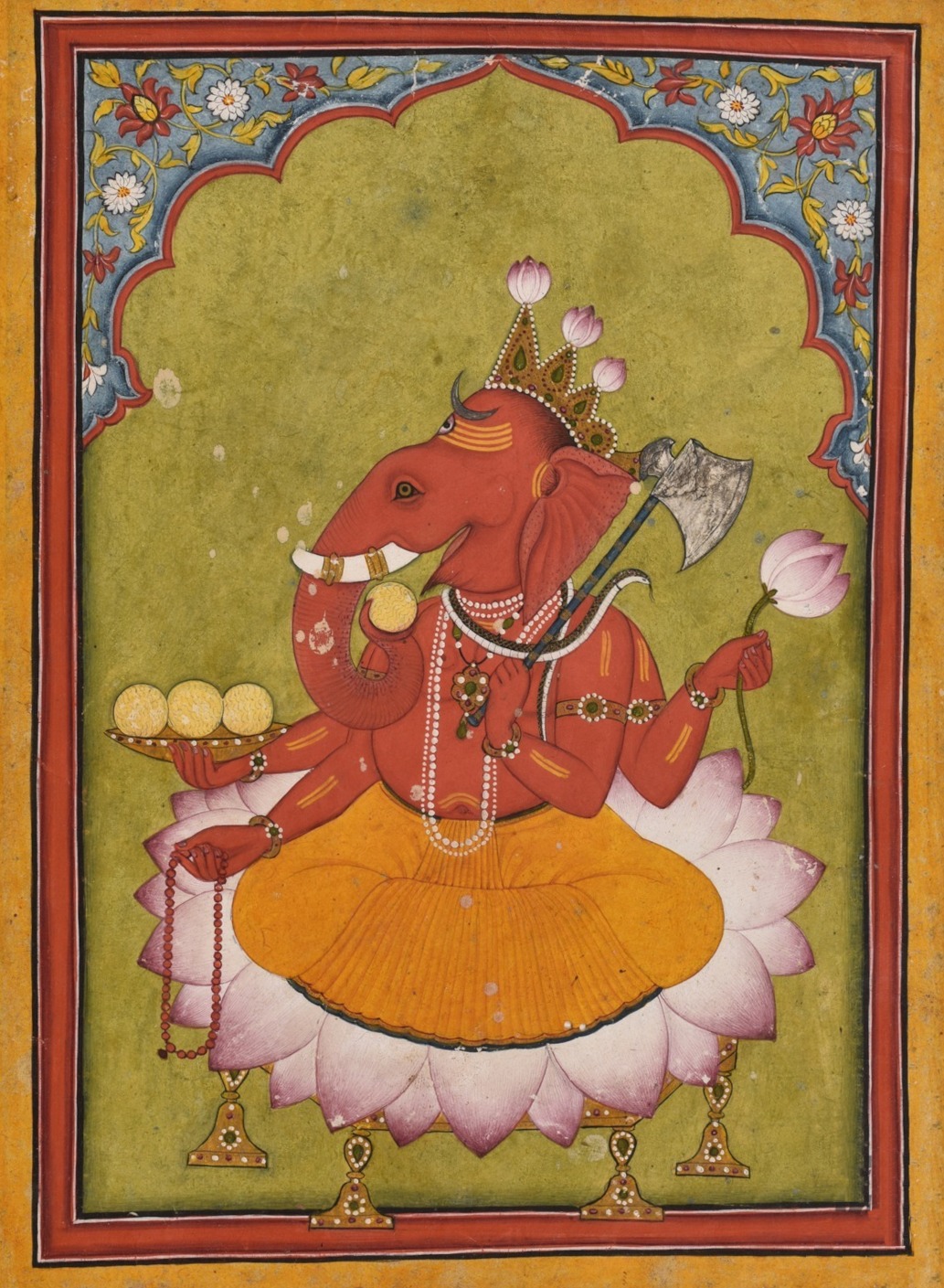 🇮🇳 India and 5 moreGaneshaगणेश (Gaṇeśa)
An elephant-headed Hindu deity worshipped as the remover of obstacles and patron of wisdom.Being · Protection · Luck and prosperity Living
🇮🇳 India and 5 moreGaneshaगणेश (Gaṇeśa)
An elephant-headed Hindu deity worshipped as the remover of obstacles and patron of wisdom.Being · Protection · Luck and prosperity Living
 🇮🇹 ItalyJupiterIuppiter
The Roman sky father and king of the gods, associated with thunder and oathsBeing · Power and authority · Protection Historical
🇮🇹 ItalyJupiterIuppiter
The Roman sky father and king of the gods, associated with thunder and oathsBeing · Power and authority · Protection Historical
 🇵🇭 PhilippinesAnito
Indigenous Philippine spirits and the carved figures that represent themBeing · Protection · Speaking with spirits and the dead Living
🇵🇭 PhilippinesAnito
Indigenous Philippine spirits and the carved figures that represent themBeing · Protection · Speaking with spirits and the dead Living
 🇩🇪 Germany and 3 moreMare
A spirit that sits on sleepers to cause nightmares and physical distressBeing · Cursing and harm Historical
🇨🇳 China and 4 moreKitchen God灶君
The Chinese hearth deity who reports domestic conduct to the Jade EmperorBeing · Protection · Luck and prosperity Living
🇩🇪 Germany and 3 moreMare
A spirit that sits on sleepers to cause nightmares and physical distressBeing · Cursing and harm Historical
🇨🇳 China and 4 moreKitchen God灶君
The Chinese hearth deity who reports domestic conduct to the Jade EmperorBeing · Protection · Luck and prosperity Living
 🇳🇬 Nigeria and 3 moreYemọjaYemoja
A mother spirit of rivers and oceans worshipped across Yoruba and diaspora traditionsBeing · Protection · Healing Living
🇳🇬 Nigeria and 3 moreYemọjaYemoja
A mother spirit of rivers and oceans worshipped across Yoruba and diaspora traditionsBeing · Protection · Healing Living
 🇮🇳 India and 5 moreHanumanहनुमान्
A divine vanara deity of devotion and strength in HinduismBeing · Protection · Power and authority Living
🇮🇳 India and 5 moreHanumanहनुमान्
A divine vanara deity of devotion and strength in HinduismBeing · Protection · Power and authority Living
 🇮🇳 India and 5 moreBhairavaभैरव
A fierce manifestation of Shiva and a Buddhist protector deity worshipped across South and East Asia.Being · Protection · Cursing and harm Living
🇮🇳 India and 5 moreBhairavaभैरव
A fierce manifestation of Shiva and a Buddhist protector deity worshipped across South and East Asia.Being · Protection · Cursing and harm Living
 🇲🇲 MyanmarNatနတ်
Spirits venerated in Myanmar alongside Buddhism, including deified humans and nature guardians.Tradition · Protection · Speaking with spirits and the dead Living
🇲🇲 MyanmarNatနတ်
Spirits venerated in Myanmar alongside Buddhism, including deified humans and nature guardians.Tradition · Protection · Speaking with spirits and the dead Living
Photo credits on this page
The small pictures above come from Wikimedia Commons under free licences. Some are cropped to fit.
- Nyi Roro Kidul: Gunawan Kartapranata, CC BY-SA 3.0, source
- Guanyin: JL Cogburn, CC BY-SA 2.0, source
- Dukun: Unknown author, CC BY-SA 3.0, source
- Erzulie: anonymous, Public domain, source
- Mapinguari: Lauro Iyambae (@Aptix_4p0clix), CC0, source
- Alp: Henry Fuseli, Public domain, source
- Ezili Dantor: Oficinalis, CC BY-SA 4.0, source
- San La Muerte: Sergio Serrano, CC BY-SA 2.0, source
- Baku: Momotarou2012, CC BY-SA 3.0, source
- Lakshmi: Raja Ravi Varma, Public domain, source
- Philippine mythology: The original uploader was Rodsan18 at English Wikipedia . ( Original t, CC BY 2.5, source
- Alux: Gary Todd, CC0, source
- Pachamama: Penarc, CC BY-SA 3.0, source
- Lwa: Hector Hyppolite, Public domain, source
- Night hag: Henry Fuseli, Public domain, source
- Lady Midday: Віщун, CC BY-SA 4.0, source
- Brownie: Unknown author, CC BY-SA 2.5, source
- Aos Sí: AE [George William Russell] (1867-1935), CC BY 4.0, source
- Tsukumogami: Unknown author, Public domain, source
- Hecate: Henryk Siemiradzki, Public domain, source
- Ogun: Chado07, CC BY-SA 4.0, source
- Elegua: Sailko, CC BY 3.0, source
- Obatala: Isha, CC BY 3.0, source
- Gede: Calvin Hennick, for WBUR Boston, CC BY 3.0, source
- Eshu: Sailko, CC BY 3.0, source
- Shiva: Indianhilbilly, CC BY-SA 3.0, source
- Maximón: Sapfan (Jan Pesula), Public domain, source
- Santoshi Mata: Nishu0246, CC BY-SA 4.0, source
- Miko: Chris Gladis, Flickr user MShades, CC BY 2.0, source
- Perchta: Holger Uwe Schmitt, CC BY-SA 4.0, source
- Surya: Ravi Varma Press, Public domain, source
- Ganesha: anonymous, Public domain, source
- Jupiter: ArchaiOptix, CC BY-SA 4.0, source
- Anito: Frederic H. Sawyer, Public domain, source
- Mare: Henry Fuseli, Public domain, source
- Yemọja: Samuel Tobbytex007, CC BY-SA 4.0, source
- Hanuman: Niranjan Arminius, CC BY-SA 2.0, source
- Bhairava: Saankav, CC BY-SA 4.0, source
- Nat: Emily Khine, CC BY-SA 4.0, source
- Amun: MusikAnimal, CC BY-SA 4.0, source