Illness and misfortune: practices that mark them
What people do when someone falls ill or luck turns: consult, cleanse, ward.
Illness and misfortune are the moments when people most often turn to magic. When someone falls ill, a business fails, a child is lost or luck turns, families ask why, and consult a healer, diviner, priest or mediums. Examples include the Mexican limpia, the African consultation of a diviner, the Islamic ruqyah, the Hindu or Buddhist temple rites, the Korean gut and the Catholic blessing of the sick. This page covers the pattern and its risks. It is not medical advice, and illness needs real medical care.
Why and who
Many traditions ask two questions: how did this happen, and why to me? A medical account answers the first. Traditional systems often address the second, linking misfortune to relationships, envy, taboo or spirits. A consultation then names a cause and a remedy, which may involve cleansing, offerings, protective objects or a ceremony. A diviner may be consulted, a healer called, a priest asked to pray or a shrine visited, and in many households several of these happen at once.
Help and hope
Rites of crisis bring people together, give a role to the family and offer hope when treatment is limited. Researchers have documented comfort and reduced distress after ritual. Many people use medicine and ritual together, and many healers support that. The pattern becomes dangerous only when ritual displaces treatment. Many practitioners also give practical advice about rest, diet and family conflict, and some of this advice is sound and some is not.
Blame and exploitation
Crisis also creates a market for fear. Fraudulent healers tell clients they are cursed and sell expensive cleansing. Accusations of witchcraft often follow illness, with violence against the accused. Exorcism of people with mental illness has caused injuries and deaths, including documented cases in churches in several countries. In some societies, a bad event is the signal for a ritual of the whole community, with confession, reconciliation and shared offerings.
Care and context
Public health programmes now involve community healers in work on issues such as HIV, maternal health and mental health, since many people consult them first. Scholars of medical anthropology call this a plural system of care. The sensible approach is to seek qualified medical help promptly and treat other support as company. Public health bodies urge anyone with a serious illness or injury to seek a clinician at once, and to treat traditional help as complementary to that care and never as a replacement for it.
Illness and misfortune on EveryJaadu
The entries written up so far, best known first.
 🇮🇳 India and 1 moreFolk practices in Punjab
Indigenous beliefs and rituals of the Punjabi people across India and PakistanTradition · Protection · Healing Living
🇬🇧 United KingdomCorsned
An Anglo-Saxon trial by ordeal using a consecrated piece of bread and cheese to determine guilt.Rite · Cursing and harm Historical
 🇩🇪 Germany and 3 moreCruentation
A medieval judicial test where a suspect touched a victim's body to see if it bled.Rite · Cursing and harm Historical
🇫🇷 FranceTempestarii
Medieval figures accused of controlling storms and the beliefs surrounding them.Belief · Cursing and harm · Protection Historical
 🇲🇾 MalaysiaBobohizan
A high priestess and spirit medium in the traditional rituals of the Kadazan-Dusun people of Sabah.Tradition · Healing · Protection Fading
🇲🇽 MexicoMazatec shamanism
A Mazatec healing tradition centered on visionary plant ceremonies called veladasTradition · Healing · Speaking with spirits and the dead Living
 🇰🇷 South KoreaBangsatap방사탑
A stone cairn on Jeju Island believed to shield communities from harm and disease.Tradition · Protection · Cursing and harm Revived
 🇯🇵 Japan and 5 moreSmallpox demon疱瘡神 (Hōsōgami)
A spirit blamed for smallpox in medieval Japan and the rituals used to appease itBeing · Protection · Cursing and harm Historical
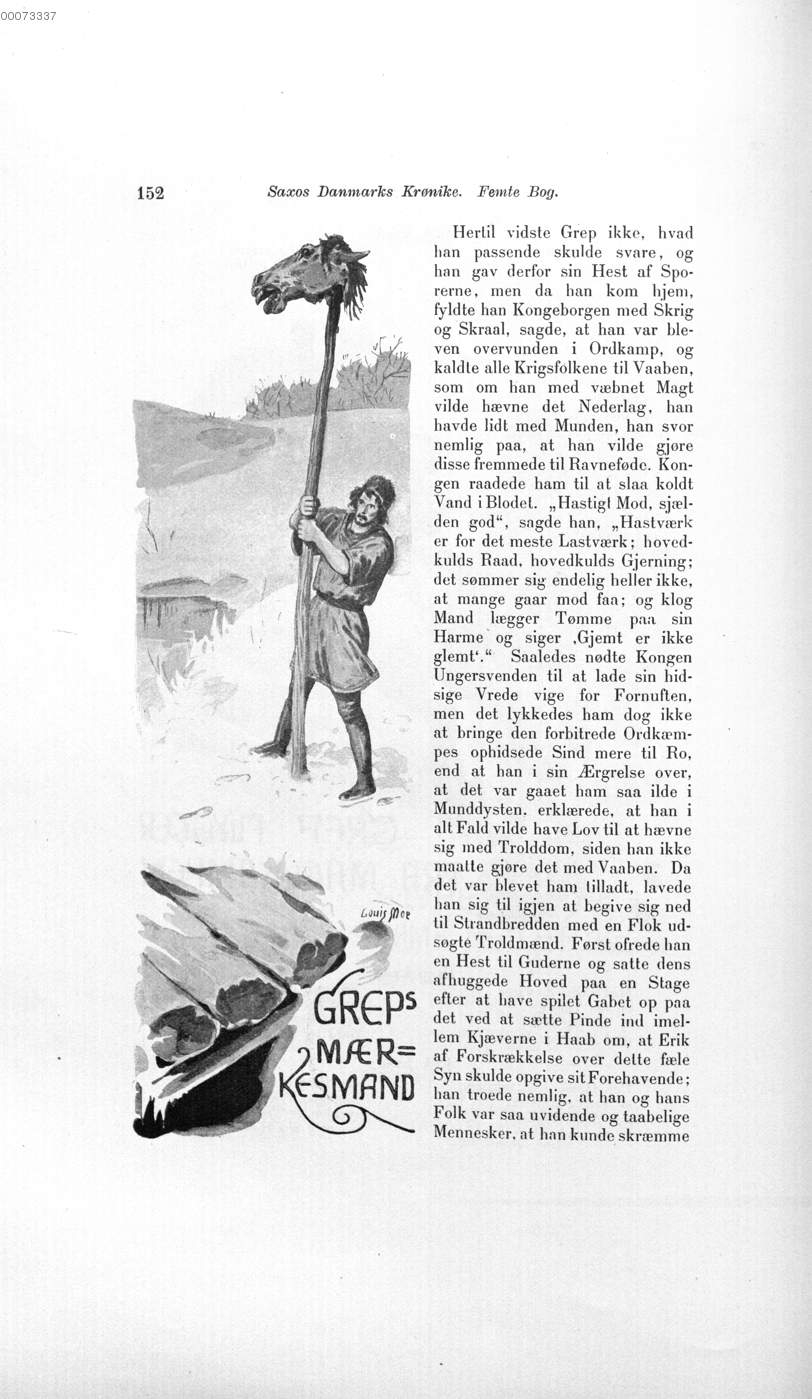 🇮🇸 Iceland and 1 moreNithing poleníðstǫng
A curse pole from Norse tradition used to shame or harm an enemyRite · Cursing and harm Living
 🇮🇷 Iran and 5 moreKhidrالخضر
A Qur'anic guide and saint believed to hold hidden wisdom and aid those in need.Being · Seeing and foretelling · Power and authority Living
🇰🇷 South KoreaDocham도참
A Korean system of prophecy and omens guiding political fate and temple placementTradition · Seeing and foretelling · Power and authority Historical
🇳🇬 NigeriaAfa
A divining art of the Igbo, cast by a dibia to name the cause of troubleOracle · Seeing and foretelling · Speaking with spirits and the dead Living
🇷🇴 RomaniaTanacu exorcism
A 2005 Romanian Orthodox ritual that ended in a nun's death and a murder convictionRite · Speaking with spirits and the dead · Cursing and harm Historical
 🇮🇹 ItalySegnature
An Italian folk healing rite using gestures and prayers to cure illness and remove cursesRite · Healing · Protection Living
 🇸🇪 SwedenSigtuna amulet I
An 11th-century copper runic charm from Sweden used to drive away illnessCharm · Healing · Protection Historical
 🇺🇸 United StatesNew England vampire panic
A folk response to tuberculosis involving the exhumation and burning of organsBelief · Protection · Healing Historical
 🇮🇱 Israel and 1 moreOrdeal of the bitter waterמֵי הַמָּרִים (mei ha-marim)
A biblical test for a wife accused of adultery when no witnesses are present.Rite · Cursing and harm · Protection Historical
 🇱🇰 Sri Lanka and 1 moreSanni Yakumaසන්නි යකුම
A traditional Sinhalese exorcism ritual featuring eighteen masked dances to banish illness-causing demons.Rite · Healing · Cursing and harm Living
🇨🇲 CameroonJengu
Water spirits of Cameroon's coastal peoples, linked to healing and fateBeing · Protection · Healing Living
 🇬🇷 Greece and 3 moreExorcist
A religious specialist who performs rites to remove alleged demonic possession from people or places.Tradition · Cursing and harm · Cleansing and purification Living
 🇲🇽 MexicoEntheogenics and the Maya
Hallucinogenic substances used by the Maya for spiritual rituals and healingTradition · Speaking with spirits and the dead · Healing Historical
🇮🇳 IndiaTarakeshwaraतारकेश्वर (Tārakeśvara)
A form of Shiva who guides souls to liberation through sacred mantrasFigure · Speaking with spirits and the dead · Change and initiation Living
 🇮🇱 Israel and 1 moreUnclean spiritπνεῦμα ἀκάθαρτον (pneuma akatharton)
A spirit of impurity in biblical belief, driven out by breath, smoke and wordsBeing · Cleansing and purification · Cursing and harm Living
 🇲🇹 Malta and 2 moreDevotional medal
Small metal pieces made and worn for Christian devotionCharm · Protection Living
 🇫🇷 France and 4 moreEctoplasm
A substance said to be excreted by mediums during séances, later exposed as common household materials.Substance · Speaking with spirits and the dead Historical
 🇬🇷 Greece and 3 morePalladium
A sacred image or object believed to guarantee the safety of a city or nationCharm · Protection Historical
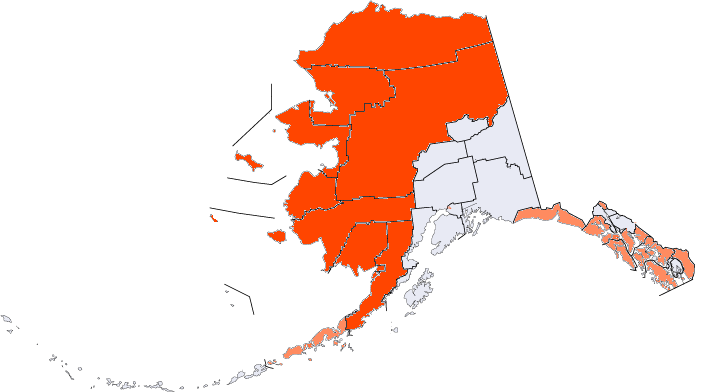 🇺🇸 United StatesShamanism among Alaska Natives
Traditional spiritual practices of Indigenous peoples in AlaskaTradition · Healing · Seeing and foretelling Fading
🇵🇱 PolandPłanetnik
A Slavic storm spirit said to herd clouds and hail, and to shelter the sudden deadBeing · Protection · Cursing and harm Legendary
 🇮🇳 IndiaKhodiyarખોડીયાર
A limping Hindu folk goddess who rides a crocodile and shields royal clansBeing · Protection · Healing Living
 🇮🇷 Iran and 2 moreSuperstitions in Muslim societies
Beliefs in supernatural forces and charms found across the Islamic worldTradition · Protection · Healing Living
 🇩🇴 Dominican Republic and 5 moreZemi
A Taíno deity or ancestral spirit housed in a carved object used for worship and protectionBeing · Protection · Healing Historical
🇲🇱 Mali and 1 moreSandobele
A Senufo woman diviner who mediates between the village and bush spirits.Being · Speaking with spirits and the dead · Protection Living
 🇨🇳 China and 3 moreCash方孔錢
A round copper coin with a square hole used in China and East Asia for two millennia.Charm · Luck and prosperity · Speaking with spirits and the dead Living
🇬🇭 GhanaAbonsam
A malevolent spirit blamed for accidents and disease, driven out to sea with noiseBeing · Cursing and harm · Cleansing and purification Living
 🇷🇴 Romania and 2 moreCaloian
A Romanian clay effigy ritual for rain and fertility, featuring a mock funeralRite · Luck and prosperity Fading
 🇲🇿 Mozambique and 1 moreNdau witchcraft and sorcery
A system of spirit belief and traditional healing among the Ndau people of Mozambique and ZimbabweTradition · Healing · Protection Living
🇹🇭 Thailand and 1 moreHae Nang Maewแห่นางแมว (Thai); ពិធីហែនាងម៉ែវ (Khmer)
A rainmaking ritual where a cat is paraded through villages to end droughtRite · Luck and prosperity Living
 🇲🇲 MyanmarYadayaယတြာ
Rituals in Myanmar to avert misfortune using astrology and numerologyTradition · Protection · Luck and prosperity Living
🇬🇷 GreeceTrophoniusΤροφώνιος
A Greek hero turned subterranean oracle god at LebadeaFigure · Seeing and foretelling · Speaking with spirits and the dead Historical
 🇪🇸 SpainHuman sacrifice in the ancient Iberian Peninsula
Ancient ritual killings by Lusitanian and Vetton peoples for divination and warRite · Seeing and foretelling · Cursing and harm Historical
🇺🇸 United StatesGoofer dust
A hoodoo powder used for hexes, protection and coercive love spells in the American South.Charm · Cursing and harm · Protection Historical
🇳🇴 NorwayTycho Brahe daysTycho Brahes-dage
Scandinavian folklore dates believed to be unlucky for magic and businessBelief · Luck and prosperity Historical
 🇯🇵 JapanAmabieアマビエ
A prophetic sea creature from Japan that wards off disease with its imageFigure · Protection · Seeing and foretelling Legendary
 🇵🇪 Peru and 2 moreTsentsak
Invisible darts used by Amazonian shamans for healing and sorcerySubstance · Cursing and harm · Protection Living
🇫🇮 Finland and 1 moreFrog coffin
A Finnish folk magic burial of a frog in a tiny coffin to steal luck or reflect harmRite · Protection · Cursing and harm Historical
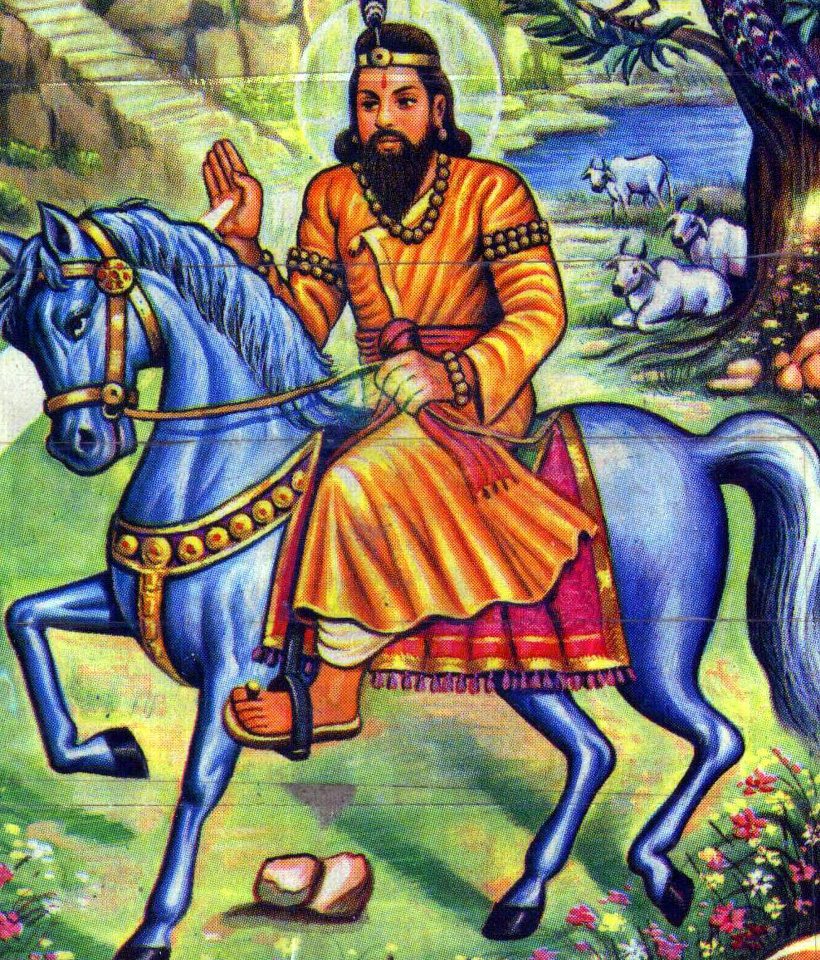 🇮🇳 IndiaBaba Mohan Ramबाबा मोहन राम
A folk form of Krishna worshipped at a cave shrine with a flame that never diesBeing · Healing · Luck and prosperity Living
 🇸🇪 SwedenCanterbury charm
An Old Norse runic spell against infection found in an Anglo-Saxon manuscript.Text · Healing Historical
🇮🇪 IrelandDeath coachcóiste bodhar
A spectral carriage that signals an unavoidable death in European folkloreBelief · Cursing and harm Legendary
Photo credits on this page
The small pictures above come from Wikimedia Commons under free licences. Some are cropped to fit.
- Segnature: SeAnstapa, CC0, source
- New England vampire panic: no credited author, Public domain, source
- Ordeal of the bitter water: Charadron, CC BY-SA 4.0, source
- Xtabay: Unknown author, Public domain, source
- Exorcist: Francisco Goya, Public domain, source
- Yadaya: Thai Government, CC BY 2.0, source
- Mediumship: Harvey Metcalfe, Public domain, source
- Palladium: Marie-Lan Nguyen ( Jastrow ), Public domain, source
- Yachay: Veton PICQ, CC BY-SA 3.0, source
- Bangsatap: Grapesurgeon, CC BY-SA 4.0, source
- Smallpox demon: 佐賀県立図書館, CC0, source
- Nithing pole: r Saxo Gramaticus; tr. (Danish) Frederik Winkel Horn; illus. Louis Moe, Public domain, source
- Sanni Yakuma: Michael Gunther, CC BY-SA 4.0, source
- Ndau witchcraft and sorcery: Mycelium101, CC BY-SA 3.0, source
- Human sacrifice in the ancient Iberian Peninsula: Manuel Parada López de Corselas User:Manuel de Corselas ARS SUMMUM, Ce, Public domain, source
- Amabie: Unknown author, Public domain, source
- Folk practices in Punjab: Veer jindal, CC BY-SA 3.0, source
- Canterbury charm: Mårtensås, CC BY-SA 4.0, source
- Devotional medal: Xhienne, CC BY-SA 3.0, source
- Shamanism among Alaska Natives: Balkanian`s word, Public domain, source
- Khodiyar: Damian N. Boodram, CC BY-SA 4.0, source
- Superstitions in Muslim societies: Unknown author, CC0, source
- Zemi: Unknown author, CC0, source
- Cash: User 冷玉 on zh.wikipedia, CC BY-SA 3.0, source
- Caloian: Costică Acsinte Archive, No restrictions, source
- Bobohizan: Ricardo Unto, CC BY-SA 4.0, source
- Khidr: Unknown author, Public domain, source
- Baba Mohan Ram: Yajush Rao, CC BY-SA 4.0, source
- Cruentation: Unknown author, Public domain, source
- Sigtuna amulet I: Bengt A. Lundberg, CC BY 2.5, source
- Unclean spirit: David Shankbone, CC BY-SA 3.0, source