Afa
from an Igbo verb meaning 'to identify'
A divining art of the Igbo, cast by a dibia to name the cause of trouble
Afa is how the Igbo of southern Nigeria put questions to the spirit world: a trained expert, the dibia afa, reads divination signs to name the hidden cause of illness, quarrels or bad luck. It sits at the heart of Odinani, the Igbo religion, where ancestors and deities are asked for guidance.
- Afa comes from an Igbo verb meaning 'to identify': the diviner names the root of a trouble
- The dibia afa trains under masters and is said to be called and possessed by the spirit Agwu
- Visitors make sacrifices to the guardian spirits and sometimes keep strict silence
- In Nsukka dialects f and h swap, so the same art is heard as eha or aha
- Historically asked about sickness, marriage, travel, farming and the choice of leaders
What it is
Afa is the art of divination practised by the Igbo, whose homeland lies in the south of Nigeria. Within Odinani, their religion and body of thought, it stands as one of the chief routes by which a person, a family or a whole community puts questions to the spirit world. The casting and reading are done by a specialist, the dibia afa, and inquirers hold that through him the spirits show what lies behind a trouble. The name itself points to the work: afa grows out of an Igbo verb meaning to identify, because the diviner's task is to name the root of an illness, a loss or a doubt. Anedo, writing in 2008, described the practice as foretelling what is to come or bringing hidden things to light by supernatural means.
Where it comes from
Afa grew up among the Igbo of southern Nigeria as part of Odinani, their own religion and philosophy. Its name carries regional speech: in Nsukka Igbo, where f and h trade places, the word is heard as eha or aha, and the system also answers to the names Igba Afa and Afa Ugiri. Scholarly record reaches back decades. A doctoral dissertation on afa was presented at Nnamdi Azikiwe University in 2008, and earlier books placed divination inside Igbo thought: Umeh's After God is Dibia appeared in 1997, Onwuejeogwu's study of the Nri kingdom and its hegemony in 1981, and Isichei's history of the Igbo in 1976.
How it is done
A casting, agb'áfa, literally 'cast the word', is performed by the onye n'agb'áfa, the person who casts. Visitors come prepared: they are expected to make special sacrifices to the guardian spirits, and some dibia further require that they greet no one on the way and keep strict silence until the work ends. Where a case involves poison or grave sickness, the dibia first questions his visitor at length to learn everything he can about the affliction, then consults his charms. The signs that emerge are read by a diviner taught to interpret them.
Afa, drawn and placed
- Living
- Revived
- Fading
- Historical
- Legendary
- Performed
- Lineage
- Odinani, the Igbo religion
- Timing
- when illness, quarrels, marriage or travel raise a question
What it is for
Consultations covered the decisions of whole lives. Afa was asked about sickness, quarrels and farming choices, about marriage and travel, and about who should hold political leadership. The thinking behind it, as Anedo recorded it, is that every event, natural or accidental, has a cause that must be traced, and the diviner is the one who traces it. Answers are believed to arrive from the spirit world through the dibia's reading, which is why families and communities as well as individuals bring their questions.
Who does it
The diviner is the dibia afa, also called Ogba Afa, 'interpreter of afa'. He is trained under masters and keeps strict rules whenever he casts. Odinani teaches that the calling comes from Agwu, the spirit who owns healing, medicine and divination: Agwu is said to summon the dibia to the work and to possess him in it. The dibia is held to bridge the two sides of a consultation, carrying the questions of the living to the ancestors and spirits who answer them.
Peoples and places
Afa belongs to the Igbo and runs through their social life, from the household to the community. The dialects mark it. In Nsukka speech f and h swap, giving the forms eha and aha, and the spirits called alusi in Nri speech are known as arụsị elsewhere. The practice sits inside Odinani, the tradition that binds Igbo religious life together, and its terminology, from dibia to chi and Chukwu, is Igbo through and through.
At a glance: who, where and when
Peoples
Belief worlds
What people believe
The cast rests on a populated cosmos. Chukwu stands at its head as supreme creator, the wellspring of existence, and each person carries a portion of his force as a personal spirit, the chi. Ala, goddess of the earth, anchors Igbo morality. The alusi are spirits served in Odinani, each with charge over some sphere of life, and the mmụọ are the departed of the lineage, who still deal with the living. Agwu, spirit of health and divination, presides over this craft and moves the dibia. Human life, in this view, unfolds in constant exchange with these forces, so no misfortune is merely accidental: it has an author, and afa is the means of naming it.
How scholars and sceptics see it
Anedo's doctoral work, presented to Nnamdi Azikiwe University in 2008, defines afa as foretelling things to come or uncovering what is secret, done by supernatural means, and preserves an Igbo maxim: every happening, natural or accidental, has a cause, and the diviner is the one who names it. Longer-standing scholarship frames the art by emphasis. Umeh (1997) reads divination as part of Igbo cosmology and what he calls sacred science; Onwuejeogwu (1981) situates Igbo religion within the Nri kingdom and its hegemony; Isichei (1976) gives the general history of the Igbo people within which the practice is set.
Compare and confuse
The same art answers to several names: Igba Afa, Afa Ugiri, and in Nsukka speech eha or aha. It is closely tied to neighbouring terms in Odinani: the dibia, the ritual specialist; chi, one's personal spirit; Agwu Nsi, the spirit behind the divining; Chukwu, the creator above all. Beyond the Igbo it takes its place among the many arts of African divination.
Questions people ask about Afa
What is Afa?
Afa is the Igbo way of divining, at the centre of their religion Odinani. A trained specialist called the dibia afa casts the signs, and those who consult hold that answers to their questions come from the spirit world.
Where does the name come from?
Afa is an Igbo word built on a verb root that means 'to identify'. The name reflects the diviner's task: to name the underlying cause of a problem, an illness, a misfortune or a doubt. In Nsukka dialects, where f and h are interchangeable, it is heard as eha or aha.
Who can perform it?
Only a trained specialist, the dibia afa, also called Ogba Afa, 'interpreter of afa'. He learns the work under masters and follows strict rules when divining. Odinani teaches that Agwu, the spirit of health and divination, calls a person to the vocation and possesses him during the casting.
What do people ask about?
Historically, nearly everything: sickness, disputes, farm decisions, marriage, travel and political leadership. The reasoning recorded by Anedo is that every happening, natural or accidental, has a cause that must be traced, and consulting a diviner is how it is traced.
What must a visitor do?
Those seeking a reading are expected to offer special sacrifices to the guardian spirits. Some dibia also require visitors not to greet anyone and to keep strict silence throughout. In cases of poisoning, the dibia first questions the visitor at length, then consults his charms.
Good reading and sources
The facts on this page come from the Wikipedia article "Afa (Igbo divination)", written by its contributors and used under the CC BY-SA 4.0 licence, and from its Wikidata record (CC0). EveryJaadu rewrote the text in its own words, with AI assistance, and compares every page with the article to make sure no passage is copied. It may be reused under the same CC BY-SA 4.0 licence with a link back.
It may contain mistakes. Names and customs differ from one community to the next, and some knowledge is closed to outsiders and left out here. This page describes belief and practice. It does not say that any of it works, it is not a how-to, and it is not medical advice. If something is wrong, tell us. Last refreshed 2026-10-17.
More from Nigeria
All the entries from Nigeria 🇳🇬 Nigeria and 5 moreIfá
A Yoruba divination system using palm nuts to access spiritual guidanceTradition · Seeing and foretelling · Speaking with spirits and the dead Living
🇳🇬 NigeriaIfa divination (sample)Ifá
A system of verses and divining chains.Tradition · Seeing and foretelling · Healing Living
🇳🇬 Nigeria and 5 moreIfá
A Yoruba divination system using palm nuts to access spiritual guidanceTradition · Seeing and foretelling · Speaking with spirits and the dead Living
🇳🇬 NigeriaIfa divination (sample)Ifá
A system of verses and divining chains.Tradition · Seeing and foretelling · Healing Living
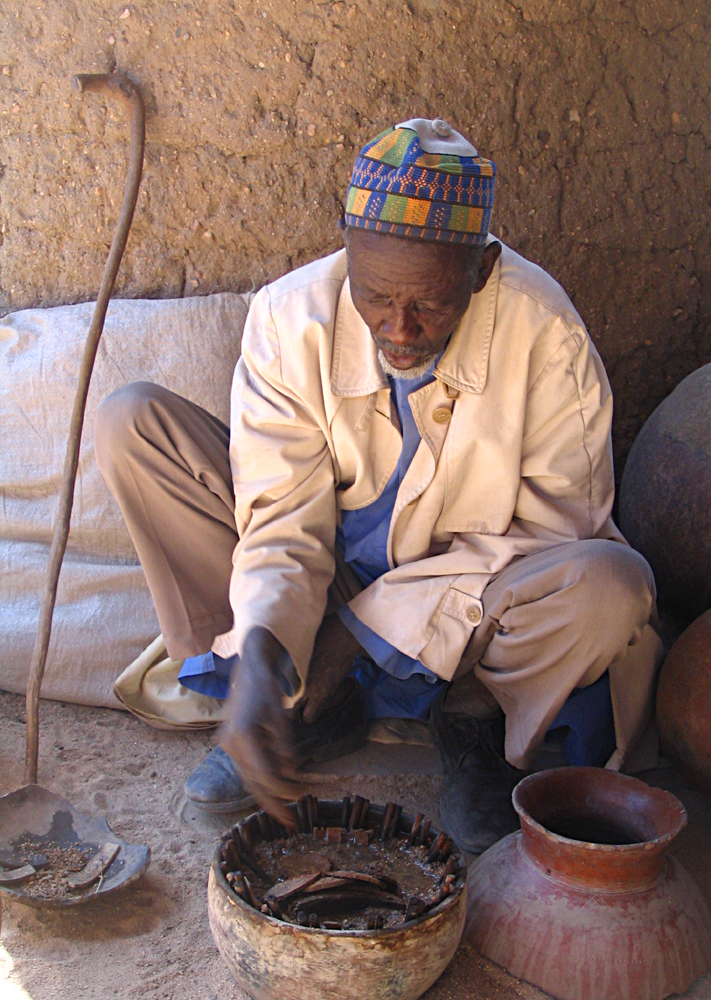 🇨🇲 Cameroon and 2 moreNggam
A divination practice in western Cameroon using spiders and crabs to answer questionsOracle · Seeing and foretelling Living
🇨🇲 Cameroon and 2 moreNggam
A divination practice in western Cameroon using spiders and crabs to answer questionsOracle · Seeing and foretelling Living
 🇪🇬 Egypt and 5 moreAfrican divination
Methods used across the continent to understand present realities and predict future events.Oracle · Seeing and foretelling · Healing Living
🇪🇬 Egypt and 5 moreAfrican divination
Methods used across the continent to understand present realities and predict future events.Oracle · Seeing and foretelling · Healing Living
Related elsewhere
All oracle 🇨🇺 Cuba and 4 moreSanteríaRegla de Ocha
An Afro-Cuban religion blending Yoruba spirits with Catholic saintsTradition · Protection · Healing Living
🇨🇺 Cuba and 4 moreSanteríaRegla de Ocha
An Afro-Cuban religion blending Yoruba spirits with Catholic saintsTradition · Protection · Healing Living
 🇺🇸 United StatesKahuna
A Hawaiian expert or priest, keeper of hidden knowledge in craft and spiritTradition · Healing · Seeing and foretelling Living
🇺🇸 United StatesKahuna
A Hawaiian expert or priest, keeper of hidden knowledge in craft and spiritTradition · Healing · Seeing and foretelling Living
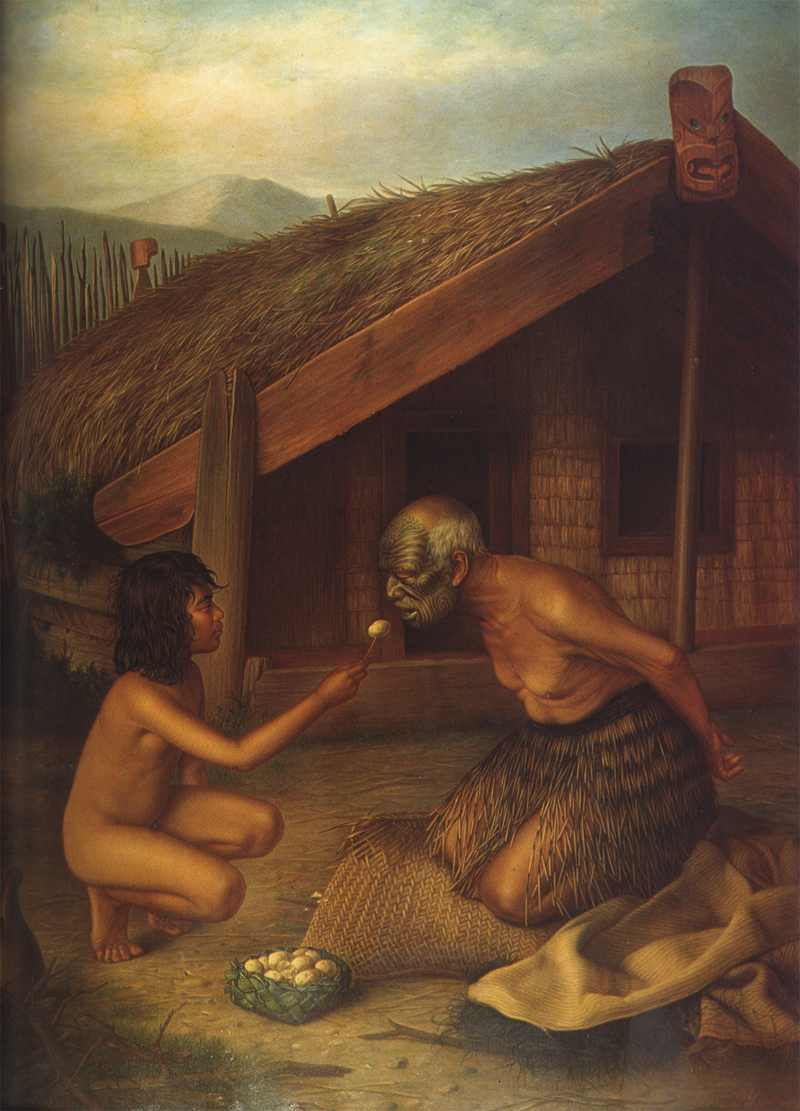 🇳🇿 New ZealandTohunga
A Māori expert practitioner of sacred or secular arts, from priests to carvers.Tradition · Healing · Seeing and foretelling Living
🇳🇿 New ZealandTohunga
A Māori expert practitioner of sacred or secular arts, from priests to carvers.Tradition · Healing · Seeing and foretelling Living
 🇨🇱 Chile and 1 moreMachi
Mapuche spiritual authorities and healers who bridge herbal knowledge and spirit realmsTradition · Healing · Speaking with spirits and the dead Living
🇨🇱 Chile and 1 moreMachi
Mapuche spiritual authorities and healers who bridge herbal knowledge and spirit realmsTradition · Healing · Speaking with spirits and the dead Living