
Ndau witchcraft and sorcery
A system of spirit belief and traditional healing among the Ndau people of Mozambique and Zimbabwe
The Ndau people hold that spirits of the dead interact with the living to help or harm. Traditional healers called n'anga communicate with these spirits to provide healing, divination, and protection for their communities.
What it is
Among the Ndau people of Mozambique and Zimbabwe, magic is a practical part of daily life. They do not separate witchcraft from sorcery. The core belief is that the spirits of the dead stay close to the living. These spirits can be persuaded through prayer or offerings to bring good fortune or cause harm. A person known as a muroyi, which means killer, is thought to have the power to use spirits to hurt others. Some spirits are naturally harmful, while others are protective. This worldview shapes how Ndau people handle social problems, illness, and misfortune in the modern world.
Where it comes from
The Ndau have lived in central Mozambique and southeastern Zimbabwe for centuries. In the early nineteenth century, northern Nguni armies conquered the area under leaders like Nxaba Msane and later Soshangane. These groups formed the Gaza Empire and intermarried with the Ndau, changing local culture and language. Later, Portuguese control expanded into the Zambezi Valley. Settlers like Manuel António de Sousa, who came from Portuguese India, became powerful warlords. The Ndau adopted some Portuguese customs and many converted to Catholicism through missionaries. Despite this, they kept their traditional spiritual beliefs alive.
How it is done
Healers called n'anga act as the main link between the living and the spirits. They determine what kind of spirit is causing trouble and whether it comes from a witch or another healer. To fix problems, they make offerings of beer, food, or money. For dangerous spirits called ngozi, they might kill the murderer who created the ghost. To stop evil shadows called bvuri, a healer traps them in an animal or cursed money. Healers also use mirrors and burn herbal mixtures to send winds that carry spirits to victims. During bad weather, they pray to rain spirits to help crops grow.
Tools and materials
N'anga use traditional medicine known as mushonga to treat people. Offerings are essential tools for keeping spirits happy. These usually include beer, but can also involve food, clothing, or gifts. In the past, women were sometimes given as spirit wives. Healers use mirrors to direct magical winds. They also rely on specific animals to trap harmful spirits. If a spirit is trapped in an animal, anyone who eats it becomes possessed. Cursed money works similarly; spending it spreads the spirit's influence to new victims.
Ndau witchcraft and sorcery, drawn and placed
- Living
- Revived
- Fading
- Historical
- Legendary
- Performed
- Timing
- during droughts, floods, and when illness strikes
What it is for
People seek out n'anga when they face illness, crime, or natural disasters. Healers try to heal ordinary people using herbs and spirit communication. They also protect communities from witches who send harmful spirits. Divination helps find lost people, locate objects, or catch liars. Communities ask healers to manipulate weather during droughts or floods. When a murder happens, the spirit of the victim demands justice. The healer helps resolve this by finding the killer or making proper offerings to calm the angry ghost.
Who does it
N'anga are traditional healers and herbalists. They can be male or female, though women are more common. The most powerful healers are possessed by family ancestor spirits called vadzimu. Lesser healers are controlled by stranger spirits called mashavi. Each family has its own dedicated healer. N'anga must learn to identify different spirits and decide if they are helpful or harmful. They train by communicating with the dead to gain knowledge about remote events. This work requires deep respect for the spirits and strict adherence to ritual rules.
Peoples and places
The Ndau people live mainly in Mozambique and Zimbabwe. They are known for their skill with herbal medicine. Neighbors in Mozambique often describe them as formidable black magicians. Over time, young Ndau speakers began adopting Shona as their main identity. However, official recognition of ChiNdau as a separate language in 2013 helped revive their distinct cultural identity. Despite the strong presence of churches in both countries, Ndau spiritual practices remain active and influential in social interactions today.
At a glance: who, where and when
Who does it
Peoples
Belief worlds
Occasions

What people believe
Spirits fall into two main groups: benevolent and malevolent. Good spirits include family ancestors called mudzimu, who protect and heal. Stranger spirits called mashavi also help but are less powerful. Water spirits, rain spirits, and warrior spirits are all types of mashavi. Evil spirits include ngozi, which are ghosts of murdered people seeking revenge. Bvuri are shadow spirits used by witches to attack victims. Mhepo are evil winds sent by witches. Madzvoka are distant ancestors who cause harm because they are forgotten. Spirits demand respect and offerings to stay peaceful.
When it is done
Rituals happen whenever trouble strikes, such as during illness, drought, or floods. Offerings are made regularly to keep ancestral spirits happy. Rain spirits are prayed to specifically during dry seasons to help crops grow. Spirit possession can happen at any time, turning ordinary people into healers. Festivals are not explicitly mentioned, but daily life involves constant interaction with the spirit world. Misfortunes like epidemics or natural disasters are seen as signs of angry spirits needing attention.
Questions people ask about Ndau witchcraft and sorcery
Where does Ndau witchcraft and sorcery come from?
As our sources describe it, Ndau witchcraft and sorcery belongs to Mozambique and Zimbabwe. Communities differ in what they call it and how they keep it.
What kind of thing is Ndau witchcraft and sorcery?
As our sources describe it, Ndau witchcraft and sorcery belongs with the tradition and belief entries in a guide to magic. What it is believed to do depends on who is speaking, and scholars read it differently from those who practise it.
Is Ndau witchcraft and sorcery still practised?
Our sources place Ndau witchcraft and sorcery among the entries that are living. Practised today by communities who hold it as their own.
Which peoples keep Ndau witchcraft and sorcery?
As our sources describe it, Ndau witchcraft and sorcery is kept by Ndau. Others now know it too, often in changed forms.
Good reading and sources
The facts on this page come from the Wikipedia article "Ndau witchcraft and sorcery", written by its contributors and used under the CC BY-SA 4.0 licence, and from its Wikidata record (CC0). EveryJaadu rewrote the text in its own words, with AI assistance, and compares every page with the article to make sure no passage is copied. It may be reused under the same CC BY-SA 4.0 licence with a link back.
It may contain mistakes. Names and customs differ from one community to the next, and some knowledge is closed to outsiders and left out here. This page describes belief and practice. It does not say that any of it works, it is not a how-to, and it is not medical advice. If something is wrong, tell us. Last refreshed 2026-10-06.
More from Mozambique
All the entries from Mozambique 🇿🇦 South Africa and 5 moreTraditional healers of Southern Africa
Practitioners who blend herbal medicine with ancestral divination in Southern AfricaTradition · Healing · Protection Living
🇿🇼 Zimbabwe and 2 moreMwari
The supreme creator deity of Shona and Venda traditional religionBeing · Protection · Healing Living
🇿🇦 South Africa and 5 moreTraditional healers of Southern Africa
Practitioners who blend herbal medicine with ancestral divination in Southern AfricaTradition · Healing · Protection Living
🇿🇼 Zimbabwe and 2 moreMwari
The supreme creator deity of Shona and Venda traditional religionBeing · Protection · Healing Living
Related elsewhere
All tradition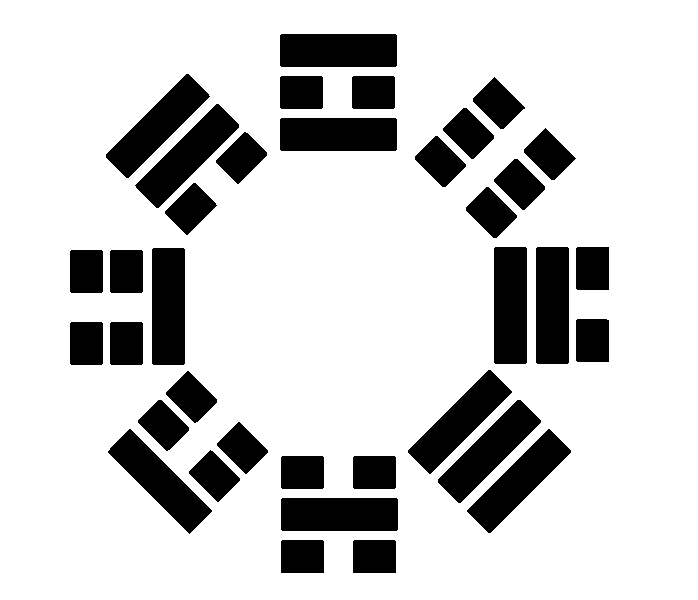 🇨🇳 China and 1 moreBagua八卦
A set of eight trigram symbols from China used in divination, cosmology, and feng shui.Tradition · Seeing and foretelling · Protection Living
🇨🇳 China and 1 moreBagua八卦
A set of eight trigram symbols from China used in divination, cosmology, and feng shui.Tradition · Seeing and foretelling · Protection Living
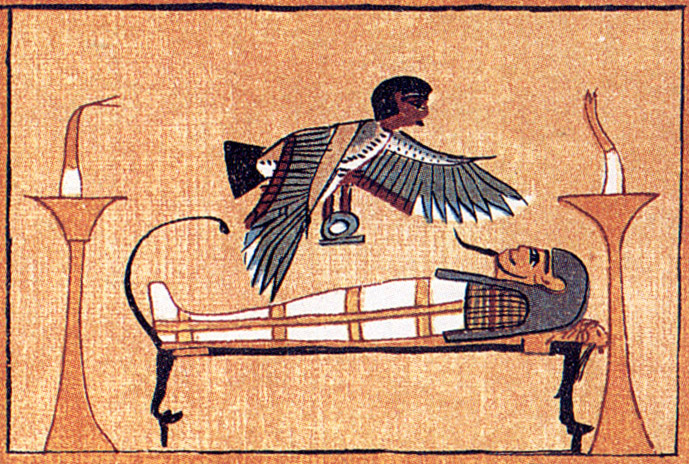 🇸🇪 Sweden and 1 moreSoul flight
A trance practice where the spirit leaves the body to visit other realmsRite · Healing · Seeing and foretelling Historical
🇸🇪 Sweden and 1 moreSoul flight
A trance practice where the spirit leaves the body to visit other realmsRite · Healing · Seeing and foretelling Historical
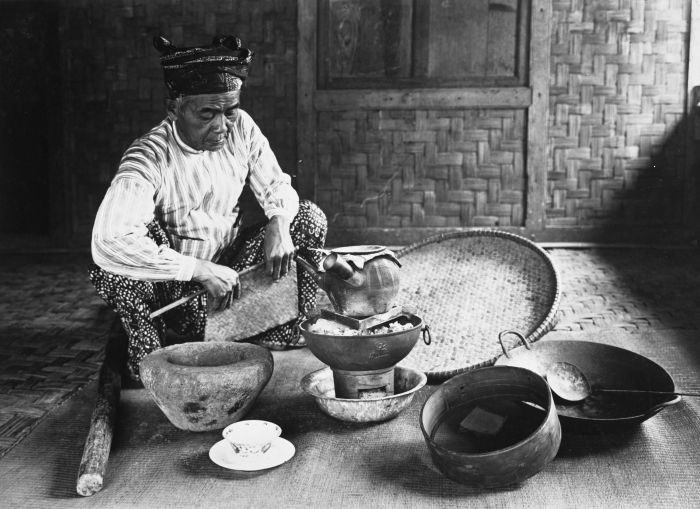 🇮🇩 Indonesia and 2 moreDukun
A traditional healer and spirit medium in Indonesian folk practiceTradition · Healing · Seeing and foretelling Living
🇮🇩 Indonesia and 2 moreDukun
A traditional healer and spirit medium in Indonesian folk practiceTradition · Healing · Seeing and foretelling Living
 🇨🇺 Cuba and 2 moreSanteríaRegla de Ocha
An Afro-Cuban religion blending Yoruba beliefs with Catholicism and SpiritismTradition · Protection · Healing Living
🇨🇺 Cuba and 2 moreSanteríaRegla de Ocha
An Afro-Cuban religion blending Yoruba beliefs with Catholicism and SpiritismTradition · Protection · Healing Living