Tempestarii
from Latin tempestas, meaning storm
Medieval figures accused of controlling storms and the beliefs surrounding them.
The tempestarii were people in medieval Europe reputed to raise or prevent storms at will. Villagers feared and respected these weather-makers, often paying them for protection against hail and lightning while simultaneously fearing their wrath if a storm occurred despite their efforts.
- Agobard of Lyon wrote On Hail and Thunder in 815 AD.
- Villagers paid tempestarii to protect crops from storms.
- Failed protection could lead to violence against the tempestarius.
- Magonians were mythical cloud-dwellers linked to the belief.
- John Fian was accused of raising a storm in 1591.
What it is
The tempestarii were individuals in medieval rural communities believed to possess the power to summon or stop storms. They lived among ordinary people but held a unique status that inspired both reverence and terror. Villagers would pay these weather-makers to protect their crops from hail and lightning. However, this relationship was fragile; if a storm struck despite the tempestarius's efforts, the community might turn on them with violence or death, viewing them as failed protectors or agents of evil.
Where it comes from
The concept is well-documented by Agobard, Bishop of Lyon, in his 815 AD work On Hail and Thunder. He described a local belief system where villagers attributed natural weather events to human agency rather than divine will. Agobard argued against this superstition, insisting that only God or saints could control the elements. The text also mentions a related myth of the Magonians, a mythical race said to dwell in clouds and steal crops during storms summoned by tempestarii.
How it is done
Rural communities sought out tempestarii to intervene during weather crises. The practice involved paying these individuals for insurance against storms. Conversely, when storms occurred, villagers believed they could curse the tongue of the person who raised the gale. In some cases, such as after the North Berwick trials, accusations led to the imprisonment of alleged storm-raisers, requiring intervention by church authorities to prevent lynching.
Tools and materials
The Catholic Church prescribed specific remedies against the perceived influence of tempestarii. These included prayer, sacraments, and the ringing of church bells to drive away storm devils. Charms made from flowers consecrated on Palm Sunday were placed in crop fields. Believers held that these charms would protect the owner's land even if surrounding areas were destroyed by the storm.
Tempestarii, drawn and placed
- Living
- Revived
- Fading
- Historical
- Legendary
- Performed
- Lineage
- medieval European folk belief
- Timing
- during storms and crises
What it is for
The primary intent of engaging with tempestarii was protection of livelihoods. Farmers sought to shield their harvests from destructive hail and wind. The belief system also served to explain unpredictable natural disasters. When storms caused damage, the community needed a cause, often blaming either a failed protective ritual or malicious witchcraft, particularly during periods like the witch hunts of the sixteenth century.
Who does it
Tempestarii were typically members of the peasant class who gained a reputation for weather control. Their status was precarious, balancing between being essential service providers and potential scapegoats. Accusations often arose during times of high stress, such as poor harvests. The figure evolved into the broader category of witches accused of raising storms, as seen in the North Berwick Witch Trials where John Fian was accused of attempting to drown royalty.
Peoples and places
The belief was prominent in Frankish and broader medieval European contexts. Agobard specifically addressed the Franks in Lyon. The belief spread and intensified during the early modern period, notably in Scotland during the North Berwick trials. Similar beliefs about weather magicians appeared globally, with ancient traditions attributing rain-making to shamans and sorcerers, but the tempestarii represent a specific European Christian-era phenomenon.
At a glance: who, where and when
Belief worlds
Occasions
What people believe
The worldview behind tempestarii rejected the idea that weather was solely under God's control. Villagers believed humans could mimic biblical miracles, such as Moses raising his staff to send plagues. Agobard countered that only the righteous servants of God could perform such acts, not witches. The belief also incorporated the myth of Magonia, a land of thieves whose inhabitants sailed the skies to steal corn during storms, paying local tempestarii to create the necessary weather conditions.
When it is done
Interactions with tempestarii occurred during weather crises, particularly when storms threatened crops. Specific rituals were tied to the liturgical calendar, such as using flowers consecrated on Palm Sunday. The belief persisted through the medieval period and flared up during major witch hunt episodes, such as the late sixteenth century, when political tensions heightened fears of magical attacks on the state.
How scholars and sceptics see it
Modern historians view the tempestarii as a case study in the intersection of folk belief and ecclesiastical authority. Agobard's writings are analyzed as an attempt to correct popular misconceptions about divine power and witchcraft. Scholars note that the fear of tempestarii reflects the economic vulnerability of agrarian societies. The transition from individual weather-makers to organized coven witches marks a shift in how the church and state conceptualized magical harm.
Cautions and what is closed
Accusations of being a tempestarius carried severe risks, including violence and execution. Villagers sometimes imprisoned suspected storm-raisers, leading to conflicts with legal and religious authorities. The North Berwick trials resulted in executions and demonstrated how weather-related fears could be weaponized for political ends. Fraudulent claims of weather control could also lead to social ostracization or mob justice.
Compare and confuse
The tempestarii are related to the Solomonari of Slavic tradition, who are also known for weather magic. Both figures represent the archetype of the weather-maker. The concept differs from general witchcraft in its specific focus on atmospheric control. In literature, Shakespeare's Prospero in The Tempest echoes the theme of a magician controlling storms, though presented as a theatrical illusion rather than a folk belief.
Questions people ask about Tempestarii
What were tempestarii?
They were medieval people believed to have the power to raise or prevent storms. Villagers respected and feared them, often paying for protection against hail and lightning.
Where did the belief originate?
The belief is documented in medieval Europe, particularly by Agobard of Lyon in the ninth century. It was part of a broader folk understanding of weather control among rural communities.
Who were the Magonians?
Magonians were a mythical race said to live in clouds. Villagers believed they paid tempestarii to summon storms so they could swoop down and steal crops from fields.
How did the church respond?
Church authorities like Agobard argued that only God or saints controlled weather. They prescribed prayers and charms, such as Palm Sunday flowers, to protect against storm magic.
Good reading and sources
The facts on this page come from the Wikipedia article "Tempestarii", written by its contributors and used under the CC BY-SA 4.0 licence, and from its Wikidata record (CC0). EveryJaadu rewrote the text in its own words, with AI assistance, and compares every page with the article to make sure no passage is copied. It may be reused under the same CC BY-SA 4.0 licence with a link back.
It may contain mistakes. Names and customs differ from one community to the next, and some knowledge is closed to outsiders and left out here. This page describes belief and practice. It does not say that any of it works, it is not a how-to, and it is not medical advice. If something is wrong, tell us. Last refreshed 2026-10-06.
More from France
All the entries from France 🇬🇧 United Kingdom and 2 moreKing ArthurBrenin Arthur
A legendary British king and folk hero of medieval literature and Welsh mythologyFigure · Power and authority · Wonder and entertainment Legendary
🇬🇧 United Kingdom and 2 moreKing ArthurBrenin Arthur
A legendary British king and folk hero of medieval literature and Welsh mythologyFigure · Power and authority · Wonder and entertainment Legendary
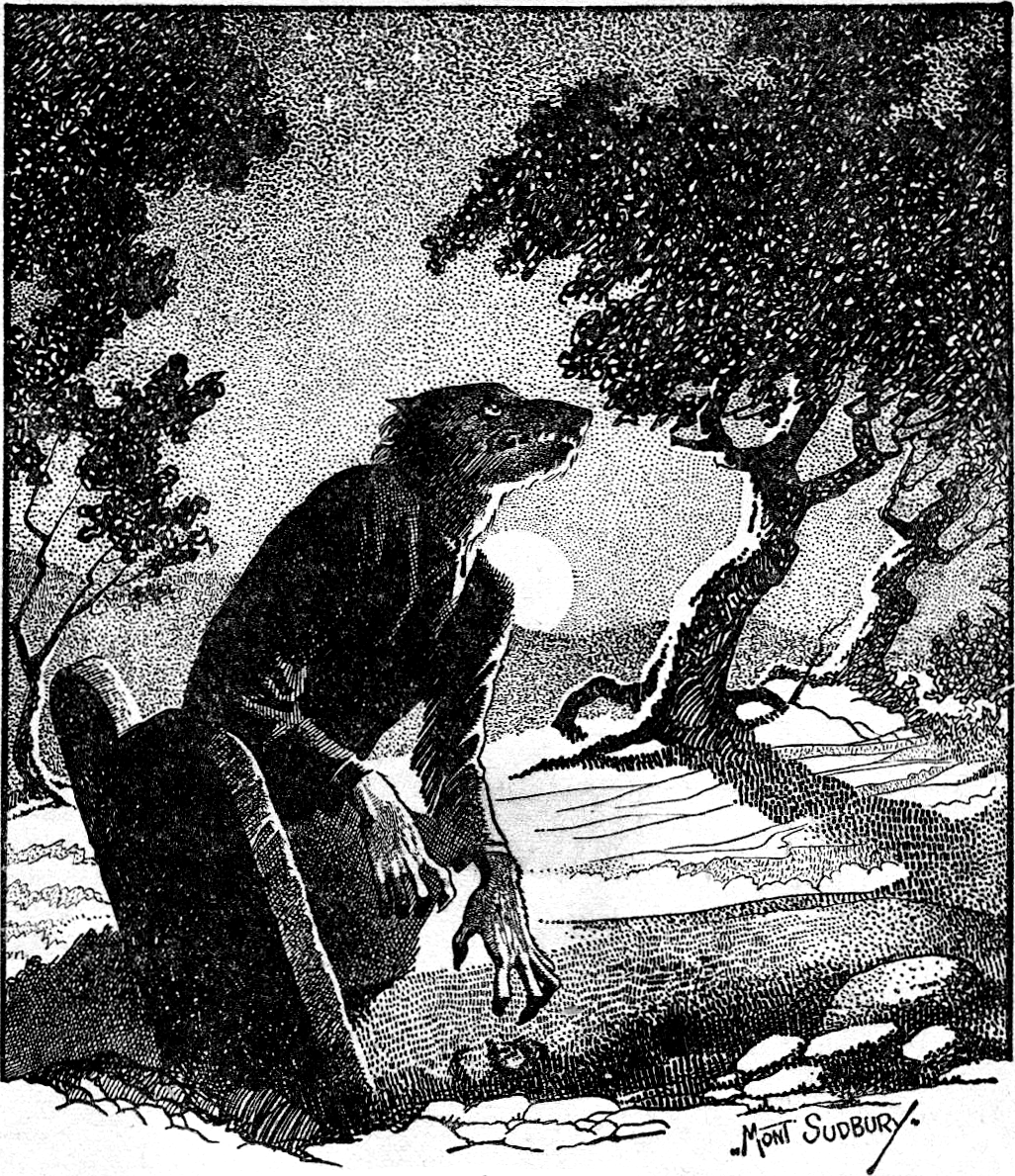 🇫🇷 France and 5 moreWerewolf
A mythical shapeshifter that turns into a wolf, central to European witch-hunts and Gothic horror.Being · Cursing and harm · Wonder and entertainment Legendary
🇫🇷 France and 5 moreWerewolf
A mythical shapeshifter that turns into a wolf, central to European witch-hunts and Gothic horror.Being · Cursing and harm · Wonder and entertainment Legendary
 🇫🇷 FranceHoly GrailSaint Graal
A cup or stone from Arthurian tales that grants healing and eternal lifeFigure · Healing · Luck and prosperity Legendary
🇫🇷 FranceHoly GrailSaint Graal
A cup or stone from Arthurian tales that grants healing and eternal lifeFigure · Healing · Luck and prosperity Legendary
 🇮🇹 Italy and 5 moreTarottarocchi
A set of playing cards used for games and divinationTradition · Seeing and foretelling · Luck and prosperity Living
🇮🇹 Italy and 5 moreTarottarocchi
A set of playing cards used for games and divinationTradition · Seeing and foretelling · Luck and prosperity Living
Related elsewhere
All belief 🇮🇷 Iran and 1 moreJinnجِنّ
Supernatural beings in Islamic and pre-Islamic Arabian belief, created from smokeless fire.Being · Protection · Cursing and harm Living
🇮🇷 Iran and 1 moreJinnجِنّ
Supernatural beings in Islamic and pre-Islamic Arabian belief, created from smokeless fire.Being · Protection · Cursing and harm Living
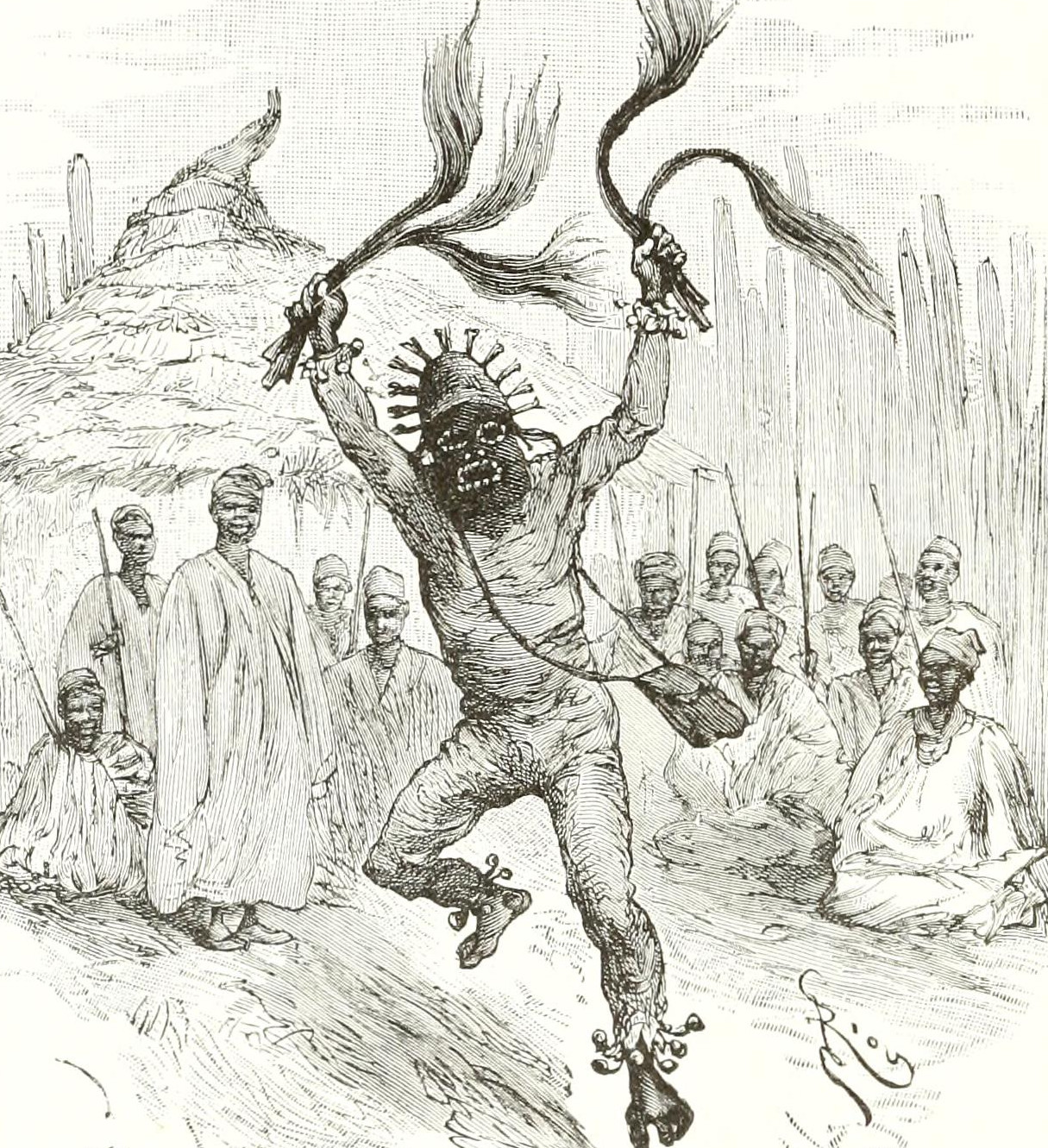 🇺🇸 United States and 2 moreLouisiana Voodoo
An African diasporic religion practiced in Louisiana from the 18th to early 20th centuriesTradition · Healing · Protection Historical
🇺🇸 United States and 2 moreLouisiana Voodoo
An African diasporic religion practiced in Louisiana from the 18th to early 20th centuriesTradition · Healing · Protection Historical
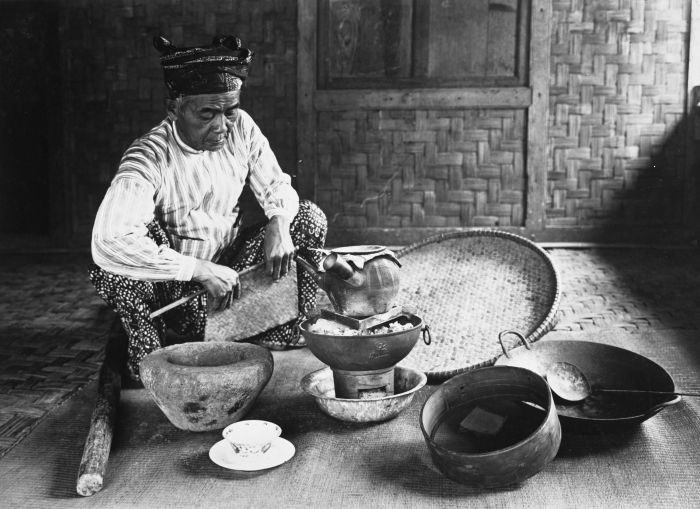 🇮🇩 Indonesia and 2 moreDukun
A traditional healer and spirit medium in Indonesian folk practiceTradition · Healing · Seeing and foretelling Living
🇮🇩 Indonesia and 2 moreDukun
A traditional healer and spirit medium in Indonesian folk practiceTradition · Healing · Seeing and foretelling Living
 🇨🇬 Republic of the CongoNkisi
Spirit containers and power figures from the Congo Basin used for justice and healingCharm · Protection · Healing Living
🇨🇬 Republic of the CongoNkisi
Spirit containers and power figures from the Congo Basin used for justice and healingCharm · Protection · Healing Living