
Ordeal of the bitter water
In its own language: מֵי הַמָּרִים (mei ha-marim)
from Hebrew mei ha-marim, meaning bitter waters
A biblical test for a wife accused of adultery when no witnesses are present.
The ordeal of the bitter water is a procedure described in the Hebrew Bible. A priest administered a potion to a woman whose husband suspected her of infidelity but lacked proof. The outcome determined her innocence or guilt through physical signs.
- Described in Numbers 5:11-31 of the Hebrew Bible.
- Administered by a priest using water and dust.
- Barley meal offering lacked oil and frankincense.
- Abolished in the first century CE by Yohanan ben Zakkai.
- Innocent women were promised fertility after the trial.
What it is
This rite appears in the Book of Numbers as a method to resolve doubts about marital fidelity. It was used when a husband suspected his wife of sleeping with another man but could not produce two witnesses required for a standard conviction. The procedure involved a priest administering a special drink to the accused woman. The result was believed to reveal the truth through physical changes in her body. This practice is distinct from other biblical laws regarding pre-marital sex accusations.
Where it comes from
The ritual is detailed in Numbers 5:11-31. Scholars view it as an ancient legal mechanism. Some suggest it reflects earlier periods where flour restrictions were looser. The Mishnah later categorized the woman undergoing this as a sotah. This term derives from a verb meaning to stray. The Talmud discusses the procedure in the tractate named Sotah. Josephus noted that loosened hair during the ritual was standard for accused persons before the Sanhedrin, not necessarily a sign of shame.
How it is done
The husband brought his wife and a grain offering to the priest. The offering consisted of barley meal without oil or frankincense. The priest prepared a mixture of holy water and dust from the tabernacle floor. He wrote curses on a scroll and washed the ink into the water. The woman drank this potion while swearing an oath of innocence. If she was guilty, the text says her belly would swell and her thigh would fall away. If innocent, she would remain unharmed and potentially conceive children.
Tools and materials
Key materials included an earthenware vessel, which may have been discarded after use due to impurity concerns. The potion required water, dust, and written curses. The grain offering was specifically one-tenth of an ephah of barley meal. This coarse flour was cheaper than others used in sacrifices. Rabbinic commentators linked the coarse flour to the base nature of adultery.
Ordeal of the bitter water, drawn and placed
- Living
- Revived
- Fading
- Historical
- Legendary
- Performed
- Lineage
- Hebrew Bible law
- Timing
- when a husband suspects his wife of adultery without witnesses
What it is for
The primary goal was to determine guilt or innocence in cases of suspected adultery lacking evidence. It served as a divine judgment. For the husband, it resolved jealousy and suspicion. For the community, it maintained social order regarding marriage. Innocent women were promised fertility. Guilty women faced physical punishment or death. The ritual shifted the burden of proof from human witnesses to divine intervention.
Who does it
A kohen, or priest, conducted the ceremony. He stood before Yahweh and managed the ritual elements. The Mishnah describes procedures involving the Sanhedrin and the Temple gates. Priests persuaded women to confess before proceeding. Maimonides noted that the ritual required God's specific cooperation to work. It only functioned if the husband had no prior history of forbidden relations.
Peoples and places
The practice belongs to ancient Jewish tradition. It is rooted in the Hebrew Bible. Rabbinic literature from the Second Temple period provides additional details. The Mishnah records how the ritual was performed in Jerusalem. Later scholars debated its interpretation. Madagascar is mentioned in some contexts, though the primary origin is Israel. The ritual ceased in the first century CE under Yohanan ben Zakkai due to rising rates of public adultery.
At a glance: who, where and when
Who does it
Peoples
Belief worlds
Occasions
What people believe
The underlying worldview relies on divine justice. Participants believed God would intervene physically. The curse written on the scroll was thought to have independent power. Some scholars interpret the physical symptoms as miscarriage or uterine prolapse. Others see them as false pregnancy. The belief was that God would punish the guilty and protect the innocent. The ritual acted as a purgatory oath rather than a human verdict.
When it is done
The ordeal was not tied to a specific festival. It occurred during times of crisis within a marriage. It was triggered by a husband's sudden jealousy or suspicion. The timing depended entirely on the accusation. Once initiated, the process moved quickly through the priest and the Sanhedrin. It was abolished when societal norms changed regarding public behavior.
How scholars and sceptics see it
Tikva Frymer-Kensky argued the ritual was a purgatory oath, not a human trial. She rejected the idea that it was solely for pregnant women. H.C. Brichto suggested the symptoms indicated a false pregnancy. Other scholars link the thigh falling away to reproductive organs. Commentators debate whether the water was an abortifacient. The Mishnah and Talmud provide legal frameworks that differ from the biblical text.
Cautions and what is closed
The ritual posed severe risks to the woman. Guilt meant physical suffering or death. The potion was designed to cause harm if the oath was false. There were no medical safeguards. The practice was abolished partly because adulterers became numerous. The shift reflected changing social attitudes toward secrecy and public behavior. No modern practitioners perform this rite.
Compare and confuse
This ordeal differs from Deuteronomy 22:13-19. That law addresses accusations against newlywed brides for pre-marital sex. The bitter water focuses on post-marital adultery. Both involve husbands accusing wives without witnesses. The sotah ritual is unique in requiring a divine potion. Other trials relied on witness testimony or oaths without ingestion.
Questions people ask about Ordeal of the bitter water
What is the ordeal of the bitter water?
It is a biblical procedure where a priest gives a potion to a wife suspected of adultery. The drink reveals guilt or innocence through physical effects. It was used when no witnesses could prove the act.
Where does this ritual come from?
The ritual originates in the Book of Numbers in the Hebrew Bible. It is part of ancient Jewish law. Rabbinic literature later discussed and regulated its practice.
What happened if the woman was guilty?
The text states her belly would swell and her thigh would fall away. Scholars interpret this as miscarriage, prolapse, or death. The punishment was believed to be divinely caused.
Why was the ritual stopped?
Yohanan ben Zakkai abolished it in the first century CE. He noted that public adultery had become common. The ritual was only for doubtful cases, not clear ones.
Good reading and sources
The facts on this page come from the Wikipedia article "Ordeal of the bitter water", written by its contributors and used under the CC BY-SA 4.0 licence, and from its Wikidata record (CC0). EveryJaadu rewrote the text in its own words, with AI assistance, and compares every page with the article to make sure no passage is copied. It may be reused under the same CC BY-SA 4.0 licence with a link back.
It may contain mistakes. Names and customs differ from one community to the next, and some knowledge is closed to outsiders and left out here. This page describes belief and practice. It does not say that any of it works, it is not a how-to, and it is not medical advice. If something is wrong, tell us. Last refreshed 2026-10-07.
More from Israel
All the entries from Israel 🇮🇱 Israel and 2 moreUpsherinאָפּשערן (opshern)
A first haircut ceremony for Jewish boys, marking the start of formal study.Rite · Speaking with spirits and the dead · Power and authority Living
🇮🇱 Israel and 2 moreUpsherinאָפּשערן (opshern)
A first haircut ceremony for Jewish boys, marking the start of formal study.Rite · Speaking with spirits and the dead · Power and authority Living
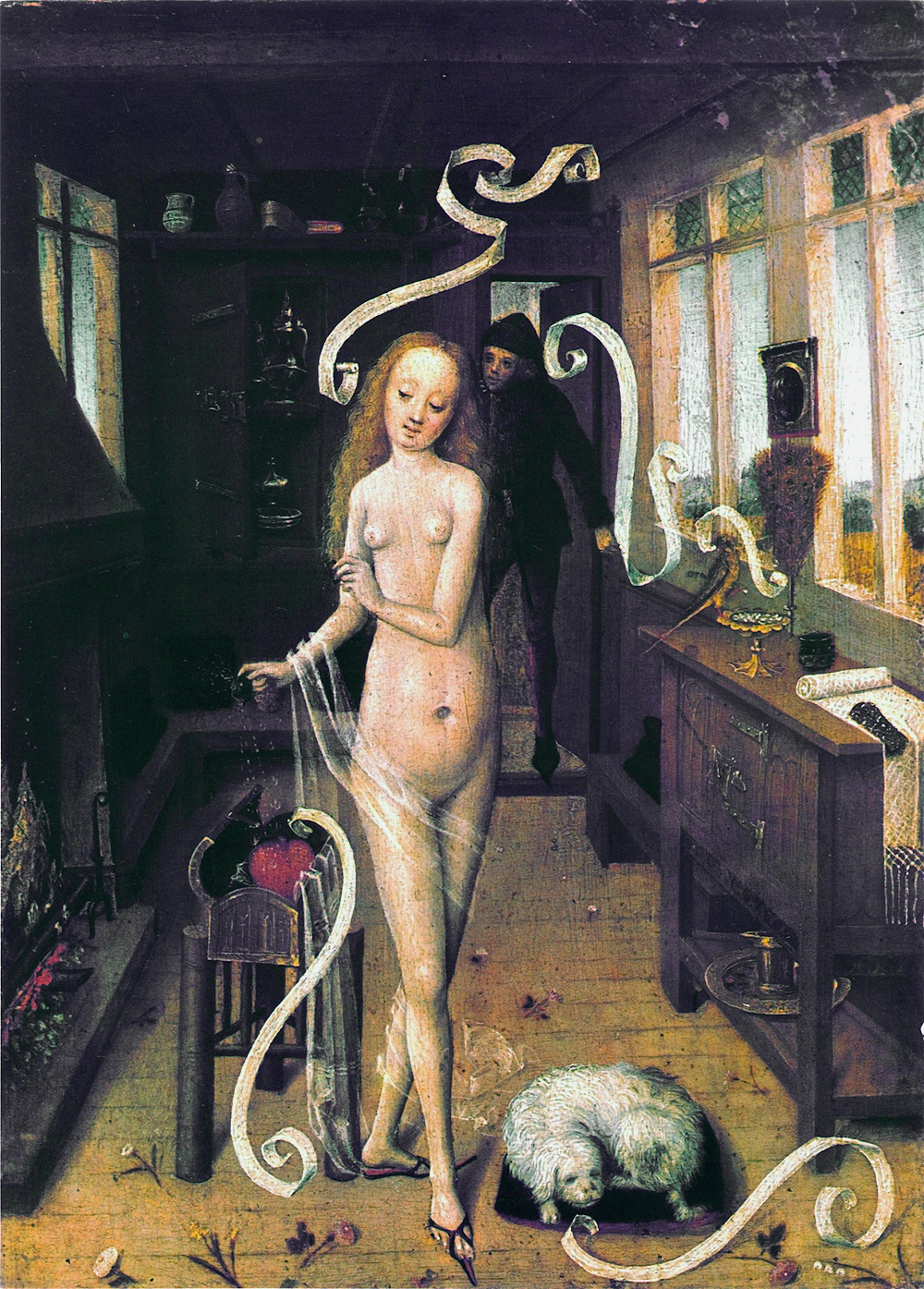 🇮🇶 Iraq and 5 moreLove magic
Rituals and spells used to attract, preserve, or end romantic relationships across many cultures.Tradition · Love and attraction · Cursing and harm Historical
🇮🇶 Iraq and 5 moreLove magic
Rituals and spells used to attract, preserve, or end romantic relationships across many cultures.Tradition · Love and attraction · Cursing and harm Historical
 🇪🇬 Egypt and 5 moreSacred dance
Movement used in worship to honour deities, heal communities, or connect with the spirit world.Tradition · Protection · Healing Living
🇮🇱 IsraelBanishing
Ceremonial magic rites used to clear a space of spiritual influences before other workings.Rite · Cleansing and purification Living
🇪🇬 Egypt and 5 moreSacred dance
Movement used in worship to honour deities, heal communities, or connect with the spirit world.Tradition · Protection · Healing Living
🇮🇱 IsraelBanishing
Ceremonial magic rites used to clear a space of spiritual influences before other workings.Rite · Cleansing and purification Living
Related elsewhere
All rite 🇫🇷 FranceLady of the LakeDame du Lac
A water spirit who raises knights and captures wizards in Arthurian talesFigure · Protection · Cursing and harm Legendary
🇬🇧 United KingdomGlaistig
A Scottish shape-shifting spirit linked to cattle, deer, and haunted castles.Being · Protection · Cursing and harm Legendary
🇫🇷 FranceLady of the LakeDame du Lac
A water spirit who raises knights and captures wizards in Arthurian talesFigure · Protection · Cursing and harm Legendary
🇬🇧 United KingdomGlaistig
A Scottish shape-shifting spirit linked to cattle, deer, and haunted castles.Being · Protection · Cursing and harm Legendary
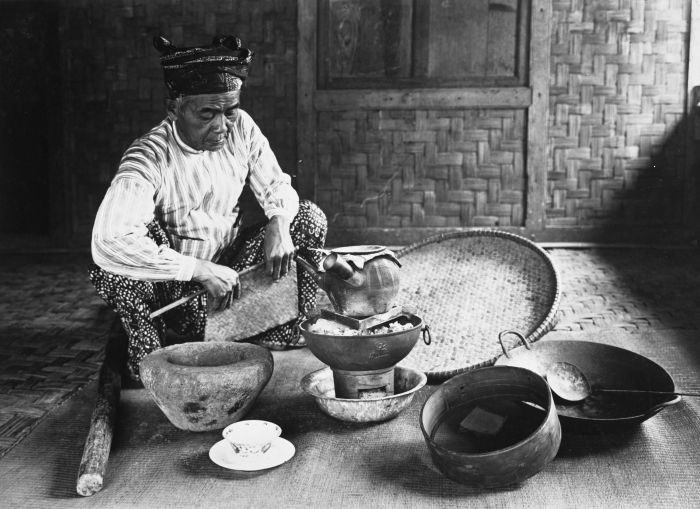 🇮🇩 Indonesia and 2 moreDukun
A traditional healer and spirit medium in Indonesian folk practiceTradition · Healing · Seeing and foretelling Living
🇮🇩 Indonesia and 2 moreDukun
A traditional healer and spirit medium in Indonesian folk practiceTradition · Healing · Seeing and foretelling Living
 🇷🇺 Russia and 4 moreBaba Yaga
A complex Slavic witch figure who lives in a moving hut and flies in a mortar.Figure · Cursing and harm · Protection Legendary
🇷🇺 Russia and 4 moreBaba Yaga
A complex Slavic witch figure who lives in a moving hut and flies in a mortar.Figure · Cursing and harm · Protection Legendary