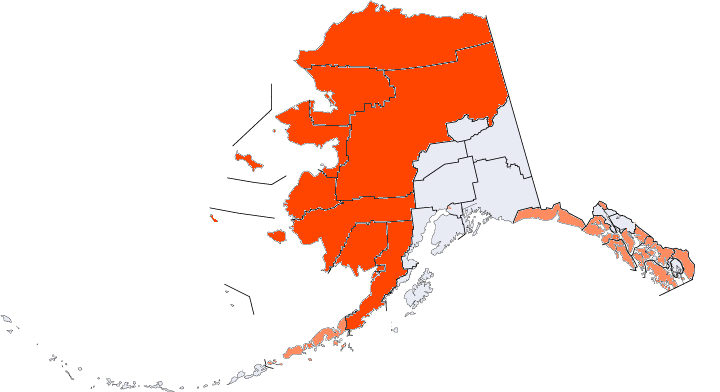
Indigenous communities in Alaska historically relied on shamans to bridge the human and spirit worlds. These specialists served as healers, mediators, and diviners, maintaining a deep connection with local animals and natural forces before colonial suppression.
- Inuit healers are called angakkuq; Yup’ik use angalkuq.
- Haida shamans, or sg̱aaga, fasted for eight days in the woods.
- Aleuts worshipped three worlds: highest, middle, and lowest.
- Athabaskan shamans used scapulimancy to find game.
- Colonial missions suppressed shamanism through boarding schools.
What it is
Shamanism formed the core spiritual framework for Alaska Native groups prior to Western contact. Practitioners acted as intermediaries between the visible world and the spirit realm. They maintained kinship with local animals and the land itself. This system provided a unified spiritual identity across diverse tribes. The practice centered on personifying animal spirits through myths and ceremonies. Shamans served as healers, social mediators, and messengers for the spirit world. Their role was vital for community cohesion and survival.
Where it comes from
The traditions developed independently among various Indigenous groups in Alaska. They share roots with shamanistic beliefs in northeastern Asia. The Aleut religion evolved from northern Inuit practices. It included a creator figure but focused on two guiding spirits. Early Aleuts worshipped celestial bodies and elements. They recognized three worlds: the highest, the middle earth, and the subterranean lowest world. These beliefs predated European arrival and shaped daily life.
How it is done
Shamans entered trances to communicate with spirits. Haida aspirants fasted and meditated in the woods for eight days. Successful candidates received messages and obtained power amulets, such as a land otter tongue. Athabaskan shamans used scapulimancy to locate game. Ceremonies involved singing, dancing, drumming, and wearing masks. Offerings of food, water, and tobacco were made to ancestors. Shamans also performed rituals to cleanse or protect against bad spirits like the Giyeg.
Tools and materials
Practitioners used specific items to channel power. Haida shamans wore seal-oil-soaked tunics and necklaces with animal claws. Coal blackened their faces during ceremonies. Long, uncombed hair was considered a source of strength. Amulets wrapped in clothing held spiritual significance. Drumming and masks were common in Aleut winter rites. Tobacco and feathers served as offerings to supernatural beings. Tools varied by tribe but always facilitated spirit communication.
Shamanism among Alaska Natives, drawn and placed
- Living
- Revived
- Fading
- Historical
- Legendary
- Performed
What it is for
Shamans healed the sick and foretold the future. They ensured success in hunting and warfare. Rituals protected people from harmful spirits and illness. Divination helped locate scarce game. Ceremonies guided deceased souls to the afterlife. Shamans mediated disputes and maintained social order. They addressed difficult childbirth and supernatural afflictions. The practice aimed to balance human needs with spiritual demands.
Who does it
Shamans were chosen or called to their role. Haida titles often passed from uncle to nephew. Aspirants underwent rigorous trials and apprenticeships. Shamans were revered medicine persons with extraordinary abilities. Some wielded power for evil, using puppets to threaten others. Credibility required demonstrating powers like surviving bullets. Training involved isolation, fasting, and enduring physical hardship. Both men and women could serve, though men were more common.
Peoples and places
Diverse groups practiced distinct forms of shamanism. Inuit healers were known as angakkuq, while Yup’ik used angalkuq. Aleuts focused on forbidden holy places and ancestor worship. Athabaskans emphasized protection from bad spirits and animal communication. Haida relied on sg̱aaga for supernatural access and ancestral guidance. Each group had unique cosmologies and rituals. Despite differences, all valued the shaman as a vital link to the spirit world.
At a glance: who, where and when
Who does it
Belief worlds

What people believe
Indigenous beliefs viewed the universe as layered and interconnected. Spirits inhabited animals, plants, mountains, and caves. Human and animal spirits were once closely linked. Mistreating an animal could bring havoc upon its offender. Death resulted from both natural and supernatural causes. Spirits of the dead continued to exist. Shamans translated between humans and these entities. Maintaining harmony with spirits was essential for survival and health.
When it is done
Ceremonies occurred during crises, funerals, and seasonal events. Aleuts likely held rites in winter with masks and dance. Potlatches marked death and honored the deceased. Offerings were made at holy sites year-round. Specific times were set for visiting forbidden locations. Life events like birth and illness triggered shamanic intervention. The calendar was driven by spiritual needs rather than fixed dates.
How scholars and sceptics see it
Anthropologists study shamanism as a response to environmental and social pressures. Historians note its suppression by Russian Orthodox and American Protestant missionaries. Boarding schools and criminalization led to knowledge loss. Syncretism allowed some practices to survive within Christian frameworks. Scholars recognize the diversity of Alaska Native traditions beyond the generic term 'shaman'. Research highlights the cultural specificity of each group's beliefs.
Cautions and what is closed
Colonial efforts actively suppressed traditional practices. Conversion campaigns and boarding schools disrupted transmission. Violating restrictions on holy sites was believed to cause madness or death. Evil shamans could harm others through puppet magic. The practice faced near-extinction due to external pressures. Today, it survives mainly in private or revived forms. Outsiders are often excluded from sacred knowledge and rites.
Compare and confuse
Alaska Native shamanism shares features with Siberian traditions. The term 'shaman' may not capture local nuances. Angakkuq and angalkuq are specific regional terms. Haida sg̱aaga required hereditary connections and strict rites. Unlike generic sorcery, these roles were integrated into community life. Comparisons to other Indigenous systems highlight shared themes of spirit mediation and animal kinship.
Law and persecution
Russian and American authorities criminalized ceremonial life. Missionary efforts aimed to replace indigenous beliefs with Christianity. Shamanic practices were suppressed through legal and social pressure. Some traditions survived hidden within Christian observances. Modern revival efforts face challenges from historical trauma. Legal status varies, but many practices remain culturally sensitive and restricted to insiders.
Questions people ask about Shamanism among Alaska Natives
What is shamanism among Alaska Natives?
It is a traditional spiritual system where shamans act as intermediaries between humans and the spirit world. Practitioners serve as healers, diviners, and mediators, maintaining kinship with animals and the land.
Where does this tradition come from?
It originated among Indigenous groups in Alaska, sharing roots with northeastern Asian shamanism. Each tribe, such as the Aleuts, Athabaskans, and Haida, developed distinct practices based on their local environment and cosmology.
How did shamans acquire their power?
Aspirants often underwent rigorous trials, including fasting and isolation. For example, Haida candidates meditated in the woods for eight days to receive spirit messages and obtain power amulets.
Why is it considered fading today?
Colonial suppression by Russian and American missionaries, along with boarding schools, severely disrupted transmission. While some aspects survived through syncretism, public practice declined significantly.
Good reading and sources
The facts on this page come from the Wikipedia article "Shamanism among Alaska Natives", written by its contributors and used under the CC BY-SA 4.0 licence, and from its Wikidata record (CC0). EveryJaadu rewrote the text in its own words, with AI assistance, and compares every page with the article to make sure no passage is copied. It may be reused under the same CC BY-SA 4.0 licence with a link back.
It may contain mistakes. Names and customs differ from one community to the next, and some knowledge is closed to outsiders and left out here. This page describes belief and practice. It does not say that any of it works, it is not a how-to, and it is not medical advice. If something is wrong, tell us. Last refreshed 2026-10-07.
More from the United States
All the entries from the United States 🇺🇸 United States and 3 moreMediumship
The practice of mediating communication between the living and spirits of the dead.Tradition · Speaking with spirits and the dead Living
🇺🇸 United States and 3 moreMediumship
The practice of mediating communication between the living and spirits of the dead.Tradition · Speaking with spirits and the dead Living
 🇺🇸 United StatesFolk healer
An unlicensed community member who provides healing care using local plants and traditional knowledge.Tradition · Healing · Protection Historical
🇺🇸 United StatesFolk healer
An unlicensed community member who provides healing care using local plants and traditional knowledge.Tradition · Healing · Protection Historical
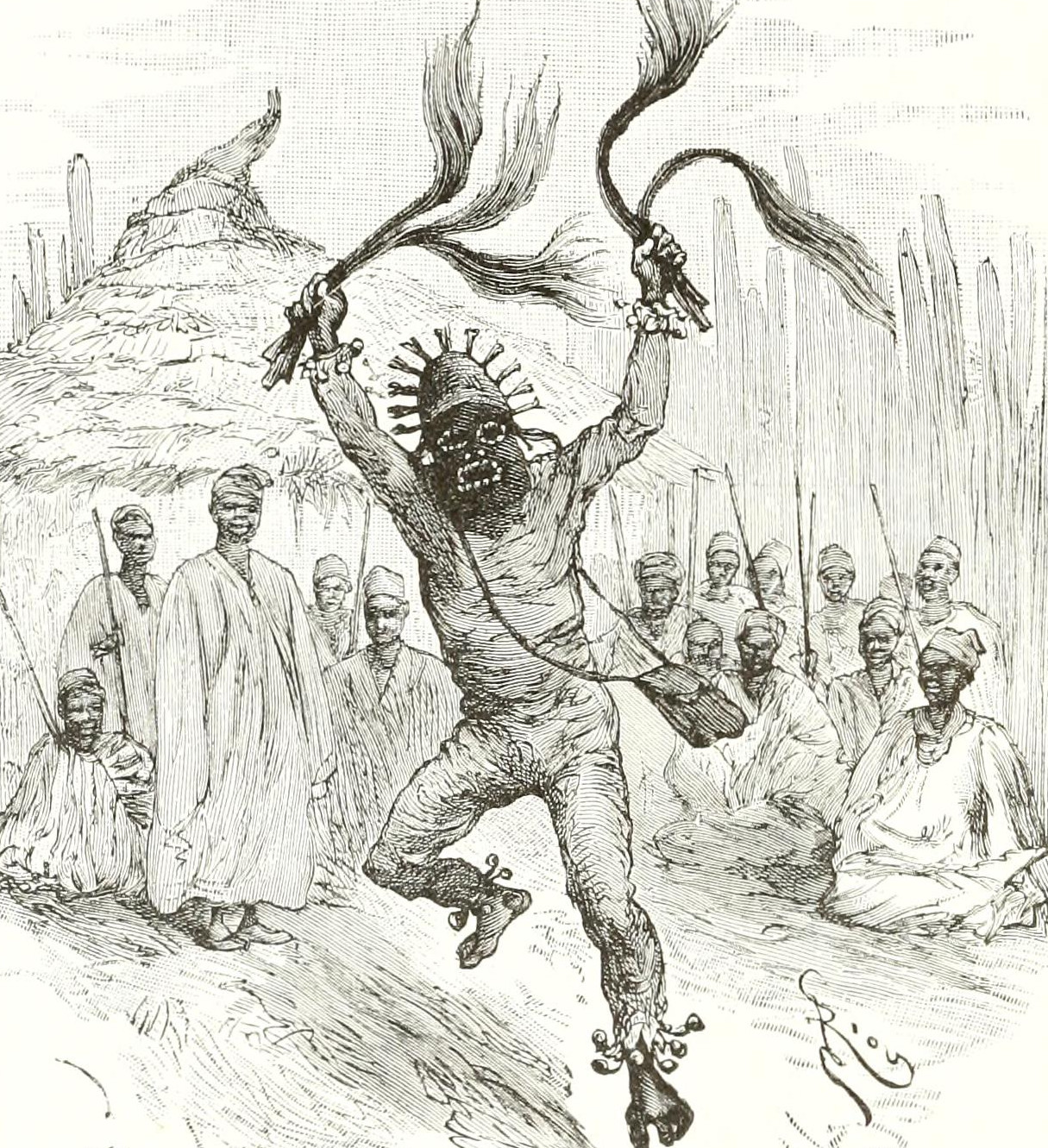 🇺🇸 United States and 2 moreLouisiana Voodoo
An African diasporic religion practiced in Louisiana from the 18th to early 20th centuriesTradition · Healing · Protection Historical
🇺🇸 United States and 2 moreLouisiana Voodoo
An African diasporic religion practiced in Louisiana from the 18th to early 20th centuriesTradition · Healing · Protection Historical
 🇺🇸 United States and 4 moreRainmaking
Efforts to induce rain through technology, ritual, or prayer.Tradition · Protection · Healing Living
🇺🇸 United States and 4 moreRainmaking
Efforts to induce rain through technology, ritual, or prayer.Tradition · Protection · Healing Living
Related elsewhere
All tradition 🇨🇱 Chile and 1 moreMachi
Mapuche spiritual authorities and healers who bridge herbal knowledge and spirit realmsTradition · Healing · Speaking with spirits and the dead Living
🇨🇱 Chile and 1 moreMachi
Mapuche spiritual authorities and healers who bridge herbal knowledge and spirit realmsTradition · Healing · Speaking with spirits and the dead Living
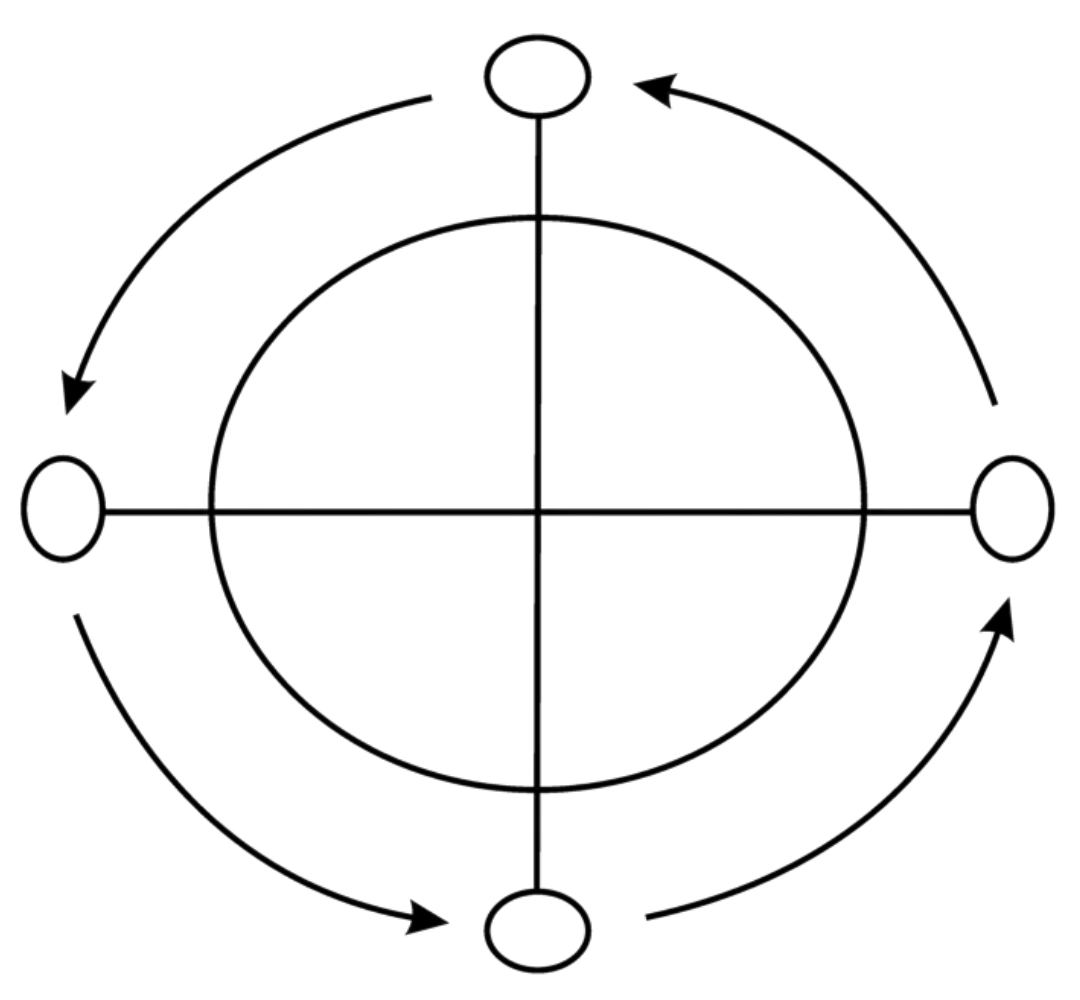 🇨🇩 Democratic Republic of the Congo and 4 moreNganga
A spiritual healer and ritual specialist in Kongo religion and its diaspora traditionsTradition · Healing · Seeing and foretelling Living
🇨🇩 Democratic Republic of the Congo and 4 moreNganga
A spiritual healer and ritual specialist in Kongo religion and its diaspora traditionsTradition · Healing · Seeing and foretelling Living
 🇺🇸 United StatesKahuna
A Hawaiian expert or priest, keeper of hidden knowledge in craft and spiritTradition · Healing · Seeing and foretelling Living
🇺🇸 United StatesKahuna
A Hawaiian expert or priest, keeper of hidden knowledge in craft and spiritTradition · Healing · Seeing and foretelling Living
 🇮🇳 IndiaNechung Oracleགནས་ཆུང་ཏ་བླ་མ
The official prophetic medium and spiritual advisor to Tibet's Dalai LamaOracle · Seeing and foretelling · Protection Living
🇮🇳 IndiaNechung Oracleགནས་ཆུང་ཏ་བླ་མ
The official prophetic medium and spiritual advisor to Tibet's Dalai LamaOracle · Seeing and foretelling · Protection Living