
Ectoplasm
from Ancient Greek ektos (outside) and plasma (something formed)
A substance said to be excreted by mediums during séances, later exposed as common household materials.
Ectoplasm is a term coined in 1894 for a material substance claimed to emerge from physical mediums during trance states. Practitioners believe it allows spirits to interact with the physical world, though researchers and skeptics have consistently identified it as fraud using items like cheesecloth and paper.
- Coined by Charles Richet in 1894
- Often exposed as cheesecloth or paper
- Used in Brazilian Spiritism theology
- Mina Crandon's hand was carved liver
- Decline caused by exposure of fraud
What it is
Ectoplasm refers to a viscous or gauze-like substance that spiritualists claim is exteriorized by physical mediums. The concept emerged in the late nineteenth century as psychical researchers sought tangible proof of spirit communication. It is described as a bridge between the physical body and the non-physical realm, allowing entities to manifest visibly or audibly. While some accounts suggest it begins clear and becomes opaque as energy intensifies, others note it may emit strong odors. The term was introduced by Charles Richet in 1894 to categorize these reported phenomena within the study of paranormal activity.
Where it comes from
The word derives from Ancient Greek roots meaning 'outside' and 'formed.' Early psychical researchers developed the concept to explain reports of table turning and tapping during séances. Count Agenor de Gasparin and his colleague M. Thury initially hypothesized an 'ectenic force' to account for these movements. Later investigators expanded this into ideas about internal fluids like the 'psychode' or 'psychic force,' which were thought to reside within the human body. These theories attempted to provide a physical mechanism for what observers perceived as supernatural influence over matter.
How it is done
During séances held in near darkness, mediums enter a trance state. Observers report that a substance emerges from the medium's body orifices. This material is said to drape over invisible spirits, enabling them to touch objects or form shapes. Some narratives claim the substance disintegrates if exposed to light. Investigators often documented these events through photography, capturing images of vague forms or limbs emerging from the darkness. The process relies heavily on low lighting conditions to conceal the mechanics of the manifestation.
Tools and materials
The alleged substance varies in description, ranging from vaporous mist to plastic paste or fine threads. However, investigations revealed that many examples were constructed from ordinary materials. Mediums used cheesecloth, gauze, butter muslin, and tissue paper. Some practitioners smoothed textiles with potato starch or mixed soap, gelatin, and egg white to create moldable forms. Magazine cut-outs were frequently attached to these fabrics to represent specific faces or figures. These items were often hidden on the medium's person or in the séance room.
Ectoplasm, drawn and placed
- Living
- Revived
- Fading
- Historical
- Legendary
- Performed
- Lineage
- Spiritualism
- Timing
- during séances in darkness
What it is for
The primary goal of ectoplasmic manifestations was to prove the survival of consciousness after death. Spiritualists believed that visible materialization provided undeniable evidence of contact with departed loved ones. Families sought comfort and closure through these sessions, hoping to hear voices or see familiar features. The phenomenon was also used to demonstrate the power of psychic energy. Researchers and believers alike looked for signs of levitation or object movement facilitated by the ectoplasmic force.
Who does it
Physical mediums are the central figures in ectoplasmic practice. They undergo training to induce trance states and control the purported secretion of ectoplasm. Historically, many prominent mediums gained fame through public demonstrations. However, the role carries significant risk due to widespread skepticism. Investigators such as Hereward Carrington and Harry Price actively studied these individuals, often exposing deceptive techniques. The reputation of a medium depends entirely on their ability to produce convincing effects without being caught fabricating them.
Peoples and places
The belief in ectoplasm spread across Europe and beyond, particularly within Spiritualist circles. In Brazil, Spiritism incorporates ectoplasm into its theological framework, describing it as a plastic matter between dense and perispiritual states. Brazilian mediums like Divaldo Pereira Franco are cited in texts that define ectoplasm's role in materialization. In Europe, French, German, and British researchers extensively documented both genuine claims and fraudulent exposures. The practice varied by region, with local customs influencing how mediums prepared for séances and what materials they employed.
At a glance: who, where and when
Peoples
Belief worlds
Occasions

What people believe
Spiritualists view ectoplasm as a real energetic substance that bridges worlds. They hold that it solidifies when channeled through a sensitive individual. Critics and scientists argue that no such substance exists. Psychological explanations suggest that ectoplasm represents ideoplasty, where the medium unconsciously projects mental images onto physical materials. Skeptics point out that the reliance on darkness and the ease of faking the substance undermine its credibility. The debate centers on whether the phenomena result from natural deception or unknown physical forces.
When it is done
Séances involving ectoplasm typically occurred whenever clients requested spiritual contact. There were no fixed calendar dates tied to the practice. Sessions were often scheduled based on personal crises or grief. The timing relied on the availability of a medium willing to perform physical manifestations. Darkness was a constant requirement, regardless of the time of day or season. The practice declined rapidly in the early twentieth century as public interest waned following numerous scandals.
How scholars and sceptics see it
Psychical researchers initially sought to validate ectoplasm as a scientific discovery. Figures like Gustav Geley and Arthur Conan Doyle described its properties in detail. However, subsequent investigations by independent scholars revealed consistent patterns of fraud. Eric Dingwall and Harry Price published analyses showing how mediums concealed materials. Biologists examined supposed ectoplasmic hands and identified them as carved animal liver or cloth. Academic consensus now regards ectoplasm as a historical curiosity rather than a paranormal fact, attributing reports to elaborate hoaxes.
Cautions and what is closed
The pursuit of ectoplasm led to significant financial loss for grieving families who paid for fraudulent services. Many mediums were exposed for swallowing and regurgitating cheesecloth or hiding materials in their bodies. Legal and social repercussions followed high-profile exposures, damaging the reputation of the entire Spiritualist movement. Fraudsters faced public humiliation and professional ruin. The case of Mina Crandon, whose ectoplasmic hand was proven to be animal tissue, highlighted the dangers of accepting unverified claims without rigorous scrutiny.
Compare and confuse
Ectoplasm is often confused with general spiritual energy or chi, but it specifically refers to materialized substance. It differs from stage magic, which openly acknowledges trickery, whereas ectoplasm claims supernatural origin. The concept shares similarities with alchemical substances but lacks the transformative goals of chemistry. In modern contexts, it is sometimes compared to cold fusion or other disputed scientific claims that lack empirical support. The term remains distinct from standard biological secretions due to its purported paranormal nature.
Questions people ask about Ectoplasm
What is ectoplasm?
Ectoplasm is a substance claimed by spiritualists to be excreted by mediums during séances. It is said to allow spirits to interact with the physical world. Researchers have consistently identified it as fraud using common materials.
Where does the word come from?
The term comes from Ancient Greek words ektos, meaning outside, and plasma, meaning something formed. It was introduced in 1894 to describe the exteriorized energy reported in physical mediumship.
Is ectoplasm scientifically proven?
No scientific evidence supports the existence of ectoplasm. Investigations by psychical researchers and biologists have repeatedly shown that purported samples are made of cheesecloth, paper, or animal parts.
How was it used in séances?
Mediums would enter trances in dark rooms and allegedly secrete a gauze-like substance. This material was draped over invisible spirits to make them visible or audible to sitters seeking contact with the dead.
Good reading and sources
- Ectoplasm (paranormal) on WikipediaEncyclopedia
- More photos on Wikimedia CommonsPhotos and video
- Wikidata recordOpen data
The facts on this page come from the Wikipedia article "Ectoplasm (paranormal)", written by its contributors and used under the CC BY-SA 4.0 licence, and from its Wikidata record (CC0). EveryJaadu rewrote the text in its own words, with AI assistance, and compares every page with the article to make sure no passage is copied. It may be reused under the same CC BY-SA 4.0 licence with a link back.
It may contain mistakes. Names and customs differ from one community to the next, and some knowledge is closed to outsiders and left out here. This page describes belief and practice. It does not say that any of it works, it is not a how-to, and it is not medical advice. If something is wrong, tell us. Last refreshed 2026-10-07.
More from France
All the entries from France 🇬🇧 United Kingdom and 2 moreKing ArthurBrenin Arthur
A legendary British king and folk hero of medieval literature and Welsh mythologyFigure · Power and authority · Wonder and entertainment Legendary
🇬🇧 United Kingdom and 2 moreKing ArthurBrenin Arthur
A legendary British king and folk hero of medieval literature and Welsh mythologyFigure · Power and authority · Wonder and entertainment Legendary
 🇩🇪 Germany and 5 moreWitch trials in the Holy Roman Empire
A wave of executions across Central Europe between the fifteenth and eighteenth centuries.Belief · Cursing and harm Historical
🇩🇪 Germany and 5 moreWitch trials in the Holy Roman Empire
A wave of executions across Central Europe between the fifteenth and eighteenth centuries.Belief · Cursing and harm Historical
 🇫🇷 France and 1 moreNostradamus
A French astrologer and physician known for a book of poetic propheciesText · Seeing and foretelling · Power and authority Historical
🇫🇷 France and 1 moreNostradamus
A French astrologer and physician known for a book of poetic propheciesText · Seeing and foretelling · Power and authority Historical
 🇫🇷 FranceWitch trials in France
A fragmented history of legal persecution for sorcery across French regions and centuries.Belief · Cursing and harm Historical
🇫🇷 FranceWitch trials in France
A fragmented history of legal persecution for sorcery across French regions and centuries.Belief · Cursing and harm Historical
Related elsewhere
All substance 🇮🇳 IndiaChakraचक्र
Meditation points in the subtle body used in Hindu and Buddhist yogaTradition · Speaking with spirits and the dead · Change and initiation Living
🇮🇳 IndiaChakraचक्र
Meditation points in the subtle body used in Hindu and Buddhist yogaTradition · Speaking with spirits and the dead · Change and initiation Living
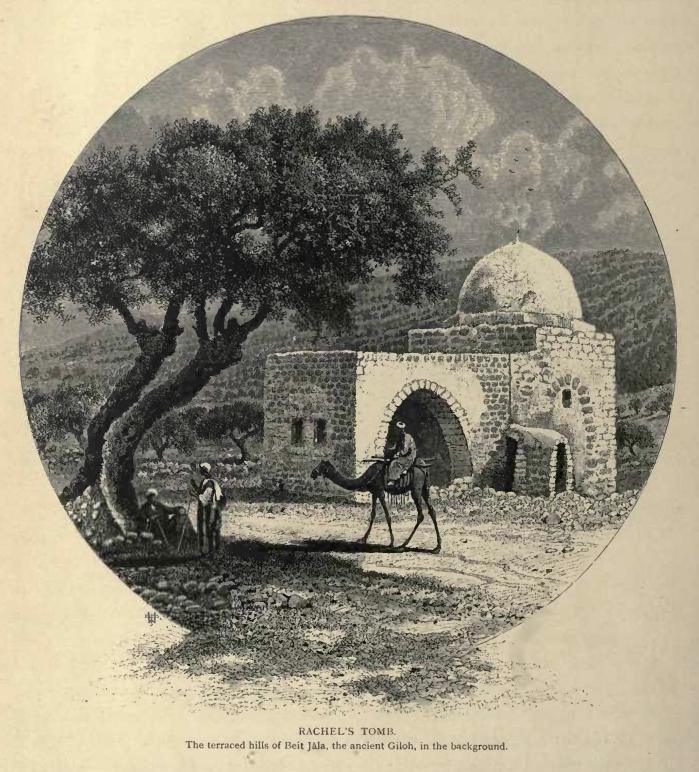 🇵🇸 Palestine and 1 moreRachel's TombQever Raḥel; Qabr Rāḥīl
A shared holy site near Bethlehem revered by Jews, Christians, and MuslimsTradition · Speaking with spirits and the dead · Protection Living
🇵🇸 Palestine and 1 moreRachel's TombQever Raḥel; Qabr Rāḥīl
A shared holy site near Bethlehem revered by Jews, Christians, and MuslimsTradition · Speaking with spirits and the dead · Protection Living
 🇳🇬 NigeriaOrunmilaỌ̀rúnmìlà
Yoruba deity of wisdom and the creator of the Ifá divination systemBeing · Seeing and foretelling · Speaking with spirits and the dead Living
🇳🇬 NigeriaOrunmilaỌ̀rúnmìlà
Yoruba deity of wisdom and the creator of the Ifá divination systemBeing · Seeing and foretelling · Speaking with spirits and the dead Living
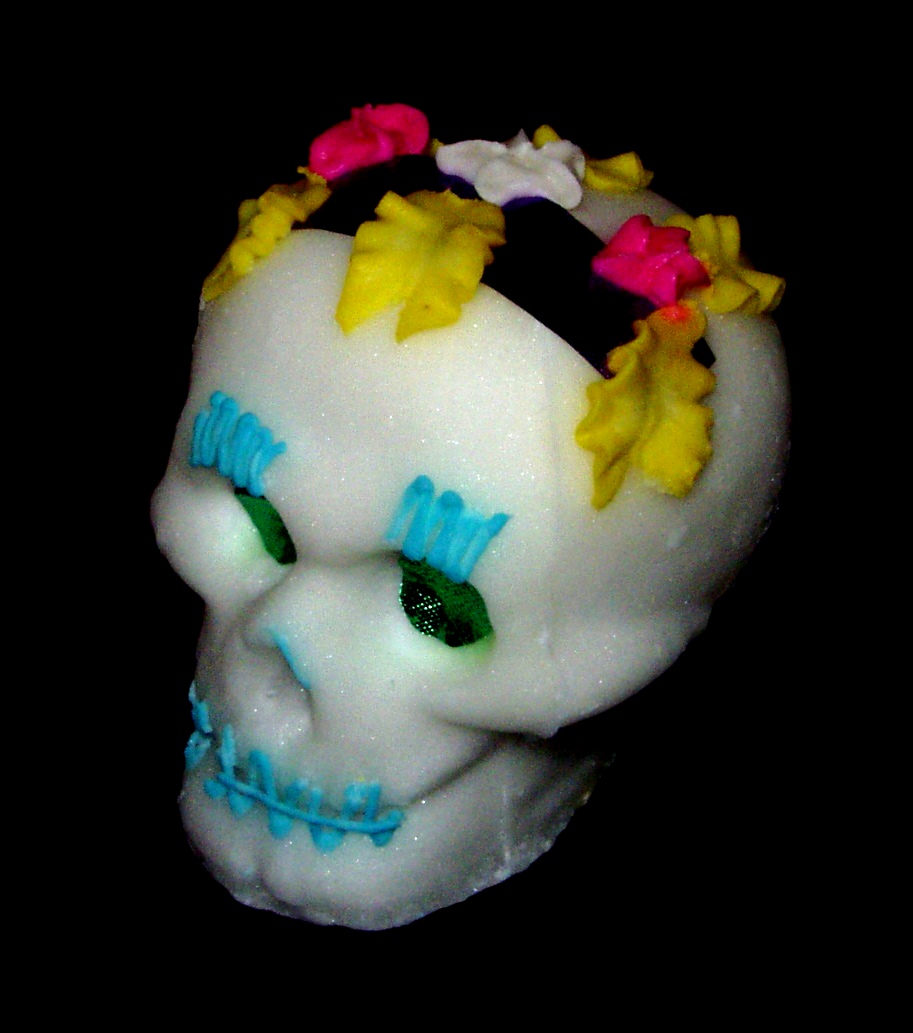 🇲🇽 MexicoCalavera
A sugar or clay skull used in Mexican Day of the Dead celebrations.Charm · Speaking with spirits and the dead · Luck and prosperity Living
🇲🇽 MexicoCalavera
A sugar or clay skull used in Mexican Day of the Dead celebrations.Charm · Speaking with spirits and the dead · Luck and prosperity Living