
Entheogenics and the Maya
from Greek en-theos (full of god) and genesthai (to become)
Hallucinogenic substances used by the Maya for spiritual rituals and healing
The Maya of Mexico and Central America used hallucinogenic plants and fungi to communicate with divine powers. These substances, known as entheogens, were central to religious ceremonies, healing practices, and divination.
- Cane toad toxin was used for spirit communication
- Mushroom stones date back to 1000 BC
- Balché drink aided in divination rituals
- Tobacco was used to minimize sacrifice pain
- Water lilies acted as calming sedatives
What it is
Entheogenics refers to the use of psychoactive substances to facilitate spiritual experiences. The Maya people utilized a variety of hallucinogenic plants and fungi for this purpose. These substances are believed to allow users to enter altered states of consciousness. This state is thought to enable communication with divine entities or spirits. The practice is deeply rooted in Mesoamerican culture, dating back to the Olmec era. Archaeological evidence suggests these rituals were integral to religious life. The term 'entheogen' itself was coined in the late twentieth century to describe this phenomenon.
Where it comes from
The use of psychoactive substances in Mesoamerica extends back thousands of years. Evidence points to the Olmec civilization (1200-400 BCE) as an early adopter. Mayan religious texts and archaeological findings provide insight into these ancient practices. Some scholars link these traditions to even older cave art in Algeria. However, the specific Maya context is distinct. The practice evolved alongside Mayan cosmology and social structures. It was not merely recreational but served profound spiritual functions within the community.
How it is done
Rituals involved various methods of ingestion to induce altered states. Tobacco was smoked, chewed, or made into tea. Enemas were used to intensify the effects of certain substances. Fermented drinks like balché were consumed in large quantities. Mushrooms were eaten directly during ceremonies. Healers would consume these substances to diagnose illness or seek wisdom. Diviners used them to foresee future events or understand unclear circumstances. The process often involved group participation in sacred spaces.
Tools and materials
Several key substances were employed in these rituals. Cane toad secretions provided potent toxins for spirit communication. Wild tobacco, called piziet, was central to ceremonies. Psilocybin mushrooms, known as teonanàcatl, induced visual hallucinations. Water lilies acted as sedatives and trance inducers. Morning glory seeds contained powerful alkaloids for visions. Balché, a fermented bark and honey drink, aided divination. Ceramic vessels often depicted these tools and their use in rituals.
Entheogenics and the Maya, drawn and placed
- Living
- Revived
- Fading
- Historical
- Legendary
- Performed
- Lineage
- Mesoamerican ritual practice
- Timing
- during religious rituals, healing ceremonies, and divination
What it is for
The primary goal was to bridge the gap between the human and divine worlds. Healers used entheogens to identify the causes of sickness. Diviners sought clarity on war outcomes, fortune shifts, and illnesses. Rituals aimed to gain enlightenment and ancestral wisdom. Substances also helped manage pain during self-sacrifice practices. They served to calm sacrificial victims before public rites. Overall, these practices reinforced religious beliefs and social cohesion among the Maya.
Who does it
Shamans and priests were the primary practitioners of entheogenic rituals. Shamans diagnosed illnesses by seeking transformative experiences through drug use. Priests led religious ceremonies involving these substances. Training likely involved initiation and knowledge passed down through generations. However, the status of these individuals was significant within Mayan society. They acted as intermediaries between the community and the spirit world.
Peoples and places
The Maya are the primary focus, but Aztec and Olmec cultures also used similar substances. Mesoamerican cultures broadly shared these entheogenic traditions. Different groups may have emphasized different plants or methods. For instance, the Aztecs referred to mushrooms as teonanàcatl. The Maya had their own names, such as nikte'ha' for water lilies. Regional variations existed in the specific species used and the rituals performed. Despite differences, the core purpose of spiritual connection remained consistent across these cultures.
At a glance: who, where and when
Who does it
Belief worlds


What people believe
Mayan cosmology viewed these substances as gifts from the divine. They were believed to open channels to the spirit world. Altered states were interpreted as direct interaction with gods or ancestors. The effects of the plants were seen as manifestations of spiritual power. Rituals reinforced the belief in a interconnected universe. Spirits were thought to offer guidance, healing, and foresight. The use of entheogens was a sacred act, not a casual one. It maintained the balance between the physical and spiritual realms.
When it is done
However, rituals were tied to festivals, crises, and journeys. Divination often preceded important decisions or military campaigns. Healing ceremonies were conducted when illness struck. Sacrificial rites involved substances to calm victims. The timing was likely dictated by religious authorities based on cosmic cycles. Seasonal changes may have influenced the availability of certain plants.
How scholars and sceptics see it
Anthropologists and historians study archaeological evidence like ceramic residues and mushroom stones. Ethnohistorical data helps reconstruct past practices. Scholars note the therapeutic and religious roles of these substances. Some compare Mayan water lily use to Egyptian lotus rituals. Researchers analyze how entheogens influenced Mayan art and mythology. Sceptics may question the extent of recreational versus spiritual use. The academic consensus acknowledges the deep spiritual significance of these practices in Mayan culture.
Cautions and what is closed
Some substances, like cane toad toxin, can be fatal if misused. Improper preparation could lead to death. Recreational use might have occurred but carried risks. Self-sacrifice practices involved physical danger. Closed knowledge regarding specific rituals may exist within indigenous communities today. Outsiders are generally not privy to restricted ceremonial details.
Compare and confuse
Mayan entheogenic practices share similarities with other Mesoamerican cultures like the Aztecs. Both groups used mushrooms and other plants for spiritual purposes. Comparisons are sometimes drawn to ancient Egyptian use of water lilies. However, each culture developed unique rituals and symbolism. The term 'entheogen' applies broadly, but specific substances and methods varied. Understanding these differences highlights the diversity of magical practices in the ancient world.
Questions people ask about Entheogenics and the Maya
What are entheogens?
Entheogens are psychoactive substances used to facilitate spiritual experiences. The term means 'within the god' and describes substances that inspire divine connection.
Which plants did the Maya use?
The Maya used tobacco, psilocybin mushrooms, water lilies, and morning glory seeds. These were ingested through smoking, drinking, or eating during rituals.
Why did the Maya use these substances?
They used them to communicate with spirits, heal illnesses, foresee the future, and gain wisdom. These practices were central to their religious and social life.
How old is this tradition?
Evidence suggests use dates back to the Olmec era, around 1200 BCE. This makes it one of the oldest recorded entheogenic traditions in the Americas.
Good reading and sources
The facts on this page come from the Wikipedia article "Entheogenics and the Maya", written by its contributors and used under the CC BY-SA 4.0 licence, and from its Wikidata record (CC0). EveryJaadu rewrote the text in its own words, with AI assistance, and compares every page with the article to make sure no passage is copied. It may be reused under the same CC BY-SA 4.0 licence with a link back.
It may contain mistakes. Names and customs differ from one community to the next, and some knowledge is closed to outsiders and left out here. This page describes belief and practice. It does not say that any of it works, it is not a how-to, and it is not medical advice. If something is wrong, tell us. Last refreshed 2026-10-06.
More from Mexico
All the entries from Mexico 🇲🇽 Mexico and 5 moreObsidian
Volcanic glass used for sharp tools, mirrors, and ritual divinationSubstance · Cursing and harm · Seeing and foretelling Historical
🇲🇽 Mexico and 5 moreObsidian
Volcanic glass used for sharp tools, mirrors, and ritual divinationSubstance · Cursing and harm · Seeing and foretelling Historical
 🇨🇺 Cuba and 2 moreSanteríaRegla de Ocha
An Afro-Cuban religion blending Yoruba beliefs with Catholicism and SpiritismTradition · Protection · Healing Living
🇨🇺 Cuba and 2 moreSanteríaRegla de Ocha
An Afro-Cuban religion blending Yoruba beliefs with Catholicism and SpiritismTradition · Protection · Healing Living
 🇲🇽 Mexico and 5 moreWitchcraft in Latin AmericaBrujería
A syncretic blend of Indigenous, African, and European magical practices across Latin AmericaTradition · Protection · Healing Living
🇲🇽 Mexico and 5 moreWitchcraft in Latin AmericaBrujería
A syncretic blend of Indigenous, African, and European magical practices across Latin AmericaTradition · Protection · Healing Living
 🇲🇽 Mexico and 3 moreCurandero
A folk healer in Latin America and the United States who blends indigenous and Catholic traditions.Tradition · Healing · Protection Living
🇲🇽 Mexico and 3 moreCurandero
A folk healer in Latin America and the United States who blends indigenous and Catholic traditions.Tradition · Healing · Protection Living
Related elsewhere
All tradition 🇮🇹 Italy and 3 moreRenaissance magic
A 15th and 16th century revival of magical arts blending philosophy, astrology, and hidden knowledge.Tradition · Power and authority · Seeing and foretelling Historical
🇮🇹 Italy and 3 moreRenaissance magic
A 15th and 16th century revival of magical arts blending philosophy, astrology, and hidden knowledge.Tradition · Power and authority · Seeing and foretelling Historical
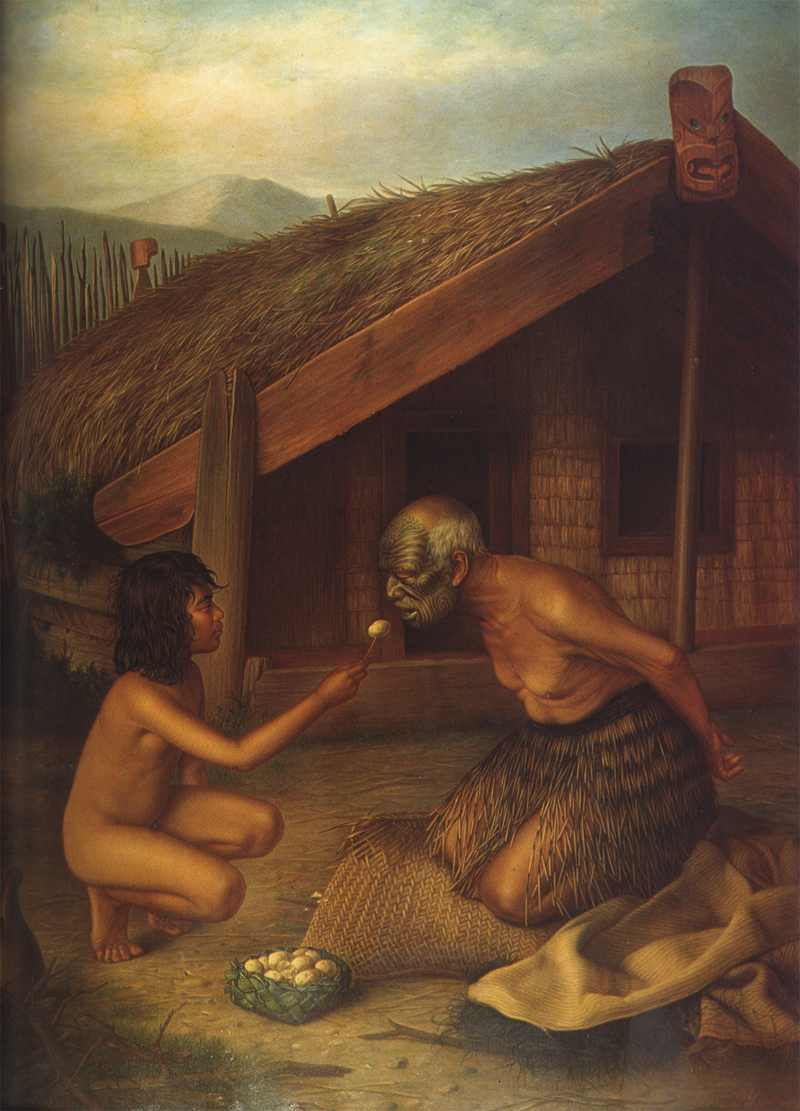 🇳🇿 New ZealandTohunga
A Māori expert practitioner of sacred or secular arts, from priests to carvers.Tradition · Healing · Seeing and foretelling Living
🇳🇿 New ZealandTohunga
A Māori expert practitioner of sacred or secular arts, from priests to carvers.Tradition · Healing · Seeing and foretelling Living
 🇮🇶 Iraq and 5 moreGrimoire
A textbook containing instructions for spells, rituals, and the creation of magical objects.Text · Protection · Healing Historical
🇮🇶 Iraq and 5 moreGrimoire
A textbook containing instructions for spells, rituals, and the creation of magical objects.Text · Protection · Healing Historical
 🇮🇳 India and 5 moreSnake worship
Veneration of serpents as divine or ancestral beings across global culturesTradition · Protection · Healing Living
🇮🇳 India and 5 moreSnake worship
Veneration of serpents as divine or ancestral beings across global culturesTradition · Protection · Healing Living