The jengu are water spirits venerated by Sawabantu-speaking communities along the coast of Cameroon. They act as intermediaries between humans and ancestors, offering protection, fortune, and healing to those who honor them.
- Jengu are water spirits revered by coastal Cameroonians
- They act as intermediaries between humans and ancestors
- The Ngondo festival features a diver bringing messages from the spirits
- Bakweri initiation involves seclusion and stream immersion
- Similarities exist with Kongo simbi and Mami Wata traditions
What it is
The jengu are spiritual beings associated with water in the traditions of several ethnic groups on the coast of Cameroon. These communities describe them as beautiful figures resembling mermaids, often featuring long hair and distinctive teeth. They inhabit rivers, lakes, and the ocean. The jengu serve as a bridge between the human world and the realm of ancestors. They are believed to control the fates of people and animals living near the water. Veneration of these spirits is central to the spiritual life of the Duala and related peoples.
Where it comes from
The worship of jengu likely originated further west, possibly among the Ijo people, before spreading eastward through various coastal groups. By the early nineteenth century, European traders noted that this practice was already well established. Early missionary efforts to suppress the cult were largely unsuccessful. The tradition has persisted through colonial periods and into modern times, maintaining its significance in local religious life across the Littoral and Southwest Provinces of Cameroon.
How it is done
Rituals vary by community but often involve offerings and ceremonies led by specialists. Before fishing or traveling by boat, individuals may offer prayers or sacrifices. The most prominent public event is the Ngondo festival in Douala. During this celebration, a specialist dives into the Wouri River carrying gifts for the spirits. He remains underwater for several minutes, returning with a message about the coming year. Other rituals include healing ceremonies where a healer uses specific medicines and taboos to treat illness when conventional methods fail.
Tools and materials
Practitioners use specific items during ceremonies. Traditional garb includes capes, skirts, and headdresses made from raffia fronds. Palm fronds and wooden paddles are carried during river rituals. Healing rites may involve sacrificing a cock and a goat. A small stool is waved over the patient's head during treatment. In some initiation rites, participants rub their bodies with red camwood. A dry calabash is sometimes retrieved from the water as a sign of the spirits' presence.
Jengu, drawn and placed
- Living
- Revived
- Fading
- Historical
- Legendary
- Performed
- Lineage
- Sawabantu traditional spirituality
- Timing
- annual festivals, initiation rites, before fishing or travel
What it is for
People seek the jengu for good fortune, protection from disease, and guidance. They are called upon to end epidemics and ensure victory in pirogue races. The spirits are also invoked for healing when standard medicine does not work. Among the Bakweri, the jengu are integral to the rite of passage for young girls entering womanhood. The spirits provide messages about the future and the succession of leadership within the community.
Who does it
Specialists known as Earth priests undergo extensive training to communicate with the miengu. These experts lead secret societies and perform complex rituals. Historically, membership in the Duala cult was restricted to pure-blooded members, though this has changed. Today, both men and women can join, although practices differ by group. Among the Bakweri, the cult is primarily female-led, while it remains mostly male among the Duala and Limba.
Peoples and places
The jengu are central to the Sawabantu-speaking peoples of Cameroon. This includes the Duala, Bakweri, Limba, Subu, Bakoko, and Oroko. Each group has its own variations in naming and ritual. The Bakweri refer to the spirits as liengu and maengu. Their initiation rites involve seclusion, visions, and immersion in streams. The Duala focus on the annual Ngondo festival and political offerings. The tradition reflects the diverse cultural landscape of the Cameroonian coast.
At a glance: who, where and when
Who does it
Belief worlds
What people believe
The jengu are guardians of the natural world and spiritual guides. They control the destiny of humans and aquatic animals. Believers hold that the spirits live in a kingdom beneath the water. Communication with them requires specific rituals and offerings. The spirits are seen as sources of power and knowledge. They can bring prosperity or harm depending on how they are treated. The belief system integrates the physical environment with the spiritual ancestry of the community.
When it is done
The most significant event is the annual Ngondo festival, which began in 1949. It takes place in Douala and involves public ceremonies on the beach. Private rituals occur the night before on Jebale Island. Initiation rites for the Bakweri take nearly a year to complete. These involve periods of seclusion and specific seasonal activities. Simple offerings are made before fishing trips or journeys by water throughout the year.
How scholars and sceptics see it
Anthropologists study the jengu cult as a key element of coastal Cameroonian identity. Researchers note the adaptation of the tradition through colonial and post-colonial periods. The persistence of the cult despite missionary opposition highlights its resilience. Scholars observe the role of the jengu in social cohesion and political authority. The connection to broader West and Central African water spirit traditions, such as Mami Wata, is also examined.
Cautions and what is closed
Initiation into the Bakweri cult involves strict taboos and isolation. Participants must follow specific rules during their seclusion. Failure to adhere to these guidelines is believed to have negative consequences. The rituals require deep commitment and understanding of the secret language. Outsiders are generally excluded from the inner workings of the cult. The practices are considered sacred and are not open to casual observation.
Compare and confuse
The jengu are similar to the simbi of Kongo religion and Mami Wata found across West and Central Africa. All are water spirits associated with beauty, wealth, and healing. The term bisima links the jengu to these wider traditions. However, each culture has unique rituals and names. The Bakweri liengu and Duala jengu show distinct local variations in practice and belief.
Law and persecution
The jengu cult operates openly in Cameroon today. It is recognized as part of the cultural heritage of the coastal peoples. There are no legal restrictions on the practice. The Ngondo festival is a public event supported by local authorities. The tradition has survived attempts at suppression and continues to thrive in modern society.
Questions people ask about Jengu
What are the jengu?
The jengu are water spirits venerated by Sawabantu-speaking peoples in Cameroon. They are described as beautiful, mermaid-like beings who live in rivers and the ocean. They are believed to bring good fortune and protect worshippers.
Where do the jengu come from?
The worship likely originated further west, possibly among the Ijo people, and spread eastward. By the early nineteenth century, it was well established among the Duala and other coastal groups in Cameroon.
How do people communicate with the jengu?
Communication occurs through rituals led by trained specialists. The most famous method involves a diver presenting gifts in the Wouri River during the Ngondo festival. He returns with prophetic messages about the coming year.
What is the role of the jengu in healing?
The jengu are called upon when conventional healing fails. Specialists perform rites involving sacrifices and specific medicines. Patients must follow strict taboos during the treatment process to restore health.
Who practices the jengu cult?
The cult is practiced by the Duala, Bakweri, Limba, Subu, Bakoko, and Oroko peoples. Membership varies by group; it is primarily female among the Bakweri and mostly male among the Duala and Limba.
Good reading and sources
The facts on this page come from the Wikipedia article "Jengu", written by its contributors and used under the CC BY-SA 4.0 licence, and from its Wikidata record (CC0). EveryJaadu rewrote the text in its own words, with AI assistance, and compares every page with the article to make sure no passage is copied. It may be reused under the same CC BY-SA 4.0 licence with a link back.
It may contain mistakes. Names and customs differ from one community to the next, and some knowledge is closed to outsiders and left out here. This page describes belief and practice. It does not say that any of it works, it is not a how-to, and it is not medical advice. If something is wrong, tell us. Last refreshed 2026-10-14.
More from Cameroon
All the entries from Cameroon 🇨🇬 Republic of the Congo and 2 moreMokele-mbembemokèlé-mbèmbé
A water-dwelling legend from Central Africa, often linked to sauropods or rhinos.Being · Wonder and entertainment Legendary
🇨🇬 Republic of the Congo and 2 moreMokele-mbembemokèlé-mbèmbé
A water-dwelling legend from Central Africa, often linked to sauropods or rhinos.Being · Wonder and entertainment Legendary
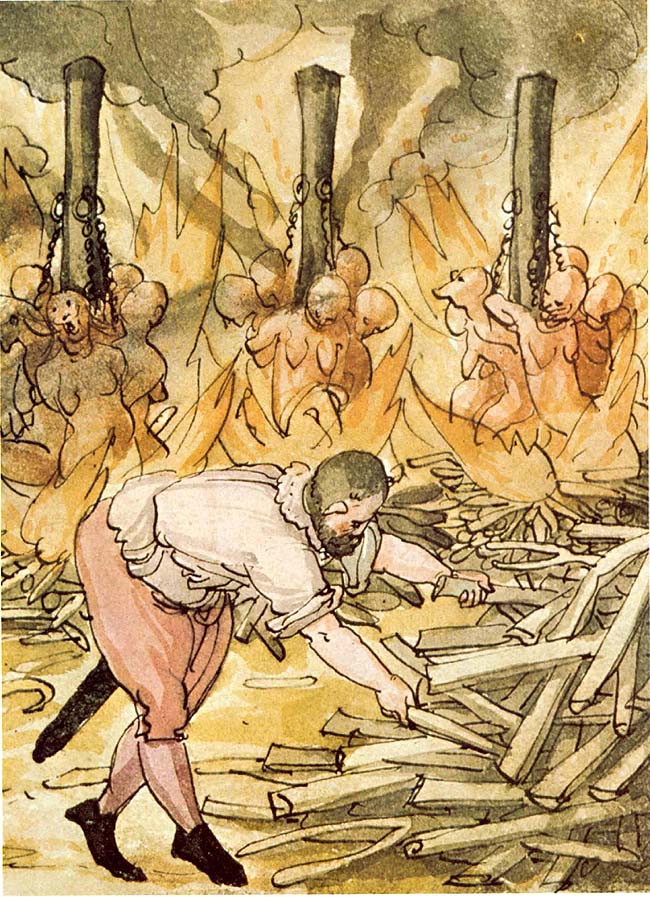 🇸🇦 Saudi Arabia and 5 moreWitch hunt
A campaign to find and punish people accused of using magic for harmBelief · Cursing and harm Historical
🇸🇦 Saudi Arabia and 5 moreWitch hunt
A campaign to find and punish people accused of using magic for harmBelief · Cursing and harm Historical
 🇳🇬 Nigeria and 4 moreJuju
A West African spiritual belief system involving charms and ritualsTradition · Healing · Luck and prosperity Living
🇳🇬 Nigeria and 4 moreJuju
A West African spiritual belief system involving charms and ritualsTradition · Healing · Luck and prosperity Living
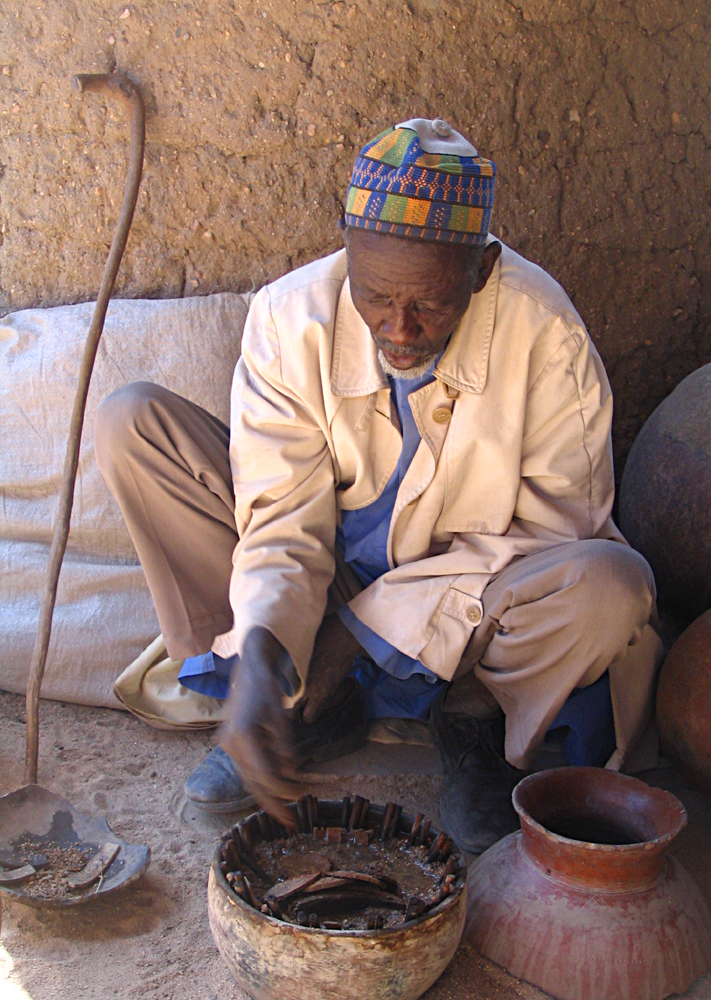 🇨🇲 Cameroon and 2 moreNggam
A divination practice in western Cameroon using spiders and crabs to answer questionsOracle · Seeing and foretelling Living
🇨🇲 Cameroon and 2 moreNggam
A divination practice in western Cameroon using spiders and crabs to answer questionsOracle · Seeing and foretelling Living
Related elsewhere
All being 🇰🇷 South Korea and 3 moreKorean shamanism무속
A Korean folk religion centered on ritual specialists who mediate between humans and spiritsTradition · Protection · Healing Living
🇰🇷 South Korea and 3 moreKorean shamanism무속
A Korean folk religion centered on ritual specialists who mediate between humans and spiritsTradition · Protection · Healing Living
 🇵🇪 Peru and 5 morePachamama
The Andean mother goddess of space-time and the earthBeing · Protection · Healing Living
🇵🇪 Peru and 5 morePachamama
The Andean mother goddess of space-time and the earthBeing · Protection · Healing Living
 🇲🇳 Mongolia and 2 moreMongolian shamanismBöö mörgöl
The animistic and shamanic ethnic religion of the Mongol peoples, centered on sky worship and ancestral spirits.Tradition · Protection · Healing Living
🇲🇳 Mongolia and 2 moreMongolian shamanismBöö mörgöl
The animistic and shamanic ethnic religion of the Mongol peoples, centered on sky worship and ancestral spirits.Tradition · Protection · Healing Living
 🇵🇪 Peru and 1 moreQuyllurit'iQoyllur Rit'i
A syncretic Andean pilgrimage celebrating the Pleiades and the Lord of Star SnowTradition · Protection · Healing Living
🇵🇪 Peru and 1 moreQuyllurit'iQoyllur Rit'i
A syncretic Andean pilgrimage celebrating the Pleiades and the Lord of Star SnowTradition · Protection · Healing Living