Goofer dust
from the Kikongo word kufwa, meaning to die
A hoodoo powder used for hexes, protection and coercive love spells in the American South.
Goofer dust is a traditional spell material from Black American hoodoo, rooted in Kongo religious practices. It consists of powders believed to cause harm, illness or death, though it is also used for protection and binding love.
- Derived from Kikongo word kufwa meaning to die
- Used by enslaved conjurer Dinky in the 1820s
- Contains anvil dust from blacksmith workshops
- Synonymous with graveyard dirt in some accounts
- Featured in Willie Mabon blues song I Don't Know
What it is
Goofer dust is a powdered spell component within the hoodoo tradition of Black Americans in the Southern United States. The practice draws on older Kongo religious beliefs. The term describes a mixture intended to bring trouble, sickness or death to an enemy. It can also serve as a protective charm or a tool for coercive love magic. In some contexts, the powder is treated as synonymous with graveyard dirt.
Where it comes from
The custom originates from the Kongo people and their religious systems. The word itself derives from the Kikongo verb kufwa, which means to die. By the 1930s, the act of goofering was a common regional name for hoodoo work. The concept spread through enslaved communities and remained part of Southern folk magic traditions.
How it is done
Practitioners mix various natural and industrial materials into a fine powder. Common bases include soil from burial grounds and dried snake skin. Additional elements may involve ash, sulfur, salt, bone fragments, dried animal waste, herbs and spices. A specific ingredient called anvil dust is the black iron residue collected near a smithy's forge. Modern versions might incorporate insecticides or expired medicines.
Tools and materials
The primary tool is the powder itself, often grey or black. Ingredients vary by recipe but frequently feature graveyard earth and reptile skins. Anvil dust provides a metallic component. Some historical accounts mention mixing the powder with local soil to hide its presence or use grease from cemetery bells.
Goofer dust, drawn and placed
- Living
- Revived
- Fading
- Historical
- Legendary
- Performed
- Lineage
- Kongo religion and hoodoo
- Timing
- during crises or when casting hexes
What it is for
Users apply the dust to inflict physical ailments like leg swelling or blindness. It serves as a weapon against rivals or enemies. Conversely, it acts as a shield for those under threat, such as the enslaved conjurer Dinky in the 1820s. Coercive love spells also utilize the powder to force affection or loyalty upon a target.
Who does it
Hoodoo practitioners prepare and deploy the dust. Historically, skilled conjurers managed complex recipes. The knowledge was passed down within African American communities. Practitioners viewed the dust as a potent agent capable of altering physical reality through spiritual means.
Peoples and places
The tradition belongs to Black Americans in the South. It reflects the survival and adaptation of Central African religious ideas under slavery. The practice remained distinct from other American folk magic forms due to its specific Kongo linguistic and ritual roots.
At a glance: who, where and when
Who does it
Peoples
Belief worlds
Occasions
What people believe
The underlying worldview holds that matter carries spiritual power. Dirt from graves connects the living to the dead. Iron from anvils represents strength and permanence. The mixture creates a conduit for harmful forces. Believers trust the powder to execute commands without direct physical contact.
When it is done
The dust is applied during moments of conflict or personal crisis. There are no fixed seasonal festivals attached to its use. Instead, deployment depends on immediate needs for defense or offense.
How scholars and sceptics see it
Researchers note the clear linguistic link to Kikongo. Anthropologists trace the continuity of Kongo concepts in New World hoodoo. Historians document the shift from general hexing to specific regional synonyms like goofering in North Carolina.
Cautions and what is closed
Modern formulations containing chemicals pose health risks. Mixing insecticides with organic matter can create toxic hazards. The practice has been linked to real medical harm when users ingest or handle dangerous substances believing them to be magical.
Compare and confuse
Goofer dust resembles European witchcraft powders but lacks Christian framing. It differs from simple curses by requiring physical ingredients. The term overlaps with hoodoo but emphasizes the Kongo etymological root.
Law and persecution
No specific laws target the possession of the dust itself. However, using chemical agents to harm others falls under criminal statutes. Historical persecution of hoodoo practitioners occurred but did not focus solely on this item.
Today
The practice persists in oral histories and cultural memory. It appears in literature and music as a symbol of Southern mysticism. Contemporary references often romanticize the danger while ignoring the actual health risks of modern ingredients.
Questions people ask about Goofer dust
What is goofer dust?
It is a powdered spell material from Black American hoodoo, used to cause harm, protect owners or bind lovers. It typically contains graveyard dirt and herbs.
Where does the name come from?
The word comes from the Kikongo language. The root kufwa means to die, reflecting the powder's association with death and illness in Kongo belief.
What ingredients are inside it?
Recipes vary but often include grave soil, snakeskin, ash, sulfur and anvil dust. Modern mixes sometimes add insecticides or expired drugs.
Is it only for harming people?
No. While known for hexes, it also protects against evil and forces love. Enslaved people used it defensively against slaveholders.
Good reading and sources
The facts on this page come from the Wikipedia article "Goofer dust", written by its contributors and used under the CC BY-SA 4.0 licence, and from its Wikidata record (CC0). EveryJaadu rewrote the text in its own words, with AI assistance, and compares every page with the article to make sure no passage is copied. It may be reused under the same CC BY-SA 4.0 licence with a link back.
It may contain mistakes. Names and customs differ from one community to the next, and some knowledge is closed to outsiders and left out here. This page describes belief and practice. It does not say that any of it works, it is not a how-to, and it is not medical advice. If something is wrong, tell us. Last refreshed 2026-10-16.
More from the United States
All the entries from the United States 🇺🇸 United StatesHex sign
Pennsylvania Dutch barn symbols that range from folk art to talismansCharm · Protection · Wonder and entertainment Living
🇺🇸 United StatesHex sign
Pennsylvania Dutch barn symbols that range from folk art to talismansCharm · Protection · Wonder and entertainment Living
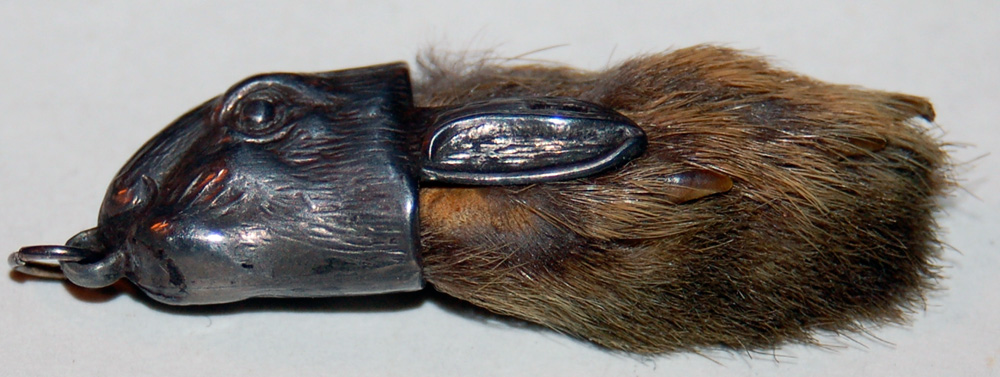 🇺🇸 United States and 2 moreRabbit's foot
A charm carried for luck, often linked to graveyards and strict folk rulesCharm · Luck and prosperity Historical
🇺🇸 United States and 2 moreRabbit's foot
A charm carried for luck, often linked to graveyards and strict folk rulesCharm · Luck and prosperity Historical
 🇮🇪 Ireland and 2 moreJack-o'-lantern
A hollowed vegetable carved with a face and lit from within, worn as a Halloween symbolCharm · Protection · Wonder and entertainment Living
🇮🇪 Ireland and 2 moreJack-o'-lantern
A hollowed vegetable carved with a face and lit from within, worn as a Halloween symbolCharm · Protection · Wonder and entertainment Living
 🇺🇸 United States and 5 moreMojo bag
A flannel pouch holding charms for protection and luck in African American Hoodoo traditionCharm · Protection · Healing Living
🇺🇸 United States and 5 moreMojo bag
A flannel pouch holding charms for protection and luck in African American Hoodoo traditionCharm · Protection · Healing Living
Related elsewhere
All charm 🇳🇴 NorwayGrógaldr
An Old Norse poem about raising a dead seeress to ask for helpText · Cursing and harm · Protection Historical
🇳🇴 NorwayGrógaldr
An Old Norse poem about raising a dead seeress to ask for helpText · Cursing and harm · Protection Historical
 🇪🇬 EgyptCurse
A spoken wish for harm, often backed by ritual or divine authorityBelief · Cursing and harm · Protection Historical
🇪🇬 EgyptCurse
A spoken wish for harm, often backed by ritual or divine authorityBelief · Cursing and harm · Protection Historical
 🇹🇷 Turkey and 5 moreEvil eye
A curse caused by an envious look and the charms used to block itBelief · Protection · Cursing and harm Living
🇹🇷 Turkey and 5 moreEvil eye
A curse caused by an envious look and the charms used to block itBelief · Protection · Cursing and harm Living