Protection
Warding off the evil eye, spirits, illness and bad luck: amulets, wards and thresholds.
Protection is the most widespread aim of magic. People hang, wear, bury, burn and recite things to keep out the evil eye, harmful spirits, illness and bad luck. The blue nazar, the hamsa, the horseshoe, the red thread, the Japanese omamori and the Ethiopian protective scroll all serve it. This page covers what is guarded, who is thought to need guarding, and how different societies see the practice. It is a good place to start with the subject.
What is guarded
The most guarded are the vulnerable and the valued: newborns, brides, pregnant women, livestock, new houses and travellers. Doorways, windows and crossroads get special care, since they are where inside meets outside. Practices include hanging a lemon and chillies in India, a horseshoe in Britain and Ireland, an eye-bead in Turkey, a mezuzah on Jewish doorposts and a spirit house in Thailand. Beyond doors, people protect journeys, wells, boats and herds, and the guarded thing is usually whatever the family can least afford to lose.
Against what
The danger named varies. In the Middle East and Mediterranean it is the evil eye, a harm said to come from envy or praise. In sub-Saharan Africa it is often witchcraft or a rival's sorcery. In Europe it was witches, fairies and the devil, and in East Asia hungry ghosts and ill-fortune. Protective practice therefore tells a researcher what a community fears and who it suspects. Some marks are drawn in chalk, paint or henna and renewed each year, and others are made once and left to fade.
Faith and the objects
Religions deal with protective objects in different ways. Many Muslim scholars accept verses of the Quran recited for protection and disapprove of beads or knots believed to work by themselves. Catholic Christians use blessed medals, holy water and the sign of the cross. Sikhism rejects talismans, while Buddhist monks bless protective threads and tattoos in Thailand and Cambodia. Official teaching often differs from practice in the village, where one household may wear a charm quietly and say a prayer at the same time.
Scholars and the market
Psychologists suggest protective objects ease anxiety and give a sense of control. Sceptics note that no test has shown them to prevent harm. Commerce is large: charms are mass-produced, and some sellers charge heavily for items promised to ward off disaster. Anyone in real danger or illness should turn to practical help first. Believers usually say the protection is a matter of trust and care, and many say the object matters less than the intention and the community that stands behind it.
Protection on EveryJaadu
The entries written up so far, best known first.
 🇮🇳 India and 1 morePitru Pakshaपितृ पक्ष
A sixteen-day Hindu period for honoring ancestors through food offerings and death ritesTradition · Speaking with spirits and the dead · Luck and prosperity Living
🇮🇳 India and 1 morePitru Pakshaपितृ पक्ष
A sixteen-day Hindu period for honoring ancestors through food offerings and death ritesTradition · Speaking with spirits and the dead · Luck and prosperity Living
 🇬🇧 United Kingdom and 7 moreSaint Andrew's Day
A Christian feast day marked by national holidays in Scotland and Romania, and folk divination across Europe.Rite · Seeing and foretelling · Luck and prosperity Living
🇬🇧 United Kingdom and 7 moreSaint Andrew's Day
A Christian feast day marked by national holidays in Scotland and Romania, and folk divination across Europe.Rite · Seeing and foretelling · Luck and prosperity Living
 🇧🇷 Brazil and 5 moreSanto Daime
A Brazilian syncretic religion using ayahuasca for spiritual work and healingTradition · Healing · Speaking with spirits and the dead Living
🇧🇷 Brazil and 5 moreSanto Daime
A Brazilian syncretic religion using ayahuasca for spiritual work and healingTradition · Healing · Speaking with spirits and the dead Living
 🇨🇳 China and 5 moreQingming Festival清明节
A spring day for sweeping graves, feeding the dead and honouring ancestorsTradition · Speaking with spirits and the dead · Protection Living
🇨🇳 China and 5 moreQingming Festival清明节
A spring day for sweeping graves, feeding the dead and honouring ancestorsTradition · Speaking with spirits and the dead · Protection Living
 🇮🇪 Ireland and 4 moreMay Day
A European spring festival marking the start of summer with flowers, poles and fire.Tradition · Protection · Luck and prosperity Living
🇮🇪 Ireland and 4 moreMay Day
A European spring festival marking the start of summer with flowers, poles and fire.Tradition · Protection · Luck and prosperity Living
 🇪🇬 Egypt and 5 moreSacred dance
Movement used in worship to honour deities, heal communities, or connect with the spirit world.Tradition · Protection · Healing Living
🇨🇳 China and 4 moreKitchen God灶君
The Chinese hearth deity who reports domestic conduct to the Jade EmperorBeing · Protection · Luck and prosperity Living
🇪🇬 Egypt and 5 moreSacred dance
Movement used in worship to honour deities, heal communities, or connect with the spirit world.Tradition · Protection · Healing Living
🇨🇳 China and 4 moreKitchen God灶君
The Chinese hearth deity who reports domestic conduct to the Jade EmperorBeing · Protection · Luck and prosperity Living
 🇺🇸 United StatesGhost DanceNanissaanah
A circular movement seeking spiritual renewal and reunion with ancestorsRite · Speaking with spirits and the dead · Change and initiation Living
🇺🇸 United StatesGhost DanceNanissaanah
A circular movement seeking spiritual renewal and reunion with ancestorsRite · Speaking with spirits and the dead · Change and initiation Living
 🇰🇷 South Korea and 1 moreKorean shamanismKorean shamanism (Korean: Korean shamanism)
A traditional practice of ritual specialists who mediate between the human and spirit worlds.Tradition · Healing · Protection Living
🇬🇷 GreeceDeipnonδεῖπνον
An ancient Athenian lunar offering to Hekate and the restless dead at the month's end.Rite · Protection · Cursing and harm Living
🇰🇷 South Korea and 1 moreKorean shamanismKorean shamanism (Korean: Korean shamanism)
A traditional practice of ritual specialists who mediate between the human and spirit worlds.Tradition · Healing · Protection Living
🇬🇷 GreeceDeipnonδεῖπνον
An ancient Athenian lunar offering to Hekate and the restless dead at the month's end.Rite · Protection · Cursing and harm Living
 🇺🇸 United States and 5 moreRainmaking rites
Ceremonies performed to call rain through prayer, dance, or symbolic actsRite · Protection · Luck and prosperity Living
🇺🇸 United States and 5 moreRainmaking rites
Ceremonies performed to call rain through prayer, dance, or symbolic actsRite · Protection · Luck and prosperity Living
 🇿🇦 South Africa and 5 moreTraditional healers of Southern Africa
Practitioners who blend herbal medicine with ancestral divination in Southern AfricaTradition · Healing · Protection Living
🇿🇦 South Africa and 5 moreTraditional healers of Southern Africa
Practitioners who blend herbal medicine with ancestral divination in Southern AfricaTradition · Healing · Protection Living
 🇫🇷 France and 5 moreYule log
A large wooden log burned in the hearth during winter festivals across Europe and North America.Tradition · Protection · Luck and prosperity Living
🇫🇷 France and 5 moreYule log
A large wooden log burned in the hearth during winter festivals across Europe and North America.Tradition · Protection · Luck and prosperity Living
 🇪🇬 Egypt and 2 moreLibation
The ritual pouring of liquid as an offering to spirits or the deadRite · Speaking with spirits and the dead · Protection Living
🇪🇬 Egypt and 2 moreLibation
The ritual pouring of liquid as an offering to spirits or the deadRite · Speaking with spirits and the dead · Protection Living
 🇮🇳 IndiaTheyyam
A ritual dance from Kerala where performers embody deities through elaborate costume and songRite · Speaking with spirits and the dead · Protection Living
🇮🇳 IndiaTheyyam
A ritual dance from Kerala where performers embody deities through elaborate costume and songRite · Speaking with spirits and the dead · Protection Living
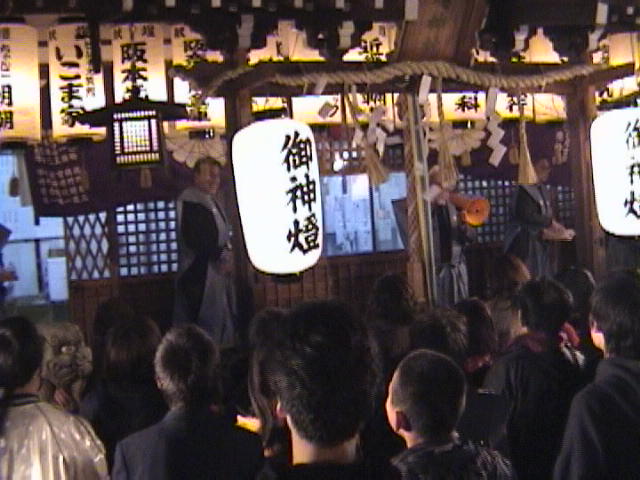 🇯🇵 JapanSetsubun節分
A Japanese seasonal rite to drive away bad luck and welcome spring with roasted beansRite · Protection · Luck and prosperity Living
🇯🇵 JapanSetsubun節分
A Japanese seasonal rite to drive away bad luck and welcome spring with roasted beansRite · Protection · Luck and prosperity Living
 🇮🇳 India and 5 moreAncestor worship
Rites of respect for the dead that maintain family bonds and seek spiritual guidanceTradition · Protection · Speaking with spirits and the dead Living
🇮🇳 India and 5 moreAncestor worship
Rites of respect for the dead that maintain family bonds and seek spiritual guidanceTradition · Protection · Speaking with spirits and the dead Living
 🇸🇪 Sweden and 5 moreMidsummerJāņi; Joninės; Jaanipäev; Enyovden; Litha; Juhannus
A summer solstice festival marked by bonfires, maypole dancing, and feasting across Europe.Tradition · Protection · Luck and prosperity Living
🇸🇪 Sweden and 5 moreMidsummerJāņi; Joninės; Jaanipäev; Enyovden; Litha; Juhannus
A summer solstice festival marked by bonfires, maypole dancing, and feasting across Europe.Tradition · Protection · Luck and prosperity Living
 🇩🇪 Germany and 7 moreWalpurgis NightWalpurgisnacht
A spring vigil marking the eve of Saint Walpurga's feast day with bonfires and student festivalsRite · Protection · Speaking with spirits and the dead Living
🇩🇪 Germany and 7 moreWalpurgis NightWalpurgisnacht
A spring vigil marking the eve of Saint Walpurga's feast day with bonfires and student festivalsRite · Protection · Speaking with spirits and the dead Living
 🇮🇪 Ireland and 5 moreHalloween
A Christian vigil on 31 October for the dead, now marked by costumes and carved vegetablesRite · Speaking with spirits and the dead · Protection Living
🇮🇪 Ireland and 5 moreHalloween
A Christian vigil on 31 October for the dead, now marked by costumes and carved vegetablesRite · Speaking with spirits and the dead · Protection Living
 🇨🇱 Chile and 1 moreMachi
Mapuche spiritual authorities and healers who bridge herbal knowledge and spirit realmsTradition · Healing · Speaking with spirits and the dead Living
🇨🇱 Chile and 1 moreMachi
Mapuche spiritual authorities and healers who bridge herbal knowledge and spirit realmsTradition · Healing · Speaking with spirits and the dead Living
 🇧🇬 Bulgaria and 5 moreKukeriкукери
A costumed ritual in Bulgaria to chase away evil spirits and welcome springRite · Protection · Cursing and harm Living
🇧🇬 Bulgaria and 5 moreKukeriкукери
A costumed ritual in Bulgaria to chase away evil spirits and welcome springRite · Protection · Cursing and harm Living
 🇮🇪 Ireland and 4 moreWinter solstice
The shortest day and longest night of the year, marked by rites of solar returnTradition · Seeing and foretelling · Protection Living
🇮🇪 Ireland and 4 moreWinter solstice
The shortest day and longest night of the year, marked by rites of solar returnTradition · Seeing and foretelling · Protection Living
 🇲🇳 Mongolia and 2 moreMongolian shamanismBöö mörgöl
The animistic and shamanic ethnic religion of the Mongol peoples, centered on sky worship and ancestral spirits.Tradition · Protection · Healing Living
🇲🇳 Mongolia and 2 moreMongolian shamanismBöö mörgöl
The animistic and shamanic ethnic religion of the Mongol peoples, centered on sky worship and ancestral spirits.Tradition · Protection · Healing Living
 🇯🇵 JapanKagura神楽
A Shinto ritual dance where performers embody deities to purify and welcome spiritsTradition · Protection · Speaking with spirits and the dead Living
🇯🇵 JapanKagura神楽
A Shinto ritual dance where performers embody deities to purify and welcome spiritsTradition · Protection · Speaking with spirits and the dead Living
 🇻🇺 Vanuatu and 5 moreKava culture
A shared ritual across Oceania where a root brew marks ceremony, respect, and social gathering.Tradition · Speaking with spirits and the dead · Luck and prosperity Living
🇻🇺 Vanuatu and 5 moreKava culture
A shared ritual across Oceania where a root brew marks ceremony, respect, and social gathering.Tradition · Speaking with spirits and the dead · Luck and prosperity Living
 🇲🇽 Mexico and 5 moreDay of the DeadDía de los Muertos
A Mexican holiday honoring the dead with altars, food, and humor during Allhallowtide.Tradition · Speaking with spirits and the dead · Luck and prosperity Living
🇲🇽 Mexico and 5 moreDay of the DeadDía de los Muertos
A Mexican holiday honoring the dead with altars, food, and humor during Allhallowtide.Tradition · Speaking with spirits and the dead · Luck and prosperity Living
 🇨🇳 China and 1 moreAncestor veneration in China中國傳統宗法性宗教
Rites for dead kin who are thought to watch over the familyTradition · Protection · Speaking with spirits and the dead Living
🇨🇳 China and 1 moreAncestor veneration in China中國傳統宗法性宗教
Rites for dead kin who are thought to watch over the familyTradition · Protection · Speaking with spirits and the dead Living
 🇰🇷 South KoreaGut굿
Rites performed by Korean shamans to commune with spirits and ensure community welfare.Rite · Protection · Speaking with spirits and the dead Living
🇰🇷 South KoreaGut굿
Rites performed by Korean shamans to commune with spirits and ensure community welfare.Rite · Protection · Speaking with spirits and the dead Living
 🇻🇳 Vietnam and 4 moreLên đồng
A Vietnamese ritual where mediums enter trance to channel spiritsRite · Speaking with spirits and the dead · Protection Living
🇻🇳 Vietnam and 4 moreLên đồng
A Vietnamese ritual where mediums enter trance to channel spiritsRite · Speaking with spirits and the dead · Protection Living
 🇮🇳 IndiaNechung Oracleགནས་ཆུང་ཏ་བླ་མ
The official prophetic medium and spiritual advisor to Tibet's Dalai LamaOracle · Seeing and foretelling · Protection Living
🇮🇳 IndiaNechung Oracleགནས་ཆུང་ཏ་བླ་མ
The official prophetic medium and spiritual advisor to Tibet's Dalai LamaOracle · Seeing and foretelling · Protection Living
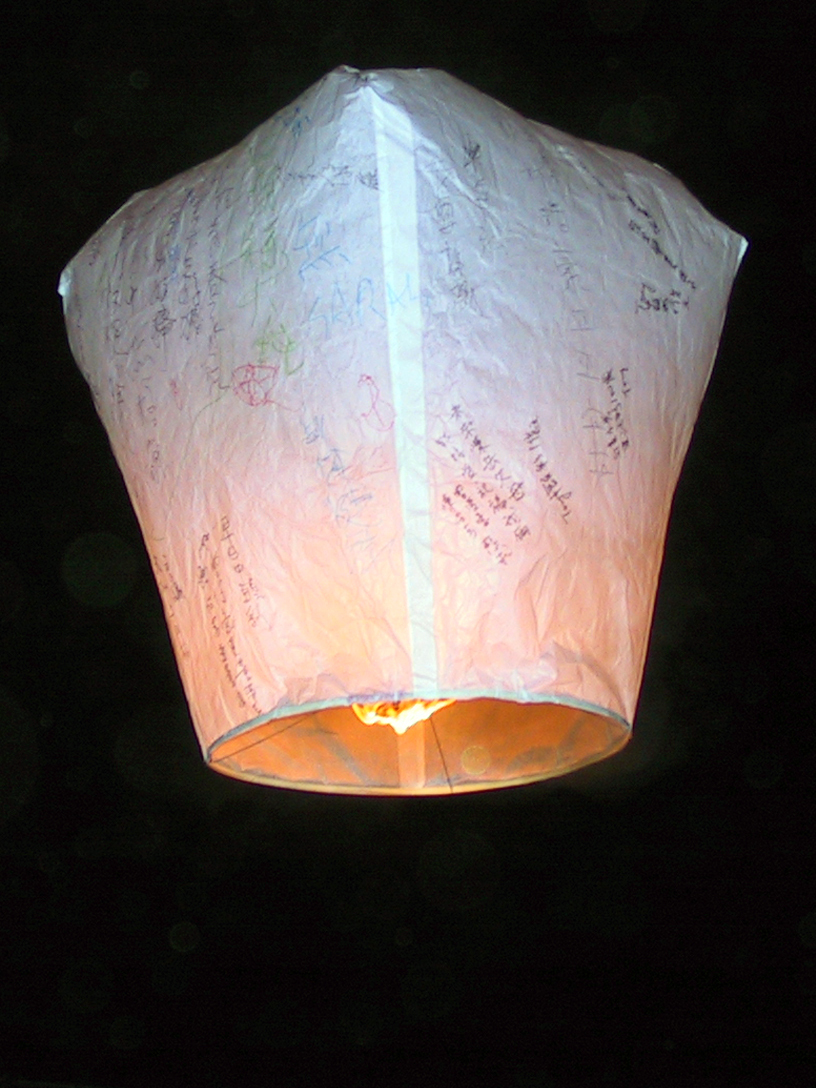 🇨🇳 China and 5 moreSky lantern天燈
A paper hot air balloon lifted by flame to carry wishes and blessingsRite · Luck and prosperity · Protection Living
🇨🇳 China and 5 moreSky lantern天燈
A paper hot air balloon lifted by flame to carry wishes and blessingsRite · Luck and prosperity · Protection Living
 🇮🇳 India and 2 moreHomaहोम
A fire ritual found across Asian religions where offerings are burned as a votive exchange with the divine.Rite · Protection · Speaking with spirits and the dead Living
🇮🇳 India and 2 moreHomaहोम
A fire ritual found across Asian religions where offerings are burned as a votive exchange with the divine.Rite · Protection · Speaking with spirits and the dead Living
 🇦🇺 AustraliaSmoking ceremony
A ritual using herbal smoke for cleansing and welcoming among Aboriginal AustraliansRite · Cleansing and purification · Speaking with spirits and the dead Living
🇬🇧 United Kingdom and 4 moreTelling the bees
A Western European custom of informing bees about major household eventsRite · Protection · Speaking with spirits and the dead Living
🇦🇺 AustraliaSmoking ceremony
A ritual using herbal smoke for cleansing and welcoming among Aboriginal AustraliansRite · Cleansing and purification · Speaking with spirits and the dead Living
🇬🇧 United Kingdom and 4 moreTelling the bees
A Western European custom of informing bees about major household eventsRite · Protection · Speaking with spirits and the dead Living
 🇳🇿 New Zealand and 5 moreFace tattoo
Marks inked on the face for spiritual protection, identity, rank, and rite of passageTradition · Protection · Power and authority Living
🇳🇿 New Zealand and 5 moreFace tattoo
Marks inked on the face for spiritual protection, identity, rank, and rite of passageTradition · Protection · Power and authority Living
 🇪🇸 Spain and 5 moreSt John's Eve
A Christian vigil marked by bonfires and plant gathering on the summer solstice eveRite · Protection · Speaking with spirits and the dead Living
🇪🇸 Spain and 5 moreSt John's Eve
A Christian vigil marked by bonfires and plant gathering on the summer solstice eveRite · Protection · Speaking with spirits and the dead Living
 🇬🇧 United Kingdom and 2 moreBeating the bounds
A ceremonial walk along parish or town borders to reaffirm boundaries and community memory.Rite · Protection · Speaking with spirits and the dead Living
🇬🇧 United Kingdom and 2 moreBeating the bounds
A ceremonial walk along parish or town borders to reaffirm boundaries and community memory.Rite · Protection · Speaking with spirits and the dead Living
 🇨🇭 SwitzerlandMagic circle
A ritual boundary drawn or visualised to create sacred space and protectionTradition · Protection · Speaking with spirits and the dead Living
🇨🇭 SwitzerlandMagic circle
A ritual boundary drawn or visualised to create sacred space and protectionTradition · Protection · Speaking with spirits and the dead Living
 🇮🇳 IndiaBhuta KolaBhūta Kōla
A Tulu folk dance and ritual where spirits are channelled into human performersTradition · Protection · Speaking with spirits and the dead Living
🇱🇰 Sri Lanka and 2 moreParittaපිරිත් (Sinhala), ปริตร (Thai), ပရိတ် (Burmese)
Pali verses recited in Theravada Buddhism for protection and blessingsText · Protection · Healing Living
🇮🇳 IndiaBhuta KolaBhūta Kōla
A Tulu folk dance and ritual where spirits are channelled into human performersTradition · Protection · Speaking with spirits and the dead Living
🇱🇰 Sri Lanka and 2 moreParittaපිරිත් (Sinhala), ปริตร (Thai), ပရိတ် (Burmese)
Pali verses recited in Theravada Buddhism for protection and blessingsText · Protection · Healing Living
 🇸🇳 Senegal and 5 moreAncestor veneration
Rituals of respect and offerings for the dead across many culturesTradition · Protection · Speaking with spirits and the dead Living
🇸🇳 Senegal and 5 moreAncestor veneration
Rituals of respect and offerings for the dead across many culturesTradition · Protection · Speaking with spirits and the dead Living
 🇻🇺 VanuatuLand divingnanggol
A ritual jump from a wooden tower using vines to ensure a good harvestRite · Protection · Speaking with spirits and the dead Living
🇻🇺 VanuatuLand divingnanggol
A ritual jump from a wooden tower using vines to ensure a good harvestRite · Protection · Speaking with spirits and the dead Living
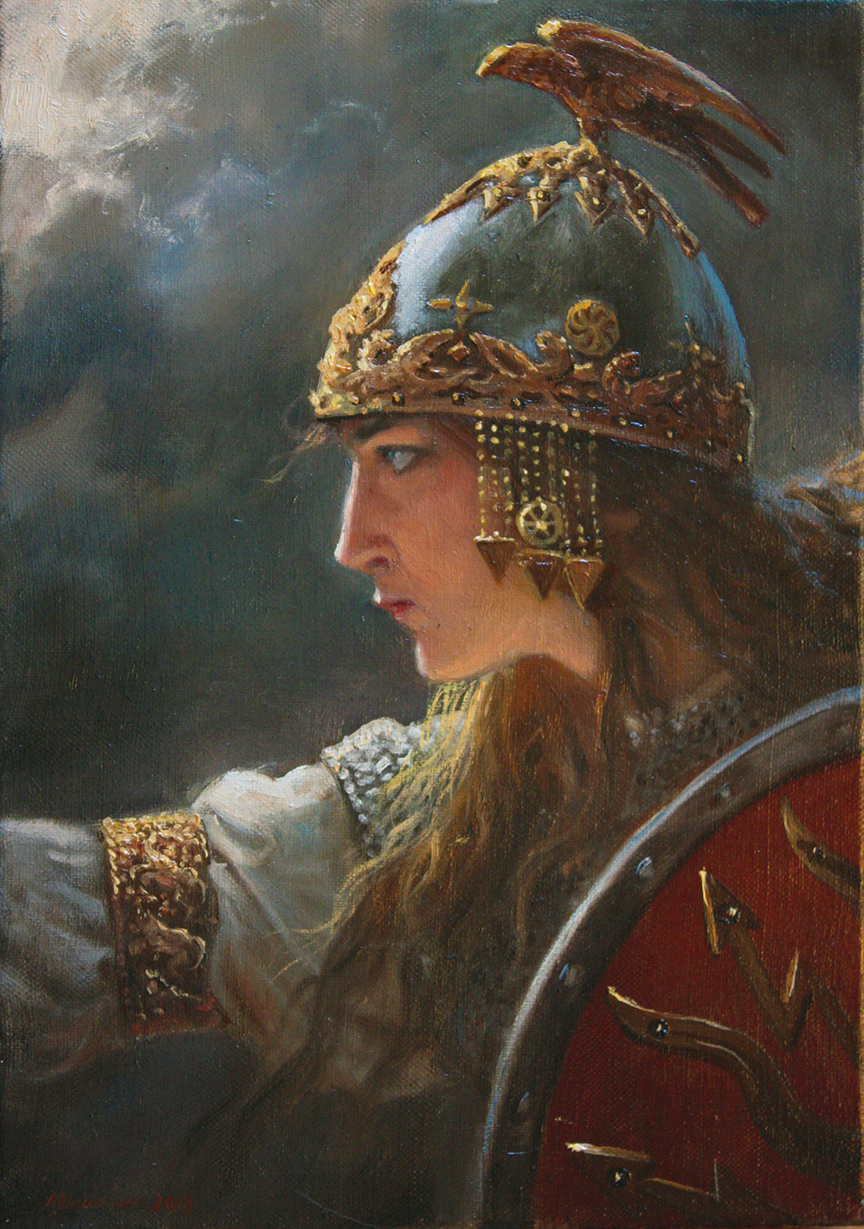 🇦🇱 Albania and 5 moreDodolaДодoла / Перперуна
A Balkan rainmaking rite performed by youths in greenery to invoke summer showersRite · Protection · Luck and prosperity Living
🇦🇱 Albania and 5 moreDodolaДодoла / Перперуна
A Balkan rainmaking rite performed by youths in greenery to invoke summer showersRite · Protection · Luck and prosperity Living
 🇱🇦 Laos and 3 moreTai folk religionສາສະໜາຜີ
Spirits, ancestor rites, and soul-calling ceremonies of the Tai peoplesTradition · Protection · Healing Living
🇱🇦 Laos and 3 moreTai folk religionສາສະໜາຜີ
Spirits, ancestor rites, and soul-calling ceremonies of the Tai peoplesTradition · Protection · Healing Living
 🇹🇼 Taiwan and 1 moreOng Yah王爺 (Ông-iâ)
Royal Lord deities of Fujian and Taiwan who tour the land, driving out diseaseBeing · Protection · Healing Living
🇹🇼 Taiwan and 1 moreOng Yah王爺 (Ông-iâ)
Royal Lord deities of Fujian and Taiwan who tour the land, driving out diseaseBeing · Protection · Healing Living
 🇹🇳 TunisiaStambeli
A Tunisian music and possession rite practiced by Black communities of slave descentTradition · Healing · Protection Living
🇹🇳 TunisiaStambeli
A Tunisian music and possession rite practiced by Black communities of slave descentTradition · Healing · Protection Living
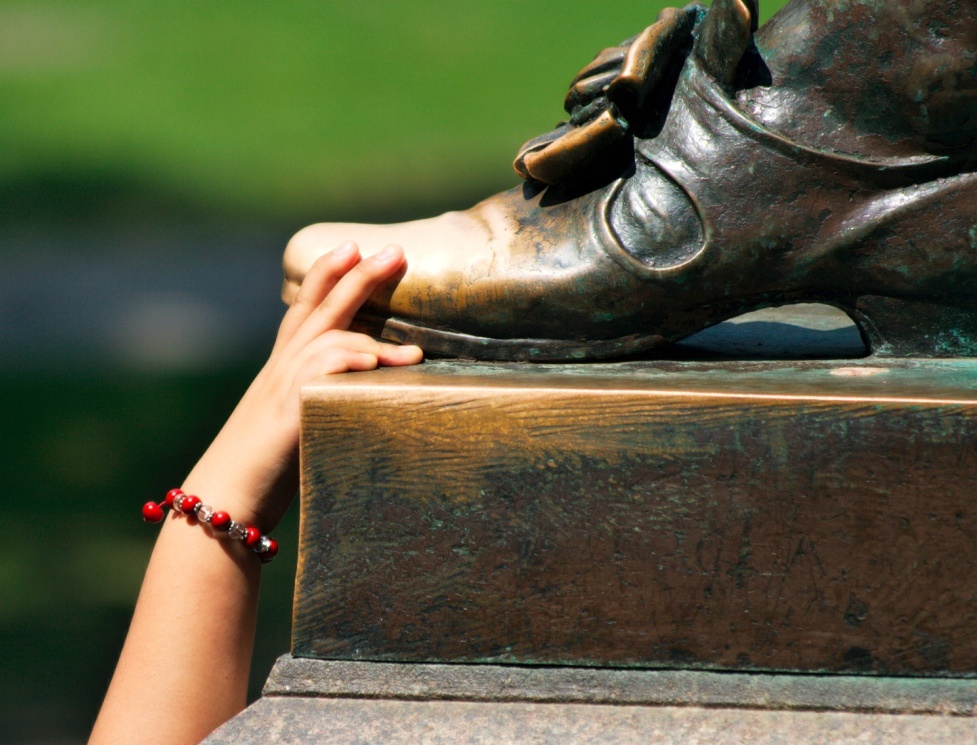 🇮🇪 IrelandStatue rubbing
A tourist custom of touching statues to attract luck, love, or a return visit.Belief · Luck and prosperity · Love and attraction Living
🇮🇪 IrelandStatue rubbing
A tourist custom of touching statues to attract luck, love, or a return visit.Belief · Luck and prosperity · Love and attraction Living
Photo credits on this page
The small pictures above come from Wikimedia Commons under free licences. Some are cropped to fit.
- Yule log: Pehr Arvid Säve (1811—1887), Public domain, source
- Libation: Arkady Zarubin ( Аркадий Зарубин ), CC BY-SA 3.0, source
- Tai folk religion: ( เทวประภาส มากคล้าย ), Tevaprapas, Public domain, source
- Theyyam: Shagil Kannur, CC BY-SA 4.0, source
- Setsubun: Unknown author, CC BY-SA 3.0, source
- Ancestor worship: Lyn Gateley, CC BY 2.0, source
- Midsummer: Kora27, CC BY-SA 4.0, source
- Walpurgis Night: Luis Ricardo Falero, Public domain, source
- Halloween: Toby Ord, CC BY-SA 2.5, source
- Ong Yah: Suzuki1314 at Chinese Wikipedia, Public domain, source
- Stambeli: Youssefbensaad, CC BY-SA 4.0, source
- Machi: Unknown author, Public domain, source
- Statue rubbing: Matthias Rosenkranz, CC BY-SA 2.0, source
- Kukeri: Nenko Lazarov, CC BY 2.5, source
- Winter solstice: Image by Przemyslaw " Blueshade " Idzkiewicz, CC BY-SA 2.0, source
- Mongolian shamanism: Enrique Bendicho, CC BY-SA 4.0, source
- Kagura: Elstner Hilton, Public domain, source
- Kava culture: Jaejay77, CC BY-SA 4.0, source
- Ancestor veneration in China: Three huntings, CC BY-SA 4.0, source
- Day of the Dead: RubeHM, CC BY-SA 4.0, source
- Gut: ReSearcher at English Wikipedia, CC BY-SA 3.0, source
- Lên đồng: Khangoii, CC BY-SA 4.0, source
- Nechung Oracle: Christopher Michel, CC BY 2.0, source
- Sky lantern: Richy, CC BY-SA 3.0, source
- Homa: Vyacheslav Argenberg, CC BY 4.0, source
- Smoking ceremony: Shillings1005, CC BY-SA 4.0, source
- Face tattoo: Gottfried Lindauer, Public domain, source
- St John's Eve: Jules Breton, Public domain, source
- Beating the bounds: Andrew Gray, CC BY-SA 2.0, source
- Magic circle: John William Waterhouse, Public domain, source
- Bhuta Kola: Unknown author, Public domain, source
- Ancestor veneration: Thang Nguyen, CC BY-SA 2.0, source
- Land diving: Paul Stein, CC BY-SA 2.0, source
- Saint Andrew's Day: Henryk Siemiradzki, Public domain, source
- Santo Daime: Tonelada, CC BY-SA 3.0, source
- Qingming Festival: Jacklee ., CC BY-SA 3.0, source
- May Day: Bryan Ledgard, CC BY 2.0, source
- Sacred dance: Jorge Barrios, CC BY-SA 3.0, source
- Ghost Dance: Unknown author, Public domain, source
- Korean shamanism: Hyewon Shin Yun-bok (申潤福: 1758-early 19th century) (혜원 신윤복 (申潤福: 1758-, Public domain, source
- Rainmaking rites: SJasminum, CC BY-SA 4.0, source
- Traditional healers of Southern Africa: Wizzy, CC BY-SA 3.0, source
- Dodola: Andrey Shishkin, CC BY 3.0, source
- Pitru Paksha: Firoz Shakir, CC BY-SA 3.0, source