Luck and prosperity
Charms for fortune, success, a good harvest and a safe journey.
Luck magic aims at fortune, success, wealth and a safe passage. People keep lucky charms, perform money rites, pour offerings to a god of wealth, and avoid unlucky days. Examples include the Chinese lucky cat and the red packet, the Japanese daruma doll, the Indian worship of Lakshmi at Diwali, the European four-leaf clover and horseshoe, and the Hoodoo mojo bag. This page looks at what luck means and who profits from it.
Ideas of luck
Cultures differ on what luck is. In China, fortune is tied to fate, timing and the placement of objects, giving rise to feng shui and the choice of lucky numbers. In West Africa, success is linked to a person's destiny and the help of the orisha or ancestors. In Europe, luck came to be seen as chance, with charms to tilt it. Many societies see wealth as shared and fear that good fortune attracts envy. Merchants, farmers, gamblers and students are the usual customers, and the amounts asked of them range from a coin to a lifetime of savings.
Customs
Customs are domestic and mostly small. Merchants in Taiwan and China burn paper offerings and put out fruit at the start of the month. Fishers and sailors keep charms and avoid certain words. Gamblers, students and athletes have habits they will not break. Many rites involve giving something away, since reciprocity is thought to keep fortune moving. Lucky days are often chosen by calendar or astrologer, so that a shop opens, a wedding is held or a journey begins on a favourable date.
Schemes and scams
Luck is easy to sell. Lottery charms, gemstone bracelets and sellers who promise riches for a fee make money from hope. Fraud involving fake spiritualists who say a client's money is cursed and must be handed over is documented in many countries. Playing games of chance with charms may feel harmless, but anyone struggling with gambling should seek real help. Some wealth rites are public and religious, as with Diwali lamps for Lakshmi and the Lunar New Year offerings to the god of wealth, and some are private and quiet.
Scholars and sceptics
Psychologists have found that carrying a lucky charm can raise confidence and performance in some tasks, without changing the odds of chance. Economists study the role of luck in success. Religious authorities differ: some see lucky objects as idolatry, others as harmless custom, and prosperity churches around the world teach a faith-based version of the same hope. Those who struggle with debt or gambling harm should look for practical advice, since a charm does not change the odds or pay the bills.
Luck and prosperity on EveryJaadu
The entries written up so far, best known first.
 🇨🇳 ChinaFish in Chinese mythology鱼 (yú)
A cultural symbol of wealth and abundance in Chinese traditionBelief · Luck and prosperity · Love and attraction Living
 🇨🇳 China and 3 moreFengshui woodland風水林
A protected grove in East Asia believed to shape the local environment and bring luck to nearby communities.Tradition · Protection · Luck and prosperity Living
 🇮🇹 Italy and 2 moreWheel of Fortune
A medieval allegory of fate's unpredictable turns and the fall of kingsBelief · Cursing and harm · Luck and prosperity Historical
🇻🇪 VenezuelaDjucu
A warm sea nut used as a lucky charm in the CaribbeanCharm · Luck and prosperity Living
 🇮🇩 IndonesiaTaiganja
A bronze amulet of Central Sulawesi shaped like a keyhole, worn for status and protectionCharm · Protection · Luck and prosperity Living
🇮🇷 IranFaravaharفَرَوَهَر
Zoroastrian guardian spirits: ancestor-warriors and each person's unseen twinBeing · Protection · Speaking with spirits and the dead Living
 🇨🇿 Czech Republic and 1 moreRübezahl
A mountain spirit of the Giant Mountains, kindly to some and vengeful to othersBeing · Protection · Healing Legendary
🇬🇧 United KingdomShoes on a table
A superstition that placing footwear on a table invites bad luck or disrespectBelief · Luck and prosperity Living
 🇬🇷 GreeceThyrsusθύρσος
Dionysus's fennel staff, wreathed in ivy and crowned with a pine coneCharm · Love and attraction · Luck and prosperity Historical
 🇸🇪 SwedenStentoften Runestone
A seventh-century Swedish stone inscribed with a curse and harvest blessings in Proto-NorseText · Cursing and harm · Luck and prosperity Historical
🇷🇴 RomaniaSântoaderi
Supernatural beings in Romanian folklore known for causing illness through music and danceBeing · Cursing and harm · Luck and prosperity Legendary
 🇺🇸 United StatesQuviasukvikᖁᕕᐊᓲᑎᖃᕐᕕᒃ
An Arctic festival marking the new year with sunrise rituals and community gatherings.Tradition · Luck and prosperity · Speaking with spirits and the dead Living
 🇦🇺 Australia and 3 moreNelson (cricket)
A cricket superstition about the score 111 and the leg-raising ritual to ward it offBelief · Luck and prosperity Living
 🇮🇳 India and 5 moreSailors' superstitions
A global collection of omens, charms and taboos used by mariners to manage the risks of life at seaBelief · Protection · Luck and prosperity Living
 🇮🇱 Israel and 4 moreChaiחי
A Hebrew word and symbol meaning 'alive', used as an amulet and in Jewish culture.Charm · Protection · Luck and prosperity Living
 🇭🇹 HaitiHaitian CarnivalKanaval
A major Caribbean festival of music, dance, and satire leading to Mardi Gras in HaitiTradition · Wonder and entertainment · Luck and prosperity Living
🇸🇪 SwedenÁlfablót
A late autumn homestead ritual to elves and ancestors in pagan ScandinaviaRite · Speaking with spirits and the dead · Healing Historical
 🇷🇺 Russia and 5 moreFiredrakeognennyi zmei
A European dragon myth born from sightings of shooting stars and will-o'-the-wispsBeing · Cursing and harm · Luck and prosperity Historical
 🇹🇷 Turkey and 1 moreMidasΜίδας
A Phrygian king from Greek myth who gained a golden touch and donkey earsFigure · Luck and prosperity · Cursing and harm Legendary
🇮🇹 ItalyIn bocca al lupo
An Italian idiom wishing good luck by invoking danger, with a response asking for the wolf's death.Belief · Luck and prosperity Living
🇳🇬 Nigeria and 1 moreIbo lwa
A nation of Vodou spirits carried from Igbo religion to Haiti, honoured as fightersBeing · Luck and prosperity · Cleansing and purification Living
 🇳🇬 Nigeria and 4 moreOshosiỌ̀ṣọ́ọ̀sì
A Yoruba orisha of hunting, forests and food, honoured in West Africa and BrazilBeing · Speaking with spirits and the dead · Power and authority Living
 🇨🇳 ChinaSuperstition in China
A broad category for folk beliefs and rituals dismissed as backward by modern Chinese authoritiesBelief · Protection · Luck and prosperity Living
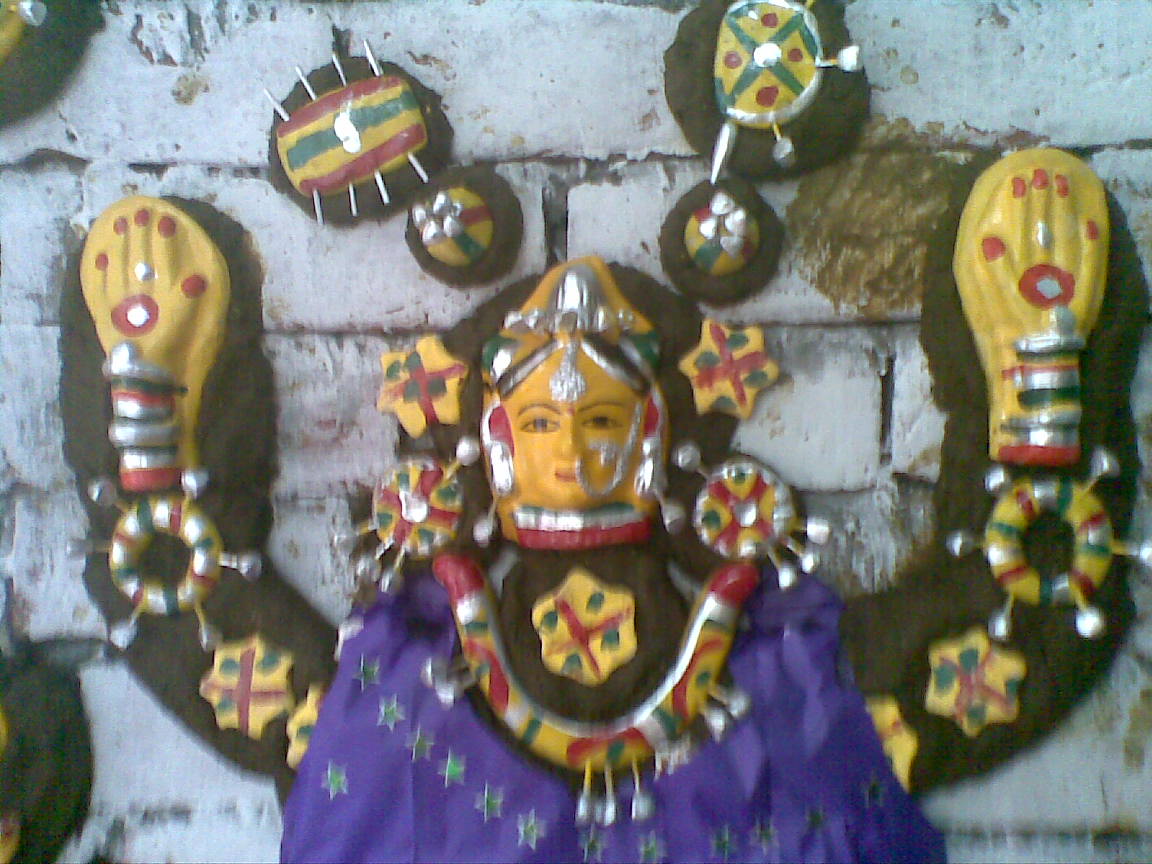 🇮🇳 IndiaSanjhi
A festival and art form honoring a mother goddess through clay images and colored designsTradition · Love and attraction · Luck and prosperity Living
🇬🇧 United KingdomBluecap
A blue flame spirit of English mines that guides miners and warns of dangerBeing · Seeing and foretelling · Luck and prosperity Legendary
 🇯🇵 JapanOkiagari-koboshi起き上がり小法師
A Japanese roly-poly doll that rights itself when knocked overCharm · Luck and prosperity · Power and authority Living
 🇲🇦 MoroccoShamharush
A jinn king of law and childhood, honoured at a Moroccan shrineBeing · Speaking with spirits and the dead · Power and authority Fading
🇮🇳 IndiaMogal Maa
A Hindu folk goddess of Gujarat worshipped for children and healingBeing · Healing · Luck and prosperity Living
 🇨🇳 China and 3 moreCash方孔錢
A round copper coin with a square hole used in China and East Asia for two millennia.Charm · Luck and prosperity · Speaking with spirits and the dead Living
 🇲🇲 MyanmarYadayaယတြာ
Rituals in Myanmar to avert misfortune using astrology and numerologyTradition · Protection · Luck and prosperity Living
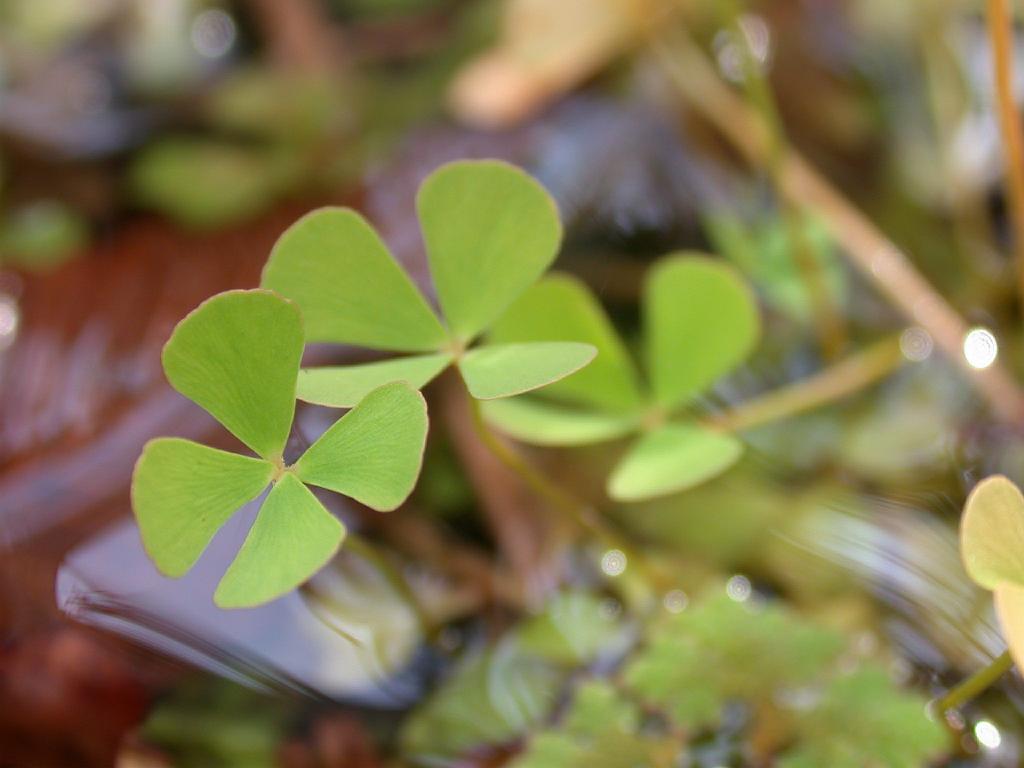 🇧🇬 Bulgaria and 4 moreRaskovnikразковник
A mythical Slavic herb believed to unlock any lock or reveal hidden treasure.Substance · Luck and prosperity · Power and authority Legendary
🇯🇵 JapanMakuragaeshi枕返し
A Japanese spirit that flips pillows and turns sleepers upside downBeing · Cursing and harm · Luck and prosperity Legendary
 🇨🇳 China and 1 moreMoney tree搖錢樹
A mythical tree of fortune and a Chinese New Year custom for wealthFigure · Luck and prosperity · Power and authority Living
 🇹🇭 ThailandSihuhataแมงสี่หูห้าตา
A legendary creature from northern Thai folklore associated with wealth and divine testingBeing · Luck and prosperity · Power and authority Living
 🇫🇷 FranceHoules fairyGwenn fadoù
Immortal coastal fairies of Brittany who live in sea caves and aid humansBeing · Protection · Healing Historical
 🇫🇷 FrancePetit AlbertSecrets merveilleux de la magie naturelle et cabalistique du petit Albert
An 18th-century French grimoire of natural and cabalistic magic sold to rural householdsText · Protection · Luck and prosperity Historical
 🇨🇳 ChinaFlying Star Feng Shui
A Chinese feng shui school that charts a building's nine squares for good and bad qiTradition · Seeing and foretelling · Luck and prosperity Living
 🇮🇪 IrelandGlas Gaibhnenn
A fabulous cow of Irish myth that yields boundless milk and sparks a quest for vengeance.Being · Luck and prosperity Legendary
 🇸🇪 SwedenSjörå
A Swedish lake spirit that rewards kindness and drowns the disrespectfulBeing · Protection · Luck and prosperity Legendary
🇩🇪 Germany and 1 moreBuschgroßmutter
A German forest spirit who rewards grooming and punishes mockeryBeing · Cursing and harm · Luck and prosperity Legendary
 🇷🇴 Romania and 2 moreCaloian
A Romanian clay effigy ritual for rain and fertility, featuring a mock funeralRite · Luck and prosperity Fading
🇹🇭 Thailand and 1 moreHae Nang Maewแห่นางแมว (Thai); ពិធីហែនាងម៉ែវ (Khmer)
A rainmaking ritual where a cat is paraded through villages to end droughtRite · Luck and prosperity Living
🇺🇸 United StatesStamping
A childhood gesture believed to capture luck from specific animals or objectsBelief · Luck and prosperity Historical
 🇯🇵 JapanKayu ura粥占
A Japanese Shinto divination ritual using rice or bean gruel to predict the harvest.Rite · Seeing and foretelling · Luck and prosperity Living
 🇨🇦 CanadaOak Island mystery
A centuries-old legend of buried treasure and unexplained engineering on a Canadian island.Belief · Luck and prosperity Historical
 🇯🇵 JapanYamawaro山童
A mountain spirit of Western Japan, often linked to river kappa and known for pranks and lumberjack assistance.Being · Cursing and harm · Luck and prosperity Historical
 🇺🇸 United StatesEtsy witches
Online practitioners selling spells and charms through digital marketplacesTradition · Luck and prosperity · Love and attraction Living
Photo credits on this page
The small pictures above come from Wikimedia Commons under free licences. Some are cropped to fit.
- Chai: BASWIM, CC BY 3.0, source
- Quviasukvik: Jodie Wilson, CC BY 2.0, source
- Nelson (cricket): Lemuel Francis Abbott, Public domain, source
- Haitian Carnival: User:Doron, CC BY-SA 3.0, source
- Midas: The Midas Painter, CC BY-SA 4.0, source
- Oshosi: Picture taken by Eurico Zimbres, CC BY-SA 2.5, source
- Yadaya: Thai Government, CC BY 2.0, source
- Petit Albert: Albertus Parvus Lucius, CC BY-SA 4.0, source
- Sjörå: Bernard Evans Ward, Public domain, source
- Kayu ura: Yatukiyurei, CC BY-SA 4.0, source
- Oak Island mystery: Unknown author, CC BY-SA 3.0, source
- Etsy witches: Таролог Альбина, CC BY-SA 4.0, source
- Fish in Chinese mythology: Daderot, Public domain, source
- Fengshui woodland: 猫猫的日记本 (Cat's diary), CC BY-SA 3.0, source
- Firedrake: Ramesh Kumar R, CC BY-SA 4.0, source
- Sanjhi: Veer jindal, CC BY-SA 3.0, source
- Shamharush: Unknown author, CC0, source
- Raskovnik: No machine-readable author provided. Keisotyo assumed (based on copyri, CC BY-SA 3.0, source
- Sihuhata: Chainwit., CC BY-SA 4.0, source
- Houles fairy: Minseong Kim, CC BY-SA 4.0, source
- Glas Gaibhnenn: Internet Archive Book Images, No restrictions, source
- Numbers in Germanic paganism: Sendelbach ( talk ), CC BY-SA 3.0, source
- Taiganja: sailko, CC BY-SA 3.0, source
- Thyrsus: ArchaiOptix, CC BY-SA 4.0, source
- Sailors' superstitions: Siren Painter (eponymous vase), Public domain, source
- Superstition in China: Gary Todd, CC0, source
- Okiagari-koboshi: Unknown author, CC BY-SA 3.0, source
- Cash: User 冷玉 on zh.wikipedia, CC BY-SA 3.0, source
- Money tree: Pratyeka, CC BY-SA 4.0, source
- Caloian: Costică Acsinte Archive, No restrictions, source
- Wheel of Fortune: Unknown author, Public domain, source
- Flying Star Feng Shui: Unknown author, Public domain, source
- Yamawaro: Brigham Young University, CC BY-SA 4.0, source
- Rübezahl: User:Antosh, CC BY-SA 4.0, source