
Sailors' superstitions
A global collection of omens, charms and taboos used by mariners to manage the risks of life at sea
Sailors' superstitions are beliefs and traditions held by mariners worldwide to interpret weather, avoid bad luck and invite protection. They range from folk omens about animals and numbers to rituals involving ship names and patron saints.
- Red sky at night brings delight; red sky in morning warns of danger.
- Killing an albatross is considered extremely unlucky.
- Friday is traditionally avoided for starting voyages.
- Black cats are kept on ships for good luck and pest control.
- Saint Elmo's Fire is seen as both protection and a storm omen.
What it is
Sailors' superstitions form a vast body of folk beliefs shared by mariners across the world. These practices blend practical observation with magical thinking to navigate the inherent dangers of the sea. Sailors use them to predict weather, ward off misfortune and secure safe passage. The beliefs cover everything from specific days to avoid sailing on, to the types of animals allowed on board. Some are simple omens, while others involve complex rituals for naming ships or appeasing spirits. They serve as a psychological buffer against the unpredictability of ocean travel, offering a sense of control in an environment where nature holds absolute power over human life.
Where it comes from
The origins of many sailors' superstitions lie in the high-risk nature of maritime work. With limited technology, crews relied on signs from the natural world to gauge safety. Weather patterns, animal behavior and celestial events were interpreted as messages from gods or spirits. Over time, these observations hardened into rigid rules and taboos. Some beliefs stem from religious figures, such as Jonah or Saint Elmo, while others arise from folklore about mythical creatures like sirens or klabautermänner. The spread of these ideas followed trade routes and shipping lanes, creating a shared cultural language among seafarers from different nations who faced similar perils.
How it is done
Rituals often center on the launch and naming of a vessel. A new ship must be christened with a bottle of sparkling wine that breaks upon contact with the hull; failure to break it is considered a dire omen. Re-naming a ship requires a multi-step ceremony to purge the old identity and appease wind gods, lest the crew suffer seven years of bad luck. Daily conduct includes strict taboos, such as avoiding whistling on deck to prevent summoning mutineers or excessive wind. Conversely, certain actions are performed to attract fortune, such as touching a sailor's collar or carrying a baby's caul. These acts are repeated consistently to maintain their perceived efficacy throughout a voyage.
Tools and materials
Several objects and creatures hold special status in sailor lore. A black ship's cat is kept for good luck and rodent control, though its death or loss can bring storms. An albatross is never harmed, as killing one invites severe curses. Hot cross buns are carried to protect against shipwreck and fire. A baby's caul is a prized talisman believed to prevent drowning. In Germanic tradition, a carved figure of a Klabautermann, often holding a caulking hammer, is attached to the mast for protection. Patron saints like Nicholas and Brendan are invoked through prayers and crosses worn by the crew.
Sailors' superstitions, drawn and placed
- Living
- Revived
- Fading
- Historical
- Legendary
- Performed
- Timing
- at voyage start and during storms
What it is for
These superstitions aim to protect the crew from physical harm, bad weather and supernatural retribution. They are used to foresee danger, such as red skies indicating approaching storms, or to neutralize threats like the evil eye. Mariners seek to ensure prosperity and safe return home by adhering to strict behavioral codes. The beliefs also provide a framework for understanding unexplained events, attributing them to moral failings or divine displeasure. By following these rules, sailors feel they have done their part to influence fate, reducing anxiety in a profession where survival often depends on chance and skill.
Who does it
The practitioners are ordinary sailors, fishermen and merchants who work at sea. No specialized training is required to observe these customs; they are learned through oral tradition and peer pressure within the crew. Both men and women participate, though women were historically sometimes viewed as bad luck or distractions. Captains and officers often enforce these beliefs to maintain discipline and morale. The knowledge is passed down through generations of mariners, adapting to new technologies but retaining core elements. Even modern commercial crews may retain small tokens or habits derived from these ancient practices.
Peoples and places
Sailors' superstitions are found globally, reflecting the universal experience of seafaring. In Europe, beliefs about Friday departures and Saint Elmo's Fire are common. Germanic traditions include the Klabautermann sprite. Asian cultures honor deities like Mazu, the queen of heaven, with temples along rivers like Singapore's. Caribbean islands feature unique legends about mer-men granting wishes. Italian sailors fear the number seventeen, influencing ship design. These variations show how local myths merge with general maritime concerns. Despite geographic distance, the core themes of luck, danger and protection remain consistent across all maritime communities.
At a glance: who, where and when
Who does it
Belief worlds
Occasions


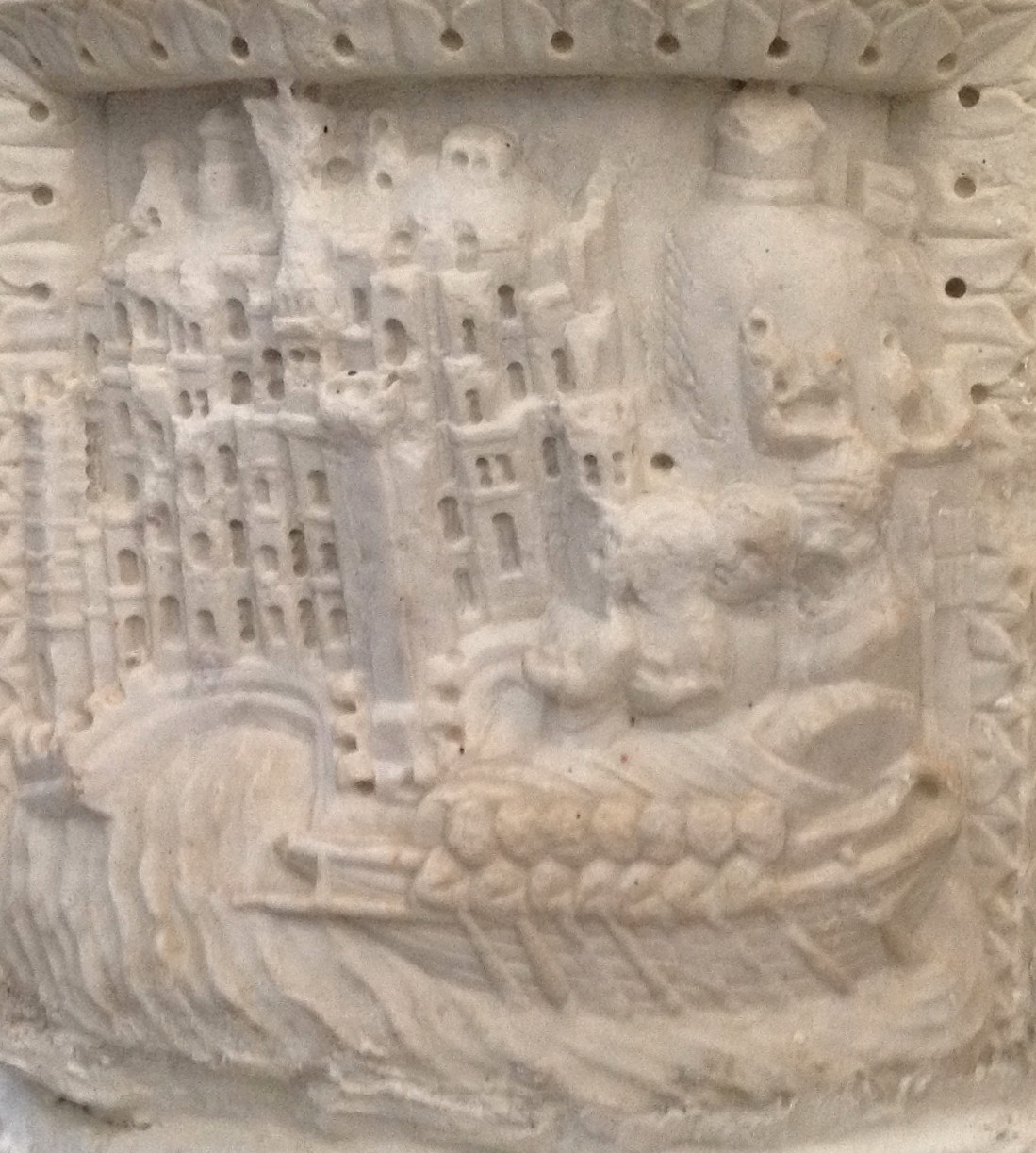

What people believe
The worldview behind these superstitions sees the sea as a living entity governed by powerful spirits and gods. Nature is not random but responsive to human actions and moral standing. Omens are real signals that must be heeded to avoid disaster. Spirits like the Klabautermann actively assist or hinder crews based on respect shown. Saints offer protection against lightning and storms if prayed to correctly. Mythical creatures like sirens represent the seductive danger of the unknown. This belief system blends animism, Christianity and folk magic, creating a complex hierarchy of forces that sailors must navigate alongside physical waves and winds.
When it is done
Specific times are critical for invoking or avoiding luck. Friday is widely considered an unlucky day to begin a voyage, known as Dies Infaustus. Candlemas Day is also avoided for setting sail due to fears of disaster. Weather signs, particularly red sunrises, dictate daily decisions about whether to stay in port or head out. Ship christenings follow ceremonial schedules tied to the vessel's construction. Annual replacements of lucky charms, like hot cross buns, mark the passage of time and renew the protective spell for the coming year.
How scholars and sceptics see it
Scholars view sailors' superstitions as a mix of practical wisdom and psychological coping mechanisms. Meteorological rhymes about red skies have scientific validity regarding storm systems. Genetic studies confirm that cats were transported on ships for pest control, reinforcing their symbolic role. Anthropologists see these beliefs as a way to impose order on chaos and build group cohesion. Historians note how these traditions evolved from ancient pagan rites to Christianized forms. Skeptics argue they are irrational, but researchers acknowledge their function in maintaining mental stability and social harmony among crews facing extreme danger.
Cautions and what is closed
Violating these superstitions is believed to bring severe consequences, including shipwrecks, storms and long-term bad luck. Killing an albatross or losing a ship's cat can curse a vessel for years. Women on board were sometimes feared to anger sea gods, though this is a gender-based taboo rather than a physical hazard. Whistling was taboo due to associations with mutiny codes. Modern hazards include the risk of fraud by those selling fake talismans or the danger of ignoring actual weather warnings because of superstitious confidence. These beliefs can also lead to discrimination against certain groups, such as redheads or clergy, labeled as 'Jonahs' or bad luck.
Compare and confuse
Sailors' superstitions share traits with broader folk magic and maritime folklore. They overlap with land-based beliefs about omens and lucky charms but are adapted to nautical life. The concept of the 'evil eye' appears in various forms across cultures. Patron saints mirror other religious intercessors. Mythical sea creatures like sirens compare to land-based spirits in other traditions. The emphasis on ritual purity and taboos resembles practices in many indigenous and traditional religions. However, the specific focus on weather, navigation and shipboard dynamics distinguishes them as a unique subset of magical belief.
Questions people ask about Sailors' superstitions
What are sailors' superstitions?
They are folk beliefs and traditions used by mariners worldwide to interpret weather, avoid bad luck and invite protection from spirits or gods while at sea.
Why is Friday considered unlucky for sailing?
It is called Dies Infaustus, meaning unlucky day. Many sailors believe starting a voyage on Friday invites disaster, so they prefer other days for departure.
What is the significance of a ship's cat?
A black cat is kept for good luck and to hunt rodents. Its presence protects the ship, but losing it or throwing it overboard is thought to summon storms.
How do sailors handle bad luck omens?
They perform rituals like renaming ceremonies with champagne, carry talismans like hot cross buns, or avoid specific actions like whistling to neutralize negative forces.
Where are these superstitions practiced today?
They are found globally among mariners, with specific variations in places like Singapore, Italy, Germany and Trinidad and Tobago, blending local myths with general sea lore.
Good reading and sources
The facts on this page come from the Wikipedia article "Sailors' superstitions", written by its contributors and used under the CC BY-SA 4.0 licence, and from its Wikidata record (CC0). EveryJaadu rewrote the text in its own words, with AI assistance, and compares every page with the article to make sure no passage is copied. It may be reused under the same CC BY-SA 4.0 licence with a link back.
It may contain mistakes. Names and customs differ from one community to the next, and some knowledge is closed to outsiders and left out here. This page describes belief and practice. It does not say that any of it works, it is not a how-to, and it is not medical advice. If something is wrong, tell us. Last refreshed 2026-10-07.
More from India
All the entries from India 🇹🇷 Turkey and 5 moreEvil eye
A curse believed to be cast by a jealous glare and the charms used to stop itBelief · Protection Living
🇹🇷 Turkey and 5 moreEvil eye
A curse believed to be cast by a jealous glare and the charms used to stop itBelief · Protection Living
 🇮🇳 IndiaLeft-Hand and Right-Hand Paths
Two distinct orientations in occult magic, dividing taboo-breaking from orthodoxy.Tradition · Change and initiation · Power and authority Living
🇮🇳 IndiaLeft-Hand and Right-Hand Paths
Two distinct orientations in occult magic, dividing taboo-breaking from orthodoxy.Tradition · Change and initiation · Power and authority Living
 🇷🇴 Romania and 5 moreVampire folklore
Global legends of blood-drinking spirits and undead revenantsBelief · Cursing and harm · Protection Historical
🇷🇴 Romania and 5 moreVampire folklore
Global legends of blood-drinking spirits and undead revenantsBelief · Cursing and harm · Protection Historical
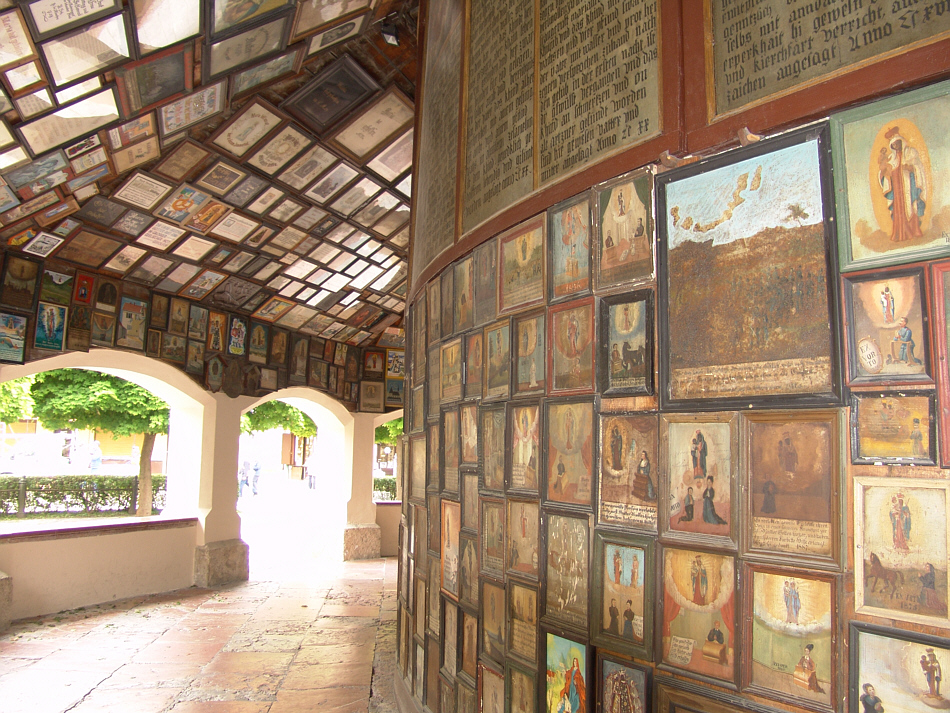 🇬🇷 Greece and 5 moreVotive offering
Objects left in sacred places to honor a deity or fulfill a vow, never to be recovered.Tradition · Protection · Healing Living
🇬🇷 Greece and 5 moreVotive offering
Objects left in sacred places to honor a deity or fulfill a vow, never to be recovered.Tradition · Protection · Healing Living
Related elsewhere
All belief 🇪🇬 Egypt and 3 moreAmulet
A portable object worn or carried to ward off harm and invite fortuneCharm · Protection · Luck and prosperity Living
🇪🇬 Egypt and 3 moreAmulet
A portable object worn or carried to ward off harm and invite fortuneCharm · Protection · Luck and prosperity Living
 🇨🇳 China and 3 moreChinese dragon龍
A legendary water deity and imperial symbol in East Asian cultureBeing · Protection · Luck and prosperity Historical
🇨🇳 China and 3 moreChinese dragon龍
A legendary water deity and imperial symbol in East Asian cultureBeing · Protection · Luck and prosperity Historical
 🇮🇳 India and 5 moreKolamகோலம்
A daily geometric floor drawing made with rice flour at the home entrance in South IndiaTradition · Protection · Luck and prosperity Living
🇨🇳 China and 4 moreKitchen God灶君
The Chinese hearth deity who reports domestic conduct to the Jade EmperorBeing · Protection · Luck and prosperity Living
🇮🇳 India and 5 moreKolamகோலம்
A daily geometric floor drawing made with rice flour at the home entrance in South IndiaTradition · Protection · Luck and prosperity Living
🇨🇳 China and 4 moreKitchen God灶君
The Chinese hearth deity who reports domestic conduct to the Jade EmperorBeing · Protection · Luck and prosperity Living