Raskovnik
In its own language: разковник
from roots meaning to break or unlock
A mythical Slavic herb believed to unlock any lock or reveal hidden treasure.
The raskovnik is a magical plant in South Slavic folklore said to open any sealed object. Legends describe it as a rare herb known only to certain animals, which people trick into revealing its location.
- Believed to open any lock or reveal buried gold
- Obtained by trapping tortoises, snakes, or hedgehogs
- Known by many names across South Slavic regions
- Metaphor for finding a solution to hard problems
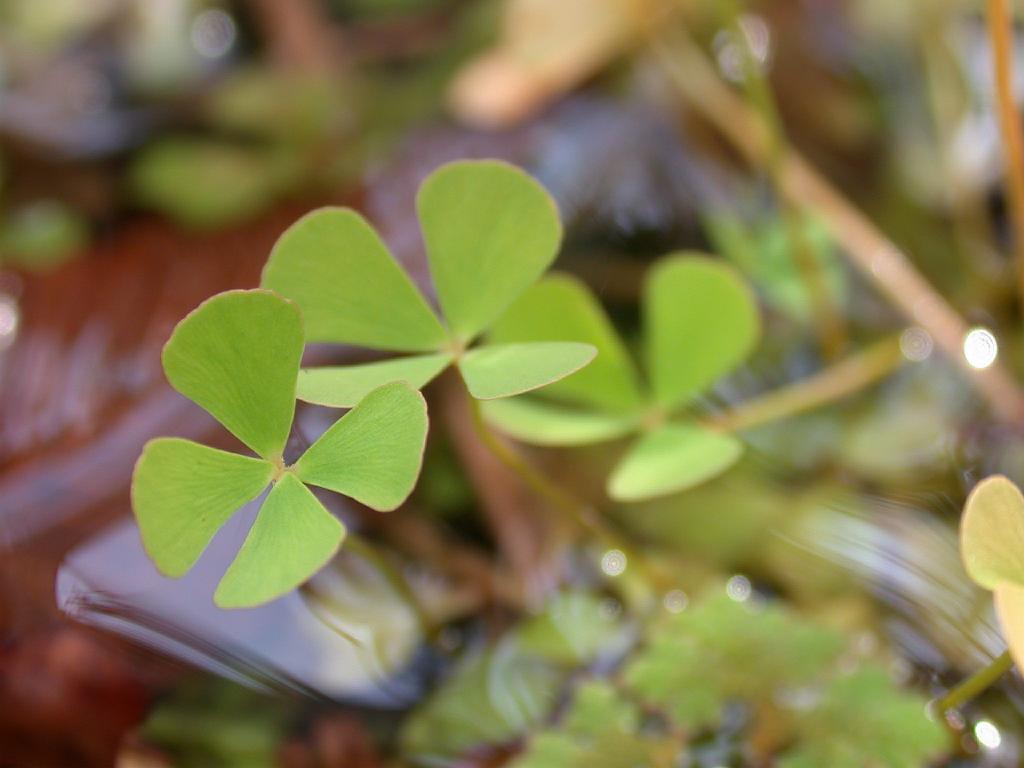
- Sometimes identified with the four-leaf clover
What it is
The raskovnik is a legendary herb in South Slavic folklore with the power to unlock anything. It can open locked doors, padlocks, and chests regardless of their material or size. The plant is also said to uncover buried treasures by splitting the earth at the exact spot where gold lies. Some stories claim it can transmute iron into gold or grant eternal wealth to its finder. Despite these powers, the herb is notoriously difficult for humans to identify.
Where it comes from
The plant appears across various regions of the Balkans and Russia, with names varying significantly by local dialect. In Bulgaria, it is called razkovniche, while Serbians use raskovnik. Other regional names include ež trava (hedgehog herb) in Macedonia and demir-bozan (iron breaker) in Montenegro. The concept likely stems from ancient folk beliefs about plants that bridge the human and supernatural worlds.
How it is done
People sought the herb through tricks played on chthonic animals. In Bulgarian tales, a tortoise is trapped in a fenced area until it returns with the raskovnik to breach the barrier. Serbian legends involve locking young hedgehogs in boxes so their mothers bring the herb to free them. Another method uses an old woman in leg irons; if the locks open spontaneously in a field, the herb grows there.
Tools and materials
The primary tools are the animals themselves: tortoises, snakes, and hedgehogs. These creatures are associated with the underworld and possess the knowledge of the herb's location. Humans use physical barriers like fences and boxes to trap the animals. In some versions, leg irons serve as a test for the herb's presence in the ground.
Raskovnik, drawn and placed
- Living
- Revived
- Fading
- Historical
- Legendary
- Performed
- Lineage
- Slavic folklore
What it is for
Treasure hunters and sorcerers sought the raskovnik to access hidden wealth. It was believed necessary to unlock specific legendary hoards, such as the Treasure of Tsar Radovan. The plant also promised personal fortune, happiness, and alchemical transformation. Modern usage treats it as a metaphor for finding a solution to a complex problem.
Who does it
The seekers were typically ordinary people, treasure hunters, or herbalists looking for personal gain. They relied on cunning rather than ritual expertise to obtain the plant. The task required patience and deception, exploiting the natural instincts of the animals guarding the herb.
Peoples and places
The legend is widespread among South Slavic peoples. Bulgarians and Serbians have the most detailed accounts involving animal trickery. Slovenian and Montenegrin variants offer different names but similar concepts. Russian folklore includes the razryv-trava, reflecting the same unlocking theme across the region.
At a glance: who, where and when
Peoples
Belief worlds

What people believe
The belief rests on the idea that certain animals have secret knowledge of the supernatural world. Tortoises, snakes, and hedgehogs are seen as guardians of the earth's secrets. The herb itself is often described as resembling a four-leaf clover, linking it to luck and rarity. Its power is absolute, bypassing all physical constraints.
When it is done
No specific festivals or calendar days are tied to the raskovnik. It is sought whenever a treasure is rumored or a difficult problem arises. The timing depends on the availability of the trick animals and the urgency of the seeker.
How scholars and sceptics see it
Folklorists note the plant's role in explaining human desire for wealth and easy solutions. Linguists trace the name variations to show how the concept spread and adapted across dialects. The herb serves as a narrative device for stories about greed, cleverness, and the limits of human knowledge.
Cautions and what is closed
The pursuit of the raskovnik is purely legendary. No real plant possesses these powers. Modern references sometimes confuse it with the European waterclover or Laserpitium siler, which are used in traditional medicine but lack magical properties.
Compare and confuse
The raskovnik is similar to other mythical keys or unlocking agents in global folklore. It differs from standard herbs by its specific focus on breaking seals rather than healing or protection. The animal-guardian motif is common in many cultures' treasure myths.
Questions people ask about Raskovnik
What is the raskovnik?
It is a mythical herb in South Slavic folklore said to unlock any closed object or reveal hidden treasures. It is not a real plant with magic, but a figure of speech for a perfect solution.
How do you find the raskovnik?
Legends say you must trick animals like tortoises or hedgehogs. You trap them until they bring the herb to free their young or eggs, then take it before they change their minds.
Where does the legend come from?
It originates in the folklore of Bulgaria, Serbia, and other South Slavic countries. The name changes in each region, but the core idea of an unlocking plant remains consistent.
Good reading and sources
The facts on this page come from the Wikipedia article "Raskovnik", written by its contributors and used under the CC BY-SA 4.0 licence, and from its Wikidata record (CC0). EveryJaadu rewrote the text in its own words, with AI assistance, and compares every page with the article to make sure no passage is copied. It may be reused under the same CC BY-SA 4.0 licence with a link back.
It may contain mistakes. Names and customs differ from one community to the next, and some knowledge is closed to outsiders and left out here. This page describes belief and practice. It does not say that any of it works, it is not a how-to, and it is not medical advice. If something is wrong, tell us. Last refreshed 2026-10-13.
More from Bulgaria
All the entries from Bulgaria 🇷🇸 Serbia and 5 moreVampire
An undead being from European folklore that feeds on the life force of the living.Being · Cursing and harm Legendary
🇷🇸 Serbia and 5 moreVampire
An undead being from European folklore that feeds on the life force of the living.Being · Cursing and harm Legendary
 🇨🇭 Switzerland and 5 moreWerewolf
A figure in folklore who transforms into a wolf or hybrid beastFigure · Cursing and harm Legendary
🇨🇭 Switzerland and 5 moreWerewolf
A figure in folklore who transforms into a wolf or hybrid beastFigure · Cursing and harm Legendary
 🇸🇪 Sweden and 3 moreSilver bullet
A folk weapon for monsters and a metaphor for simple solutionsCharm · Cursing and harm Historical
🇸🇪 Sweden and 3 moreSilver bullet
A folk weapon for monsters and a metaphor for simple solutionsCharm · Cursing and harm Historical
 🇷🇺 Russia and 2 moreUpiórупіор
A demonic spirit from Slavic and Turkic folklore that is believed to return from the dead to feed on the living.Being · Cursing and harm Historical
🇷🇺 Russia and 2 moreUpiórупіор
A demonic spirit from Slavic and Turkic folklore that is believed to return from the dead to feed on the living.Being · Cursing and harm Historical
Related elsewhere
All substance 🇮🇶 Iraq and 4 moreAstrology
A system of divination that links human affairs to the positions of celestial bodiesTradition · Seeing and foretelling · Luck and prosperity Living
🇮🇶 Iraq and 4 moreAstrology
A system of divination that links human affairs to the positions of celestial bodiesTradition · Seeing and foretelling · Luck and prosperity Living
 🇮🇳 India and 1 moreGarba
A Gujarati circle dance performed around a central symbol during NavaratriIllusion · Power and authority · Luck and prosperity Living
🇮🇳 India and 1 moreGarba
A Gujarati circle dance performed around a central symbol during NavaratriIllusion · Power and authority · Luck and prosperity Living
 🇨🇳 China and 2 moreEight Immortals八仙
Eight legendary Taoist figures of China, each with a power and a vesselFigure · Protection · Healing Living
🇨🇳 China and 2 moreEight Immortals八仙
Eight legendary Taoist figures of China, each with a power and a vesselFigure · Protection · Healing Living
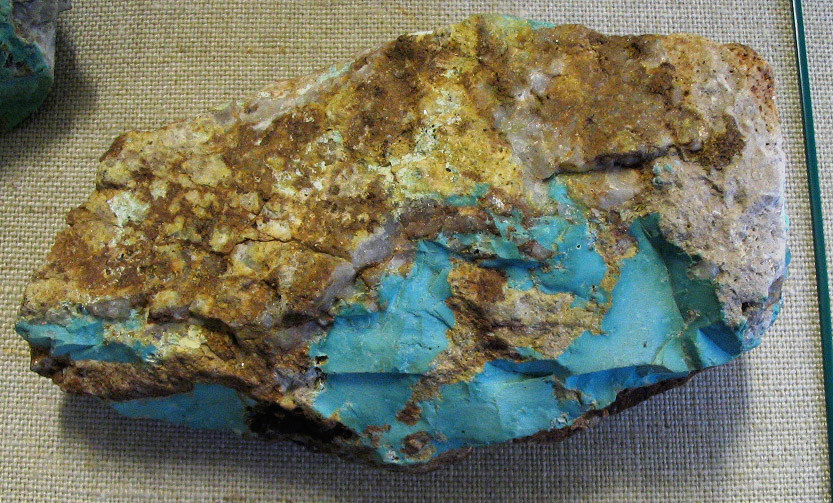 🇮🇷 Iran and 5 moreTurquoise
An opaque blue-green gemstone prized for its color since ancient timesSubstance · Protection · Luck and prosperity Living
🇮🇷 Iran and 5 moreTurquoise
An opaque blue-green gemstone prized for its color since ancient timesSubstance · Protection · Luck and prosperity Living