
Fish in Chinese mythology
In its own language: 鱼 (yú)
The character yú is a homophone for words meaning surplus or abundance
A cultural symbol of wealth and abundance in Chinese tradition
Fish hold a central place in Chinese mythology as symbols of prosperity. The word for fish sounds like abundance, linking the creature to wishes for wealth and good fortune across many stories and customs.
- The word for fish sounds like abundance
- Goldfish symbolize gold and jade combined
- Carp represents perseverance and strength
- Fish are eaten at New Year for luck
- Fuxi invented nets after watching spiders
What it is
Fish appear frequently in the myths of China as powerful symbols. They represent wealth, plenty, and social success. The connection comes from language, where the name for fish matches words for surplus. This link makes them popular motifs in art and greetings. People use images of fish to wish others prosperity. The belief extends to different types of fish, each carrying specific meanings about fortune and harmony.
Where it comes from
The tradition stems from ancient Chinese culture and language. The character for fish evolved from an old pictograph. Over time, it became a standard radical in writing. The symbolic value likely began with the phonetic similarity between fish and abundance. This linguistic pun grew into a widespread cultural practice. Stories about fish date back to early historical periods, embedding the motif deeply in the national identity.
How it is done
Artists paint fish in various settings to convey specific wishes. A fish near a lotus blossom suggests yearly abundance. Goldfish in a pond represent wealth filling a home. Couples receive prints of swimming fish at weddings. These images are displayed during festivals and celebrations. The visual language relies on combining fish with other auspicious elements like flowers or children to create layered blessings.
Tools and materials
The primary tools are artistic representations rather than physical objects. Artists use ink, paper, and pigments to draw fish. Specific species carry distinct meanings. Carps symbolize perseverance and business advantage. Goldfish represent jade and precious metals. Lotus flowers accompany fish to emphasize continuity. These combinations form a visual vocabulary understood by those familiar with the tradition.
Fish in Chinese mythology, drawn and placed
- Living
- Revived
- Fading
- Historical
- Legendary
- Performed
- Lineage
- Chinese mythology
- Timing
- during weddings and the New Year
What it is for
People seek these symbols to attract good fortune. Wishes for wealth drive the use of fish imagery. Families display fish to hope for affluent years. Weddings feature fish to promise marital bliss and fertility. The symbols also express hopes for social advancement. Parents might use fish motifs to wish their children high status and success in life.
Who does it
Scholars study these myths as part of Chinese cultural history. Artists and craftsmen create the symbolic images. Ordinary people use the symbols in daily life and ceremonies. There is no single priestly class dedicated to fish worship. Instead, the practice is woven into general folk customs and artistic traditions across the population.
Peoples and places
The tradition belongs to Han Chinese and other ethnic groups within China. It reflects a shared cultural understanding of language and nature. Different regions may emphasize specific fish or stories. The symbolism remains consistent across the broader Chinese cultural sphere. It serves as a common thread connecting various communities through shared auspicious signs.
At a glance: who, where and when
Who does it
Belief worlds
Occasions


What people believe
The core belief links sound to reality. Because the word for fish sounds like surplus, possessing fish brings surplus. Fish are seen as agents of luck and protection against poverty. Some tales suggest fish can transform or interact with humans. The dragon is considered the leader of the fish clan, adding a hierarchical spiritual dimension to their status.
When it is done
Fish symbols are prominent during the New Year. Greetings often include phrases about having fish every year. Weddings are another key occasion for displaying fish imagery. The timing aligns with events where people want to ensure future prosperity. Seasonal changes do not dictate the use of these symbols as strictly as life events do.
How scholars and sceptics see it
Researchers analyze the linguistic roots of the symbolism. They trace how homophones shaped cultural practices. Anthropologists note the integration of fish into family rituals. Historians examine ancient texts that mention fish myths. Skeptics view the beliefs as products of linguistic coincidence rather than magical force.
Cautions and what is closed
Some interpretations of fish imagery carry sexual connotations. Pairs of fish can symbolize marital intimacy. In certain contexts, this might be considered inappropriate for public display. However, such meanings are generally understood within cultural norms. There are no significant legal risks or health dangers associated with the symbols themselves.
Compare and confuse
Fish symbolism differs from Western associations of fish with Christianity. In China, the focus is on material wealth and social success. Other Asian cultures may have similar homophonic traditions, but the specific Chinese variants are unique. The carp leaping the gate is a distinctively Chinese narrative of ambition.
Questions people ask about Fish in Chinese mythology
Why are fish so important in Chinese culture?
The Chinese word for fish is a homophone for abundance. This linguistic link makes fish symbols of wealth and prosperity. People use them to wish for a plentiful life and good fortune in all endeavors.
What does a carp symbolize?
Carp represent perseverance and martial strength due to their struggle against currents. The name also sounds like advantage, making them symbols for business success and social advancement.
How are goldfish used in weddings?
Goldfish symbolize gold and jade, representing wealth. Prints of swimming goldfish are popular wedding gifts to wish the couple a prosperous household filled with abundance and harmony.
Who invented fishing according to myth?
The culture hero Fuxi is credited with inventing fishing. He observed a spider weaving a web and created rattan nets to catch fish, teaching this skill to his descendants after the Great Flood.
Good reading and sources
The facts on this page come from the Wikipedia article "Fish in Chinese mythology", written by its contributors and used under the CC BY-SA 4.0 licence, and from its Wikidata record (CC0). EveryJaadu rewrote the text in its own words, with AI assistance, and compares every page with the article to make sure no passage is copied. It may be reused under the same CC BY-SA 4.0 licence with a link back.
It may contain mistakes. Names and customs differ from one community to the next, and some knowledge is closed to outsiders and left out here. This page describes belief and practice. It does not say that any of it works, it is not a how-to, and it is not medical advice. If something is wrong, tell us. Last refreshed 2026-10-06.
More from China
All the entries from China 🇨🇳 China and 1 moreBagua八卦
A set of eight trigram symbols from China used in divination, cosmology, and feng shui.Tradition · Seeing and foretelling · Protection Living
🇨🇳 China and 1 moreBagua八卦
A set of eight trigram symbols from China used in divination, cosmology, and feng shui.Tradition · Seeing and foretelling · Protection Living
 🇨🇳 China and 1 moreAncestor veneration in China中國傳統宗法性宗教
Rites for dead kin who are thought to watch over the familyTradition · Protection · Speaking with spirits and the dead Living
🇨🇳 China and 1 moreAncestor veneration in China中國傳統宗法性宗教
Rites for dead kin who are thought to watch over the familyTradition · Protection · Speaking with spirits and the dead Living
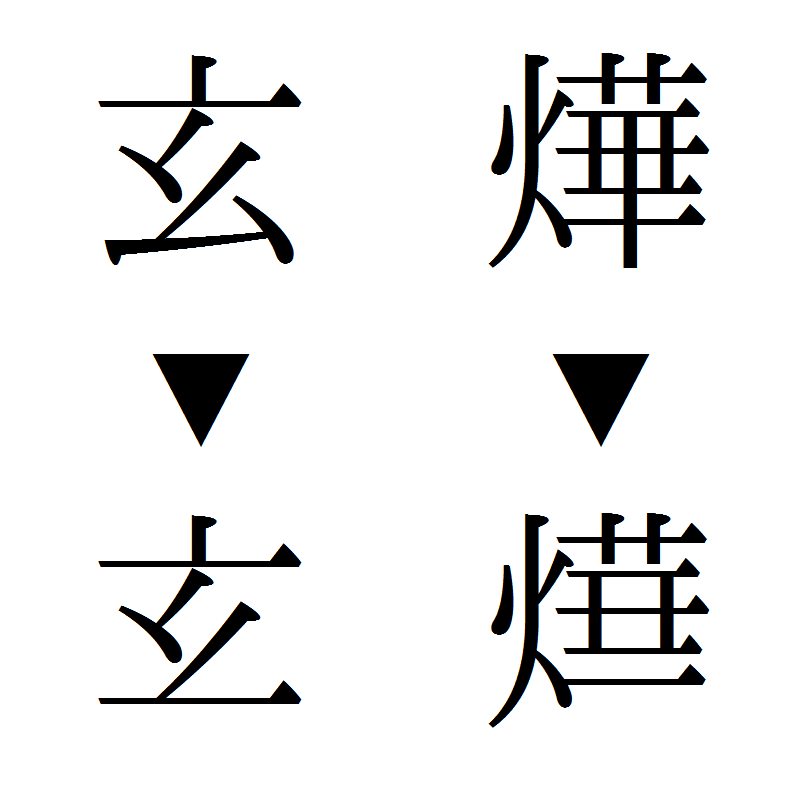 🇨🇳 China and 2 moreNaming taboo避諱
A cultural rule against speaking or writing the names of rulers and ancestors in East AsiaBelief · Protection Historical
🇨🇳 China and 2 moreNaming taboo避諱
A cultural rule against speaking or writing the names of rulers and ancestors in East AsiaBelief · Protection Historical
Related elsewhere
All belief 🇩🇪 Germany and 5 moreMaypoleMaibaum
A tall wooden pole raised for European spring festivals, accompanied by dance and celebration.Tradition · Luck and prosperity · Love and attraction Living
🇩🇪 Germany and 5 moreMaypoleMaibaum
A tall wooden pole raised for European spring festivals, accompanied by dance and celebration.Tradition · Luck and prosperity · Love and attraction Living
 🇮🇳 India and 5 moreHoliहोली
A Hindu spring festival marked by coloured powders and bonfires to celebrate love and virtue.Tradition · Love and attraction · Cursing and harm Living
🇮🇳 India and 5 moreHoliहोली
A Hindu spring festival marked by coloured powders and bonfires to celebrate love and virtue.Tradition · Love and attraction · Cursing and harm Living
 🇪🇬 Egypt and 5 moreTalisman
An object believed to channel specific forces for protection, healing, or influence.Charm · Protection · Healing Historical
🇪🇬 Egypt and 5 moreTalisman
An object believed to channel specific forces for protection, healing, or influence.Charm · Protection · Healing Historical