Mogal Maa is a folk deity in Gujarat, India, revered by the Charan, Rabari, and Ahir communities. She is believed to grant wishes for offspring and cure illnesses, with temples at Bhimrana, Bhaguda, and Kabrau.
- Worshipped by Charan, Rabari, and Ahir communities in Gujarat
- Depicted with a sword and a black cobra
- Believed to grant children and cure diseases
- Temples located at Bhimrana, Bhaguda, and Kabrau
- Shops left unlocked at Bhaguda due to her protection
What it is
Mogal Maa is a folk goddess from Gujarat, India, held in high regard by local communities. She is depicted as a fierce warrior wearing a red skirt and black shawl, holding a sword and a black cobra. Followers believe she grants favors, particularly for having children and curing diseases. Her presence is felt strongly in her home region through active worship and temple visits.
Where it comes from
Tradition holds that Mogal Maa was born in the Charan family at Bhimrana village in the mid-7th century AD. This origin story anchors her identity within the local history and lineage of the region, connecting her directly to the land and the families who revere her today.
How it is done
Worship involves visiting her chief temples at Bhimrana, Bhaguda, and Kabrau. At Bhaguda, the reverence for the goddess is so profound that people leave their shops and homes unlocked, trusting in her protection. Devotees seek her favor through prayer and offerings at these sacred sites.
Tools and materials
Her iconography features a raised sword ready for war and a black cobra (Nāg) held by its tail, which serves as both an ally and a weapon. She wears a red ghagra choli and a black odhani. Her eyes are often shown wide and red, reflecting an aggressive stance.
Mogal Maa, drawn and placed
- Living
- Revived
- Fading
- Historical
- Legendary
- Performed
- Lineage
- Hindu folk tradition
What it is for
Devotees turn to Mogal Maa primarily for blessings regarding children and health. The community believes she has the power to cure diseases and grant specific favors, making her a central figure in personal and familial spiritual life.
Who does it
The goddess is widely worshipped by the Charan, Rabari, and Ahir communities in Gujarat. These groups maintain her traditions and visit her temples, integrating her into their daily lives and cultural practices without formal priestly mediation being explicitly detailed.
Peoples and places
Mogal Maa is specific to Gujarat, India. She is particularly venerated by the Charan, Rabari, and Ahir peoples. Her influence is localized to this region, with key sites at Bhimrana, Bhaguda, and Kabrau serving as focal points for these communities.
At a glance: who, where and when
What people believe
She is viewed as a protective and powerful force. The belief in her ability to cure illness and provide children underscores her role as a benevolent yet formidable deity. The open doors at Bhaguda reflect a deep trust in her guardianship over property and safety.
When it is done
Veneration appears to be ongoing rather than tied to a single annual event mentioned in the text.
How scholars and sceptics see it
The provided text does not include scholarly analysis or academic perspectives on Mogal Maa. It focuses solely on traditional beliefs, iconography, and local customs.
Cautions and what is closed
The practice is described as a standard form of folk devotion within the community.
Compare and confuse
Mogal Maa is distinct from major pan-Hindu deities, belonging instead to the regional folk tradition of Gujarat. Her unique imagery, combining a sword and a cobra, sets her apart from other goddesses.
Law and persecution
It remains a local religious practice.
Today
Mogal Maa continues to be actively worshipped in Gujarat. Her temples at Bhimrana, Bhaguda, and Kabrau remain centers of devotion, maintaining the traditions passed down through the Charan, Rabari, and Ahir communities.
Questions people ask about Mogal Maa
Who is Mogal Maa?
Mogal Maa is a Hindu folk goddess from Gujarat, India, worshipped by the Charan, Rabari, and Ahir communities for blessings and protection.
What does Mogal Maa look like?
She is shown in a war stance wearing a red skirt and black shawl, holding a sword and a black cobra, with wide red eyes.
Why do people leave doors open at Bhaguda?
People leave homes and shops unlocked at Bhaguda out of awe and trust in Mogal Maa's protective presence.
What are her main powers?
Followers believe she grants favors, especially for having children and curing various diseases.
Good reading and sources
The facts on this page come from the Wikipedia article "Mogal Maa", written by its contributors and used under the CC BY-SA 4.0 licence, and from its Wikidata record (CC0). EveryJaadu rewrote the text in its own words, with AI assistance, and compares every page with the article to make sure no passage is copied. It may be reused under the same CC BY-SA 4.0 licence with a link back.
It may contain mistakes. Names and customs differ from one community to the next, and some knowledge is closed to outsiders and left out here. This page describes belief and practice. It does not say that any of it works, it is not a how-to, and it is not medical advice. If something is wrong, tell us. Last refreshed 2026-10-11.
More from India
All the entries from India 🇮🇳 India and 3 moreYakshaयक्ष (Sanskrit), ยักษ์ (Thai)
Nature spirits and guardian deities in South and Southeast Asian traditionsBeing · Protection · Power and authority Living
🇮🇳 India and 1 moreDaayanदायन
A vengeful female spirit from Indian folklore, often blamed for misfortune and witchcraft accusations.Being · Cursing and harm · Luck and prosperity Living
🇮🇳 India and 3 moreYakshaयक्ष (Sanskrit), ยักษ์ (Thai)
Nature spirits and guardian deities in South and Southeast Asian traditionsBeing · Protection · Power and authority Living
🇮🇳 India and 1 moreDaayanदायन
A vengeful female spirit from Indian folklore, often blamed for misfortune and witchcraft accusations.Being · Cursing and harm · Luck and prosperity Living
 🇮🇳 IndiaTaraतारा (Sanskrit), তারা (Bengali)
A fierce Hindu goddess of protection and wisdom, central to the Mahavidya tradition.Being · Protection · Power and authority Living
🇮🇳 IndiaTaraतारा (Sanskrit), তারা (Bengali)
A fierce Hindu goddess of protection and wisdom, central to the Mahavidya tradition.Being · Protection · Power and authority Living
 🇮🇳 India and 2 moreBrahmarakshasaब्रह्मराक्षसः
A cursed Brahmin spirit in Hindu lore, feared for harm and venerated in temples.Being · Cursing and harm · Protection Living
🇮🇳 India and 2 moreBrahmarakshasaब्रह्मराक्षसः
A cursed Brahmin spirit in Hindu lore, feared for harm and venerated in temples.Being · Cursing and harm · Protection Living
Related elsewhere
All being 🇫🇷 FranceHoly GrailSaint Graal
A cup or stone from Arthurian tales that grants healing and eternal lifeFigure · Healing · Luck and prosperity Legendary
🇫🇷 FranceHoly GrailSaint Graal
A cup or stone from Arthurian tales that grants healing and eternal lifeFigure · Healing · Luck and prosperity Legendary
 🇨🇳 China and 5 moreGuanyin觀音 (Guānyīn)
The Bodhisattva of compassion, worshipped across East Asia as a listener to human sufferingBeing · Protection · Healing Living
🇨🇳 China and 5 moreGuanyin觀音 (Guānyīn)
The Bodhisattva of compassion, worshipped across East Asia as a listener to human sufferingBeing · Protection · Healing Living
 🇨🇳 China and 2 moreEight Immortals八仙
Eight legendary Taoist figures of China, each with a power and a vesselFigure · Protection · Healing Living
🇨🇳 China and 2 moreEight Immortals八仙
Eight legendary Taoist figures of China, each with a power and a vesselFigure · Protection · Healing Living
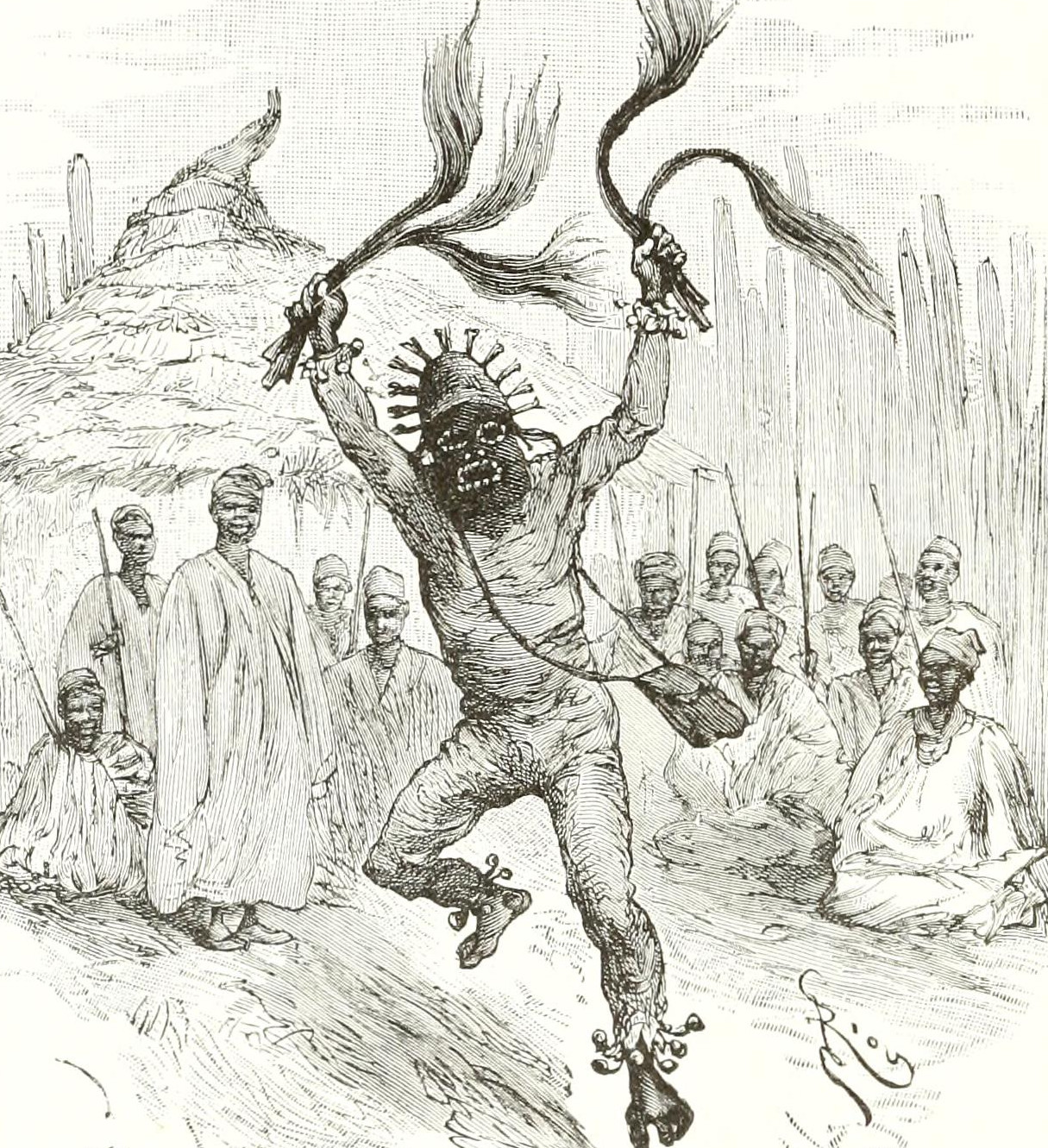 🇺🇸 United States and 2 moreLouisiana Voodoo
An African diasporic religion practiced in Louisiana from the 18th to early 20th centuriesTradition · Healing · Protection Historical
🇺🇸 United States and 2 moreLouisiana Voodoo
An African diasporic religion practiced in Louisiana from the 18th to early 20th centuriesTradition · Healing · Protection Historical