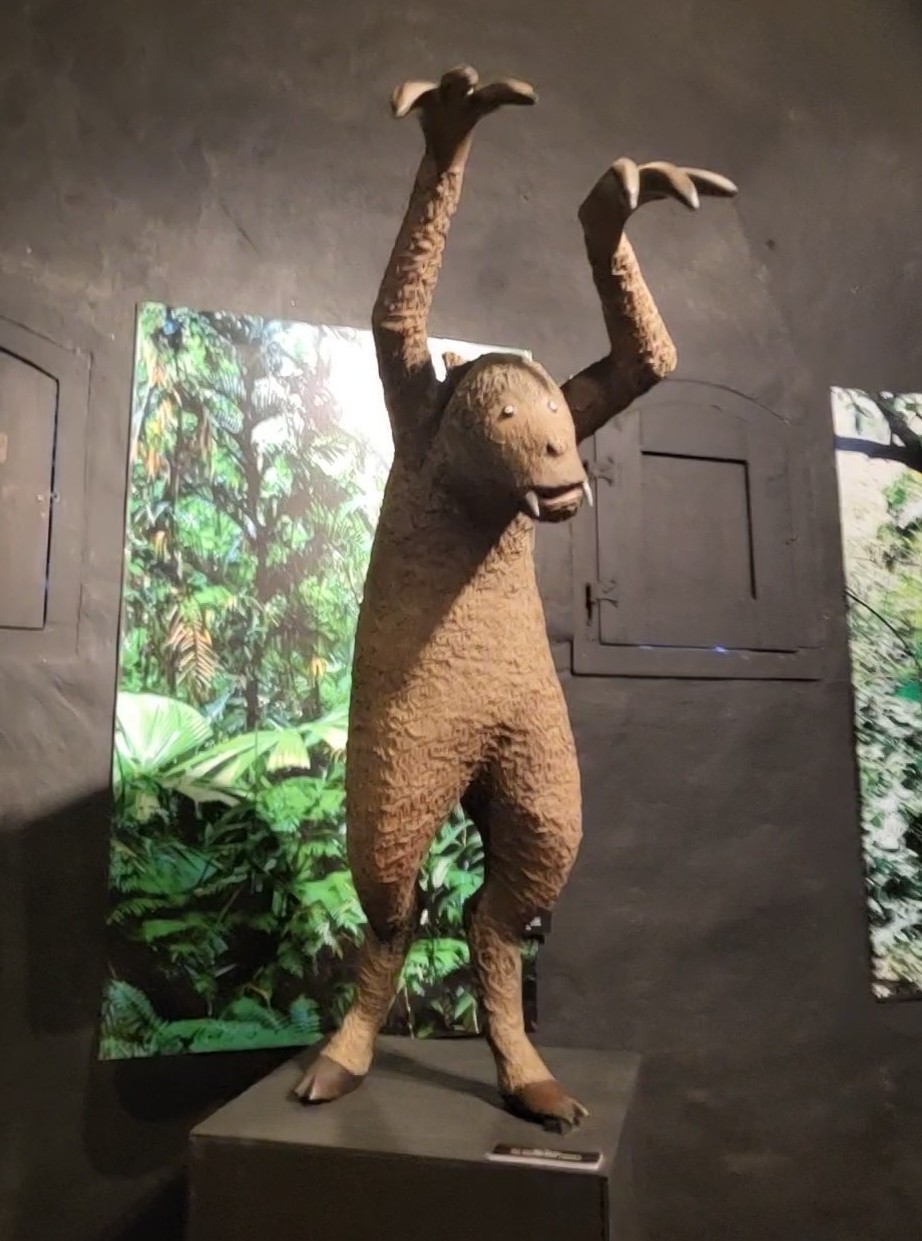
Ao Ao
from the howl "Ao ao ao"
A Guarani mythic beast that hunts humans and frightens children in Paraguay
The Ao Ao is a monstrous figure from the mythology of Guarani-speaking peoples. It is described as a cannibalistic creature that pursues victims relentlessly until it feeds on them.
- Cursed son of Tau and Kerana
- Hunts humans relentlessly
- Repelled by palm trees
- Used to scare Paraguayan children
- Howls "Ao ao ao" when hunting
What it is
The Ao Ao is a legendary monster within the mythological traditions of Guarani-speaking communities. It appears as a terrifying predator that targets human beings for consumption. Descriptions vary between a sheep-like beast with large fangs and a carnivorous peccary. The creature is defined by its relentless pursuit of prey and its role as a source of fear in local folklore.
Where it comes from
This entity originates from the oral traditions of Guarani cultures. It is identified as one of the cursed offspring of Tau and Kerana. Some accounts link it to fertility spirits due to claims of profound reproductive powers. Its name reflects the sound it makes while hunting, a repeated howl that signals its approach to potential victims.
How it is done
The Ao Ao tracks victims across any terrain without stopping. It circles trees to dig up roots and force them down if prey attempts to climb. The only known escape involves climbing a palm tree, which repels the beast. It also consumes clothing left behind. In some tales, it receives disobedient children from its brother Jasy Jatere.
Ao Ao, drawn and placed
- Living
- Revived
- Fading
- Historical
- Legendary
- Performed
- Lineage
- South American mythology
What it is for
The creature serves as a cautionary figure in Paraguayan culture. Adults use stories of the Ao Ao to frighten children into obedience. It represents a supernatural threat that enforces social norms through fear. The myth explains natural dangers and reinforces community values regarding behavior.
Peoples and places
The Ao Ao is central to Guarani mythology. It is specifically prominent in Paraguayan folklore where it functions as a disciplinary tool. The creature is known among Guarani-speaking populations who pass down these legends through generations. It remains a key figure in their cultural narrative about mythical beasts.
At a glance: who, where and when
Peoples
Questions people ask about Ao Ao
What is the Ao Ao?
It is a monstrous creature from Guarani mythology. It is described as a cannibalistic beast that hunts humans. It is known for its relentless pursuit and terrifying howl.
Where does the Ao Ao come from?
It originates from South American mythology, specifically among Guarani-speaking cultures. It is considered a cursed offspring of Tau and Kerana in these traditions.
How can you escape an Ao Ao?
According to myth, climbing a palm tree stops the creature. It cannot overcome this specific tree and will leave to find another victim elsewhere.
Good reading and sources
- Ao Ao on WikipediaEncyclopedia
- More photos on Wikimedia CommonsPhotos and video
- Wikidata recordOpen data
The facts on this page come from the Wikipedia article "Ao Ao", written by its contributors and used under the CC BY-SA 4.0 licence, and from its Wikidata record (CC0). EveryJaadu rewrote the text in its own words, with AI assistance, and compares every page with the article to make sure no passage is copied. It may be reused under the same CC BY-SA 4.0 licence with a link back.
It may contain mistakes. Names and customs differ from one community to the next, and some knowledge is closed to outsiders and left out here. This page describes belief and practice. It does not say that any of it works, it is not a how-to, and it is not medical advice. If something is wrong, tell us. Last refreshed 2026-10-06.
More from Paraguay
All the entries from Paraguay 🇦🇷 Argentina and 5 moreGauchito Gil
A folk saint from Argentina who protects the poor and outcastsBeing · Protection · Healing Living
🇦🇷 Argentina and 5 moreGauchito Gil
A folk saint from Argentina who protects the poor and outcastsBeing · Protection · Healing Living
 🇧🇷 Brazil and 2 moreCurupira
A backwards-footed forest guardian from Brazilian indigenous myth who punishes loggers and misleads travelers.Being · Protection · Cursing and harm Legendary
🇦🇷 Argentina and 2 moreSan La Muerte
A skeletal folk saint venerated in South America for protection and favorsTradition · Protection · Healing Living
🇧🇷 Brazil and 2 moreCurupira
A backwards-footed forest guardian from Brazilian indigenous myth who punishes loggers and misleads travelers.Being · Protection · Cursing and harm Legendary
🇦🇷 Argentina and 2 moreSan La Muerte
A skeletal folk saint venerated in South America for protection and favorsTradition · Protection · Healing Living
 🇲🇽 Mexico and 5 moreSanta MuerteNuestra Señora de la Santa Muerte
A female skeletal folk saint in Mexico and the Americas, worshipped for protection, healing, and safe passage.Tradition · Protection · Healing Living
🇲🇽 Mexico and 5 moreSanta MuerteNuestra Señora de la Santa Muerte
A female skeletal folk saint in Mexico and the Americas, worshipped for protection, healing, and safe passage.Tradition · Protection · Healing Living
Related elsewhere
All being 🇷🇸 Serbia and 5 moreVampire
An undead creature from folklore that feeds on the blood or life force of the livingBeing · Cursing and harm · Luck and prosperity Legendary
🇷🇸 Serbia and 5 moreVampire
An undead creature from folklore that feeds on the blood or life force of the livingBeing · Cursing and harm · Luck and prosperity Legendary
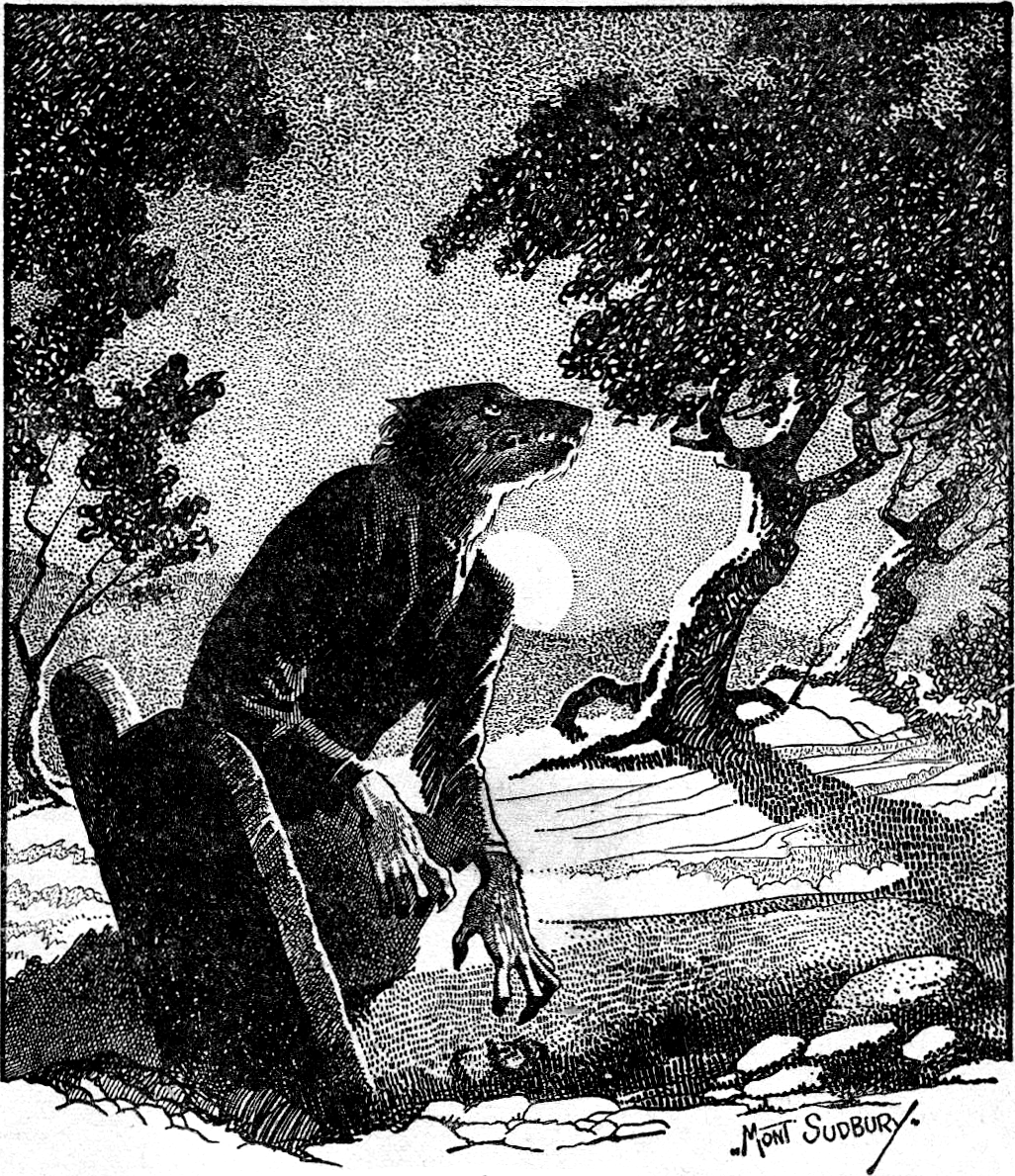 🇫🇷 France and 5 moreWerewolf
A mythical shapeshifter that turns into a wolf, central to European witch-hunts and Gothic horror.Being · Cursing and harm · Wonder and entertainment Legendary
🇫🇷 France and 5 moreWerewolf
A mythical shapeshifter that turns into a wolf, central to European witch-hunts and Gothic horror.Being · Cursing and harm · Wonder and entertainment Legendary
 🇪🇬 Egypt and 1 moreLilithלִילִית
A feminine figure from Mesopotamian and Jewish mythology, often depicted as a night demon or spirit.Being · Cursing and harm Legendary
🇪🇬 Egypt and 1 moreLilithלִילִית
A feminine figure from Mesopotamian and Jewish mythology, often depicted as a night demon or spirit.Being · Cursing and harm Legendary
 🇪🇬 EgyptCurse
A spoken wish for misfortune to befall a person or placeBelief · Cursing and harm · Luck and prosperity Historical
🇪🇬 EgyptCurse
A spoken wish for misfortune to befall a person or placeBelief · Cursing and harm · Luck and prosperity Historical