Tata Duende
In its own language: Nukuch Tat
from Yucatec Maya 'Tata' (grandfather) and Spanish 'duende' (goblin or house possessor)
A thumbless forest spirit of Belizean folklore that protects animals and warns children.
The Tata Duende is a supernatural creature from Belizean folklore, particularly among Creole and Yucatec Maya communities. It is believed to be a guardian of the jungle who lures children but can also protect them if approached with specific gestures.
- Spirit lacks thumbs and wears a wide-brimmed hat.
- Known as Nukuch Tat by the Yucatec Maya.
- Featured on a Belize postage stamp series.
- Inhabits the jungle and protects animals.
- Sightings linked to spider monkeys by investigators.
What it is
The Tata Duende is a powerful spirit in Belizean cultural folklore, often described as a small, humanoid creature. It is considered a guardian of the jungle and its animals. The spirit is famously depicted without thumbs. Stories warn that encountering it requires hiding one's thumbs to avoid injury. Despite this danger, it is also viewed as a caring figure who offers protection to those who respect it.
Where it comes from
The name combines the Yucatec Maya word for grandfather with the Spanish term for goblin. The Spanish word originally meant a mischievous house spirit. While similar creatures exist elsewhere, the specific term appears coined in Belize. Among the Yucatec Maya, it is known as Nukuch Tat or Tata Balam. These groups view it as a benevolent forest guardian rather than a malevolent monster.
How it is done
Encounters are avoided by showing hidden thumbs or displaying only four fingers. This gesture signals similarity to the spirit, prompting it to release the person. In agricultural settings, strange occurrences like braided horse manes are attributed to the Duende. Farmers may blame the spirit for unexplained events on their land.
Tools and materials
The spirit is said to wear a wide-brimmed hat, sometimes red, and clothing made of animal skin. It carries cigars and plays a guitar. Its physical traits include backward-pointing feet and a distinct whistle. Some accounts suggest it can transform into small animals or familiar people.
Tata Duende, drawn and placed
- Living
- Revived
- Fading
- Historical
- Legendary
- Performed
- Lineage
- Belizean folklore
- Timing
- Lenten Season, Good Friday, daily encounters
What it is for
Parents use stories of the Tata Duende to keep children from wandering into dangerous jungle areas. The spirit is believed to lure children deeper into the woods. However, the Yucatec Maya seek its help and protection. They ask permission before hunting or entering the bush, viewing it as a helpful entity rather than just a threat.
Who does it
The spirit is part of household and community folklore. Children are taught specific behaviors to survive an encounter. The Yucatec Maya maintain traditional practices of offering respect and asking permission before entering forested areas. These practices are passed down through generations to ensure safety and show reverence.
Peoples and places
The legend is prominent in Belizean Creole and Mestizo cultures. For the Yucatec Maya, the spirit holds a different role as a protective deity. While other regions have similar dwarf-like spirits, the Tata Duende is distinct to Belize. The Maya version emphasizes guardianship over mischief.
At a glance: who, where and when
Who does it
Peoples
Belief worlds
Occasions
What people believe
The spirit inhabits the jungle and protects wildlife. It is believed to have the power to harm humans who do not follow proper etiquette. The belief system includes the idea that the spirit can mimic others or change form. Respectful interaction is key to avoiding its wrath while gaining its favor.
When it is done
Sightings are often reported during the Lenten Season, particularly on Good Friday. Daily encounters can occur anywhere in the forest. The spirit is active whenever someone enters its domain without proper acknowledgment or caution.
How scholars and sceptics see it
Television programs like Destination Truth have investigated sightings, speculating they might be misidentified spider monkeys. Anthropological studies note the spirit's role in environmental education and fear-based behavioral control. Scholars observe how the legend adapts across different cultural groups within Belize.
Cautions and what is closed
The spirit is feared for its ability to bite off thumbs. Children are warned against straying into the jungle alone. Misidentification of wildlife has led to scientific skepticism about the spirit's existence. The legend serves as a practical warning against getting lost in dense forests.
Days linked to Tata Duende
Questions people ask about Tata Duende
What is the Tata Duende?
It is a supernatural creature from Belizean folklore. It is a small spirit that lives in the jungle and is known for lacking thumbs. It protects animals and warns children away from the woods.
Where does the name come from?
The name mixes Yucatec Maya and Spanish. 'Tata' means grandfather. 'Duende' comes from a Spanish phrase meaning possessor of a house, later evolving to mean goblin.
How do you escape the Tata Duende?
If you meet it, hide your thumbs. Show only your four fingers. The spirit thinks you are like him and will let you go without harming you.
Is the spirit always bad?
No. While it lures children, the Yucatec Maya see it as a good guardian. They ask permission before hunting and offer it respect for protection and help.
Good reading and sources
The facts on this page come from the Wikipedia article "Tata Duende", written by its contributors and used under the CC BY-SA 4.0 licence, and from its Wikidata record (CC0). EveryJaadu rewrote the text in its own words, with AI assistance, and compares every page with the article to make sure no passage is copied. It may be reused under the same CC BY-SA 4.0 licence with a link back.
It may contain mistakes. Names and customs differ from one community to the next, and some knowledge is closed to outsiders and left out here. This page describes belief and practice. It does not say that any of it works, it is not a how-to, and it is not medical advice. If something is wrong, tell us. Last refreshed 2026-10-07.
More from Belize
All the entries from Belize 🇲🇽 Mexico and 2 moreAluxaluxo'ob
A small Maya spirit believed to guard fields and cause mischief if offended.Being · Protection · Luck and prosperity Living
🇲🇽 Mexico and 2 moreAluxaluxo'ob
A small Maya spirit believed to guard fields and cause mischief if offended.Being · Protection · Luck and prosperity Living
 🇬🇹 Guatemala and 3 moreMaya religion
The living spiritual practices of the Maya peoples, shaped by centuries of contact with Catholicism.Tradition · Protection · Healing Living
🇬🇹 Guatemala and 3 moreMaya religion
The living spiritual practices of the Maya peoples, shaped by centuries of contact with Catholicism.Tradition · Protection · Healing Living
 🇪🇸 Spain and 5 moreDuende
A humanoid spirit of Iberian and Latin American folklore, ranging from household pranksters to forest guardians.Being · Protection · Cursing and harm Living
🇪🇸 Spain and 5 moreDuende
A humanoid spirit of Iberian and Latin American folklore, ranging from household pranksters to forest guardians.Being · Protection · Cursing and harm Living
Related elsewhere
All being 🇫🇷 FranceLady of the LakeDame du Lac
A water spirit who raises knights and captures wizards in Arthurian talesFigure · Protection · Cursing and harm Legendary
🇫🇷 FranceLady of the LakeDame du Lac
A water spirit who raises knights and captures wizards in Arthurian talesFigure · Protection · Cursing and harm Legendary
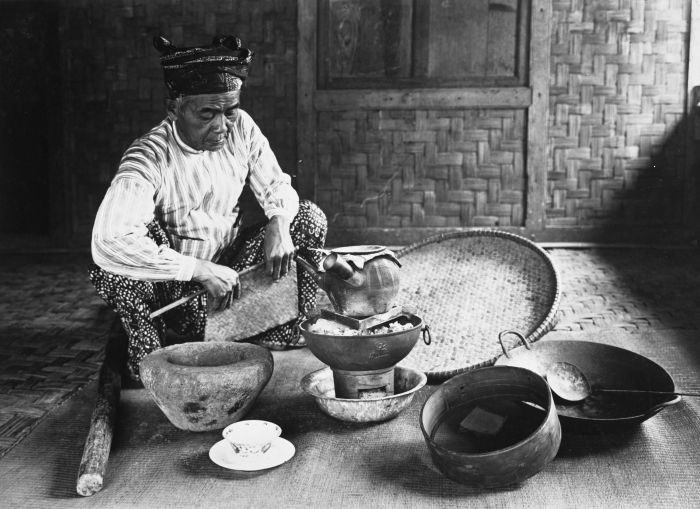 🇮🇩 Indonesia and 2 moreDukun
A traditional healer and spirit medium in Indonesian folk practiceTradition · Healing · Seeing and foretelling Living
🇮🇩 Indonesia and 2 moreDukun
A traditional healer and spirit medium in Indonesian folk practiceTradition · Healing · Seeing and foretelling Living
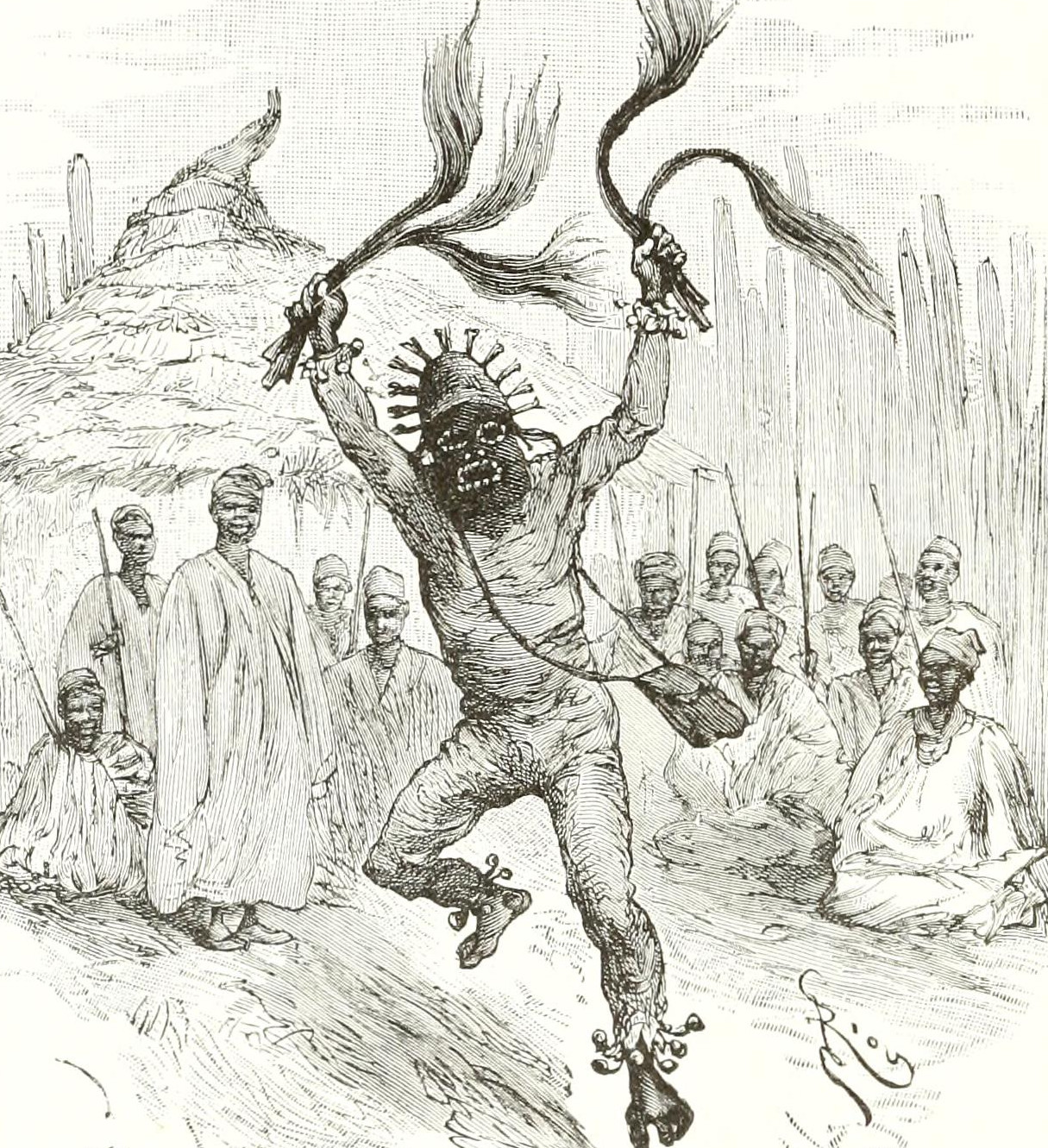 🇺🇸 United States and 2 moreLouisiana Voodoo
An African diasporic religion practiced in Louisiana from the 18th to early 20th centuriesTradition · Healing · Protection Historical
🇺🇸 United States and 2 moreLouisiana Voodoo
An African diasporic religion practiced in Louisiana from the 18th to early 20th centuriesTradition · Healing · Protection Historical