Douen
possibly from Mayan Tata Duende or Latin American duende
A faceless creature with backwards feet from Trinidad and Tobago folklore
The Douen is a spirit from the folklore of Trinidad and Tobago, also known as Dwen in Saint Lucia. It is said to have backwards feet and no face, using a parent's voice to lure children into the forest.
- Feet are reversed with heels facing forward
- Wears a straw hat to hide its faceless head
- Mimics parents' voices to lure children
- Known as Dwen in Saint Lucian folklore
- May originate from Mayan or Latin American myths
What it is
The Douen is a supernatural being found in the folk traditions of Trinidad and Tobago. In Saint Lucia, the same entity is called Dwen. This creature is defined by two physical traits: its feet are reversed, with the heel at the front and knees bent backward, and it has no face except for a small mouth. To conceal its lack of features, it wears a large, floppy straw hat. The Douen is generally considered mischievous, often playing pranks on people and raiding gardens.
Where it comes from
The folklore surrounding the Douen has a primary African foundation, shaped by French, Spanish, and English influences. Religious cults of African origin contributed significantly to these island stories. While many characters resemble African deities, the line between religious elements and tradition is complex. Some scholars suggest the name may derive from the Mayan Tata Duende or the broader Latin American concept of duende. Stories of such beings were traditionally used to instill values in children.
Tools and materials
The Douen uses a big, floppy straw hat as a disguise. This headwear hides the fact that the creature has no face, allowing only a small mouth to be visible for speaking. The hat is essential for concealing its true nature while it interacts with humans or approaches children.
Douen, drawn and placed
- Living
- Revived
- Fading
- Historical
- Legendary
- Performed
- Lineage
- Caribbean folklore
What it is for
The Douen is primarily associated with harm to children. If it hears a child's name, it mimics a parent's voice to call out and lure the child into the forest. Once there, it leads them astray until they are thoroughly lost. Beyond this specific threat, it is also described as enjoying pranks and causing general mischief among the living.
Peoples and places
The Douen is central to the cultural identity of Trinidad and Tobago. A variant spelling, Dwen, appears in the folklore of neighboring Saint Lucia. These stories reflect the mixed heritage of the Caribbean, blending African roots with European colonial influences. The tales serve as cautionary narratives within these communities.
At a glance: who, where and when
Peoples
Belief worlds
What people believe
In local belief, the Douen is a real spiritual presence that can interact with the human world. Its ability to mimic voices makes it a dangerous figure for parents, who warn children not to follow strangers calling from the woods. The creature's reversed anatomy marks it as unnatural and otherworldly.
How scholars and sceptics see it
Researchers note the complexity of distinguishing between stern religious elements and folk traditions in these stories. The African origins of many supernatural characters are acknowledged, though the exact lineage remains debated. Some trace connections to Mayan or broader Latin American mythologies, highlighting the region's diverse cultural layers.
Cautions and what is closed
The Douen represents a danger to children, specifically through deception and abduction into the forest. Parents use these stories to teach vigilance. The creature's method of mimicking loved ones exploits trust and familial bonds to achieve its goal of leading children astray.
Compare and confuse
The Douen is sometimes compared to the Latin American duende or the Mayan Tata Duende due to naming similarities. It shares the role of a forest spirit with other regional entities like Papa Bois or Mami Wata, though its specific focus on luring children distinguishes it.
Today
The Douen appears in modern popular culture, including the Syfy show Haven and novels like Midnight Robber by Nalo Hopkinson. In some fictional contexts, it is reimagined as a sentient species or dead children risen from graves, showing how the folklore adapts to new media.
Questions people ask about Douen
What does a Douen look like?
It has backwards feet and no face except for a small mouth. It wears a large straw hat to cover its head and hide its lack of facial features.
Where does the Douen come from?
It is a figure from the folklore of Trinidad and Tobago, with roots in African traditions influenced by French, Spanish, and English cultures.
What is the Douen's main danger?
It mimics a parent's voice to call children into the forest, where it leads them astray until they are completely lost.
Good reading and sources
The facts on this page come from the Wikipedia article "Douen", written by its contributors and used under the CC BY-SA 4.0 licence, and from its Wikidata record (CC0). EveryJaadu rewrote the text in its own words, with AI assistance, and compares every page with the article to make sure no passage is copied. It may be reused under the same CC BY-SA 4.0 licence with a link back.
It may contain mistakes. Names and customs differ from one community to the next, and some knowledge is closed to outsiders and left out here. This page describes belief and practice. It does not say that any of it works, it is not a how-to, and it is not medical advice. If something is wrong, tell us. Last refreshed 2026-10-06.
More from Trinidad and Tobago
All the entries from Trinidad and Tobago 🇹🇹 Trinidad and Tobago and 3 moreCaribbean folklore
The blended tales and spirits of the Caribbean islandsTradition · Wonder and entertainment Living
🇹🇹 Trinidad and Tobago and 3 moreCaribbean folklore
The blended tales and spirits of the Caribbean islandsTradition · Wonder and entertainment Living
 🇯🇲 Jamaica and 5 moreObeah
A Caribbean tradition of ritual healing and spell-casting with African rootsTradition · Protection · Healing Living
🇯🇲 Jamaica and 5 moreObeah
A Caribbean tradition of ritual healing and spell-casting with African rootsTradition · Protection · Healing Living
Related elsewhere
All being 🇷🇸 Serbia and 5 moreVampire
An undead creature from folklore that feeds on the blood or life force of the livingBeing · Cursing and harm · Luck and prosperity Legendary
🇷🇸 Serbia and 5 moreVampire
An undead creature from folklore that feeds on the blood or life force of the livingBeing · Cursing and harm · Luck and prosperity Legendary
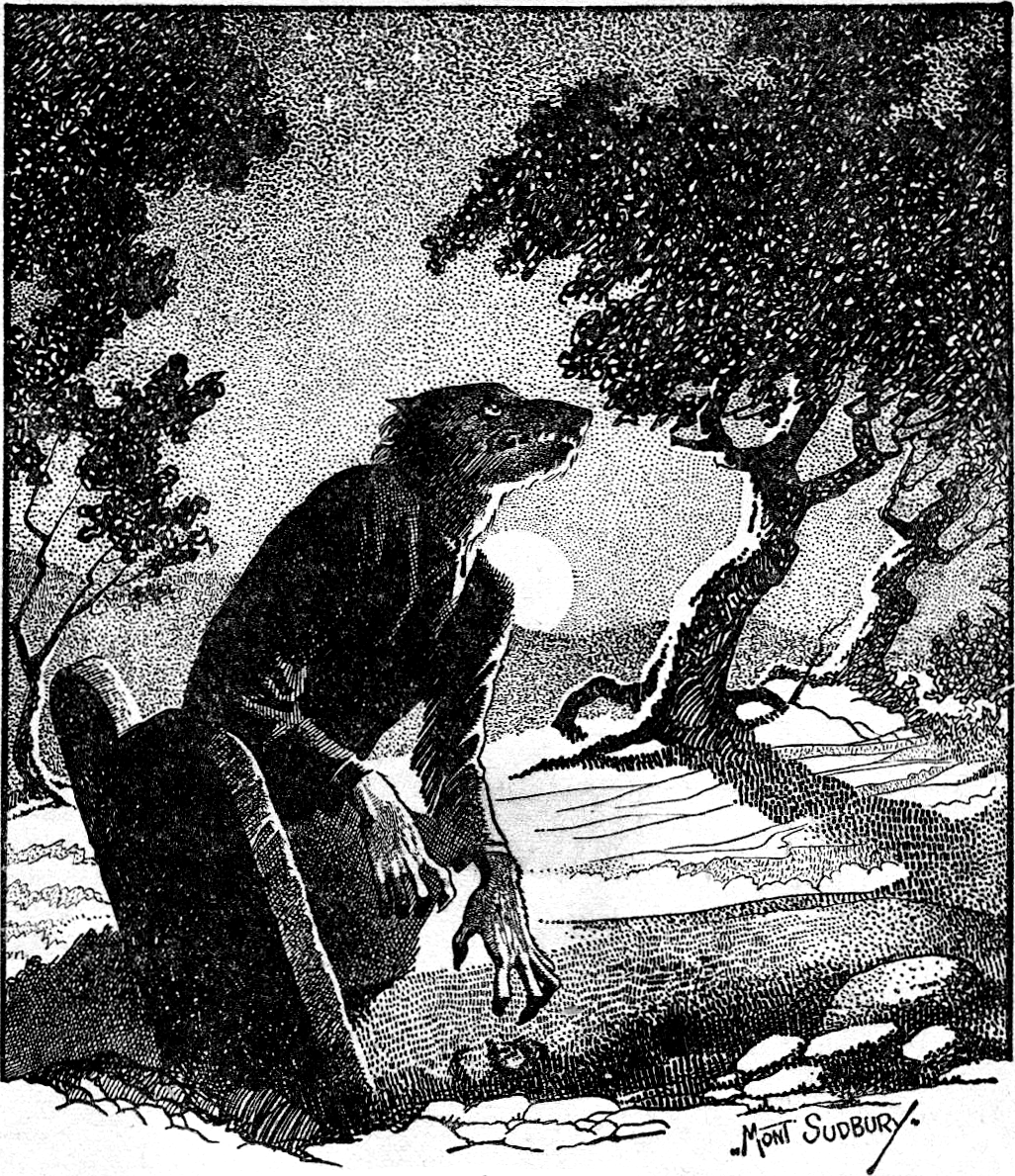 🇫🇷 France and 5 moreWerewolf
A mythical shapeshifter that turns into a wolf, central to European witch-hunts and Gothic horror.Being · Cursing and harm · Wonder and entertainment Legendary
🇫🇷 France and 5 moreWerewolf
A mythical shapeshifter that turns into a wolf, central to European witch-hunts and Gothic horror.Being · Cursing and harm · Wonder and entertainment Legendary
 🇪🇬 Egypt and 1 moreLilithלִילִית
A feminine figure from Mesopotamian and Jewish mythology, often depicted as a night demon or spirit.Being · Cursing and harm Legendary
🇪🇬 Egypt and 1 moreLilithלִילִית
A feminine figure from Mesopotamian and Jewish mythology, often depicted as a night demon or spirit.Being · Cursing and harm Legendary
 🇪🇬 EgyptCurse
A spoken wish for misfortune to befall a person or placeBelief · Cursing and harm · Luck and prosperity Historical
🇪🇬 EgyptCurse
A spoken wish for misfortune to befall a person or placeBelief · Cursing and harm · Luck and prosperity Historical