
Ahuizotl
In its own language: āhuitzotl
from Classical Nahuatl āhuitzotl, meaning "spiny aquatic thing"
A legendary Aztec water creature said to lure people to their deaths
The ahuizotl is a mythical beast from Aztec lore that dwells in lakes and rivers. It is believed to snatch victims for the rain gods or to feast on body parts.
- Name means "spiny aquatic thing" in Classical Nahuatl
- Has a hand at the end of its prehensile tail
- Lures victims by crying like a human baby
- Burial required a house surrounded by water
- Inspired a revolutionary newspaper title
What it is
The ahuizotl is a legendary creature from Aztec mythology, often called the "water dog." Its name comes from a Nahuatl word meaning "spiny aquatic thing," referring to its fur which spikes when it leaves the water. Described as the size of a small dog, it has waterproof black and grey fur, small pointed ears, and dexterous hands like a raccoon's or monkey's. A unique feature is a prehensile tail ending in a hand-like structure used to grasp prey. This being was included in the Florentine Codex, an important historical record of Aztec culture and beliefs.
Where it comes from
The ahuizotl originates from the mythology of the Aztec people in Mexico. The creature was associated with the ruler of the same name and considered a friend of the rain gods. Early accounts include a report by the conquistador Hernán Cortés to the King of Castile about a man killed by such a beast. The legend persisted into modern times, inspiring the name of a revolutionary anti-porfirist periodical called El Hijo del Ahuizote during the Mexican Revolution.
How it is done
Stories describe the ahuizotl living in deep pools or caverns, particularly around Lake Texcoco. It lures victims by crying like a human baby or by causing fish and frogs to jump, drawing fishermen to the water's edge. Using the hand at the end of its tail, it snatches people to feast on their eyes, nails, and teeth. Alternatively, it collects souls chosen by the gods Tlaloc and Chalchiuhtlicue. If a victim died, only priests could touch the body, which was buried in a house surrounded by water to prevent others from suffering harm.
Ahuizotl, drawn and placed
- Living
- Revived
- Fading
- Historical
- Legendary
- Performed
- Lineage
- Aztec mythology
What it is for
The creature serves different roles in various tellings. In some versions, it guards lakes and protects fish. In others, it acts as an agent of the rain gods, collecting souls of mortals they favor. Victims were sometimes chosen because they possessed specific precious stones. Fishermen claimed the beast would sink boats but could be appeased by offering a portion of their catch. These actions reflect a worldview where water spirits interact directly with human fate and resources.
Peoples and places
The ahuizotl is central to Aztec mythology in what is now Mexico. Sightings were mostly reported in the Lake Texcoco area, though some occurred outside the Aztec Empire borders. The belief system ties the creature to the gods Tlaloc and Chalchiuhtlicue, who govern rain and water. The legend influenced cultural expressions later, such as the title of a revolutionary newspaper, showing how mythic figures can be repurposed for political identity in Mexican history.
At a glance: who, where and when
Peoples

What people believe
Aztec beliefs held that the ahuizotl was linked to the paradise of the god Tlaloc. Souls taken by the creature were destined for this divine realm if selected by the gods. The creature was seen as a guardian of waters or a collector of souls. Believers thought touching a victim's body without priestly authority would cause gout or make one the next target. This reflects a spiritual framework where natural phenomena and animal behaviors are governed by divine will and ritual protocol.
Compare and confuse
The ahuizotl is similar to other water spirits like the Nguruvilu, Kelpie, Underwater panther, and Iemisch. These creatures often share traits like luring humans to water or possessing animal-human hybrid features. While the Kelpie is Celtic and the Nguruvilu is Mapuche, the ahuizotl stands out for its specific tail-hand mechanism and its direct connection to Aztec rain deities and burial customs.
Questions people ask about Ahuizotl
What is an ahuizotl?
It is a legendary creature from Aztec mythology, known as the water dog. It lives in lakes and is said to have a hand on its tail to grab victims.
Where does the name come from?
The name comes from the Classical Nahuatl word āhuitzotl, which translates to "spiny aquatic thing." This refers to the creature's spiky fur when wet.
How does it catch people?
It lures people by mimicking a baby's cry or making fish jump. It then uses the hand on its tail to snatch victims from the water's edge.
What happens to the victims?
Believers say the creature feasts on eyes, nails, and teeth. Others believe the gods choose these souls for paradise, linking them to rain deities.
Is it still talked about today?
Yes, the legend persists in Mexican culture. It even inspired the name of a revolutionary newspaper during the Mexican Revolution, showing its lasting impact.
Good reading and sources
The facts on this page come from the Wikipedia article "Ahuizotl (mythology)", written by its contributors and used under the CC BY-SA 4.0 licence, and from its Wikidata record (CC0). EveryJaadu rewrote the text in its own words, with AI assistance, and compares every page with the article to make sure no passage is copied. It may be reused under the same CC BY-SA 4.0 licence with a link back.
It may contain mistakes. Names and customs differ from one community to the next, and some knowledge is closed to outsiders and left out here. This page describes belief and practice. It does not say that any of it works, it is not a how-to, and it is not medical advice. If something is wrong, tell us. Last refreshed 2026-10-06.
More from Mexico
All the entries from Mexico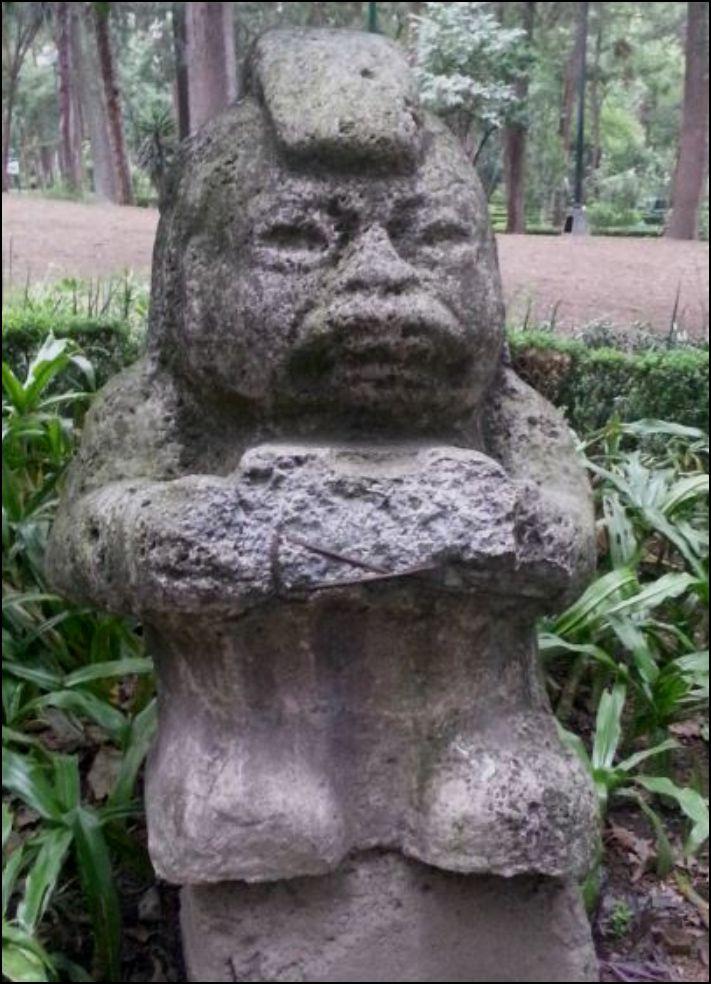 🇲🇽 MexicoChaneque
Mexican folklore sprites that guard nature and homesBeing · Protection · Cursing and harm Legendary
🇲🇽 MexicoChaneque
Mexican folklore sprites that guard nature and homesBeing · Protection · Cursing and harm Legendary
 🇲🇽 Mexico and 2 moreAluxaluxo'ob
A small Maya spirit believed to guard fields and cause mischief if offended.Being · Protection · Luck and prosperity Living
🇲🇽 Mexico and 2 moreAluxaluxo'ob
A small Maya spirit believed to guard fields and cause mischief if offended.Being · Protection · Luck and prosperity Living
 🇵🇷 Puerto Rico and 5 moreChupacabrachupacabras
A legendary creature said to drain livestock of blood, emerging from Puerto Rico in the mid-1990sBeing · Cursing and harm Legendary
🇵🇷 Puerto Rico and 5 moreChupacabrachupacabras
A legendary creature said to drain livestock of blood, emerging from Puerto Rico in the mid-1990sBeing · Cursing and harm Legendary
 🇲🇽 Mexico and 5 moreSihuanaba
A shapeshifting spirit that lures men with beauty before revealing a monstrous faceBeing · Cursing and harm Legendary
🇲🇽 Mexico and 5 moreSihuanaba
A shapeshifting spirit that lures men with beauty before revealing a monstrous faceBeing · Cursing and harm Legendary
Related elsewhere
All being 🇷🇸 Serbia and 5 moreVampire
An undead creature from folklore that feeds on the blood or life force of the livingBeing · Cursing and harm · Luck and prosperity Legendary
🇷🇸 Serbia and 5 moreVampire
An undead creature from folklore that feeds on the blood or life force of the livingBeing · Cursing and harm · Luck and prosperity Legendary
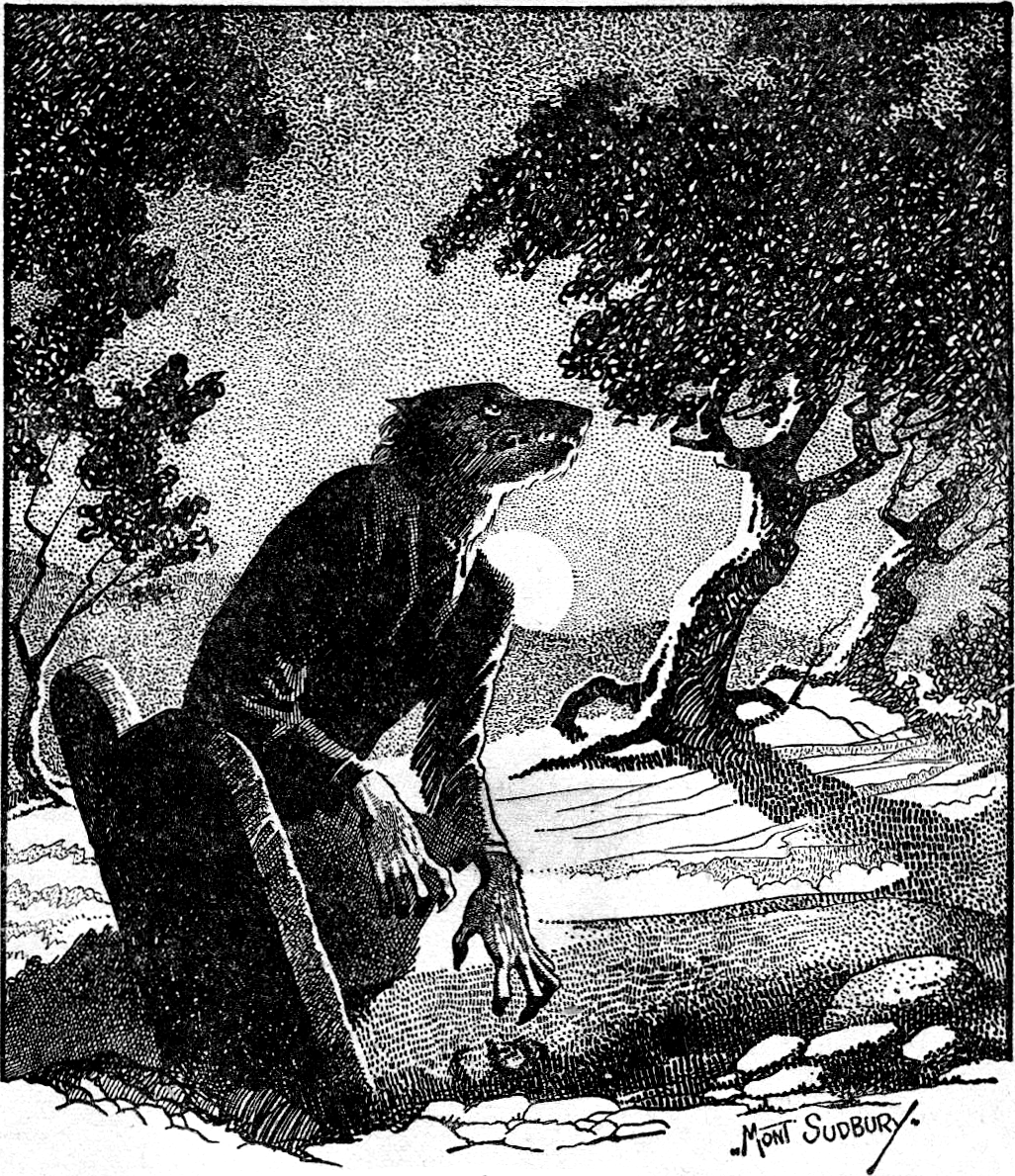 🇫🇷 France and 5 moreWerewolf
A mythical shapeshifter that turns into a wolf, central to European witch-hunts and Gothic horror.Being · Cursing and harm · Wonder and entertainment Legendary
🇫🇷 France and 5 moreWerewolf
A mythical shapeshifter that turns into a wolf, central to European witch-hunts and Gothic horror.Being · Cursing and harm · Wonder and entertainment Legendary
 🇪🇬 Egypt and 1 moreLilithלִילִית
A feminine figure from Mesopotamian and Jewish mythology, often depicted as a night demon or spirit.Being · Cursing and harm Legendary
🇪🇬 Egypt and 1 moreLilithלִילִית
A feminine figure from Mesopotamian and Jewish mythology, often depicted as a night demon or spirit.Being · Cursing and harm Legendary
 🇪🇬 EgyptCurse
A spoken wish for misfortune to befall a person or placeBelief · Cursing and harm · Luck and prosperity Historical
🇪🇬 EgyptCurse
A spoken wish for misfortune to befall a person or placeBelief · Cursing and harm · Luck and prosperity Historical