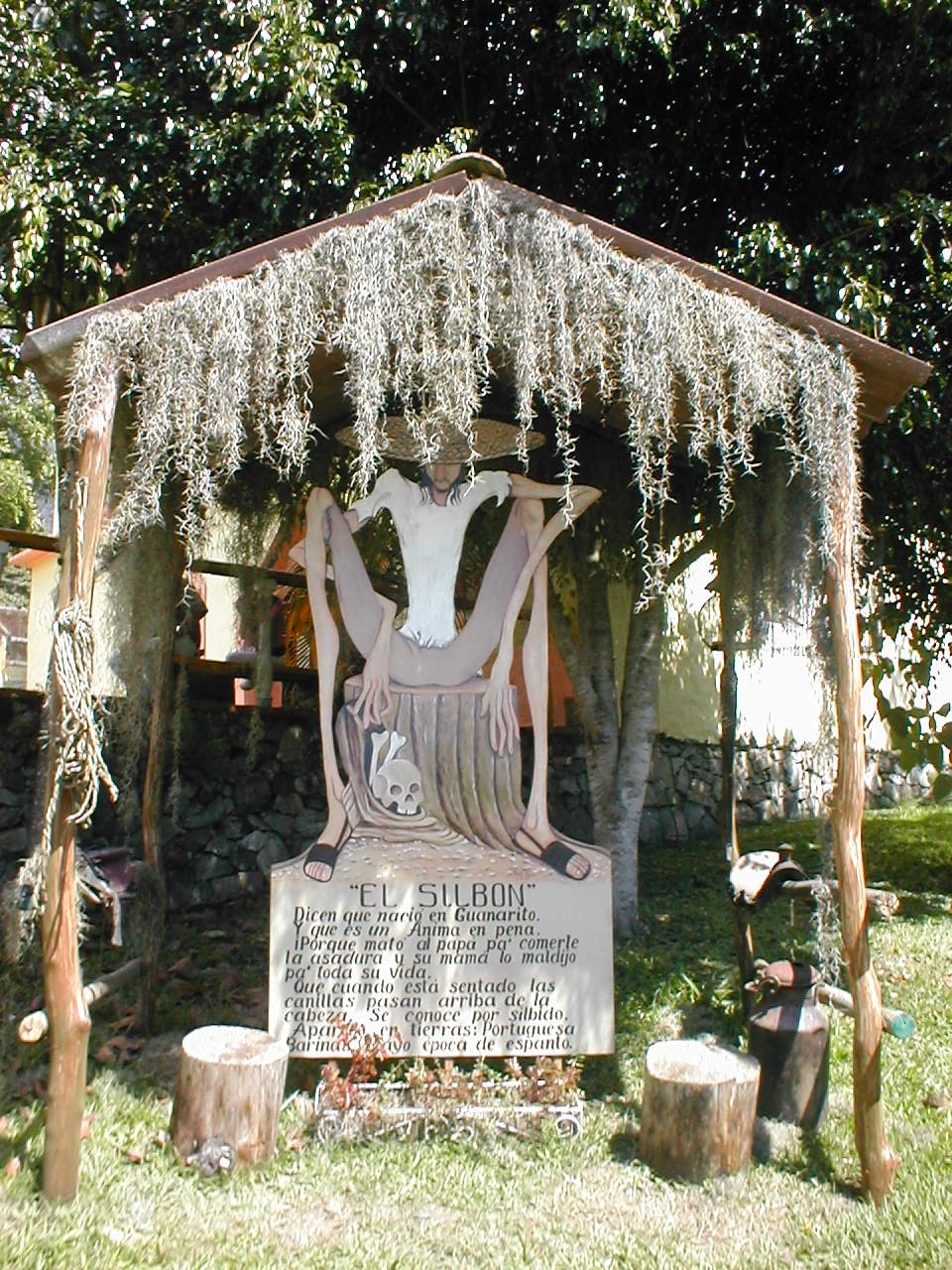
El Silbón
A Venezuelan and Colombian legend of a cursed spirit who carries his father's bones.
El Silbón is a legendary figure from the Los Llanos region of Venezuela and Colombia. He is described as a lost soul condemned to wander eternally while carrying the remains of his father in a sack. The legend serves as a moral warning against violence and drunkenness.
- El Silbón carries his father's bones in a sack.
- His whistle sounds far away when he is near.
- He punishes drunkards and womanizers.
- The legend emerged in the mid-19th century.
- Dogs barking can protect against the spirit.
What it is
El Silbón, known as The Whistler, is a prominent figure in the folklore of the Los Llanos region. This area spans parts of Venezuela and Colombia. The entity is typically described as a lost soul or a vengeful ghost. He is characterized by a distinctive whistling sound that echoes across the plains. The legend functions as a social control mechanism and a moral warning for rural communities. It warns against behaviors such as domestic violence and excessive drinking. The spirit is said to appear during specific weather conditions, often when the savannah experiences drought or rain.
Where it comes from
The legend emerged in the mid-19th century within Venezuelan llanero culture. It is deeply rooted in the oral traditions of the region. The story serves as a cautionary tale about the consequences of unchecked rage and filial impiety. It reflects the social values and fears of the rural populations in the Eastern Llanos. The narrative has been shared across borders, becoming part of both Venezuelan and Colombian heritage. Scholars view it as an element of folklore that reinforces community norms through fear.
How it is done
The spirit is said to manifest as a giant or a tall, thin shadow wearing a hat. He carries a sack containing the bones of his father. In some versions, the sack holds the remains of other victims. He moves through the treetops or wanders the ground. His presence is announced by a chilling whistle. The sound varies in distance to deceive listeners. When the whistle sounds close, he is far away; when distant, he is near. He is believed to pursue drunkards and womanizers specifically.
Tools and materials
The primary tool associated with El Silbón is a sack used to carry human remains. Inside are the bones of his father, or sometimes multiple victims. He uses a hunting knife and rifle in the backstory of his crime. His whistle serves as a sonic signature. Some versions mention substances like chili peppers or liquor used in his punishment. These items highlight the brutality of his past life and current curse.
El Silbón, drawn and placed
- Living
- Revived
- Fading
- Historical
- Legendary
- Performed
What it is for
The legend acts as a moral deterrent in rural areas. It warns against violence, particularly against family members. It also targets those who abuse alcohol or women. Hearing the whistle is said to foretell one's own death. Victims may be punished by having their alcohol sucked from their navels or being torn apart. The only protections mentioned are the barking of dogs, chili peppers, or a whip. These elements reinforce the spirit's role as a punisher of vice.
Who does it
The figure is not practiced by any living group but is studied by scholars. It is a product of llanero folklore. The legend is maintained through oral storytelling rather than ritual practice. It is passed down through generations in Venezuela and Colombia. Researchers analyze it as a cultural artifact reflecting historical social tensions. There are no formal priests or shamans associated with this specific entity.
Peoples and places
The legend is central to Venezuelan identity, especially in Portuguesa state and Guanarito Municipality. It is also widespread in the Eastern Llanos of Colombia. The Llanero people, inhabitants of the grassy plains, are the primary carriers of this myth. The story unites these regions through shared cultural heritage. It reflects the harsh environment and social dynamics of the savannah. Different versions exist, but the core narrative remains consistent across communities.
At a glance: who, where and when
Peoples
What people believe
The worldview behind El Silbón involves eternal punishment for grave sins. The spirit was cursed by his grandfather after murdering his father. He is condemned to wander forever, carrying the remains of his victim. The legend suggests that divine mercy is delayed indefinitely. It incorporates elements of Christian damnation mixed with local superstition. The spirit's fear of dogs and chili peppers adds a layer of vulnerability to the supernatural entity. This duality makes the legend more complex and relatable to locals.
When it is done
The spirit is most commonly seen during the summer months. This season brings harsh droughts to the Venezuelan savannah. He may also appear on rainy or humid days. These weather conditions create the atmospheric setting for his wanderings. The legend does not tie him to specific festivals or holy days. His appearances are random, linked instead to environmental factors and moral transgressions.
How scholars and sceptics see it
Anthropologists and historians view El Silbón as a key component of llanero folklore. They see it as a mechanism for social control in rural societies. The legend reinforces norms against violence and drunkenness. Psychologists might interpret the spirit as a manifestation of collective guilt or fear. Sceptics regard it as a fictional construct without supernatural basis. The narrative's persistence highlights its cultural significance beyond mere entertainment.
Cautions and what is closed
The legend describes violent acts, including patricide and mutilation. These are presented as backstory rather than instructions. The spirit's punishments are graphic, involving tearing and sucking fluids. However, the text reports these as beliefs held by locals. There are no recorded harms caused by practicing the legend itself. The story serves as a warning rather than a call to action. It reflects historical anxieties about lawlessness in remote areas.
Compare and confuse
El Silbón shares traits with other vengeful ghosts like La Llorona. It is similar to the Boogeyman or Sack Man figures in function. Both serve as moral warnings for children and adults. Unlike Onryō, which are Japanese spirits, El Silbón is tied to specific geography. The comparison highlights universal themes of parental revenge and eternal wandering. Each culture adapts the motif to its own social concerns.
Questions people ask about El Silbón
What is El Silbón?
El Silbón is a legendary figure from the Los Llanos region of Venezuela and Colombia. He is a cursed spirit who wanders eternally carrying the bones of his father in a sack. The legend serves as a moral warning against violence and drunkenness.
Where does the legend come from?
The legend originated in the mid-19th century among the Llanero people. It is part of the folklore of the Venezuelan and Colombian plains. The story reflects the social values and fears of rural communities in this region.
How can you tell if El Silbón is near?
It is believed that when his whistle sounds close, he is actually far away. When the whistle sounds distant, he is nearby. Hearing the whistle is also said to foretell one's own death unless protected by a dog's bark or chili.
Who does El Silbón target?
The spirit primarily pursues drunkards and womanizers. He is said to suck alcohol from drunkards' navels or tear womanizers apart. Innocent victims may also be targeted in some versions of the legend.
Good reading and sources
The facts on this page come from the Wikipedia article "El Silbón", written by its contributors and used under the CC BY-SA 4.0 licence, and from its Wikidata record (CC0). EveryJaadu rewrote the text in its own words, with AI assistance, and compares every page with the article to make sure no passage is copied. It may be reused under the same CC BY-SA 4.0 licence with a link back.
It may contain mistakes. Names and customs differ from one community to the next, and some knowledge is closed to outsiders and left out here. This page describes belief and practice. It does not say that any of it works, it is not a how-to, and it is not medical advice. If something is wrong, tell us. Last refreshed 2026-10-05.
More from Venezuela
All the entries from Venezuela 🇲🇽 Mexico and 5 moreLa Llorona
A vengeful ghost in Hispanic American folklore who mourns drowned children near water.Figure · Cursing and harm Living
🇲🇽 Mexico and 5 moreLa Llorona
A vengeful ghost in Hispanic American folklore who mourns drowned children near water.Figure · Cursing and harm Living
 🇲🇽 Mexico and 3 moreFolk saint
Unofficially recognized holy figures venerated by local communities for intercession and miraclesBelief · Protection · Healing Living
🇲🇽 Mexico and 3 moreFolk saint
Unofficially recognized holy figures venerated by local communities for intercession and miraclesBelief · Protection · Healing Living
 🇵🇪 Peru and 5 morePalo Santo
Aromatic wood used in South American ritual cleansing and folk medicineSubstance · Cleansing and purification · Healing Living
🇵🇪 Peru and 5 morePalo Santo
Aromatic wood used in South American ritual cleansing and folk medicineSubstance · Cleansing and purification · Healing Living
 🇨🇺 Cuba and 5 morePalo
An Afro-Cuban religion centered on spirit vessels and ancestral powerTradition · Healing · Cursing and harm Living
🇨🇺 Cuba and 5 morePalo
An Afro-Cuban religion centered on spirit vessels and ancestral powerTradition · Healing · Cursing and harm Living
Related elsewhere
All figure 🇮🇸 Iceland and 2 moreSeiðr
A Norse magic of fate and spirit, practiced by seers and sorcerers in the Viking Age.Tradition · Seeing and foretelling · Cursing and harm Revived
🇮🇸 Iceland and 2 moreSeiðr
A Norse magic of fate and spirit, practiced by seers and sorcerers in the Viking Age.Tradition · Seeing and foretelling · Cursing and harm Revived
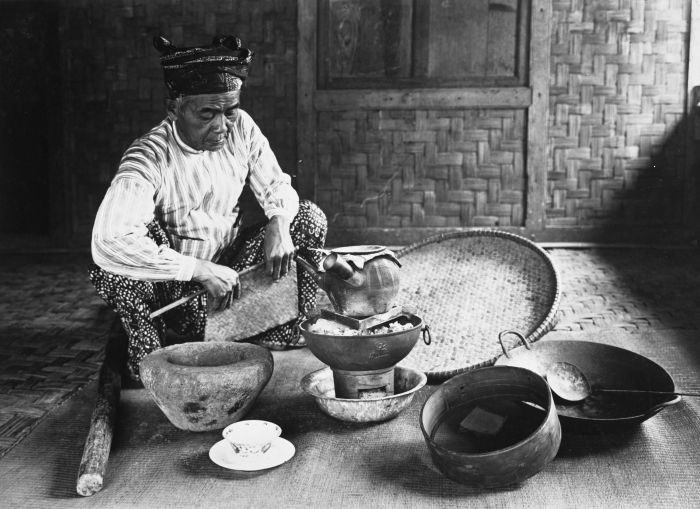 🇮🇩 Indonesia and 2 moreDukun
A traditional healer and spirit medium in Indonesian folk practiceTradition · Healing · Seeing and foretelling Living
🇮🇩 Indonesia and 2 moreDukun
A traditional healer and spirit medium in Indonesian folk practiceTradition · Healing · Seeing and foretelling Living
 🇸🇸 South Sudan and 1 moreAzande witchcraft
A Zande belief that certain people harm others by an inherited power, judged by oraclesBelief · Cursing and harm · Seeing and foretelling Living
🇸🇸 South Sudan and 1 moreAzande witchcraft
A Zande belief that certain people harm others by an inherited power, judged by oraclesBelief · Cursing and harm · Seeing and foretelling Living