La Bolefuego
from Spanish bola, a ball or sphere, and fuego, fire
A fiery apparition from the Llanos that hunts travelers and avoids prayer.
La Bolefuego is a legendary spirit from Colombian and Venezuelan folklore. It appears as a violent, flashing lantern in the dark nights of the Llanos plains. The entity is said to be the ghost of a woman burned alive with her children, and it attacks those who cross its path.
- Appears as a shaking, flashing lantern in the Llanos.
- Spirit of a woman burned alive with her two children.
- Attracted by prayer; victims should remain silent.
- Found in folklore of Colombia and Venezuela.
- Similar to the Will-o'-the-wisp and Hitodama.
What it is
La Bolefuego is a figure in the folklore of Colombia and Venezuela. It manifests as a bright, moving light during the night. Observers describe it as a lantern that shakes and turns with great force. This luminous form moves through the dark landscapes of the Llanos region. The entity is not a natural light but a supernatural presence. It is recognized as a dangerous spirit that interacts with people who wander nearby. The appearance of this light signals the presence of a malevolent force.
Where it comes from
The legend states that La Bolefuego is the spirit of a woman. She was killed by fire inside her home. Her two children died with her in the same event. The spirit remains bound to the area where the tragedy occurred. It acts as a guardian of its past suffering. The story explains the origin of the strange lights seen in the dark. These lights are interpreted as the restless energy of the burned family.
How it is done
The spirit moves across the terrain at night. It presents itself as a shaking, flashing object. Travelers may see this light approaching them in the darkness. The movement is described as violent and erratic. Those who encounter the light must remain calm. They are warned against praying aloud. Prayer attracts the spirit rather than repelling it. Silence is the recommended response to avoid an attack.
Tools and materials
The primary tool of La Bolefuego is its own body. It generates a bright, intense light. This light mimics a lantern or a burning ball. The visual effect is the only method of interaction. There are no physical objects used by the spirit. The light serves as both its form and its warning signal. The intensity of the glow distinguishes it from other natural phenomena.
La Bolefuego, drawn and placed
- Living
- Revived
- Fading
- Historical
- Legendary
- Performed
- Lineage
- Latin American folklore
- Timing
- dark nights
What it is for
The spirit is believed to hunt travelers. It seeks out people who are alone in the dark. The intent is to cause harm or death. Victims are those who fail to follow the survival advice. The spirit does not respond to religious pleas. It uses prayer as a lure to draw closer to its prey. The purpose of the legend is to warn against wandering at night.
Who does it
There are no specific practitioners of La Bolefuego. It is a standalone entity within the folk tradition. People do not worship or summon the spirit. Instead, they learn about it through stories. Elders pass down the warnings to younger generations. The knowledge is shared to ensure safety in the wilderness. No rituals are performed to appease the spirit.
Peoples and places
The legend is central to Colombian and Venezuelan culture. It is particularly associated with the Llanos plains. These are vast grasslands that become very dark at night. The story helps explain unexplained lights in the region. Similar legends exist in other parts of the world. The name varies slightly between regions, but the core story remains consistent.
At a glance: who, where and when
Peoples
Belief worlds
What people believe
The belief system views the spirit as a tragic figure. It is a victim of violence who has turned into a monster. The spirit is attracted to prayer because it mimics human vulnerability. This detail makes the entity unique among evil spirits. The belief reinforces the importance of silence and caution. It reflects a worldview where the dead can retain their anger.
When it is done
The spirit appears on dark nights. There is no specific festival or holiday tied to it. The danger exists whenever the sky is clear and dark. Travelers are most at risk during late hours. The season does not seem to matter as much as the lack of light.
How scholars and sceptics see it
Scholars view La Bolefuego as a cultural explanation for natural phenomena. It may be linked to will-o'-the-wisp sightings. The story serves a social function by keeping people indoors at night. It also preserves the memory of historical tragedies. Researchers analyze it as part of Latin American mythic structures.
Cautions and what is closed
The legend warns of real dangers in the wilderness. Traveling alone at night is risky due to wildlife and terrain. The spirit story adds a supernatural layer to these risks. There are no known frauds associated with this specific legend. The tale is purely narrative and does not involve commercial exploitation.
Compare and confuse
La Bolefuego is similar to the Will-o'-the-wisp. Both are misleading lights that lead travelers astray. It also resembles the Japanese Hitodama. These entities all share the trait of being soul-like fires. The key difference is the specific backstory of the burned mother.
Questions people ask about La Bolefuego
What is La Bolefuego?
It is a legendary spirit from Colombian and Venezuelan folklore. It appears as a bright, violent light in the dark nights of the Llanos plains.
Where does the legend come from?
The story originates in the oral traditions of Colombia and Venezuela. It explains mysterious lights seen in the grasslands of the Llanos region.
How does one survive an encounter?
Travelers are advised not to pray. Unlike other spirits, La Bolefuego is attracted to prayer. Silence is the best way to avoid its attention.
Who is the spirit?
It is the ghost of a woman who was burned alive in her home. Her two children also died in the fire, and their spirit remains with her.
Good reading and sources
The facts on this page come from the Wikipedia article "La Bolefuego", written by its contributors and used under the CC BY-SA 4.0 licence, and from its Wikidata record (CC0). EveryJaadu rewrote the text in its own words, with AI assistance, and compares every page with the article to make sure no passage is copied. It may be reused under the same CC BY-SA 4.0 licence with a link back.
It may contain mistakes. Names and customs differ from one community to the next, and some knowledge is closed to outsiders and left out here. This page describes belief and practice. It does not say that any of it works, it is not a how-to, and it is not medical advice. If something is wrong, tell us. Last refreshed 2026-10-07.
More from Colombia
All the entries from Colombia 🇲🇽 Mexico and 5 moreLa Llorona
A vengeful ghost in Hispanic American folklore who mourns drowned children near water.Figure · Cursing and harm Living
🇲🇽 Mexico and 5 moreLa Llorona
A vengeful ghost in Hispanic American folklore who mourns drowned children near water.Figure · Cursing and harm Living
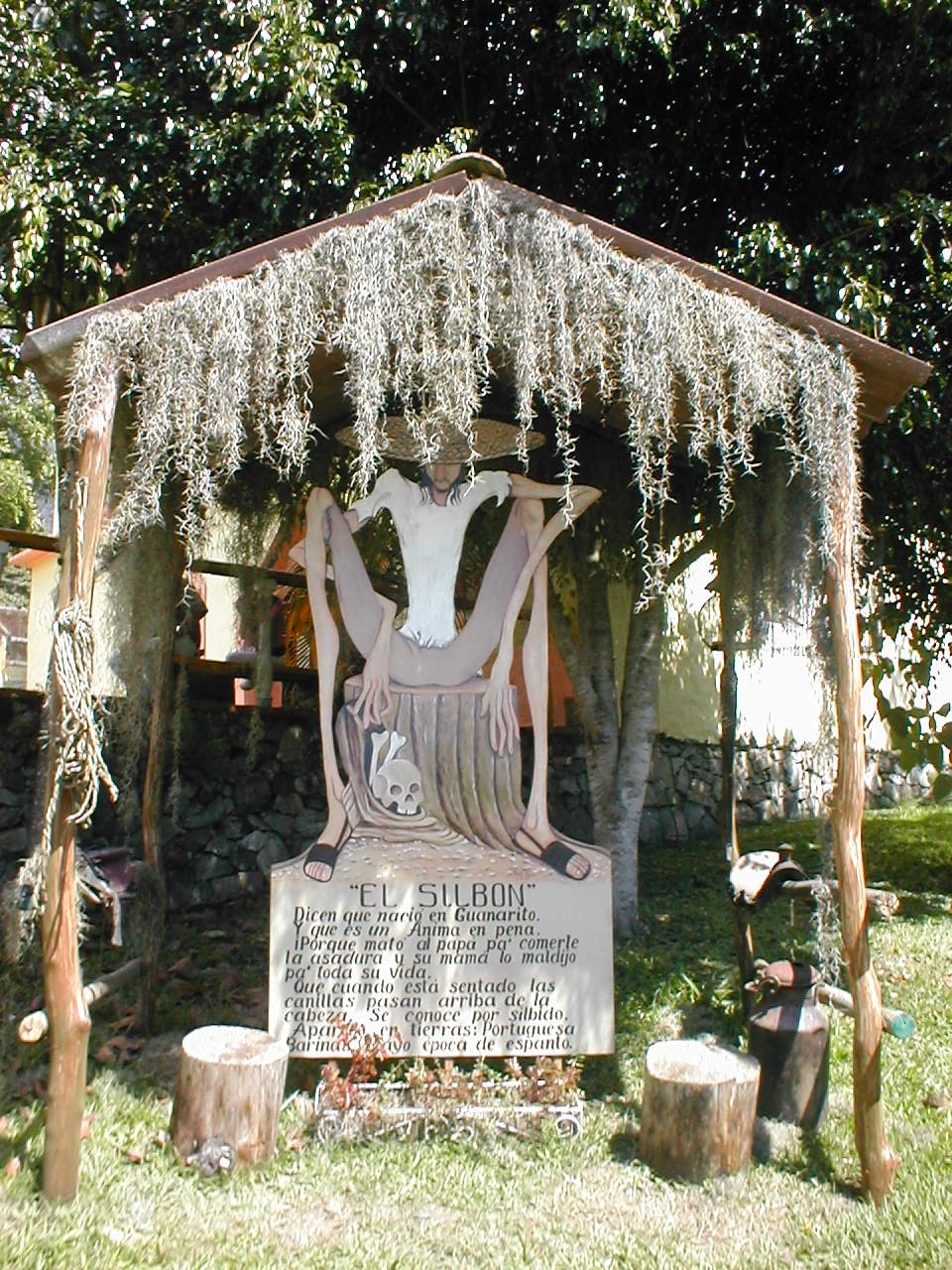 🇻🇪 Venezuela and 1 moreEl Silbón
A Venezuelan and Colombian legend of a cursed spirit who carries his father's bones.Figure · Cursing and harm · Seeing and foretelling Legendary
🇨🇴 Colombia and 1 moreTunda
A shapeshifting entity from the Pacific coast of Colombia and Ecuador that lures people into the forest.Figure · Cursing and harm Legendary
🇻🇪 Venezuela and 1 moreEl Silbón
A Venezuelan and Colombian legend of a cursed spirit who carries his father's bones.Figure · Cursing and harm · Seeing and foretelling Legendary
🇨🇴 Colombia and 1 moreTunda
A shapeshifting entity from the Pacific coast of Colombia and Ecuador that lures people into the forest.Figure · Cursing and harm Legendary
 🇨🇴 ColombiaColombian folklore
Beliefs and legends passed down through generations in ColombiaTradition · Wonder and entertainment Living
🇨🇴 ColombiaColombian folklore
Beliefs and legends passed down through generations in ColombiaTradition · Wonder and entertainment Living
Related elsewhere
All figure 🇷🇸 Serbia and 5 moreVampire
An undead creature from folklore that feeds on the blood or life force of the livingBeing · Cursing and harm · Luck and prosperity Legendary
🇷🇸 Serbia and 5 moreVampire
An undead creature from folklore that feeds on the blood or life force of the livingBeing · Cursing and harm · Luck and prosperity Legendary
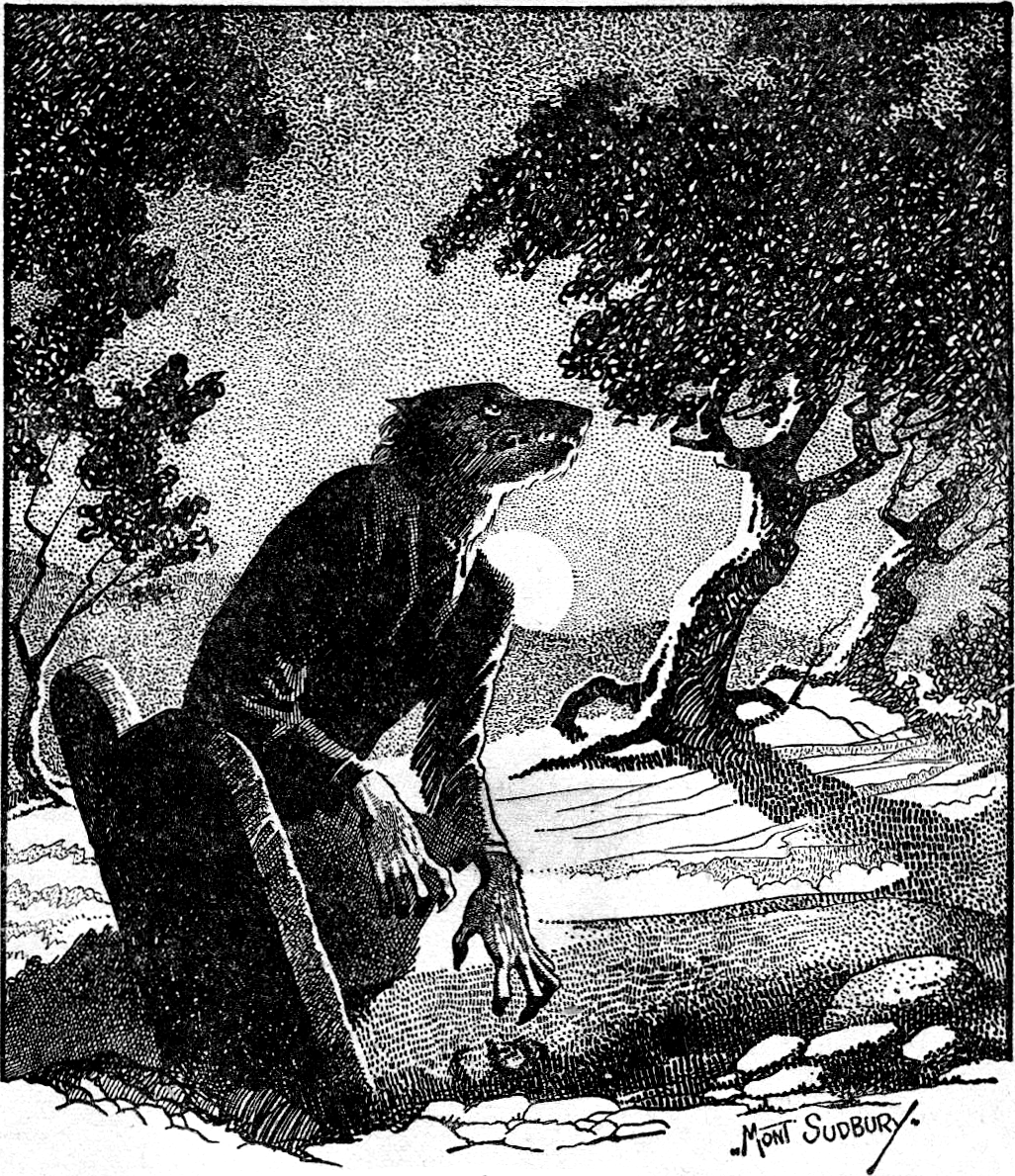 🇫🇷 France and 5 moreWerewolf
A mythical shapeshifter that turns into a wolf, central to European witch-hunts and Gothic horror.Being · Cursing and harm · Wonder and entertainment Legendary
🇫🇷 France and 5 moreWerewolf
A mythical shapeshifter that turns into a wolf, central to European witch-hunts and Gothic horror.Being · Cursing and harm · Wonder and entertainment Legendary
 🇪🇬 Egypt and 1 moreLilithלִילִית
A feminine figure from Mesopotamian and Jewish mythology, often depicted as a night demon or spirit.Being · Cursing and harm Legendary
🇪🇬 Egypt and 1 moreLilithלִילִית
A feminine figure from Mesopotamian and Jewish mythology, often depicted as a night demon or spirit.Being · Cursing and harm Legendary
 🇪🇬 EgyptCurse
A spoken wish for misfortune to befall a person or placeBelief · Cursing and harm · Luck and prosperity Historical
🇪🇬 EgyptCurse
A spoken wish for misfortune to befall a person or placeBelief · Cursing and harm · Luck and prosperity Historical