Lobisomem
from Latin lupus (wolf) and homo (man), becoming lobo and homem in Portuguese
A South American shape-shifter born from family fate or sin, often linked to the full moon.
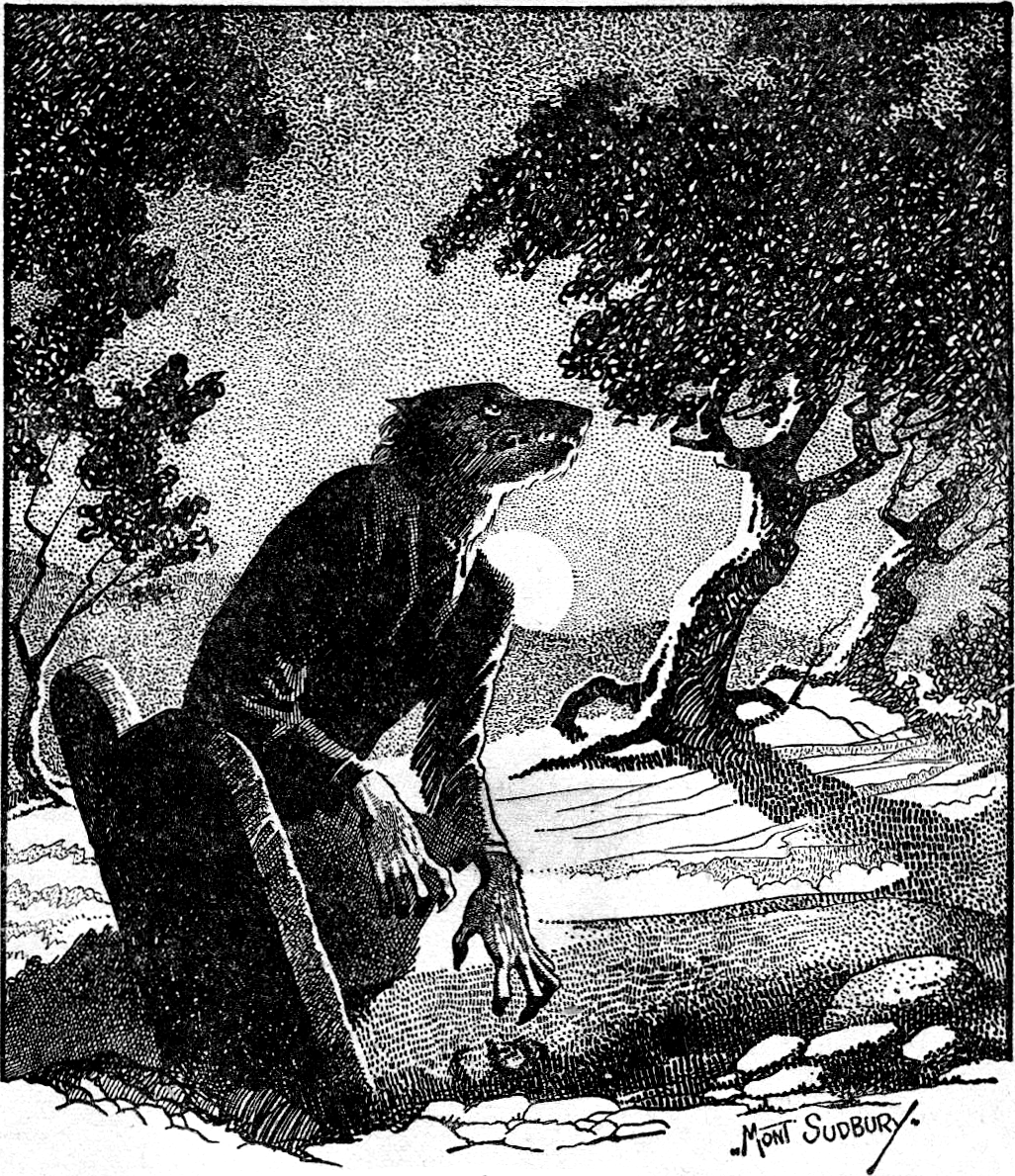
The lobisomem is a folk creature of Brazil and wider South America. It is usually described as a werewolf, though some tales depict it as a ball of fire or a large pig. People believe specific family circumstances or moral transgressions cause a person to become one.
- A Brazilian folk creature often depicted as a werewolf.
- Can appear as a ball of fire or a large pig in some tales.
- Seventh sons may transform unless saved by a godfather.
- Transforms at night, often during a full moon or on Fridays.
- Etymology comes from Latin lupus and homo via Portuguese.
What it is
The lobisomem is a legendary being found in the folklore of South America, particularly in Brazil. While the name is the standard Portuguese word for werewolf, local stories offer different shapes. In some regions, the creature appears as a glowing ball of fire or an unusually large pig. When it takes human form, it looks like a normal person but has slightly pointed ears and pale yellowish skin. In its wolf-like state, it matches descriptions of werewolves from other cultures. The creature is known to attack travelers and animals on roads at night.
Where it comes from
Folklore provides several ways a person becomes a lobisomem. A bite from an existing creature or contact with its blood causes transformation. Family structure also plays a role: a seventh son in a family may turn into one unless an elder brother acts as his godfather. Similarly, the first male child of a couple who already has seven daughters transforms on his thirteenth birthday. Moral failures are another cause. Incest, concubinage, or a woman having relations with a priest can result in this cursed state.
How it is done
The transformation happens at night. Beliefs vary on the timing trigger. Some say the change occurs every night when the moon is full. Others claim it only happens on Fridays that coincide with a full moon. Once transformed, the creature hunts. It attacks people traveling on roads and targets animals.
Lobisomem, drawn and placed
- Living
- Revived
- Fading
- Historical
- Legendary
- Performed
- Lineage
- South American folklore
- Timing
- at night, during a full moon or on Fridays
What it is for
The condition serves as a narrative device for explaining misfortune or danger. It links personal fate, such as birth order, with moral failure. The creature is feared because it preys on vulnerable travelers and livestock. Communities use these stories to explain sudden attacks or unexplained events in remote areas. The belief reinforces social norms by punishing taboo behaviors like incest or improper relations with religious figures.
Peoples and places
The tradition is strongest in Brazil, where the term lobisomem is common. The etymology traces back to Latin roots adapted into Portuguese. In parts of the Amazon, a related term called Cumacanga is used. This word combines Acanga (head) and cunhã (Indian woman), suggesting a meaning of 'Head of a woman.' It is unclear if this represents a female version of the lobisomem or a distinct but similar entity within the same regional folklore.
At a glance: who, where and when
Peoples
Belief worlds
What people believe
The lore treats the transformation as a fixed fate or a divine punishment. It is not seen as a choice but as an inevitable outcome of specific birth conditions or sins. The connection to the moon suggests a link to natural cycles, while the Friday association ties it to Christian concepts of penance. The creature exists outside normal human morality, acting on instinct to harm those it encounters.
When it is done
The cycle of the moon is central to the legend. The full moon triggers the transformation in many versions. Some traditions specify that this must happen on a Friday, combining lunar phases with the weekly calendar. The transformation always occurs at night. For those born into the specific family structures mentioned, the first change is tied to a specific age, such as the thirteenth birthday.
Compare and confuse
The lobisomem is closely related to the Capelobo and the general werewolf archetype. While European werewolves often focus on individual curses, the Brazilian version emphasizes family lineage, such as birth order. The Amazonian Cumacanga adds a unique indigenous linguistic layer to the otherwise Latin-derived term. Both entities share the trait of night-time hunting and animal attack.
Questions people ask about Lobisomem
What is a lobisomem?
It is a legendary creature from South American folklore, especially in Brazil. Most often described as a werewolf, it can also appear as a ball of fire or a large pig. It attacks travelers and animals at night.
How does someone become a lobisomem?
Causes include being bitten by one, touching its blood, or specific birth orders like being a seventh son. Moral sins such as incest or relations with a priest are also said to cause the transformation.
When does the transformation happen?
The change occurs at night. Many believe it happens during a full moon. Some versions add that it only takes place on Fridays when the moon is full.
What does the name mean?
The word comes from Latin lupus (wolf) and homo (man). In Portuguese, these became lobo and homem. In the Amazon, Cumacanga may refer to a related female or distinct entity.
Good reading and sources
The facts on this page come from the Wikipedia article "Lobisomem", written by its contributors and used under the CC BY-SA 4.0 licence, and from its Wikidata record (CC0). EveryJaadu rewrote the text in its own words, with AI assistance, and compares every page with the article to make sure no passage is copied. It may be reused under the same CC BY-SA 4.0 licence with a link back.
It may contain mistakes. Names and customs differ from one community to the next, and some knowledge is closed to outsiders and left out here. This page describes belief and practice. It does not say that any of it works, it is not a how-to, and it is not medical advice. If something is wrong, tell us. Last refreshed 2026-10-07.
More from Brazil
All the entries from Brazil 🇵🇷 Puerto Rico and 5 moreChupacabrachupacabras
A legendary creature said to drain livestock of blood, emerging from Puerto Rico in the mid-1990sBeing · Cursing and harm Legendary
🇵🇷 Puerto Rico and 5 moreChupacabrachupacabras
A legendary creature said to drain livestock of blood, emerging from Puerto Rico in the mid-1990sBeing · Cursing and harm Legendary
 🇧🇷 Brazil and 2 moreCurupira
A backwards-footed forest guardian from Brazilian indigenous myth who punishes loggers and misleads travelers.Being · Protection · Cursing and harm Legendary
🇧🇷 Brazil and 2 moreCurupira
A backwards-footed forest guardian from Brazilian indigenous myth who punishes loggers and misleads travelers.Being · Protection · Cursing and harm Legendary
 🇵🇪 Peru and 1 moreChullachaqui
A one-footed forest spirit of the Amazon that lures or challenges humansBeing · Cursing and harm · Power and authority Legendary
🇵🇪 Peru and 1 moreChullachaqui
A one-footed forest spirit of the Amazon that lures or challenges humansBeing · Cursing and harm · Power and authority Legendary
 🇧🇷 BrazilBoitatá
A fiery serpent of Brazilian folklore that guards forests or frightens childrenBeing · Protection · Cursing and harm Living
🇧🇷 BrazilBoitatá
A fiery serpent of Brazilian folklore that guards forests or frightens childrenBeing · Protection · Cursing and harm Living
Related elsewhere
All being 🇷🇸 Serbia and 5 moreVampire
An undead creature from folklore that feeds on the blood or life force of the livingBeing · Cursing and harm · Luck and prosperity Legendary
🇷🇸 Serbia and 5 moreVampire
An undead creature from folklore that feeds on the blood or life force of the livingBeing · Cursing and harm · Luck and prosperity Legendary
 🇫🇷 France and 5 moreWerewolf
A mythical shapeshifter that turns into a wolf, central to European witch-hunts and Gothic horror.Being · Cursing and harm · Wonder and entertainment Legendary
🇫🇷 France and 5 moreWerewolf
A mythical shapeshifter that turns into a wolf, central to European witch-hunts and Gothic horror.Being · Cursing and harm · Wonder and entertainment Legendary
 🇪🇬 Egypt and 1 moreLilithלִילִית
A feminine figure from Mesopotamian and Jewish mythology, often depicted as a night demon or spirit.Being · Cursing and harm Legendary
🇪🇬 Egypt and 1 moreLilithלִילִית
A feminine figure from Mesopotamian and Jewish mythology, often depicted as a night demon or spirit.Being · Cursing and harm Legendary
 🇪🇬 EgyptCurse
A spoken wish for misfortune to befall a person or placeBelief · Cursing and harm · Luck and prosperity Historical
🇪🇬 EgyptCurse
A spoken wish for misfortune to befall a person or placeBelief · Cursing and harm · Luck and prosperity Historical