Traditions and systems
Whole bodies of practice: Vodou, shamanism, hoodoo, Wicca, onmyodo, Ifa and the rest.
A tradition is a whole body of magical practice with its own teachers, vocabulary and rules, as distinct from a single charm or rite. Ifa in West Africa, Vodou in Haiti, Tibetan Buddhist ritual, Wicca in Britain and America, and Siberian shamanism are all traditions in this sense. Some are living religions, some are modern inventions, and some survive only in fragments. This page looks at how they differ and what each label hides. Each is described here in its own terms wherever the community has chosen to share them.
Who holds them
A tradition has keepers. In Ifa, a babalawo trains for years and memorises the verses of Odu. In Haitian Vodou, a houngan or mambo is initiated within a house and a lineage. Wicca, by contrast, grew from the writings of Gerald Gardner in the 1950s and spreads by books and covens. Access varies: some traditions are open, some require initiation, and some are closed to outsiders by the community's own rule.
Names that mislead
Outsiders have often given traditions names their keepers did not choose. Colonial officials and missionaries called African and Indigenous religions fetishism, witchcraft or devil worship. The word voodoo, borrowed from the Haitian religion, became a stock horror image, while practitioners say Vodou. Many people also reject the word magic for what they see as plain religion, worship of ancestors or medicine of the land. Some are written down in long poems or scriptures, while others are carried only in memory, song and apprenticeship, which affects how outsiders can study them.
How states treat them
Treatment ranges from protection to prohibition. Haiti recognised Vodou as a religion in 2003. Britain repealed its Witchcraft Act only in 1951. Several African and Pacific states still prosecute witchcraft accusations, and Saudi Arabia has executed people for sorcery. Many traditions were absorbed rather than banned: Santeria wore the faces of Catholic saints, and Taoist ritual was licensed by Chinese emperors. Recognition on paper does not end prejudice: a faith can be legal under a constitution and still be mocked, taxed or policed at local level.
Scholars and sceptics
Anthropologists such as Evans-Pritchard, who studied the Azande in the 1930s, described magic as a coherent system of explanation, not stupidity. Historians stress that boundaries between religion, magic and science were drawn by particular people for particular reasons. Sceptics point out that tests of efficacy have found no effect beyond expectation. Many tradition-bearers answer that the question misses what the practice is for. Folklorists add that traditions are always changing, with no pure original to return to, and that revival is itself a form of change.
Tradition on EveryJaadu
The entries written up so far, best known first.
 🇰🇪 Kenya and 1 moreMaasai religion
The spiritual beliefs of the semi-nomadic Maasai people of East AfricaTradition · Protection · Healing Living
🇰🇪 Kenya and 1 moreMaasai religion
The spiritual beliefs of the semi-nomadic Maasai people of East AfricaTradition · Protection · Healing Living
 🇬🇷 Greece and 5 moreCrossroads (folklore)
A junction between worlds where spirits are met and deals are madeBelief · Speaking with spirits and the dead · Cursing and harm Living
🇬🇷 Greece and 5 moreCrossroads (folklore)
A junction between worlds where spirits are met and deals are madeBelief · Speaking with spirits and the dead · Cursing and harm Living
 🇨🇩 Democratic Republic of the Congo and 4 moreNganga
A spiritual healer and ritual specialist in Kongo religion and its diaspora traditionsTradition · Healing · Seeing and foretelling Living
🇨🇩 Democratic Republic of the Congo and 4 moreNganga
A spiritual healer and ritual specialist in Kongo religion and its diaspora traditionsTradition · Healing · Seeing and foretelling Living
 🇱🇰 Sri Lanka and 1 moreKataragama templeකතරගම / கதிர்காமம் முருகன் கோயில்
A Sri Lankan shrine shared by Buddhists, Hindus, Muslims and VeddasTradition · Protection · Speaking with spirits and the dead Living
🇱🇰 Sri Lanka and 1 moreKataragama templeකතරගම / கதிர்காமம் முருகன் கோயில்
A Sri Lankan shrine shared by Buddhists, Hindus, Muslims and VeddasTradition · Protection · Speaking with spirits and the dead Living
 🇲🇲 MyanmarBurmese folk religionNat Worship
Animistic worship of nature spirits and ancestors in Myanmar, often practiced alongside Buddhism.Tradition · Protection · Luck and prosperity Living
🇲🇲 MyanmarBurmese folk religionNat Worship
Animistic worship of nature spirits and ancestors in Myanmar, often practiced alongside Buddhism.Tradition · Protection · Luck and prosperity Living
 🇺🇸 United States and 1 moreMarie Laveau
A New Orleans priestess and herbalist who led Louisiana Voodoo in the nineteenth centuryTradition · Healing · Protection Historical
🇺🇸 United States and 1 moreMarie Laveau
A New Orleans priestess and herbalist who led Louisiana Voodoo in the nineteenth centuryTradition · Healing · Protection Historical
 🇧🇯 Benin and 5 moreVodun art
Religious sculpture and temple painting from West African Vodun traditionsTradition · Protection · Speaking with spirits and the dead Living
🇧🇯 Benin and 5 moreVodun art
Religious sculpture and temple painting from West African Vodun traditionsTradition · Protection · Speaking with spirits and the dead Living
 🇨🇺 Cuba and 2 moreSanteríaRegla de Ocha
An Afro-Cuban religion blending Yoruba beliefs with Catholicism and SpiritismTradition · Protection · Healing Living
🇨🇺 Cuba and 2 moreSanteríaRegla de Ocha
An Afro-Cuban religion blending Yoruba beliefs with Catholicism and SpiritismTradition · Protection · Healing Living
 🇰🇷 South Korea and 1 moreKorean shamanismKorean shamanism (Korean: Korean shamanism)
A traditional practice of ritual specialists who mediate between the human and spirit worlds.Tradition · Healing · Protection Living
🇰🇷 South Korea and 1 moreKorean shamanismKorean shamanism (Korean: Korean shamanism)
A traditional practice of ritual specialists who mediate between the human and spirit worlds.Tradition · Healing · Protection Living
 🇪🇬 Egypt and 5 moreZārزار
A spirit possession tradition and healing ritual in the Horn of Africa and Middle EastTradition · Healing · Speaking with spirits and the dead Living
🇫🇮 Finland and 1 moreFinnic mythologies
The traditional beliefs and spiritual practices of the Finnic-speaking peoples of northern Eurasia.Tradition · Speaking with spirits and the dead · Power and authority Living
🇪🇬 Egypt and 5 moreZārزار
A spirit possession tradition and healing ritual in the Horn of Africa and Middle EastTradition · Healing · Speaking with spirits and the dead Living
🇫🇮 Finland and 1 moreFinnic mythologies
The traditional beliefs and spiritual practices of the Finnic-speaking peoples of northern Eurasia.Tradition · Speaking with spirits and the dead · Power and authority Living
 🇿🇦 South Africa and 4 moreWitch doctor
A traditional healer who identifies supernatural causes of illness and performs rituals to restore balance.Tradition · Healing · Protection Living
🇿🇦 South Africa and 4 moreWitch doctor
A traditional healer who identifies supernatural causes of illness and performs rituals to restore balance.Tradition · Healing · Protection Living
 🇮🇱 Israel and 4 moreIsaac Luriaיִצְחָק בן שלמה אשכנזי לוּרְיָא
A sixteenth-century rabbi who founded modern Kabbalah through oral teachings in Safed.Text · Speaking with spirits and the dead · Change and initiation Living
🇮🇱 Israel and 4 moreIsaac Luriaיִצְחָק בן שלמה אשכנזי לוּרְיָא
A sixteenth-century rabbi who founded modern Kabbalah through oral teachings in Safed.Text · Speaking with spirits and the dead · Change and initiation Living
 🇿🇦 South Africa and 5 moreTraditional healers of Southern Africa
Practitioners who blend herbal medicine with ancestral divination in Southern AfricaTradition · Healing · Protection Living
🇿🇦 South Africa and 5 moreTraditional healers of Southern Africa
Practitioners who blend herbal medicine with ancestral divination in Southern AfricaTradition · Healing · Protection Living
 🇪🇸 Spain and 5 moreIbn Arabiمحيي الدين أبو عبد الله محمد بن علي بن عربي الحاتمي الطائي
A medieval Andalusian mystic and philosopher whose teachings shaped Sufi metaphysics across the Islamic world.Text · Speaking with spirits and the dead · Change and initiation Living
🇪🇸 Spain and 5 moreIbn Arabiمحيي الدين أبو عبد الله محمد بن علي بن عربي الحاتمي الطائي
A medieval Andalusian mystic and philosopher whose teachings shaped Sufi metaphysics across the Islamic world.Text · Speaking with spirits and the dead · Change and initiation Living
 🇨🇭 SwitzerlandMagic circle
A ritual boundary drawn or visualised to create sacred space and protectionTradition · Protection · Speaking with spirits and the dead Living
🇨🇭 SwitzerlandMagic circle
A ritual boundary drawn or visualised to create sacred space and protectionTradition · Protection · Speaking with spirits and the dead Living
 🇺🇸 United States and 3 moreSandpainting
A ritual art of pouring colored sand to create temporary images for healing or spiritual teachingTradition · Healing · Speaking with spirits and the dead Living
🇺🇸 United States and 3 moreSandpainting
A ritual art of pouring colored sand to create temporary images for healing or spiritual teachingTradition · Healing · Speaking with spirits and the dead Living
 🇧🇷 Brazil and 2 moreCandomblé
An Afro-Brazilian religion blending West African spirits with Catholic imageryTradition · Speaking with spirits and the dead · Healing Living
🇯🇲 Jamaica and 1 moreMyal
An Afro-Jamaican healing tradition rooted in Arawak and Akan spiritualityTradition · Healing · Protection Living
🇧🇷 Brazil and 2 moreCandomblé
An Afro-Brazilian religion blending West African spirits with Catholic imageryTradition · Speaking with spirits and the dead · Healing Living
🇯🇲 Jamaica and 1 moreMyal
An Afro-Jamaican healing tradition rooted in Arawak and Akan spiritualityTradition · Healing · Protection Living
 🇺🇸 United StatesKahuna
A Hawaiian expert or priest, keeper of hidden knowledge in craft and spiritTradition · Healing · Seeing and foretelling Living
🇺🇸 United StatesKahuna
A Hawaiian expert or priest, keeper of hidden knowledge in craft and spiritTradition · Healing · Seeing and foretelling Living
 🇨🇱 Chile and 1 moreMachi
Mapuche spiritual authorities and healers who bridge herbal knowledge and spirit realmsTradition · Healing · Speaking with spirits and the dead Living
🇨🇱 Chile and 1 moreMachi
Mapuche spiritual authorities and healers who bridge herbal knowledge and spirit realmsTradition · Healing · Speaking with spirits and the dead Living
 🇺🇸 United StatesGhost DanceNanissaanah
A circular movement seeking spiritual renewal and reunion with ancestorsRite · Speaking with spirits and the dead · Change and initiation Living
🇺🇸 United StatesGhost DanceNanissaanah
A circular movement seeking spiritual renewal and reunion with ancestorsRite · Speaking with spirits and the dead · Change and initiation Living
 🇲🇳 Mongolia and 2 moreMongolian shamanismBöö mörgöl
The animistic and shamanic ethnic religion of the Mongol peoples, centered on sky worship and ancestral spirits.Tradition · Protection · Healing Living
🇲🇳 Mongolia and 2 moreMongolian shamanismBöö mörgöl
The animistic and shamanic ethnic religion of the Mongol peoples, centered on sky worship and ancestral spirits.Tradition · Protection · Healing Living
 🇳🇬 Nigeria and 1 moreBoriBòòríí
A traditional Hausa spirit possession system and healing practice in West AfricaTradition · Healing · Luck and prosperity Living
🇳🇬 Nigeria and 1 moreBoriBòòríí
A traditional Hausa spirit possession system and healing practice in West AfricaTradition · Healing · Luck and prosperity Living
 🇺🇸 United StatesHawaiian religion
The traditional spiritual practices of the Indigenous people of Hawaiʻi, centered on deities and ancestral guardians.Tradition · Protection · Speaking with spirits and the dead Living
🇺🇸 United StatesHawaiian religion
The traditional spiritual practices of the Indigenous people of Hawaiʻi, centered on deities and ancestral guardians.Tradition · Protection · Speaking with spirits and the dead Living
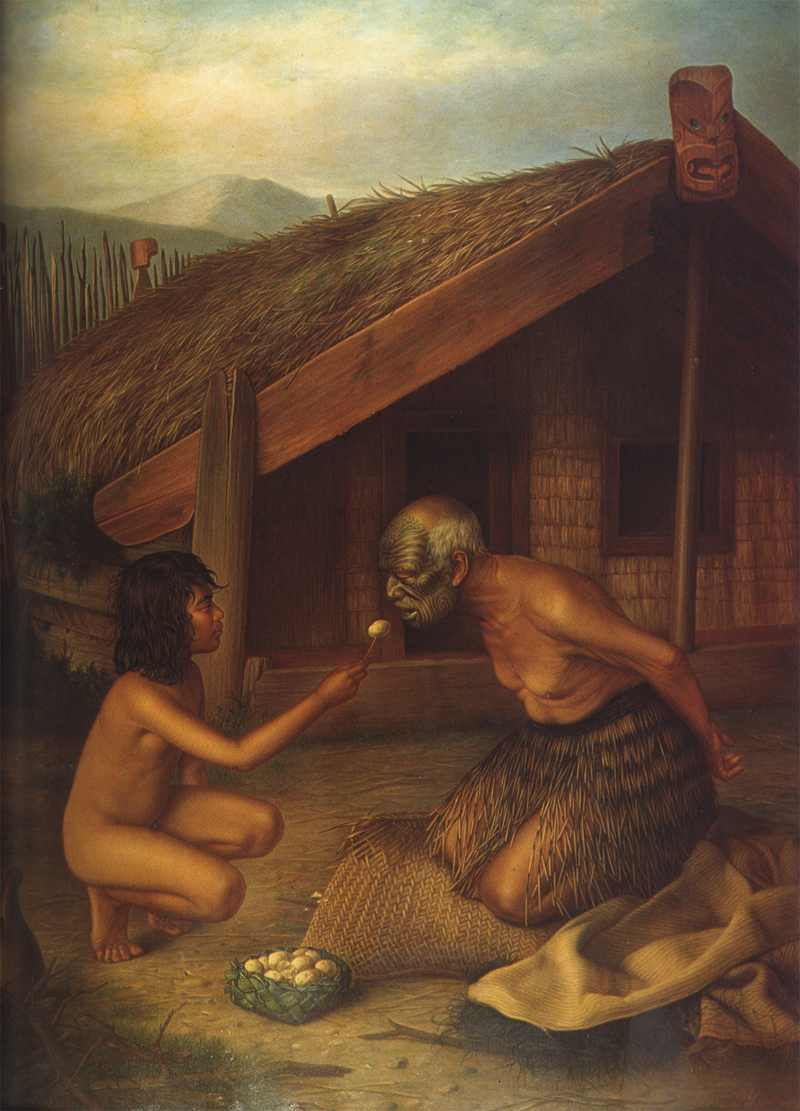 🇳🇿 New ZealandTohunga
A Māori expert practitioner of sacred or secular arts, from priests to carvers.Tradition · Healing · Seeing and foretelling Living
🇳🇿 New ZealandTohunga
A Māori expert practitioner of sacred or secular arts, from priests to carvers.Tradition · Healing · Seeing and foretelling Living
 🇸🇳 Senegal and 5 moreMaraboutmurābiṭ
A Muslim religious leader and teacher in West Africa, often linked to Sufi brotherhoods.Tradition · Protection · Speaking with spirits and the dead Living
🇦🇴 Angola and 2 moreKongo religionBukongo
The animistic beliefs and ancestor veneration of the Bakongo people in Central AfricaTradition · Speaking with spirits and the dead · Protection Living
🇸🇳 Senegal and 5 moreMaraboutmurābiṭ
A Muslim religious leader and teacher in West Africa, often linked to Sufi brotherhoods.Tradition · Protection · Speaking with spirits and the dead Living
🇦🇴 Angola and 2 moreKongo religionBukongo
The animistic beliefs and ancestor veneration of the Bakongo people in Central AfricaTradition · Speaking with spirits and the dead · Protection Living
 🇨🇱 Chile and 1 moreCultrunkultrung
A ceremonial drum central to Mapuche spiritual practice and identity in Chile and ArgentinaTradition · Healing · Protection Living
🇨🇱 Chile and 1 moreCultrunkultrung
A ceremonial drum central to Mapuche spiritual practice and identity in Chile and ArgentinaTradition · Healing · Protection Living
 🇫🇷 France and 5 moreKabbalahקַבָּלָה
An esoteric school of thought within Judaism focused on the hidden meanings of scripture and the divine.Tradition · Speaking with spirits and the dead · Change and initiation Living
🇫🇷 France and 5 moreKabbalahקַבָּלָה
An esoteric school of thought within Judaism focused on the hidden meanings of scripture and the divine.Tradition · Speaking with spirits and the dead · Change and initiation Living
 🇺🇸 United States and 5 moreNeoshamanism
A modern spiritual practice adapting shamanic techniques for Western seekersTradition · Healing · Speaking with spirits and the dead Living
🇺🇸 United States and 5 moreNeoshamanism
A modern spiritual practice adapting shamanic techniques for Western seekersTradition · Healing · Speaking with spirits and the dead Living
 🇨🇳 China and 5 moreRegional forms of shamanism
A global overview of indigenous spirit-interaction practices across Asia and the Americas.Tradition · Healing · Speaking with spirits and the dead Living
🇨🇳 China and 5 moreRegional forms of shamanism
A global overview of indigenous spirit-interaction practices across Asia and the Americas.Tradition · Healing · Speaking with spirits and the dead Living
 🇨🇳 China and 1 moreShamanism in the Qing dynasty
State-managed rituals of the Manchu rulers and their shamansTradition · Protection · Healing Historical
🇨🇳 China and 1 moreShamanism in the Qing dynasty
State-managed rituals of the Manchu rulers and their shamansTradition · Protection · Healing Historical
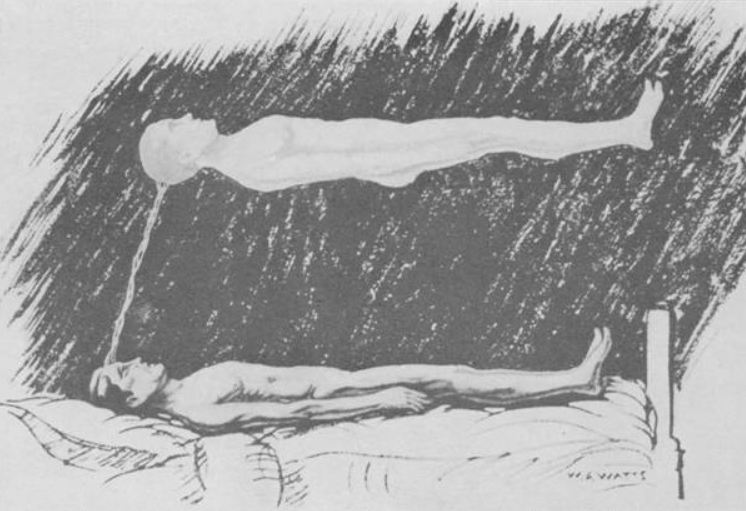 🇮🇳 India and 3 moreAstral projection
An intentional out-of-body experience where consciousness travels through the astral planeTradition · Speaking with spirits and the dead · Change and initiation Living
🇮🇳 India and 3 moreAstral projection
An intentional out-of-body experience where consciousness travels through the astral planeTradition · Speaking with spirits and the dead · Change and initiation Living
 🇲🇾 MalaysiaBobohizan
A high priestess and spirit medium in the traditional rituals of the Kadazan-Dusun people of Sabah.Tradition · Healing · Protection Fading
🇲🇾 MalaysiaBobohizan
A high priestess and spirit medium in the traditional rituals of the Kadazan-Dusun people of Sabah.Tradition · Healing · Protection Fading
Photo credits on this page
The small pictures above come from Wikimedia Commons under free licences. Some are cropped to fit.
- Maasai religion: Dr. Ondřej Havelka (cestovatel), CC BY 4.0, source
- Crossroads (folklore): MiddleOfAfrica, CC BY-SA 4.0, source
- Regional forms of shamanism: Man Sing, Public domain, source
- Astral projection: Hereward Carrington, Sylvan Muldoon., Public domain, source
- Neoshamanism: Carptrash, CC BY-SA 4.0, source
- Nkisi: MiddleOfAfrica, CC BY-SA 4.0, source
- Santería: Jorge Royan, CC BY-SA 3.0, source
- Korean shamanism: Hyewon Shin Yun-bok (申潤福: 1758-early 19th century) (혜원 신윤복 (申潤福: 1758-, Public domain, source
- Zār: Emad Nemati, CC BY-SA 4.0, source
- Witch doctor: Lucjan Wędrychowski, Public domain, source
- Isaac Luria: Louski1, CC BY-SA 3.0, source
- Traditional healers of Southern Africa: Wizzy, CC BY-SA 3.0, source
- Ibn Arabi: Omar.Hafez, CC0, source
- Magic circle: John William Waterhouse, Public domain, source
- Sandpainting: Mnolf, CC BY-SA 3.0, source
- Candomblé: André Koehne, CC BY-SA 3.0, source
- Kahuna: Unknown author, Public domain, source
- Machi: Unknown author, Public domain, source
- Ghost Dance: Unknown author, Public domain, source
- Mongolian shamanism: Enrique Bendicho, CC BY-SA 4.0, source
- Bori: Tremearne, A. J. N. (Arthur John Newman), 1877-1915, Public domain, source
- Hawaiian religion: Jacques Arago, Public domain, source
- Tohunga: Gottfried Lindauer, Public domain, source
- Marabout: Jan Broekhuijse, CC BY-SA 3.0, source
- Cultrun: Universidad Nacional de La Plata, CC BY 3.0, source
- Kabbalah: Joseph ben Abraham Gikatilla, Paulus Riccius, Leonhard Beck, Public domain, source
- Kataragama temple: Ghostface Buddha, CC BY-SA 2.0, source
- Burmese folk religion: Wagaung ( talk ), CC BY-SA 3.0, source
- Marie Laveau: E. W. Kemble, Public domain, source
- Vodun art: Fraipont, Gustave (1849-1923), Public domain, source
- Shamanism in the Qing dynasty: A nineteenth-century team of editors., Public domain, source
- Bobohizan: Ricardo Unto, CC BY-SA 4.0, source