
Medicine man
A traditional healer and spiritual leader within Indigenous communities of the Americas.
This role serves as a community healer and spiritual guide for Indigenous peoples across the Americas. Each distinct culture maintains its own specific language and terminology for these ceremonial leaders.
- Serves as healer and spiritual leader for Indigenous communities.
- Knowledge of plants is often kept within specific families.
- Term 'shaman' is rejected by many Native American groups.
- Apache medicine cords are considered too sacred for strangers.
- Practitioners do not advertise their roles to the public.
What it is
Individuals in this role function as both physical healers and spiritual guides within their communities. They draw upon specialized knowledge of local plants and botanical traditions to treat ailments. This work is deeply rooted in the cultural context of Indigenous groups throughout North America. The term encompasses both men and women who hold these positions. Communities rely on them for guidance that addresses both body and spirit.
Where it comes from
The practice originates from the diverse cultures of Indigenous peoples in the Americas. Each group developed its own unique names and methods for identifying these leaders. The concept of medicine in this context refers specifically to spiritual healing rather than Western medical practices. Knowledge is often passed down through specific families or lineages. This transmission ensures the preservation of sacred traditions within the community.
How it is done
Practitioners utilize extensive knowledge of native plants for healing purposes. They engage in ceremonies that address spiritual needs. The specific details of their rituals are considered privileged information. Many communities view such knowledge as too sacred for public display. Practitioners do not advertise their roles or seek outside recognition. Their work remains focused on serving their specific community members.
Tools and materials
The primary tools involve a deep understanding of ethnobotany. Healers use various plants found in their local environment. These botanical resources are prepared according to traditional methods. The specific preparations and uses are guarded knowledge. No external objects are typically highlighted; the focus remains on the practitioner's expertise and the natural materials they employ.
Medicine man, drawn and placed
- Living
- Revived
- Fading
- Historical
- Legendary
- Performed
What it is for
The main goal is to provide healing and spiritual support to community members. Individuals seek out these leaders for remedies that address physical and spiritual imbalance. The practice aims to restore harmony within the individual and the community. It is not intended for outsiders or those outside the cultural context. The effectiveness is believed to stem from the practitioner's connection to tradition and spirit.
Who does it
Both men and women can serve in this capacity depending on the culture. Training often involves learning from family elders or established practitioners. The role requires a significant commitment to preserving sacred knowledge. Many communities prohibit practitioners from promoting themselves publicly. Respect for privacy is paramount, and inquiries from non-members are often met with caution.
Peoples and places
This tradition is found among Native American and First Nations communities across North America. Specific groups maintain distinct approaches and terminologies. For example, Apache medicine elders guard their practices closely. Other tribes also restrict access to ceremonial knowledge. The reluctance to share details with outsiders is widespread. This protects the integrity and sanctity of the traditions.
At a glance: who, where and when
What people believe
The worldview underlying this practice sees health as a balance of spiritual and physical elements. Spirits and natural forces play a crucial role in healing. Practitioners act as intermediaries between the community and these forces. Knowledge is viewed as sacred and potentially dangerous if misused. The power of the healer comes from their training and spiritual connection, not just technical skill.
When it is done
Healing and ceremonies occur as needed by community members. There is no single fixed calendar for all groups. Practices may align with seasonal changes or specific life events. The timing depends on the needs of the individual seeking help. Rituals are performed when deemed necessary by the practitioner or the community.
How scholars and sceptics see it
Anthropologists have studied these roles but face challenges due to cultural restrictions. The term shaman is often criticized by Native Americans as inappropriate. It originates from Siberian cultures and does not fit Indigenous American contexts. Scholars note the reluctance of communities to discuss internal matters. This creates gaps in academic understanding of the full scope of practices.
Cautions and what is closed
Communities strictly protect their knowledge from outside exploitation. Non-Indians are generally excluded from learning these practices. Inquiries into religious beliefs are often viewed with suspicion. This boundary prevents cultural appropriation and respects the sacred nature of the work. Violating these boundaries is considered disrespectful and harmful to the community.
Compare and confuse
The role is sometimes confused with the Siberian concept of shamanism. However, Native American communities reject this comparison. The term medicine person is preferred over gendered titles like medicine man. Ceremonial people is another alternative used in some regions. These distinctions highlight the unique cultural identity of each group.
Law and persecution
There are no specific laws governing the role itself. However, cultural norms strongly regulate who can access this knowledge. Communities enforce their own rules regarding the sharing of sacred information. Outsiders attempting to learn these practices may face social resistance. The protection of intellectual property and cultural heritage is managed internally.
Questions people ask about Medicine man
What is a medicine man?
They are traditional healers and spiritual leaders within Indigenous communities of the Americas. They provide healing services based on cultural traditions and specialized knowledge of local plants.
Where does this tradition come from?
It originates from the diverse cultures of Indigenous peoples in North America. Each tribe has its own specific names and methods for identifying these spiritual leaders.
Can anyone become a medicine person?
Training usually happens within families or specific lineages. Knowledge is considered privileged and is often restricted to community members.
Why is the term shaman controversial?
Many Native Americans criticize it because it comes from Siberian Tungusic cultures. It does not accurately reflect the specific traditions of Indigenous American groups.
Good reading and sources
- Medicine man (Native American) on WikipediaEncyclopedia
- More photos on Wikimedia CommonsPhotos and video
- Wikidata recordOpen data
The facts on this page come from the Wikipedia article "Medicine man (Native American)", written by its contributors and used under the CC BY-SA 4.0 licence, and from its Wikidata record (CC0). EveryJaadu rewrote the text in its own words, with AI assistance, and compares every page with the article to make sure no passage is copied. It may be reused under the same CC BY-SA 4.0 licence with a link back.
It may contain mistakes. Names and customs differ from one community to the next, and some knowledge is closed to outsiders and left out here. This page describes belief and practice. It does not say that any of it works, it is not a how-to, and it is not medical advice. If something is wrong, tell us. Last refreshed 2026-10-09.
More from the United States
All the entries from the United States 🇺🇸 United States and 3 moreMediumship
The practice of mediating communication between the living and spirits of the dead.Tradition · Speaking with spirits and the dead Living
🇺🇸 United States and 3 moreMediumship
The practice of mediating communication between the living and spirits of the dead.Tradition · Speaking with spirits and the dead Living
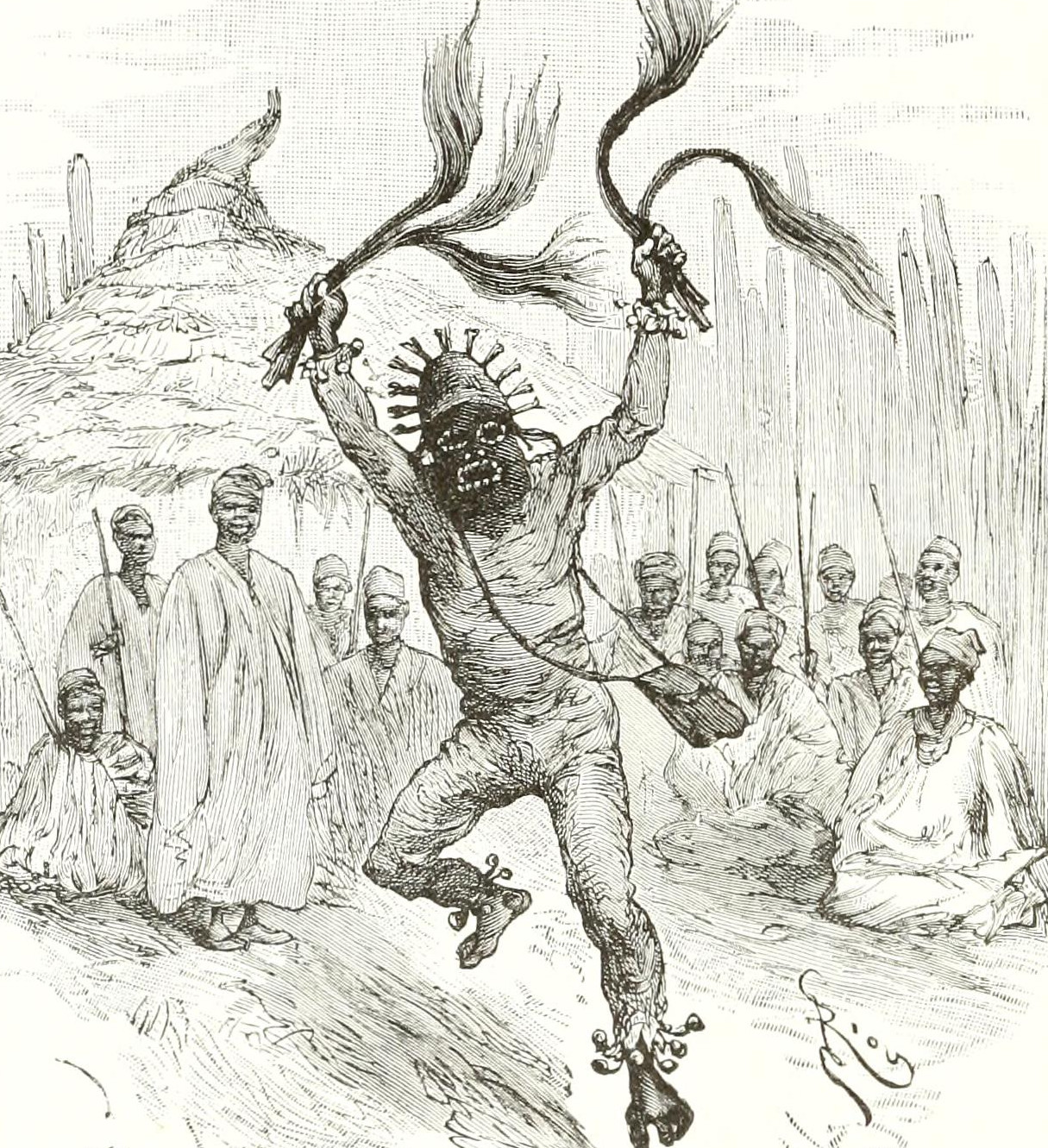 🇺🇸 United States and 2 moreLouisiana Voodoo
An African diasporic religion practiced in Louisiana from the 18th to early 20th centuriesTradition · Healing · Protection Historical
🇺🇸 United States and 2 moreLouisiana Voodoo
An African diasporic religion practiced in Louisiana from the 18th to early 20th centuriesTradition · Healing · Protection Historical
 🇺🇸 United StatesFolk healer
An unlicensed community member who provides healing care using local plants and traditional knowledge.Tradition · Healing · Protection Historical
🇺🇸 United StatesFolk healer
An unlicensed community member who provides healing care using local plants and traditional knowledge.Tradition · Healing · Protection Historical
 🇺🇸 United States and 4 moreRainmaking
Efforts to induce rain through technology, ritual, or prayer.Tradition · Protection · Healing Living
🇺🇸 United States and 4 moreRainmaking
Efforts to induce rain through technology, ritual, or prayer.Tradition · Protection · Healing Living
Related elsewhere
All tradition 🇮🇶 Iraq and 5 moreGrimoire
A textbook containing instructions for spells, rituals, and the creation of magical objects.Text · Protection · Healing Historical
🇮🇶 Iraq and 5 moreGrimoire
A textbook containing instructions for spells, rituals, and the creation of magical objects.Text · Protection · Healing Historical
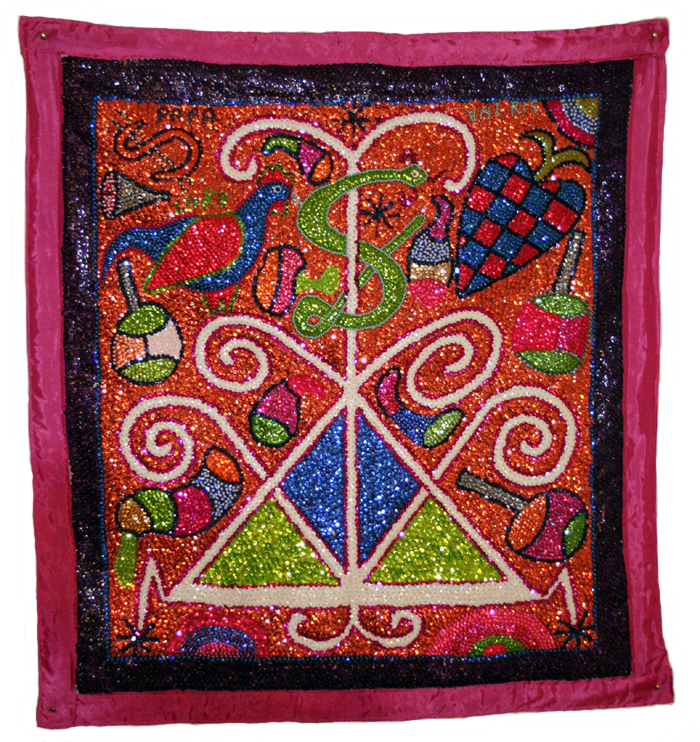 🇭🇹 Haiti and 2 moreHaitian VodouVodou
An Afro-Haitian religion blending West African traditions with Catholicism and FreemasonryTradition · Protection · Healing Living
🇭🇹 Haiti and 2 moreHaitian VodouVodou
An Afro-Haitian religion blending West African traditions with Catholicism and FreemasonryTradition · Protection · Healing Living
 🇸🇳 Senegal and 1 moreSerer religionA ƭat Roog
The traditional faith of the Serer people, centred on the supreme deity Roog and ancestral veneration.Tradition · Protection · Speaking with spirits and the dead Living
🇮🇷 Iran and 2 moreHaoma
A divine plant and spirit in Zoroastrianism, linked to healing and ancient rituals.Substance · Healing · Speaking with spirits and the dead Living
🇸🇳 Senegal and 1 moreSerer religionA ƭat Roog
The traditional faith of the Serer people, centred on the supreme deity Roog and ancestral veneration.Tradition · Protection · Speaking with spirits and the dead Living
🇮🇷 Iran and 2 moreHaoma
A divine plant and spirit in Zoroastrianism, linked to healing and ancient rituals.Substance · Healing · Speaking with spirits and the dead Living