Kongo religion
In its own language: Bukongo
from Kikongo Bukongo or Bakongo
The animistic beliefs and ancestor veneration of the Bakongo people in Central Africa
Bukongo is the traditional spiritual system of the Kongo people. It centers on ancestor worship within a cosmology that divides existence into physical and spiritual realms.
- Nzambi Ampungu is the creator god alongside Nzambici
- Ancestor veneration is the core principle of the faith
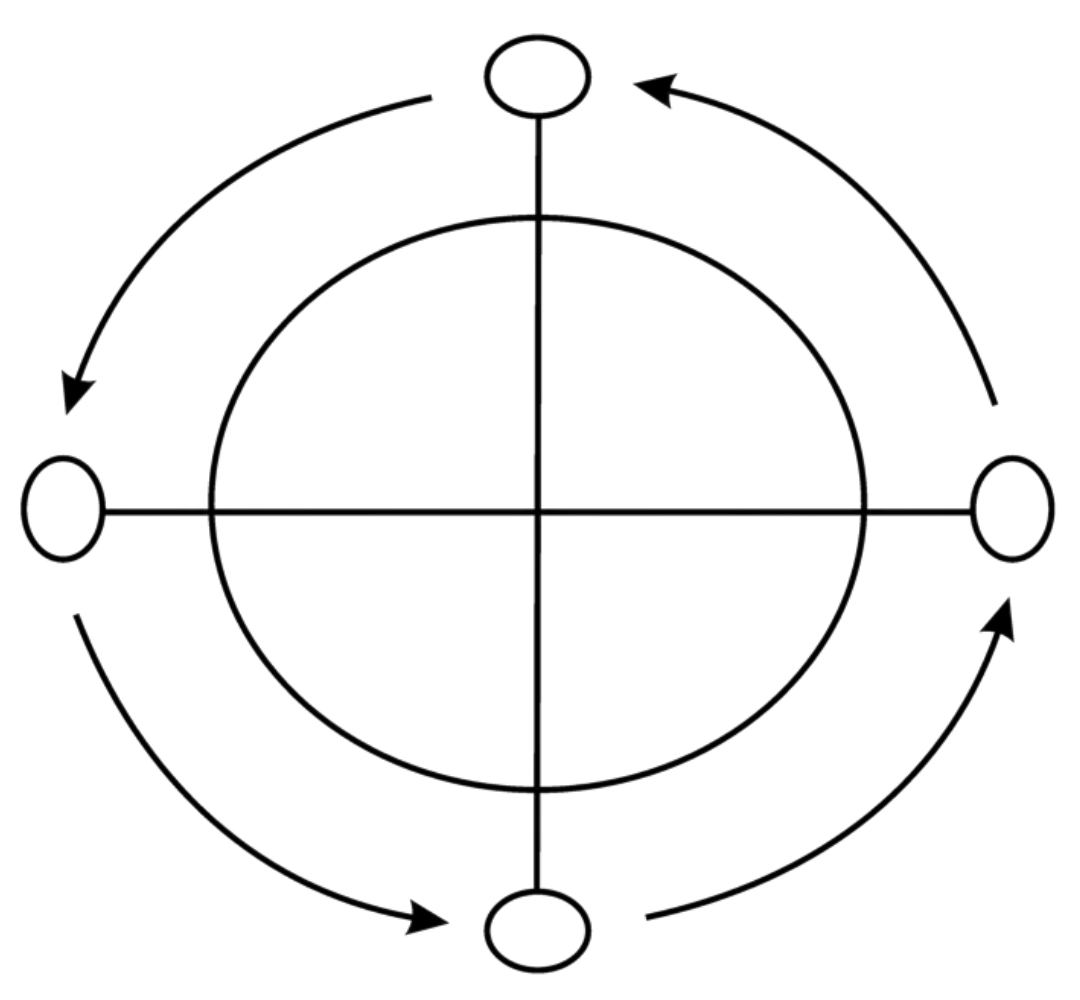
- The dikenga cross maps the four stages of life
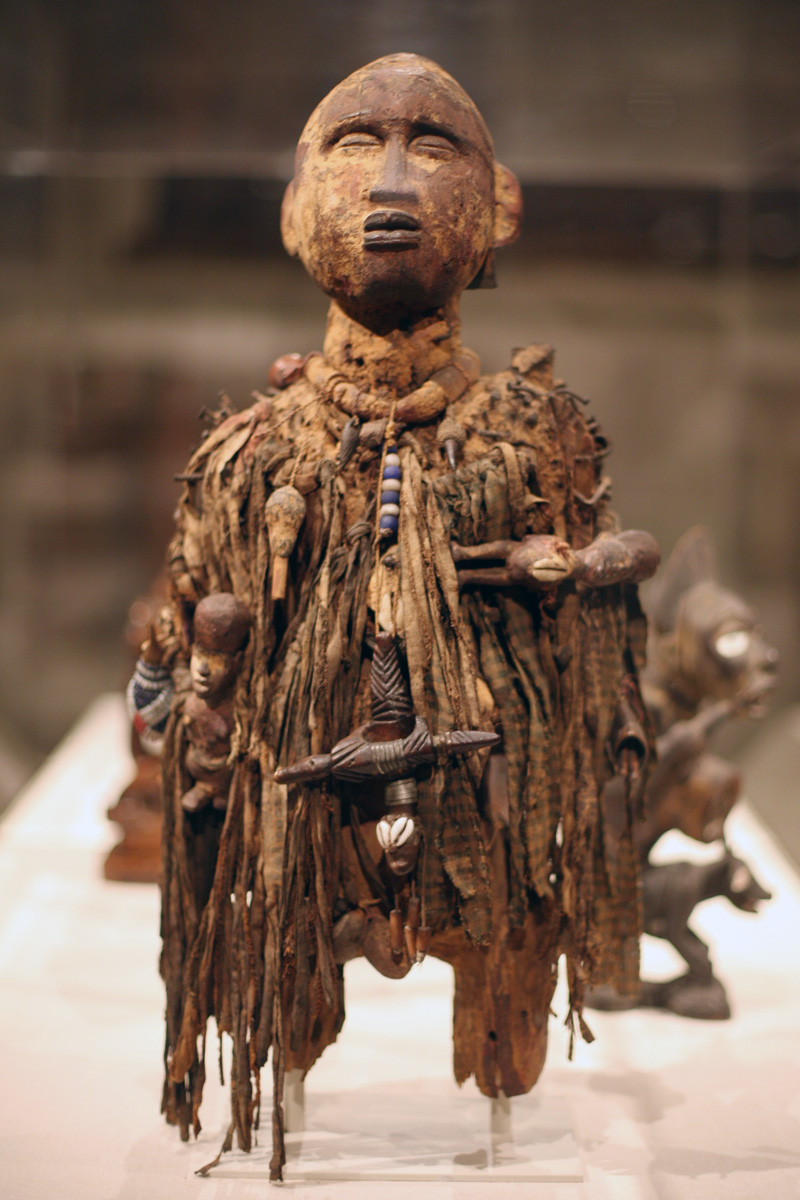
- Nganga healers train to commune with spirits
- Kalûnga separates the physical and spiritual worlds
What it is
Bukongo represents the indigenous spiritual framework of the Bakongo people. This tradition relies on animism and a structured pantheon of spirits. Ancestor veneration serves as the central pillar of practice. The system acknowledges Nzambi Ampungu as the creator deity. Female counterparts and lesser nature spirits also hold significant roles. Practitioners view the universe as an interconnected web of forces. Spiritual experts guide communities through rituals and healing. The belief system emphasizes balance between visible and invisible worlds.
Where it comes from
The tradition emerged from the Bakongo ethnic group in West-Central Africa. The centralized Kingdom of Kongo helped spread these practices across the Congo Basin. Neighboring groups like the Chokwe and Ambundu adopted elements of this spirituality. Early records were often written by colonial missionaries with hostile biases. Oral traditions preserved the core teachings before European contact. The religion evolved through continuous revelation and local interpretation.
How it is done
Healers known as nganga undergo extensive training to interact with ancestors. They seek guidance from the spiritual realm for community problems. Rituals often involve invoking ancestral power for protection or justice. The dikenga cosmogram maps the journey of the soul. Practitioners use symbols to represent the four stages of life. Water and fire are key elements in purification and creation myths.
Tools and materials
The Yowa or dikenga cross is a primary symbolic tool. It depicts the sun's path and the cycle of existence. Fire represents the creative force called kalûnga. Water marks the boundary between the physical and spiritual worlds. Healers may use specific objects to channel ancestral energy. These tools help visualize the connection between the two realms.
Kongo religion, drawn and placed
- Living
- Revived
- Fading
- Historical
- Legendary
- Performed
- Lineage
- Traditional African religion
- Timing
- throughout life stages
What it is for
The tradition aims to maintain harmony between the living and the dead. Ancestors are believed to protect their descendants from harm. Healers consult spirits to diagnose illness or social discord. The system provides a framework for understanding natural phenomena. It offers comfort regarding death and rebirth. Community cohesion is strengthened through shared ancestral reverence.
Who does it
Nganga are the primary spiritual experts in this tradition. They receive specialized training to commune with the bakulu. Their role involves healing, divination, and ritual leadership. Historically, both male and female practitioners held authority. Colonial influence sometimes shifted gender dynamics in spiritual matters. Experts act as intermediaries between the human and spirit worlds.
Peoples and places
The Bakongo people are the primary custodians of Bukongo. Their territory spans parts of Angola and the Congo regions. Other groups in Central Africa have integrated aspects of this faith. The religion adapted differently across various ethnic communities. Colonial powers attempted to reshape beliefs through Christian conversion. Despite this, many traditional practices persisted in modified forms.
At a glance: who, where and when


What people believe
Cosmology divides the universe into ku nseke and ku mpèmba. The physical world sits above the spiritual realm of ancestors. Kalûnga acts as the dividing line between these spheres. Life follows a cycle mirroring the sun's daily movement. Conception, birth, maturity, and death mark key transitions. The dual soul-mind allows existence in both realms simultaneously. Spirits inhabit water, forests, and the sky.
When it is done
Life events dictate the timing of major spiritual observances. Birth and death are critical moments for ancestral interaction. The sun's position influences ritual timing and symbolism. Seasonal changes reflect the broader cosmic order. Festivals and songs transmit religious knowledge across generations. Daily life is infused with awareness of spiritual presence.
How scholars and sceptics see it
Historians note the complexity and lack of uniform doctrine in Kongo beliefs. Anthropologists study the impact of colonialism on spiritual structures. Researchers analyze the dikenga cosmogram as a philosophical model. Scholars debate the extent of pre-colonial monotheistic elements. Oral history provides crucial insights into traditional worldviews. Modern studies examine the resilience of these beliefs in diaspora communities.
Cautions and what is closed
Colonial missionaries often dismissed indigenous practices as idolatry. This led to the suppression of certain rituals and symbols. Some traditional healers faced persecution during colonial rule. Misinterpretations of ancestor worship contributed to stigma. Contemporary practitioners navigate tensions between tradition and modernity. Sacred knowledge remains restricted to initiated members.
Compare and confuse
Bukongo shares animistic features with other Central African religions. It differs from Abrahamic faiths in its non-hierarchical spirit structure. The cosmogram resembles other circular symbolic systems globally. Ancestor veneration is common across many African traditions. Portuguese influence introduced Christian concepts that altered original beliefs.
Questions people ask about Kongo religion
What is the main focus of Kongo religion?
The tradition centers on ancestor veneration. Practitioners believe ancestors protect the living. This belief system integrates animism and a pantheon of spirits. It guides daily life and spiritual practice.
Who are the primary practitioners?
Nganga are the trained spiritual experts. They undergo extensive education to interact with ancestors. They provide healing and guidance to the community. Both men and women can serve in this role.
How do they view the afterlife?
Death is a transition to the spiritual realm. Ancestors continue to exist and watch over descendants. The soul moves between physical and spiritual worlds. Rebirth is part of the eternal cycle of life.
What is the significance of the cosmogram?
The dikenga cross symbolizes the sun's path. It represents conception, birth, maturity, and death. The diagram maps the journey of the soul. It connects earthly existence to spiritual realities.
Where did this tradition originate?
It originated with the Bakongo people in Central Africa. The Kingdom of Kongo helped spread these beliefs. Today it is practiced in Angola and the Congo regions. Neighboring groups also adopted elements of the faith.
Good reading and sources
The facts on this page come from the Wikipedia article "Kongo religion", written by its contributors and used under the CC BY-SA 4.0 licence, and from its Wikidata record (CC0). EveryJaadu rewrote the text in its own words, with AI assistance, and compares every page with the article to make sure no passage is copied. It may be reused under the same CC BY-SA 4.0 licence with a link back.
It may contain mistakes. Names and customs differ from one community to the next, and some knowledge is closed to outsiders and left out here. This page describes belief and practice. It does not say that any of it works, it is not a how-to, and it is not medical advice. If something is wrong, tell us. Last refreshed 2026-10-06.
More from Angola
All the entries from Angola 🇳🇬 Nigeria and 5 moreMami Wata
A water spirit of beauty and wealth in African folklore and the Atlantic diasporaBeing · Healing · Luck and prosperity Living
🇳🇬 Nigeria and 5 moreMami Wata
A water spirit of beauty and wealth in African folklore and the Atlantic diasporaBeing · Healing · Luck and prosperity Living
 🇳🇬 Nigeria and 2 moreỌya
A Yoruba orisha of storms and the dead, worshipped in Africa and the Americas.Being · Protection · Speaking with spirits and the dead Living
🇳🇬 Nigeria and 2 moreỌya
A Yoruba orisha of storms and the dead, worshipped in Africa and the Americas.Being · Protection · Speaking with spirits and the dead Living
 🇺🇸 United States and 3 moreHoodoo
A spiritual tradition of the African diaspora in the American South using herbs and charms for protection and justice.Tradition · Protection · Healing Living
🇺🇸 United States and 3 moreHoodoo
A spiritual tradition of the African diaspora in the American South using herbs and charms for protection and justice.Tradition · Protection · Healing Living
 🇺🇸 United States and 5 moreMojo bag
A cloth pouch holding charms for protection, luck, or love in the Hoodoo tradition.Charm · Protection · Healing Living
🇺🇸 United States and 5 moreMojo bag
A cloth pouch holding charms for protection, luck, or love in the Hoodoo tradition.Charm · Protection · Healing Living
Related elsewhere
All tradition 🇪🇸 Spain and 5 moreSt John's Eve
A Christian vigil marked by bonfires and plant gathering on the summer solstice eveRite · Protection · Speaking with spirits and the dead Living
🇪🇸 Spain and 5 moreSt John's Eve
A Christian vigil marked by bonfires and plant gathering on the summer solstice eveRite · Protection · Speaking with spirits and the dead Living
 🇮🇳 India and 2 moreHomaहोम
A fire ritual found across Asian religions where offerings are burned as a votive exchange with the divine.Rite · Protection · Speaking with spirits and the dead Living
🇮🇳 India and 2 moreHomaहोम
A fire ritual found across Asian religions where offerings are burned as a votive exchange with the divine.Rite · Protection · Speaking with spirits and the dead Living
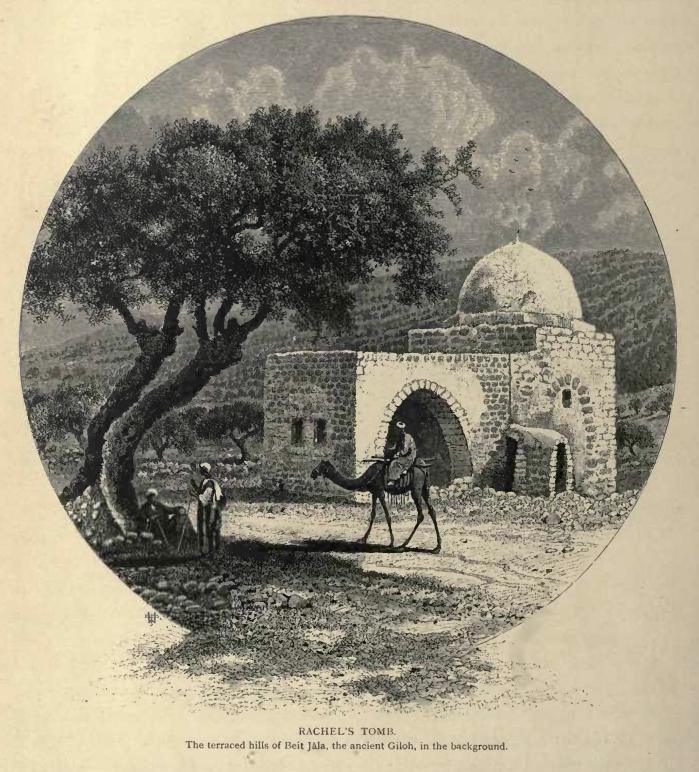 🇵🇸 Palestine and 1 moreRachel's TombQever Raḥel; Qabr Rāḥīl
A shared holy site near Bethlehem revered by Jews, Christians, and MuslimsTradition · Speaking with spirits and the dead · Protection Living
🇳🇿 New ZealandKarakia
Māori recitations used for spiritual guidance, protection, and formal greetingsTradition · Protection · Speaking with spirits and the dead Living
🇵🇸 Palestine and 1 moreRachel's TombQever Raḥel; Qabr Rāḥīl
A shared holy site near Bethlehem revered by Jews, Christians, and MuslimsTradition · Speaking with spirits and the dead · Protection Living
🇳🇿 New ZealandKarakia
Māori recitations used for spiritual guidance, protection, and formal greetingsTradition · Protection · Speaking with spirits and the dead Living