Traditions and systems
Whole bodies of practice: Vodou, shamanism, hoodoo, Wicca, onmyodo, Ifa and the rest.
A tradition is a whole body of magical practice with its own teachers, vocabulary and rules, as distinct from a single charm or rite. Ifa in West Africa, Vodou in Haiti, Tibetan Buddhist ritual, Wicca in Britain and America, and Siberian shamanism are all traditions in this sense. Some are living religions, some are modern inventions, and some survive only in fragments. This page looks at how they differ and what each label hides. Each is described here in its own terms wherever the community has chosen to share them.
Who holds them
A tradition has keepers. In Ifa, a babalawo trains for years and memorises the verses of Odu. In Haitian Vodou, a houngan or mambo is initiated within a house and a lineage. Wicca, by contrast, grew from the writings of Gerald Gardner in the 1950s and spreads by books and covens. Access varies: some traditions are open, some require initiation, and some are closed to outsiders by the community's own rule.
Names that mislead
Outsiders have often given traditions names their keepers did not choose. Colonial officials and missionaries called African and Indigenous religions fetishism, witchcraft or devil worship. The word voodoo, borrowed from the Haitian religion, became a stock horror image, while practitioners say Vodou. Many people also reject the word magic for what they see as plain religion, worship of ancestors or medicine of the land. Some are written down in long poems or scriptures, while others are carried only in memory, song and apprenticeship, which affects how outsiders can study them.
How states treat them
Treatment ranges from protection to prohibition. Haiti recognised Vodou as a religion in 2003. Britain repealed its Witchcraft Act only in 1951. Several African and Pacific states still prosecute witchcraft accusations, and Saudi Arabia has executed people for sorcery. Many traditions were absorbed rather than banned: Santeria wore the faces of Catholic saints, and Taoist ritual was licensed by Chinese emperors. Recognition on paper does not end prejudice: a faith can be legal under a constitution and still be mocked, taxed or policed at local level.
Scholars and sceptics
Anthropologists such as Evans-Pritchard, who studied the Azande in the 1930s, described magic as a coherent system of explanation, not stupidity. Historians stress that boundaries between religion, magic and science were drawn by particular people for particular reasons. Sceptics point out that tests of efficacy have found no effect beyond expectation. Many tradition-bearers answer that the question misses what the practice is for. Folklorists add that traditions are always changing, with no pure original to return to, and that revival is itself a form of change.
Tradition on EveryJaadu
The entries written up so far, best known first.
 🇻🇳 Vietnam and 3 moreWhale worshipCá Ông
A folk practice across East and Southeast Asia honoring cetaceans as divine protectors of fishermenTradition · Protection · Luck and prosperity Living
 🇿🇦 South Africa and 1 moreSacred caves of the Basotho
Cave networks in South Africa and Lesotho used by the Basotho for ancestral rituals and healingTradition · Healing · Protection Living
🇲🇽 MexicoMazatec shamanism
A Mazatec healing tradition centered on visionary plant ceremonies called veladasTradition · Healing · Speaking with spirits and the dead Living
 🇮🇪 IrelandTailteann GamesÁenach Tailteann
Ancient Irish funeral games and assemblies held in County Meath to honor the dead.Rite · Speaking with spirits and the dead · Luck and prosperity Historical
 🇮🇳 IndiaTormaགཏོར་མ
Sculpted offerings of flour and butter used in Tibetan Buddhist ritualsTradition · Speaking with spirits and the dead · Protection Living
🇧🇷 BrazilTerreiro do Bate Folha
A historic Candomblé house in Brazil with a large forest reserveTradition · Speaking with spirits and the dead Living
 🇧🇷 Brazil and 1 moreCandomblé Angola
A branch of Candomblé in Brazil honouring Nzambi and the divinities called NkisiTradition · Speaking with spirits and the dead · Protection Living
 🇨🇳 ChinaReligion of the Shang dynasty
The spiritual system of ancient China's second dynasty, centred on ancestor worship and oracle bone divination.Tradition · Protection · Luck and prosperity Historical
 🇲🇾 MalaysiaBobohizan
A high priestess and spirit medium in the traditional rituals of the Kadazan-Dusun people of Sabah.Tradition · Healing · Protection Fading
 🇻🇳 VietnamThánh Trần worshiptín ngưỡng thờ Đức Thánh Trần
A Vietnamese folk cult around a deified general, reached through mediums in trance danceTradition · Protection · Speaking with spirits and the dead Living
 🇲🇦 Morocco and 1 moreTweezaتويزة
A North African Sufi tradition of communal labor and mutual aidTradition · Protection · Speaking with spirits and the dead Living
🇲🇳 Mongolia and 1 moreYellow shamanismШар бөө
A Mongolian and Siberian shamanic tradition blended with Buddhist ritualsTradition · Speaking with spirits and the dead · Protection Historical
 🇩🇿 AlgeriaMawsimموسم
Annual Maghrebi festival blending Sufi veneration with social and economic gatheringTradition · Speaking with spirits and the dead · Luck and prosperity Living
 🇨🇳 ChinaYao folk religion梅山教
The ethnic religion of the Yao, blended with Taoism since the 13th centuryTradition · Protection · Cleansing and purification Living
🇲🇳 MongoliaBlack shamanismХар бөө
A Mongolian shamanic tradition working with lower spirits and ancestral power.Tradition · Speaking with spirits and the dead · Power and authority Revived
🇲🇱 MaliBinouba-binu
A secret Dogon order honoring ancestors through totemic animals and ritual sacrifice in Mali.Tradition · Protection · Speaking with spirits and the dead Living
 🇬🇧 United KingdomGorsedd stonesCerrig yr Orsedd
Stone circles built for the National Eisteddfod of Wales to host druidic ceremonies.Tradition · Speaking with spirits and the dead · Power and authority Living
🇺🇸 United States and 3 moreAlaska Native religion
Traditional spiritual practices of the Inuit, Yupik, and Aleut peoples of AlaskaTradition · Healing · Luck and prosperity Historical
 🇹🇼 TaiwanYin miao陰廟
Temples for wandering spirits in Taiwanese folk religionTradition · Protection · Speaking with spirits and the dead Living
🇳🇵 Nepal and 3 moreGurung ShamanismTamu Cho
The ancient shamanic beliefs and rituals of the Gurung people in NepalTradition · Protection · Speaking with spirits and the dead Living
🇨🇦 Canada and 1 moreOdyssean Wicca
A Canadian Wiccan tradition focused on public priesthood and rigorous training.Tradition · Speaking with spirits and the dead · Power and authority Living
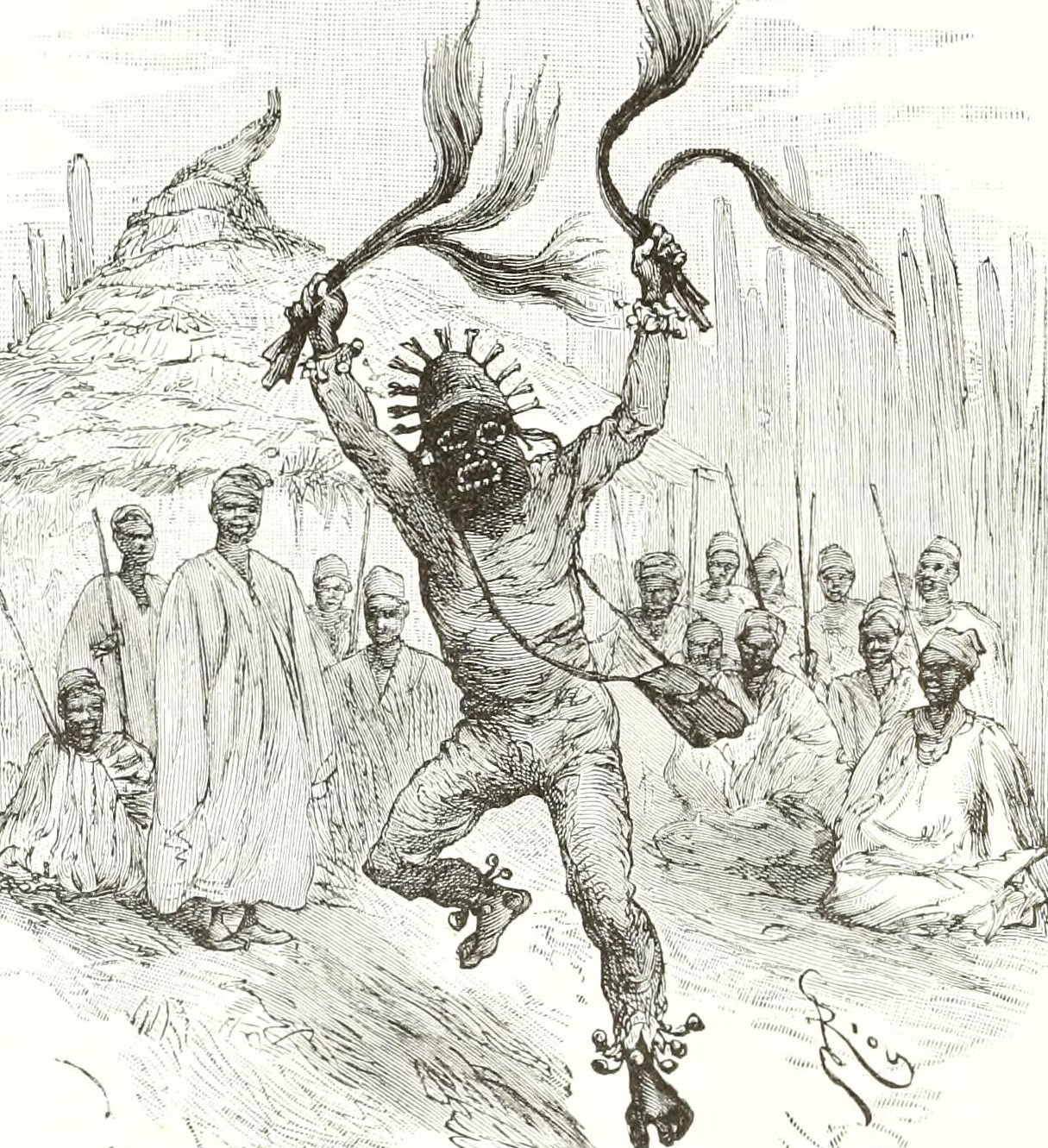 🇹🇹 Trinidad and Tobago and 1 moreTrinidadian Vodunu
A West African Vodun tradition practiced in Trinidad and Tobago with Catholic elementsTradition · Speaking with spirits and the dead · Power and authority Living
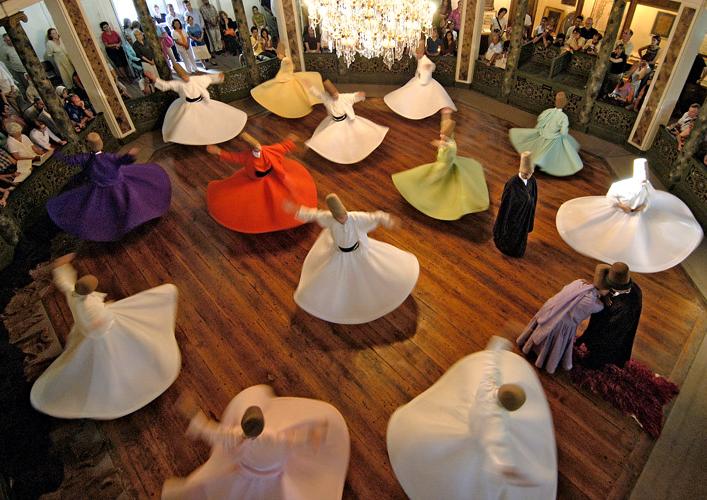 🇹🇷 Turkey and 4 moreSufi whirlingSemazen
A spinning meditation practiced by Sufi dervishes to reach spiritual connection through music and movement.Rite · Speaking with spirits and the dead · Change and initiation Living
 🇮🇹 ItalyUR Group
An Italian esoteric circle studying magic and traditional philosophy in the late 1920s.Tradition · Speaking with spirits and the dead · Change and initiation Historical
🇮🇳 IndiaTawajjuh
A Sufi practice of transmitting spiritual energy from a master to a studentTradition · Speaking with spirits and the dead · Power and authority Living
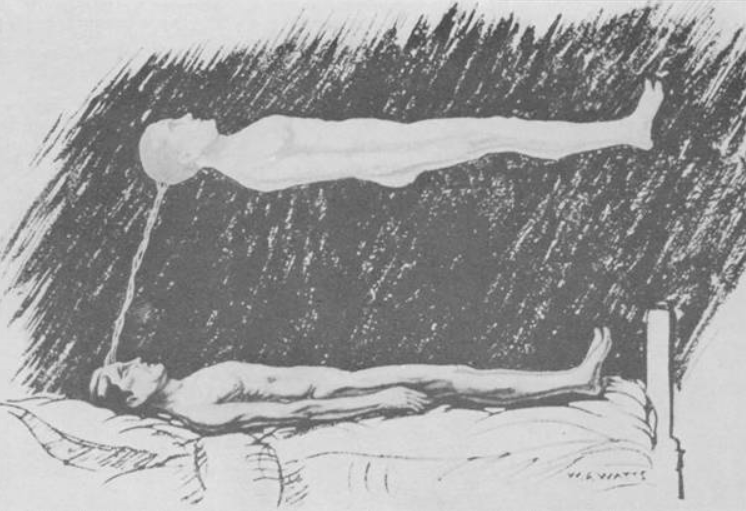 🇮🇳 India and 3 moreAstral projection
An intentional out-of-body experience where consciousness travels through the astral planeTradition · Speaking with spirits and the dead · Change and initiation Living
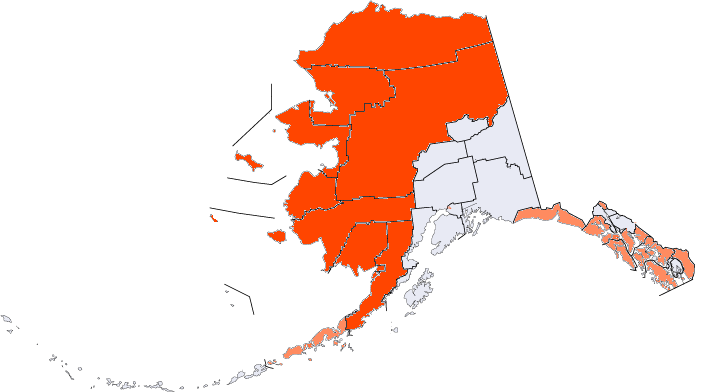 🇺🇸 United StatesShamanism among Alaska Natives
Traditional spiritual practices of Indigenous peoples in AlaskaTradition · Healing · Seeing and foretelling Fading
 🇺🇸 United States and 2 moreNew Orleans Voodoo Revival
A late-20th-century religious movement in New Orleans blending Haitian and Cuban traditions with local history.Tradition · Protection · Healing Living
 🇮🇷 Iran and 2 moreSuperstitions in Muslim societies
Beliefs in supernatural forces and charms found across the Islamic worldTradition · Protection · Healing Living
 🇻🇳 Vietnam and 1 moreÔng Trời
A sky god of Vietnamese folk religion, later linked to the Taoist Jade EmperorBeing · Protection · Power and authority Living
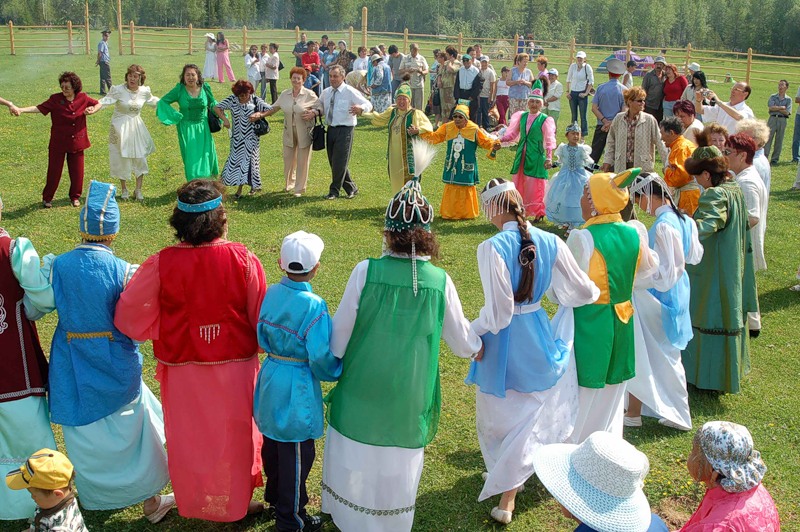 🇷🇺 RussiaYhyakhЫһыах
A summer solstice festival of the Sakha people marking the new year and nature's returnTradition · Luck and prosperity · Speaking with spirits and the dead Living
 🇯🇵 JapanGoryō御霊
A Japanese belief in appeasing vengeful spirits through Shinto shrinesBelief · Protection · Speaking with spirits and the dead Historical
 🇯🇵 JapanSeimei Shrine晴明神社
A Shinto shrine in Kyoto dedicated to the legendary onmyōji Abe no SeimeiTradition · Speaking with spirits and the dead Living
 🇧🇷 Brazil and 1 moreSpiritualist art
Art produced during séances by mediums who claim spirits guide their hands or create images directly.Tradition · Speaking with spirits and the dead Historical
 🇮🇳 IndiaFakirفقير
An Islamic ascetic who seeks spiritual neediness and devotion to God.Tradition · Power and authority · Speaking with spirits and the dead Living
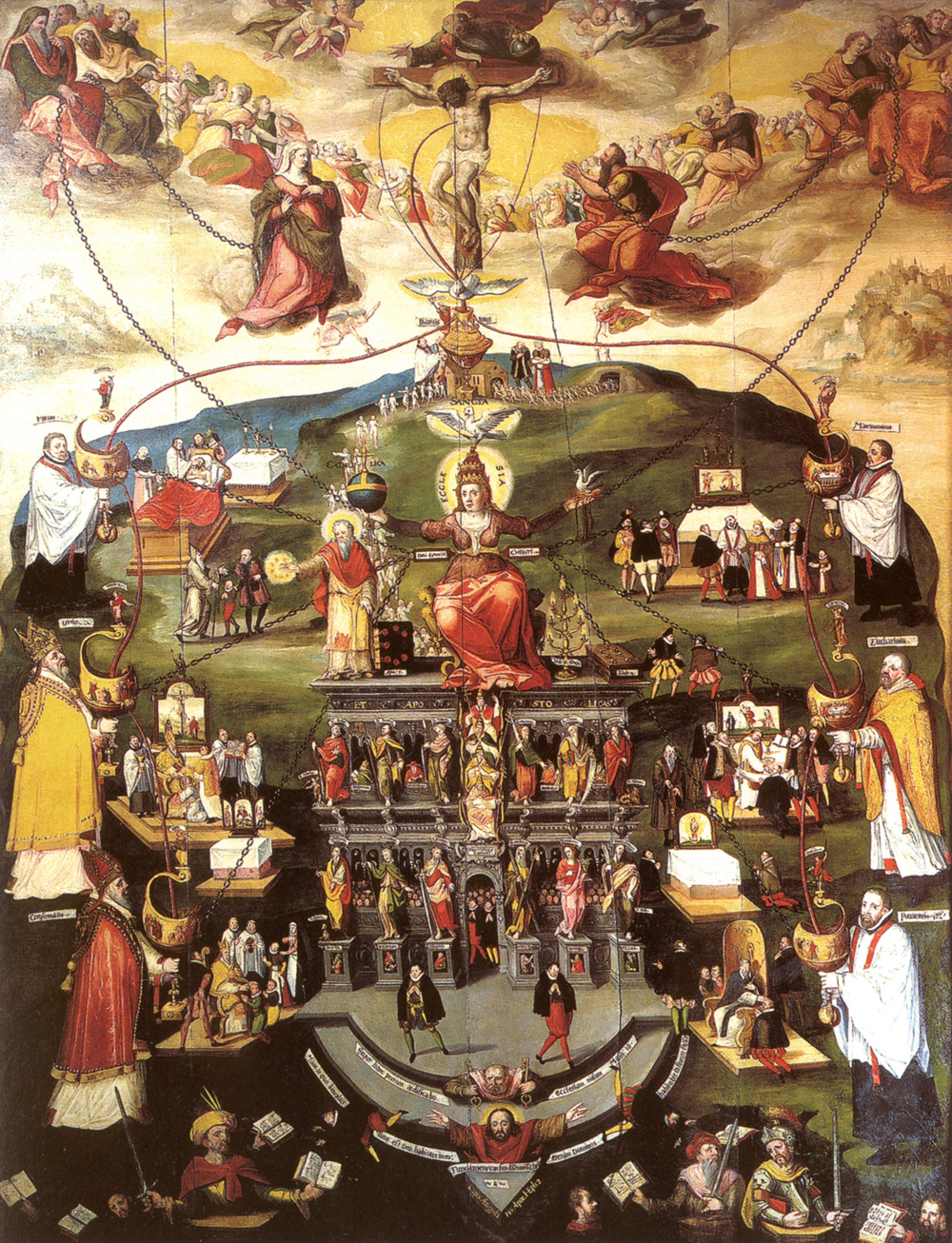 🇬🇷 GreeceSacred mysteriesμυστήριον
Secret ceremonies and divine doctrines held to exceed human reasonBelief · Speaking with spirits and the dead · Change and initiation Living
 🇲🇽 MexicoEntheogenics and the Maya
Hallucinogenic substances used by the Maya for spiritual rituals and healingTradition · Speaking with spirits and the dead · Healing Historical
 🇺🇸 United StatesMedicine man
A traditional healer and spiritual leader within Indigenous communities of the Americas.Tradition · Healing · Speaking with spirits and the dead Living
 🇮🇩 IndonesiaSunda Wiwitanᮞᮥᮔ᮪ᮓ ᮝᮤᮝᮤᮒᮔ᮪
A folk religion of the Sundanese people in western Java, IndonesiaTradition · Protection · Speaking with spirits and the dead Living
 🇵🇭 PhilippinesIndigenous Philippine folk religions
The native animist belief systems of the various ethnic groups in the Philippines.Tradition · Speaking with spirits and the dead · Protection Living
🇵🇭 PhilippinesIndigenous religious beliefs of the Tagbanwa people
The traditional spiritual system and rituals of the Tagbanwa indigenous community in the Philippines.Tradition · Protection · Healing Fading
 🇬🇧 United Kingdom and 4 moreSpiritualism
A metaphysical belief that spirits communicate with the living through mediums.Belief · Speaking with spirits and the dead Living
 🇵🇭 Philippines and 1 moreIndigenous Philippine shrines and sacred groundsdambana
Sacred sites in the Philippines used for communication with spirits and ancestors.Tradition · Speaking with spirits and the dead · Protection Fading
🇰🇷 South KoreaMusok eumak무속 음악
Traditional Korean shamanistic music performed during gut rituals to induce tranceTradition · Speaking with spirits and the dead Living
🇺🇸 United States and 3 moreBuilders of the Adytum
A Western mystery school teaching tarot and Qabalah through correspondenceTradition · Speaking with spirits and the dead · Power and authority Living
🇮🇹 Italy and 2 moreOsirian Egyptian OrderOrdine Osirideo Egizio
An Italian esoteric society tracing its roots to 18th-century Naples and ancient Hermetic traditions.Tradition · Power and authority · Speaking with spirits and the dead Historical
 🇮🇳 India and 1 moreMahanam Sampradayaমহানাম সম্প্রদায়
A Bengali Krishnaite monastic order focused on chanting and humanitarian serviceTradition · Speaking with spirits and the dead · Power and authority Living
Photo credits on this page
The small pictures above come from Wikimedia Commons under free licences. Some are cropped to fit.
- Seimei Shrine: Naokijp, CC BY-SA 4.0, source
- Goryō: Tsukioka Yoshitoshi (1839–1892), Public domain, source
- Xtabay: Unknown author, Public domain, source
- Spiritualist art: Bodasia, CC BY-SA 4.0, source
- Sacred mysteries: Johannes Hopffe, Public domain, source
- Medicine man: Smallbones, Public domain, source
- Spiritualism: Internet Archive Book Images, No restrictions, source
- Sufi whirling: myself, Public domain, source
- Philippine mythology: The original uploader was Rodsan18 at English Wikipedia . ( Original t, CC BY 2.5, source
- Sacred caves of the Basotho: JMK, CC BY-SA 3.0, source
- Torma: John Hill, CC BY-SA 4.0, source
- West African Vodún: I cropped, original authors are Ridpath, John Clark, CC BY-SA 4.0, source
- Candomblé Angola: autor desconhecido, CC BY-SA 3.0, source
- Mawsim: Beghdadi Walid, CC BY-SA 4.0, source
- Yao folk religion: Daderot, Public domain, source
- Fakir: Herbert Ponting, Public domain, source
- Mahanam Sampradaya: Neehar Haldar, CC0, source
- Kejawèn: Greenland4, Public domain, source
- Tailteann Games: Unknown author, Public domain, source
- Religion of the Shang dynasty: Unknown author, CC0, source
- New Orleans Voodoo Revival: Greg Willis, CC BY-SA 2.0, source
- Thánh Trần worship: Rio Lam, CC BY-SA 4.0, source
- Gorsedd stones: Robin Drayton, CC BY-SA 2.0, source
- UR Group: Gruppo di Ur, Public domain, source
- Astral projection: Hereward Carrington, Sylvan Muldoon., Public domain, source
- Whale worship: Bùi Thụy Đào Nguyên, CC BY-SA 3.0, source
- Yin miao: Outlookxp, CC BY-SA 4.0, source
- Shamanism among Alaska Natives: Balkanian`s word, Public domain, source
- Superstitions in Muslim societies: Unknown author, CC0, source
- Ông Trời: Bùi Thụy Đào Nguyên, CC BY-SA 3.0, source
- Indigenous Philippine shrines and sacred grounds: Firth m, CC BY-SA 4.0, source
- Bobohizan: Ricardo Unto, CC BY-SA 4.0, source
- Yhyakh: Humano92, Public domain, source
- Tweeza: Demeester, CC BY-SA 3.0, source