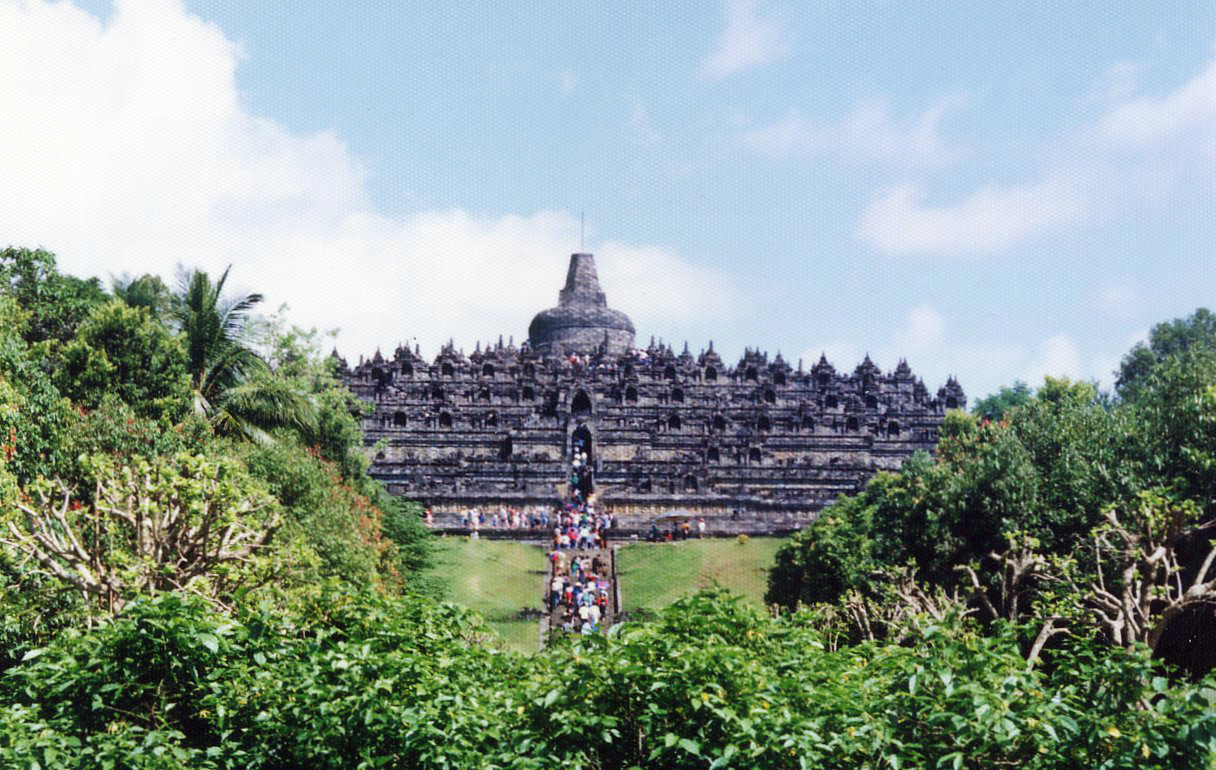
Sunda Wiwitan
In its own language: ᮞᮥᮔ᮪ᮓ ᮝᮤᮝᮤᮒᮔ᮪
from Sundanese words meaning 'original' or 'primordial'
A folk religion of the Sundanese people in western Java, Indonesia
Sunda Wiwitan is a traditional belief system practiced by some Sundanese communities in western Java. It centres on Sang Hyang Kersa as the supreme power and venerates ancestors, while incorporating elements from Hinduism and Islam.
- Followed by Sundanese, Baduy, and Bantenese people in Indonesia
- Worships Sang Hyang Kersa as the supreme creator
- Sacred text is Sanghyang Siksa Kandang Karesian
- Practices include pantun Sunda songs and kidung dances
- Major festival is the Seren Taun new year celebration
What it is
Sunda Wiwitan is a folk religion followed by certain groups among the Sundanese people in Indonesia. The faith is centred on Sang Hyang Kersa, known as the supreme spiritual power. Practitioners believe this deity created the universe and its various realms. The tradition also honours the spirits of ancestors and follows specific moral codes. While it claims ancient origins before the arrival of other major religions, it has absorbed Hindu and Islamic influences over time.
Where it comes from
The practice is rooted in the lands of western Java. In the Carita Parahyangan text, the faith is referred to as Jatisunda. Elders within the community assert that these beliefs have existed since ancient times. They claim the tradition predates the introduction of Hinduism and Islam to the region. The sacred text Sanghyang Siksa Kandang Karesian serves as a guide for religious and moral conduct.
How it is done
Rituals are performed through song and dance rather than formal liturgy. Practitioners use pantun Sunda chants and kidung dances during ceremonies. These acts are central to community life and spiritual expression. Specific rituals mark important agricultural cycles and seasonal changes. The community gathers to perform these traditions collectively.
Tools and materials
The primary tools for worship are vocal and physical. Singing pantun Sunda verses forms the core of prayer. Kidung dances accompany these chants during festivals. The community also uses written texts like Sanghyang Siksa Kandang Karesian for guidance. Sacred places such as Kabuyutan serve as focal points for veneration.
Sunda Wiwitan, drawn and placed
- Living
- Revived
- Fading
- Historical
- Legendary
- Performed
- Lineage
- Folk religion of the Nusantara
- Timing
- during rice harvest and the annual new year festival
What it is for
The faith aims to maintain harmony with the spiritual world and ancestors. It seeks to protect the community through adherence to strict taboos and moral norms. Rituals ensure good harvests and social order. The belief system provides a framework for understanding human nature and societal duties. It guides individuals in living according to traditional values.
Who does it
Adherents are primarily found in villages across western Java. Communities include the Baduy people in Kanekes and residents of Kampung Naga. Elders, known as kokolot, provide spiritual leadership. The most conservative followers, the Baduy Dalam, observe the strictest taboos. Ordinary households participate in daily life guided by these traditions.
Peoples and places
The religion is practiced by the Sundanese ethnic group in Indonesia. Distinct subgroups include the Baduy and Bantenese peoples. Villages such as Ciptagelar, Lebak, and Cigugur maintain these customs. Each community may vary slightly in their observance of taboos and rituals. The Baduy Dalam are noted for their isolation and strict adherence to ancestral laws.
At a glance: who, where and when
Who does it
Belief worlds
Occasions
What people believe
The cosmology divides the universe into three main realms. Buana Nyungcung is the highest realm where Sang Hyang Kersa resides. Buana Panca Tengah is the middle world of humans and animals. Buana Larang is the lower realm associated with demons. Ancestors and deities occupy intermediate levels between the peak and earth.
When it is done
Ceremonies align with the agricultural cycle and the solar year. The Seren Taun festival marks the annual new year. Rice harvest ceremonies are key events for communal worship. These occasions bring together villagers to give thanks and seek blessings. The timing reflects the deep connection between the faith and farming life.
Questions people ask about Sunda Wiwitan
What is Sunda Wiwitan?
It is a folk religion of the Sundanese people in western Java, Indonesia. It centres on Sang Hyang Kersa and venerates ancestors.
Where is it practiced?
It is found in villages in western Java, including Kanekes, Kampung Naga, and Cigugur. The Baduy and Bantenese peoples are key adherents.
What is the main belief?
Practitioners believe in Sang Hyang Kersa as the supreme power. They also honour ancestor spirits and follow moral codes from their sacred text.
Good reading and sources
The facts on this page come from the Wikipedia article "Sunda Wiwitan", written by its contributors and used under the CC BY-SA 4.0 licence, and from its Wikidata record (CC0). EveryJaadu rewrote the text in its own words, with AI assistance, and compares every page with the article to make sure no passage is copied. It may be reused under the same CC BY-SA 4.0 licence with a link back.
It may contain mistakes. Names and customs differ from one community to the next, and some knowledge is closed to outsiders and left out here. This page describes belief and practice. It does not say that any of it works, it is not a how-to, and it is not medical advice. If something is wrong, tell us. Last refreshed 2026-10-06.
More from Indonesia
All the entries from Indonesia 🇮🇩 IndonesiaOgoh-ogohᬳᭀᬕᭀᬄ ᬳᭀᬕᭀᬄ
Balinese sculptures paraded and burned to cleanse the environment before NyepiTradition · Cursing and harm · Cleansing and purification Living
🇮🇩 IndonesiaOgoh-ogohᬳᭀᬕᭀᬄ ᬳᭀᬕᭀᬄ
Balinese sculptures paraded and burned to cleanse the environment before NyepiTradition · Cursing and harm · Cleansing and purification Living
 🇮🇩 IndonesiaNyepiᬜᬾᬧᬶ
A Balinese day of total silence, fasting, and self-reflection to mark the new year.Rite · Cleansing and purification · Speaking with spirits and the dead Living
🇮🇩 IndonesiaNyepiᬜᬾᬧᬶ
A Balinese day of total silence, fasting, and self-reflection to mark the new year.Rite · Cleansing and purification · Speaking with spirits and the dead Living
 🇮🇩 IndonesiaPenjorᬧᬾᬜ᭄ᚚᚚᭀᬃ
A curved bamboo pole marking prosperity in Balinese Hindu ceremonyTradition · Luck and prosperity · Power and authority Living
🇮🇩 IndonesiaPenjorᬧᬾᬜ᭄ᚚᚚᭀᬃ
A curved bamboo pole marking prosperity in Balinese Hindu ceremonyTradition · Luck and prosperity · Power and authority Living
Related elsewhere
All tradition 🇪🇸 Spain and 5 moreSt John's Eve
A Christian vigil marked by bonfires and plant gathering on the summer solstice eveRite · Protection · Speaking with spirits and the dead Living
🇨🇳 China and 4 moreKitchen God灶君
The Chinese hearth deity who reports domestic conduct to the Jade EmperorBeing · Protection · Luck and prosperity Living
🇪🇸 Spain and 5 moreSt John's Eve
A Christian vigil marked by bonfires and plant gathering on the summer solstice eveRite · Protection · Speaking with spirits and the dead Living
🇨🇳 China and 4 moreKitchen God灶君
The Chinese hearth deity who reports domestic conduct to the Jade EmperorBeing · Protection · Luck and prosperity Living
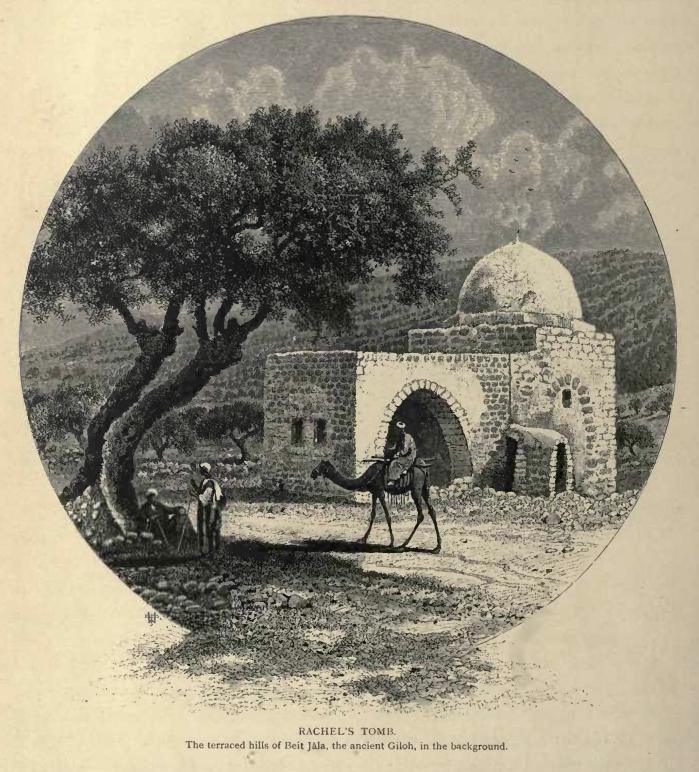 🇵🇸 Palestine and 1 moreRachel's TombQever Raḥel; Qabr Rāḥīl
A shared holy site near Bethlehem revered by Jews, Christians, and MuslimsTradition · Speaking with spirits and the dead · Protection Living
🇵🇸 Palestine and 1 moreRachel's TombQever Raḥel; Qabr Rāḥīl
A shared holy site near Bethlehem revered by Jews, Christians, and MuslimsTradition · Speaking with spirits and the dead · Protection Living
 🇸🇳 Senegal and 1 moreSerer religionA ƭat Roog
The traditional faith of the Serer people, centred on the supreme deity Roog and ancestral veneration.Tradition · Protection · Speaking with spirits and the dead Living
🇸🇳 Senegal and 1 moreSerer religionA ƭat Roog
The traditional faith of the Serer people, centred on the supreme deity Roog and ancestral veneration.Tradition · Protection · Speaking with spirits and the dead Living