
Seimei Shrine
In its own language: 晴明神社
named after Abe no Seimei, the onmyōji it honours
A Shinto shrine in Kyoto dedicated to the legendary onmyōji Abe no Seimei
This Shinto shrine in Kyoto, Japan, honours Abe no Seimei, a historical figure known as an onmyōji. It stands on the site of his former home and features symbols like the pentacle, which represents the Five Chinese Elements.
- Founded in 1007 by Emperor Ichijō
- Dedicated to onmyōji Abe no Seimei
- Built on the site of Seimei's house
- Features the Seimei-star pentacle symbol
- Well water considered magical by tradition
What it is
The Seimei Shrine is a Shinto place of worship located in Kyoto, Japan. It is dedicated to Abe no Seimei, a historical figure who practiced onmyōdō, a system involving divination and ritual. The shrine serves as a memorial to this influential onmyōji. Visitors often seek connection with the spiritual legacy of the past. The site is believed to hold a link between the human world and the spiritual realm, particularly near the nearby Ichijō Modori-bashi bridge.
Where it comes from
Emperor Ichijō founded the shrine in 1007, two years after Abe no Seimei died. The construction was ordered to honour his memory. The shrine sits on the exact location where Abe no Seimei once lived. This placement connects the physical space directly to the life of the famous onmyōji. The main building underwent restoration in 1925, preserving its historical presence. The site has maintained its role as a tribute to Seimei since its inception.
How it is done
The shrine grounds feature two torii gates at the entrance. A well named Seimei-i is present, and its water is considered magical by some traditions. Tea master Sen no Rikyū historically used this water for brewing tea. The Seimei Festival occurs annually during the autumnal equinox. Rituals likely involve offerings and prayers at the main hall. The architecture includes decorative tiles and lanterns featuring Japanese bellflowers.
Tools and materials
The pentacle, or Seimei-star, is a key symbol found throughout the shrine. It represents the Five Chinese Elements and is attributed to Abe no Seimei. Bellflower ornaments appear on various structures, mirroring the five-petal shape of the flower. The well provides water regarded as having special properties. These elements combine to create a sacred atmosphere focused on elemental balance and spiritual protection.
Seimei Shrine, drawn and placed
- Living
- Revived
- Fading
- Historical
- Legendary
- Performed
- Lineage
- Shinto tradition
- Timing
- autumnal equinox for the Seimei Festival
What it is for
The shrine honours the memory and spiritual power of Abe no Seimei. It serves as a center for those interested in onmyōdō practices. People visit to connect with the history of Japanese esoteric traditions. Devotees may seek blessings or insight through the established rituals and symbols.
Who does it
Shinto priests manage the daily operations and rituals of the shrine. They maintain the grounds and oversee the annual festivals. The site attracts scholars and practitioners of onmyōdō. Historical figures like Emperor Ichijō played a role in its establishment. Modern visitors include tourists and those seeking spiritual connection. The shrine remains an active part of the local religious landscape.
Peoples and places
The shrine is deeply rooted in Japanese culture and Shinto belief. It specifically honours a figure central to Japanese esoteric history. The practice of onmyōdō was significant in medieval Japan. Today, it remains a point of interest for those studying Japanese folklore and religion. The local community in Kyoto maintains the site as a cultural landmark. International visitors also come to learn about Abe no Seimei's legacy.
At a glance: who, where and when
Peoples
Belief worlds


What people believe
Onmyōdō involves the manipulation of spiritual forces and elements. The pentacle symbolizes the harmony of the Five Chinese Elements. Water from the shrine's well is believed to possess magical qualities. The Ichijō Modori-bashi bridge is thought to be a threshold between realms. These beliefs reflect a worldview where the spiritual and physical worlds intersect. The shrine acts as a focal point for these concepts.
When it is done
The Seimei Festival takes place every year on the autumnal equinox. This timing aligns with seasonal changes and traditional agricultural cycles. Other rituals may occur based on the lunar calendar or specific spiritual needs. The festival likely involves processions and offerings. The date marks a time of reflection on the onmyōji's contributions.
How scholars and sceptics see it
Historians study the shrine's role in preserving the memory of Abe no Seimei. Scholars of onmyōdō examine the symbols and practices associated with the site. Anthropologists may analyze the shrine's impact on local identity. The use of the pentacle and bellflower motifs provides insight into historical symbolism. Research helps distinguish between legend and documented history regarding Seimei's life.
Questions people ask about Seimei Shrine
What is the Seimei Shrine?
It is a Shinto shrine in Kyoto, Japan, dedicated to Abe no Seimei, a famous onmyōji. It stands on the site of his former residence and serves as a memorial to his life and work.
Who is Abe no Seimei?
Abe no Seimei was a historical onmyōji, a practitioner of onmyōdō involving divination and ritual magic. He is revered in Japanese culture for his supposed mastery of spiritual arts.
What is the Seimei-star?
The Seimei-star is a pentacle symbol found throughout the shrine. It represents the Five Chinese Elements and is attributed to Abe no Seimei as an arcane insignia.
When is the festival held?
The Seimei Festival occurs annually on the autumnal equinox. It is a time for honoring Abe no Seimei and celebrating the traditions associated with him.
Good reading and sources
- Seimei Shrine on WikipediaEncyclopedia
- More photos on Wikimedia CommonsPhotos and video
- Wikidata recordOpen data
The facts on this page come from the Wikipedia article "Seimei Shrine", written by its contributors and used under the CC BY-SA 4.0 licence, and from its Wikidata record (CC0). EveryJaadu rewrote the text in its own words, with AI assistance, and compares every page with the article to make sure no passage is copied. It may be reused under the same CC BY-SA 4.0 licence with a link back.
It may contain mistakes. Names and customs differ from one community to the next, and some knowledge is closed to outsiders and left out here. This page describes belief and practice. It does not say that any of it works, it is not a how-to, and it is not medical advice. If something is wrong, tell us. Last refreshed 2026-10-10.
More from Japan
All the entries from Japan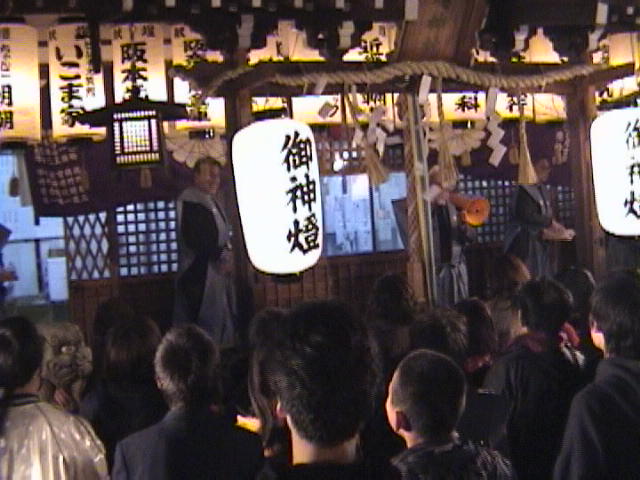 🇯🇵 JapanSetsubun節分
A Japanese seasonal rite to drive away bad luck and welcome spring with roasted beansRite · Protection · Luck and prosperity Living
🇯🇵 JapanSetsubun節分
A Japanese seasonal rite to drive away bad luck and welcome spring with roasted beansRite · Protection · Luck and prosperity Living
 🇨🇳 China and 5 moreGhost FestivalZhongyuan Festival; Yulanpen Festival
A festival to feed wandering spirits and guide them home during the seventh lunar month.Tradition · Speaking with spirits and the dead · Protection Living
🇨🇳 China and 5 moreGhost FestivalZhongyuan Festival; Yulanpen Festival
A festival to feed wandering spirits and guide them home during the seventh lunar month.Tradition · Speaking with spirits and the dead · Protection Living
 🇯🇵 JapanOnmyōdō陰陽道
A Japanese system of divination and calendar science rooted in yin-yang philosophyTradition · Seeing and foretelling · Protection Revived
🇯🇵 JapanOnmyōdō陰陽道
A Japanese system of divination and calendar science rooted in yin-yang philosophyTradition · Seeing and foretelling · Protection Revived
 🇯🇵 JapanShinto shrine神社 (jinja)
A structure housing kami deities within the Shinto tradition of JapanTradition · Protection · Speaking with spirits and the dead Living
🇯🇵 JapanShinto shrine神社 (jinja)
A structure housing kami deities within the Shinto tradition of JapanTradition · Protection · Speaking with spirits and the dead Living
Related elsewhere
All tradition 🇮🇳 IndiaChakraचक्र
Meditation points in the subtle body used in Hindu and Buddhist yogaTradition · Speaking with spirits and the dead · Change and initiation Living
🇮🇳 IndiaChakraचक्र
Meditation points in the subtle body used in Hindu and Buddhist yogaTradition · Speaking with spirits and the dead · Change and initiation Living
 🇮🇹 ItalyEtruscan religion
The polytheistic beliefs and divination practices of the ancient Etruscans of ItalyTradition · Seeing and foretelling · Speaking with spirits and the dead Historical
🇮🇹 ItalyEtruscan religion
The polytheistic beliefs and divination practices of the ancient Etruscans of ItalyTradition · Seeing and foretelling · Speaking with spirits and the dead Historical
 🇸🇳 Senegal and 1 moreSerer religionA ƭat Roog
The traditional faith of the Serer people, centred on the supreme deity Roog and ancestral veneration.Tradition · Protection · Speaking with spirits and the dead Living
🇸🇳 Senegal and 1 moreSerer religionA ƭat Roog
The traditional faith of the Serer people, centred on the supreme deity Roog and ancestral veneration.Tradition · Protection · Speaking with spirits and the dead Living
 🇮🇶 Iraq and 5 moreGrimoire
A textbook containing instructions for spells, rituals, and the creation of magical objects.Text · Protection · Healing Historical
🇮🇶 Iraq and 5 moreGrimoire
A textbook containing instructions for spells, rituals, and the creation of magical objects.Text · Protection · Healing Historical