Binou
In its own language: ba-binu
from ba-binu, meaning forbidden
A secret Dogon order honoring ancestors through totemic animals and ritual sacrifice in Mali.
The Binou is a core element of Dogon religion in Mali, focusing on the veneration of immortal ancestors. It centers on clan totems, usually animals, which are protected by strict taboos against harm or consumption. The practice involves secret ceremonies led by priests to maintain harmony between the living and the spiritual world.
- Binou means forbidden in the Dogon language
- Totemic animals must never be killed or eaten
- Millet gruel creates white markings on shrines
- Priests face strict isolation and touch taboos
- Ceremonies focus on harvest and rainfall
What it is
The Binou represents a sacred order within Dogon spirituality, one of four main pillars alongside the worship of Amma and other ancestral figures. It serves as a link to immortal ancestors through specific clan totems. These totems often take the form of animals that protect families from harm. The system relies on strict prohibitions to maintain balance between humans and the supernatural realm.
Where it comes from
The term derives from the Dogon phrase ba-binu, translating to forbidden. This reflects a widespread African cultural norm where harming one's totemic species is prohibited. Disobeying this rule breaks a pact with ancestors and brings bad omens. The practice is embedded in oral traditions and secret languages that explain creation myths and the origins of fire and speech.
How it is done
Ceremonies occur in single-chambered shrines decorated with symbolic reliefs. A priest pours millet gruel on the shrine facade, leaving white markings, and inside the sanctuary. Animal sacrifices are performed to appease ancestors. These rituals typically align with agrarian cycles to ensure good rainfall and harvest success, maintaining cosmic order.
Tools and materials
Shrines serve as central points, featuring painted walls and relief carvings. Millet gruel acts as a key ritual substance, creating visible white signs on structures. Animal sacrifices provide offerings to ancestors. Totemic animals themselves function as living symbols of the ancestor, requiring respect and protection from their associated clans.
Binou, drawn and placed
- Living
- Revived
- Fading
- Historical
- Legendary
- Performed
- Lineage
- Dogon religion
- Timing
- during agrarian rites for harvest
What it is for
The practice aims to secure protection for travelers and community members in dangerous places like the bush. It seeks to maintain favorable relations with the dead, ensuring they watch over the living. Rituals also support agricultural stability, asking for rain and bountiful crops through ancestral intercession.
Who does it
Binou priests lead the order, acting as spiritual intermediaries between the clan and the supernatural. They undergo strict initiation and live under severe restrictions, including isolation from family and touch. Their role complements other leaders like the Hogon, who oversees different ancestral aspects. Priests manage shrine access and ritual purity.
Peoples and places
The Dogon people of Mali practice this tradition as part of their broader religious framework. Families belong to eight ancestral groups defined by twin sets in cosmogony. Each village maintains its own totem and shrine. The practice differs slightly from individual household ancestor altars, though both aim to honor the dead and preserve lineage harmony.
At a glance: who, where and when
Peoples
Belief worlds
Occasions
What people believe
Dogon belief holds that ancestors made pacts with specific animal species. Respecting these totems ensures divine protection and prevents dishonor. The universe was shaped through primordial events involving resurrection and creation. Oral myths preserve these truths, guiding daily conduct and ritual observance to keep spiritual forces aligned.
When it is done
Rituals coincide with agrarian seasons, specifically during planting and harvest periods. These timings connect spiritual obligations with physical survival needs. The cycle reinforces the bond between human labor and ancestral blessing, ensuring the community receives necessary rains and food supplies through proper ceremonial observance.
Questions people ask about Binou
What is the Binou?
It is a secret religious order in Mali among the Dogon people. It honors immortal ancestors through specific clan totems, usually animals, and involves strict taboos against harming them.
Where does the name come from?
The word comes from ba-binu, meaning forbidden. This reflects the prohibition against killing, eating, or touching one's totemic animal, which would break a pact with ancestors.
How is it practiced?
Priests lead ceremonies in decorated shrines. They pour millet gruel to leave white marks and perform animal sacrifices. These rites usually happen during farming seasons to ask for rain and good harvests.
Good reading and sources
The facts on this page come from the Wikipedia article "Binou (Dogon religion)", written by its contributors and used under the CC BY-SA 4.0 licence, and from its Wikidata record (CC0). EveryJaadu rewrote the text in its own words, with AI assistance, and compares every page with the article to make sure no passage is copied. It may be reused under the same CC BY-SA 4.0 licence with a link back.
It may contain mistakes. Names and customs differ from one community to the next, and some knowledge is closed to outsiders and left out here. This page describes belief and practice. It does not say that any of it works, it is not a how-to, and it is not medical advice. If something is wrong, tell us. Last refreshed 2026-10-08.
More from Mali
All the entries from Mali 🇸🇳 Senegal and 5 moreMaraboutmurābiṭ
A Muslim religious leader and teacher in West Africa, often linked to Sufi brotherhoods.Tradition · Protection · Speaking with spirits and the dead Living
🇸🇳 Senegal and 5 moreMaraboutmurābiṭ
A Muslim religious leader and teacher in West Africa, often linked to Sufi brotherhoods.Tradition · Protection · Speaking with spirits and the dead Living
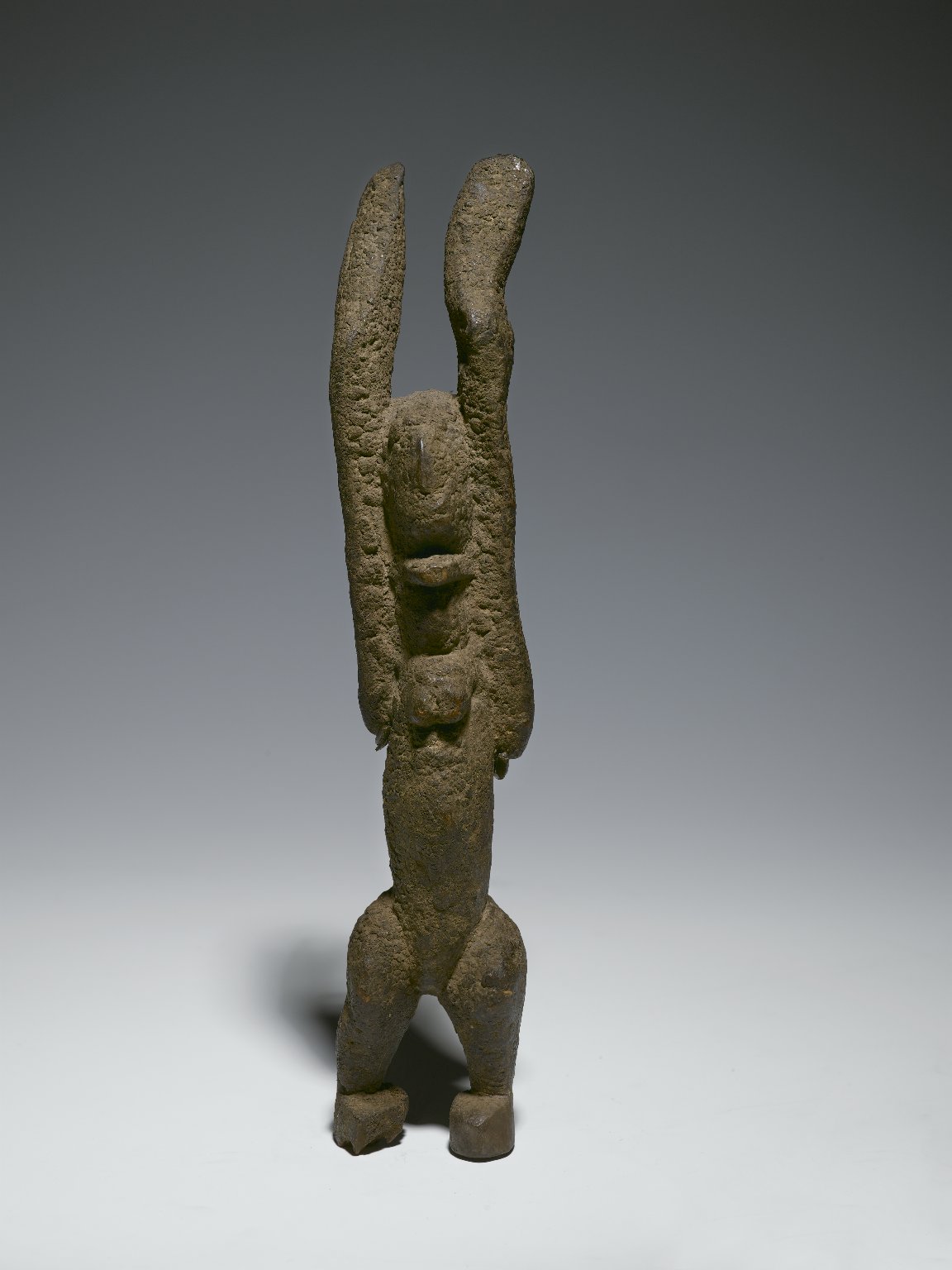 🇲🇱 MaliDogon religion
The traditional spiritual beliefs of the Dogon people of MaliTradition · Protection · Speaking with spirits and the dead Living
🇲🇱 MaliDogon religion
The traditional spiritual beliefs of the Dogon people of MaliTradition · Protection · Speaking with spirits and the dead Living
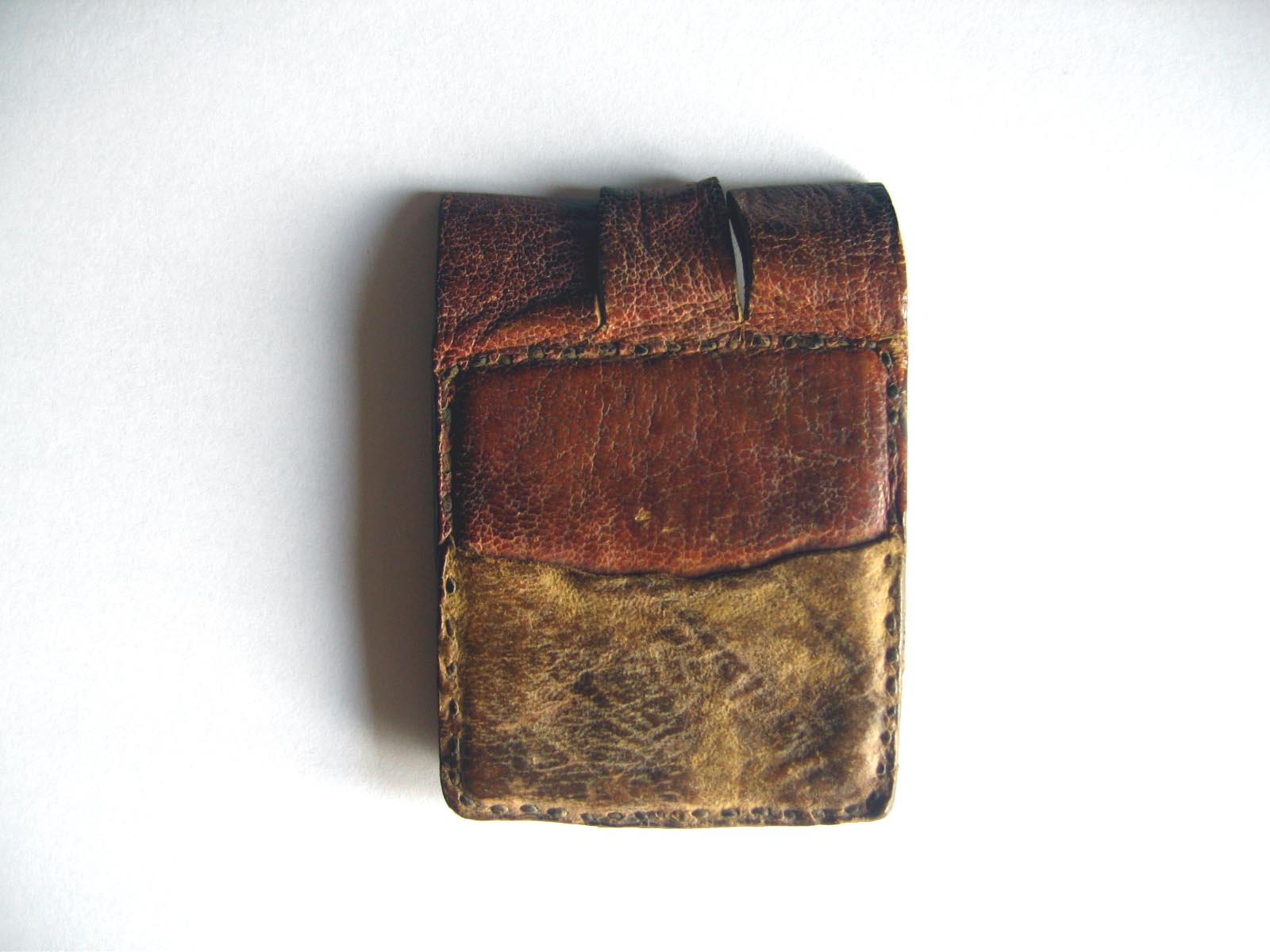 🇲🇱 Mali and 3 moreGris-gris
A small pouch or charm from West Africa used for protection and luck.Charm · Protection · Luck and prosperity Living
🇲🇱 MaliNommo
Primordial water spirits in Dogon cosmology from MaliBeing · Speaking with spirits and the dead Legendary
🇲🇱 Mali and 3 moreGris-gris
A small pouch or charm from West Africa used for protection and luck.Charm · Protection · Luck and prosperity Living
🇲🇱 MaliNommo
Primordial water spirits in Dogon cosmology from MaliBeing · Speaking with spirits and the dead Legendary
Related elsewhere
All tradition 🇮🇳 India and 1 moreNavagrahaनवग्रह
A group of nine celestial deities in Hinduism that govern fate and astrologyTradition · Protection · Luck and prosperity Living
🇨🇳 China and 4 moreKitchen God灶君
The Chinese hearth deity who reports domestic conduct to the Jade EmperorBeing · Protection · Luck and prosperity Living
🇮🇳 India and 1 moreNavagrahaनवग्रह
A group of nine celestial deities in Hinduism that govern fate and astrologyTradition · Protection · Luck and prosperity Living
🇨🇳 China and 4 moreKitchen God灶君
The Chinese hearth deity who reports domestic conduct to the Jade EmperorBeing · Protection · Luck and prosperity Living
 🇪🇬 Egypt and 2 moreLibation
The ritual pouring of liquid as an offering to spirits or the deadRite · Speaking with spirits and the dead · Protection Living
🇪🇬 Egypt and 2 moreLibation
The ritual pouring of liquid as an offering to spirits or the deadRite · Speaking with spirits and the dead · Protection Living
 🇮🇪 Ireland and 5 moreCairn
A human-made stack of stones used as a marker, memorial, or religious symbol across many cultures.Tradition · Protection · Speaking with spirits and the dead Living
🇮🇪 Ireland and 5 moreCairn
A human-made stack of stones used as a marker, memorial, or religious symbol across many cultures.Tradition · Protection · Speaking with spirits and the dead Living