Musok eumak
In its own language: 무속 음악
Traditional Korean shamanistic music performed during gut rituals to induce trance
Musok eumak is the traditional music of Korean shamanism, played during the gut ritual. It combines singing, dancing, and percussion to help the shaman enter a trance state for communication with spirits.
- Musok eumak is Korean shamanistic music performed during the gut ritual.
- It includes singing, dancing, and percussion.
- The music helps the shaman enter a trance state.
- Trance is believed to enable communication with spirits.
What it is
Musok eumak, also known as muak, is the traditional music of Korean shamanism. It is performed during the gut, which is the central ritual ceremony in this belief system. The performance integrates singing, dancing, and rhythmic percussion. While it serves a spiritual function within the ritual, it also allows participants to experience the foundational elements of traditional Korean musical expression. The sound is not merely background; it is an active component of the ceremony itself.
How it is done
The music is performed live during the gut ritual. It involves three main components: vocal singing, physical dancing, and the use of percussion instruments. These elements work together to create a specific atmosphere. The rhythm and melody are designed to support the shaman's actions. The performance is integral to the ritual structure, accompanying the movements and invocations made by the practitioner.
Tools and materials
The primary tools are the human voice, the body used for dance, and percussion instruments. The combination of sound and movement creates the necessary environment for the ritual. The music acts as a bridge between the physical space and the spiritual intentions of the ceremony.
Musok eumak, drawn and placed
- Living
- Revived
- Fading
- Historical
- Legendary
- Performed
- Lineage
- Korean shamanism
- Timing
- during gut rituals
What it is for
The main purpose is to facilitate communication with gods, ancestors, and spirits. The music helps the shaman enter a trance state, which is believed to be essential for this contact. It is not performed solely for entertainment or artistic display, but as a functional part of the religious rite. The goal is to alter consciousness to allow interaction with the unseen world.
Who does it
The practice is led by a shaman, who performs the gut ritual. The shaman uses the music to guide their own mental state into a trance. This requires skill in both musical performance and ritual management. The shaman is the central figure who orchestrates the singing, dancing, and drumming to achieve the desired spiritual outcome.
Peoples and places
This tradition is identified with Korean culture and is practiced in South Korea. It is a core part of Korean shamanism, which is an indigenous belief system. The music reflects the archetypes of traditional Korean sound. It remains a living tradition within the community that practices these rituals.
At a glance: who, where and when
What people believe
Practitioners hold that the music enables the shaman to enter a trance. This altered state is necessary for communicating with divine and ancestral spirits. The belief is that the rhythmic and melodic structures open a channel to the spirit world. It is not seen as mere art, but as a spiritual technology for connection.
Compare and confuse
Samul nori is a modern South Korean music genre that is partially based on muak. While musok eumak is strictly ritualistic, samul nori has evolved into a performance genre. Both share roots in traditional Korean percussion, but they serve different cultural functions today.
Questions people ask about Musok eumak
What is musok eumak?
It is the traditional music of Korean shamanism, performed during the gut ritual. It combines singing, dancing, and percussion to support the ceremonial proceedings.
Where does it come from?
It originates from South Korea as part of Korean shamanism. It is an indigenous tradition deeply connected to local spiritual practices and ancestral worship.
What is its purpose?
Its primary purpose is to help the shaman enter a trance. This state is believed to allow communication with gods, ancestors, and other spirits.
Good reading and sources
The facts on this page come from the Wikipedia article "Musok eumak", written by its contributors and used under the CC BY-SA 4.0 licence, and from its Wikidata record (CC0). EveryJaadu rewrote the text in its own words, with AI assistance, and compares every page with the article to make sure no passage is copied. It may be reused under the same CC BY-SA 4.0 licence with a link back.
It may contain mistakes. Names and customs differ from one community to the next, and some knowledge is closed to outsiders and left out here. This page describes belief and practice. It does not say that any of it works, it is not a how-to, and it is not medical advice. If something is wrong, tell us. Last refreshed 2026-10-07.
More from South Korea
All the entries from South Korea 🇰🇷 South Korea and 3 moreKorean shamanism무속
A Korean folk religion centered on ritual specialists who mediate between humans and spiritsTradition · Protection · Healing Living
🇰🇷 South Korea and 3 moreKorean shamanism무속
A Korean folk religion centered on ritual specialists who mediate between humans and spiritsTradition · Protection · Healing Living
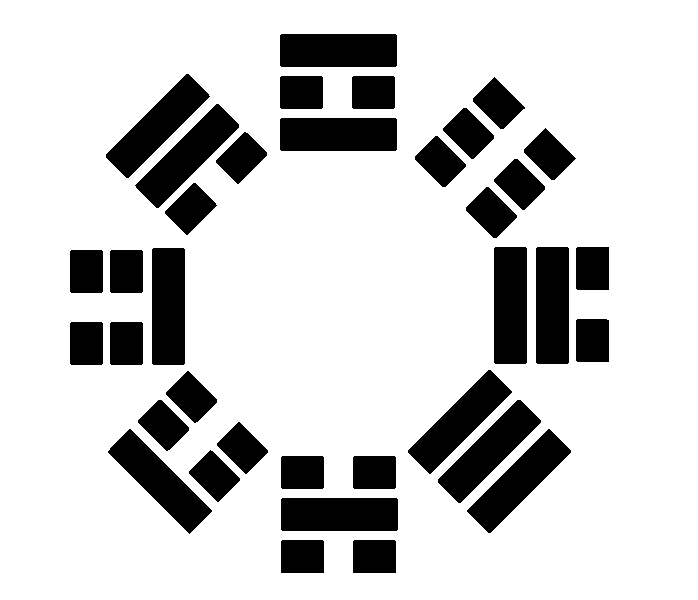 🇨🇳 China and 1 moreBagua八卦
A set of eight trigram symbols from China used in divination, cosmology, and feng shui.Tradition · Seeing and foretelling · Protection Living
🇨🇳 China and 1 moreBagua八卦
A set of eight trigram symbols from China used in divination, cosmology, and feng shui.Tradition · Seeing and foretelling · Protection Living
 🇰🇷 South Korea and 1 moreKorean shamanismKorean shamanism (Korean: Korean shamanism)
A traditional practice of ritual specialists who mediate between the human and spirit worlds.Tradition · Healing · Protection Living
🇰🇷 South Korea and 1 moreKorean shamanismKorean shamanism (Korean: Korean shamanism)
A traditional practice of ritual specialists who mediate between the human and spirit worlds.Tradition · Healing · Protection Living
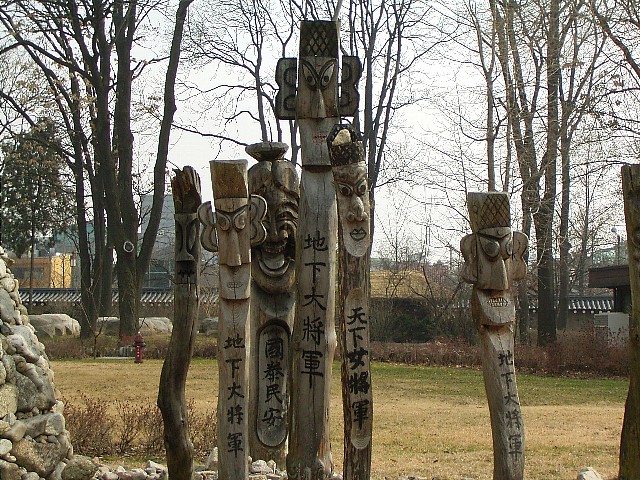 🇰🇷 South Korea and 1 moreJangseung장승
Wooden or stone poles that guard Korean villages and temples from evil spiritsTradition · Protection · Speaking with spirits and the dead Living
🇰🇷 South Korea and 1 moreJangseung장승
Wooden or stone poles that guard Korean villages and temples from evil spiritsTradition · Protection · Speaking with spirits and the dead Living
Related elsewhere
All tradition 🇮🇳 IndiaChakraचक्र
Meditation points in the subtle body used in Hindu and Buddhist yogaTradition · Speaking with spirits and the dead · Change and initiation Living
🇮🇳 IndiaChakraचक्र
Meditation points in the subtle body used in Hindu and Buddhist yogaTradition · Speaking with spirits and the dead · Change and initiation Living
 🇪🇸 Spain and 5 moreSt John's Eve
A Christian vigil marked by bonfires and plant gathering on the summer solstice eveRite · Protection · Speaking with spirits and the dead Living
🇪🇸 Spain and 5 moreSt John's Eve
A Christian vigil marked by bonfires and plant gathering on the summer solstice eveRite · Protection · Speaking with spirits and the dead Living
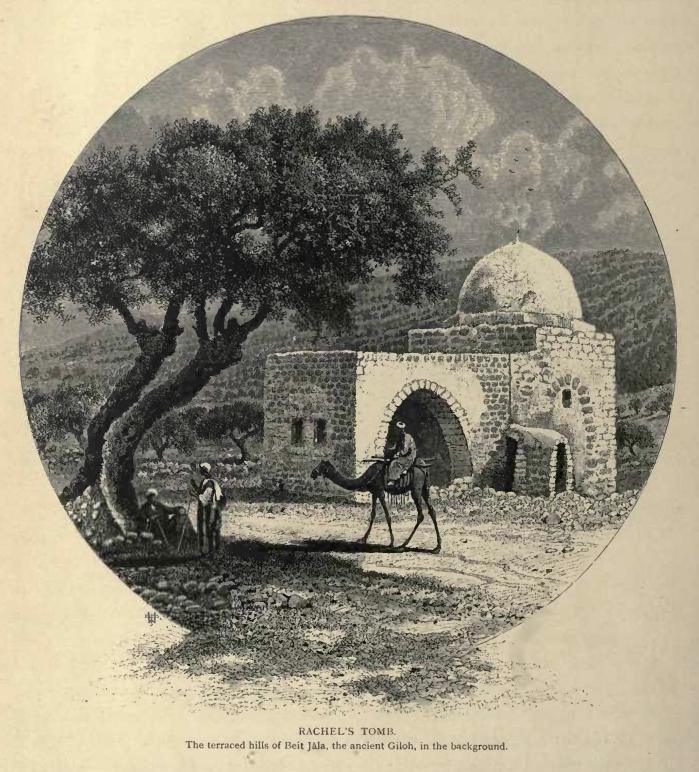 🇵🇸 Palestine and 1 moreRachel's TombQever Raḥel; Qabr Rāḥīl
A shared holy site near Bethlehem revered by Jews, Christians, and MuslimsTradition · Speaking with spirits and the dead · Protection Living
🇵🇸 Palestine and 1 moreRachel's TombQever Raḥel; Qabr Rāḥīl
A shared holy site near Bethlehem revered by Jews, Christians, and MuslimsTradition · Speaking with spirits and the dead · Protection Living
 🇳🇬 NigeriaOrunmilaỌ̀rúnmìlà
Yoruba deity of wisdom and the creator of the Ifá divination systemBeing · Seeing and foretelling · Speaking with spirits and the dead Living
🇳🇬 NigeriaOrunmilaỌ̀rúnmìlà
Yoruba deity of wisdom and the creator of the Ifá divination systemBeing · Seeing and foretelling · Speaking with spirits and the dead Living