Traditions and systems
Whole bodies of practice: Vodou, shamanism, hoodoo, Wicca, onmyodo, Ifa and the rest.
A tradition is a whole body of magical practice with its own teachers, vocabulary and rules, as distinct from a single charm or rite. Ifa in West Africa, Vodou in Haiti, Tibetan Buddhist ritual, Wicca in Britain and America, and Siberian shamanism are all traditions in this sense. Some are living religions, some are modern inventions, and some survive only in fragments. This page looks at how they differ and what each label hides. Each is described here in its own terms wherever the community has chosen to share them.
Who holds them
A tradition has keepers. In Ifa, a babalawo trains for years and memorises the verses of Odu. In Haitian Vodou, a houngan or mambo is initiated within a house and a lineage. Wicca, by contrast, grew from the writings of Gerald Gardner in the 1950s and spreads by books and covens. Access varies: some traditions are open, some require initiation, and some are closed to outsiders by the community's own rule.
Names that mislead
Outsiders have often given traditions names their keepers did not choose. Colonial officials and missionaries called African and Indigenous religions fetishism, witchcraft or devil worship. The word voodoo, borrowed from the Haitian religion, became a stock horror image, while practitioners say Vodou. Many people also reject the word magic for what they see as plain religion, worship of ancestors or medicine of the land. Some are written down in long poems or scriptures, while others are carried only in memory, song and apprenticeship, which affects how outsiders can study them.
How states treat them
Treatment ranges from protection to prohibition. Haiti recognised Vodou as a religion in 2003. Britain repealed its Witchcraft Act only in 1951. Several African and Pacific states still prosecute witchcraft accusations, and Saudi Arabia has executed people for sorcery. Many traditions were absorbed rather than banned: Santeria wore the faces of Catholic saints, and Taoist ritual was licensed by Chinese emperors. Recognition on paper does not end prejudice: a faith can be legal under a constitution and still be mocked, taxed or policed at local level.
Scholars and sceptics
Anthropologists such as Evans-Pritchard, who studied the Azande in the 1930s, described magic as a coherent system of explanation, not stupidity. Historians stress that boundaries between religion, magic and science were drawn by particular people for particular reasons. Sceptics point out that tests of efficacy have found no effect beyond expectation. Many tradition-bearers answer that the question misses what the practice is for. Folklorists add that traditions are always changing, with no pure original to return to, and that revival is itself a form of change.
Tradition on EveryJaadu
The entries written up so far, best known first.
 🇵🇪 Peru and 2 moreInca religion
The polytheistic beliefs and rites of the Inca Empire across the AndesTradition · Protection · Luck and prosperity Historical
 🇬🇧 United Kingdom and 1 moreJohn Dee
An English scholar and advisor to Elizabeth I who pursued angelic communication through scrying.Tradition · Speaking with spirits and the dead · Seeing and foretelling Historical
 🇮🇪 Ireland and 1 moreCeltic mythology
The mythic traditions of the Celtic peoples, preserved in Irish and Welsh textsTradition · Speaking with spirits and the dead Historical
 🇬🇧 United KingdomHermetic Order of the Golden DawnOrdo Hermeticus Aurorae Aureae
A late-19th-century British magical order that shaped modern Western occultismTradition · Speaking with spirits and the dead · Change and initiation Historical
🇷🇺 RussiaOssetian mythologyИрон мифологи
The beliefs and supernatural beings of the Ossetian people in the Caucasus.Tradition · Protection · Speaking with spirits and the dead Historical
 🇱🇾 Libya and 4 moreTraditional Berber religionAmazigh religion
Ancient beliefs of Northwest Africa focused on celestial bodies and local spiritsTradition · Speaking with spirits and the dead · Power and authority Historical
🇮🇳 IndiaPashupata Shaivismपाशुपत
An early Hindu school of ascetic devotion and philosophy focused on liberation through ritual penance.Tradition · Speaking with spirits and the dead Historical
 🇨🇳 ChinaNeidan内丹
A Taoist practice using the body as a vessel to refine inner energies for longevity and spiritual survival.Tradition · Protection · Healing Historical
 🇸🇪 SwedenTemple at Uppsala
A Norse religious centre described in medieval texts and debated by modern scholarsTradition · Speaking with spirits and the dead · Power and authority Historical
 🇮🇳 IndiaKapalikaकापालिक
A medieval Shaivite ascetic order known for skull symbols and transgressive ritualsTradition · Speaking with spirits and the dead · Change and initiation Historical
 🇳🇴 Norway and 2 moreSámi drumgoavddis
A ceremonial instrument used by Sámi noaidi for trance and divinationTradition · Seeing and foretelling · Speaking with spirits and the dead Historical
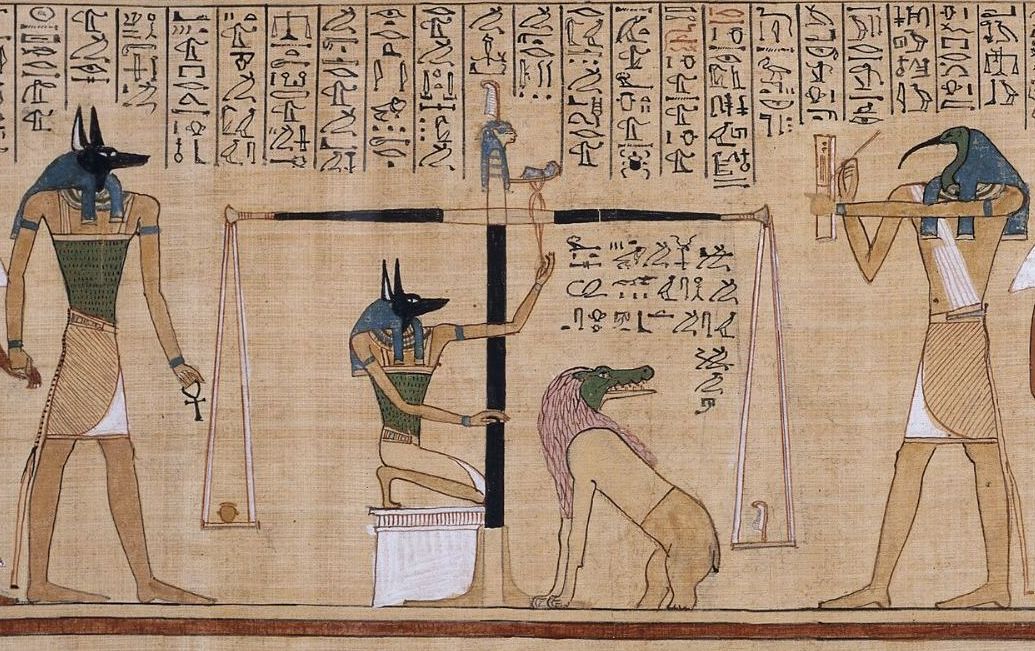 🇪🇬 EgyptAncient Egyptian afterlife beliefs
Rituals and texts guiding the soul through the underworld to rebirthTradition · Protection · Speaking with spirits and the dead Historical
 🇲🇽 MexicoAztec religion
The polytheistic and monistic belief system of the Aztec Empire in central MexicoTradition · Protection · Luck and prosperity Historical
🇬🇷 GreeceAncient Greek folklore
The oral stories, music and rituals of the ancient GreeksTradition · Speaking with spirits and the dead · Power and authority Historical
 🇮🇶 Iraq and 3 moreAncient Mesopotamian religion
The polytheistic beliefs and practices of Sumer, Akkad, Assyria and Babylonia from 6000 BC to 500 ADTradition · Power and authority · Speaking with spirits and the dead Historical
 🇪🇬 Egypt and 1 moreAncient Egyptian religion
Polytheistic worship, divine kingship, and funerary rites along the NileTradition · Protection · Speaking with spirits and the dead Historical
 🇵🇭 PhilippinesBabaylan
Spiritual leaders of pre-colonial Philippines who mediated with the unseen world.Tradition · Healing · Seeing and foretelling Historical
 🇫🇷 France and 1 moreDruiddruides
A learned priestly class of the ancient Celts in Gaul and BritainTradition · Cursing and harm · Protection Historical
 🇬🇷 GreeceOrphismὈρφικά
Ancient Greek religious beliefs centered on the myth of Dionysus and ritual purificationTradition · Speaking with spirits and the dead Historical
 🇬🇷 GreeceEleusinian MysteriesἘλευσίνια Μυστήρια
Ancient Greek secret initiation rites honouring Demeter and Persephone at EleusisTradition · Change and initiation · Speaking with spirits and the dead Historical
🇫🇷 France and 3 moreChristian Kabbalah
A Renaissance effort to read Christian theology into Jewish mysticismTradition · Speaking with spirits and the dead · Cursing and harm Historical
🇪🇪 EstoniaFinnic mythologies
The spiritual traditions of the Finnic peoples across northern EurasiaTradition · Speaking with spirits and the dead Historical
 🇪🇪 Estonia and 1 moreEstonian mythologyeesti mütoloogia
The pre-Christian beliefs and legends of the Estonian peopleTradition · Protection · Speaking with spirits and the dead Historical
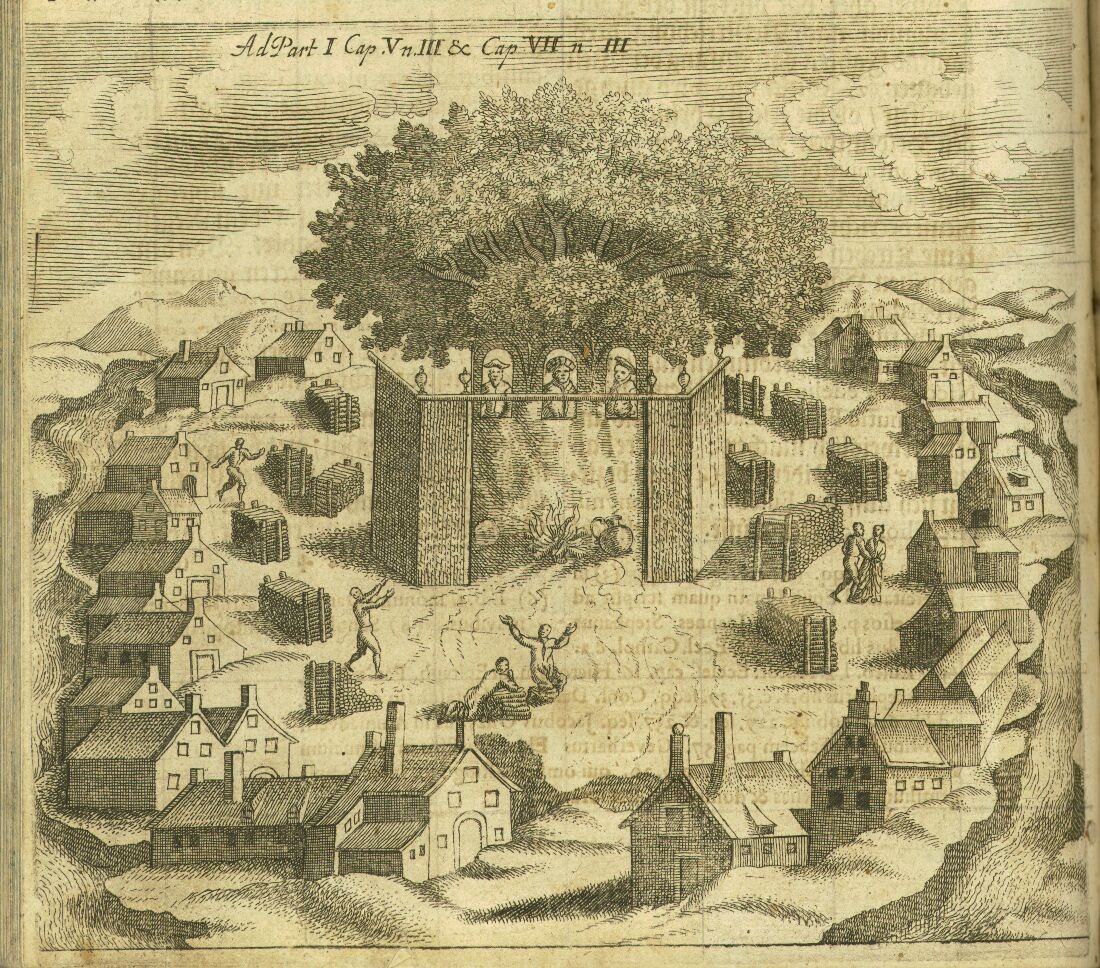 🇱🇹 Lithuania and 1 moreLithuanian mythologyLietuvių mitologija
The ancient polytheistic beliefs of the Baltic people, preserved in folklore and early chroniclesTradition · Speaking with spirits and the dead · Luck and prosperity Historical
 🇮🇹 ItalyEtruscan religion
The polytheistic beliefs and divination practices of the ancient Etruscans of ItalyTradition · Seeing and foretelling · Speaking with spirits and the dead Historical
 🇺🇸 United States and 1 moreMarie Laveau
A New Orleans priestess and herbalist who led Louisiana Voodoo in the nineteenth centuryTradition · Healing · Protection Historical
🇳🇴 NorwaySami religion
The animist and polytheistic beliefs of the Sámi people across northern ScandinaviaTradition · Protection · Luck and prosperity Historical
 🇯🇵 Japan and 1 moreKūkai空海
Founder of Shingon Buddhism who brought Vajrayana esoteric practices from China to Japan.Text · Power and authority · Protection Historical
🇪🇬 EgyptTheurgyθεουργία
A Neoplatonic ritual path to unite the soul with the divine through sacred actsTradition · Speaking with spirits and the dead · Change and initiation Historical
 🇮🇹 Italy and 3 moreRenaissance magic
A 15th and 16th century revival of magical arts blending philosophy, astrology, and hidden knowledge.Tradition · Power and authority · Seeing and foretelling Historical
 🇬🇷 Greece and 2 moreGreco-Roman mysteriesμυστήρια
Secret religious schools of the ancient Mediterranean for initiates onlyTradition · Speaking with spirits and the dead · Power and authority Historical
 🇺🇸 United StatesFox sisters
Three sisters from New York who launched the Spiritualism movement with spirit rapping séancesTradition · Speaking with spirits and the dead Historical
 🇺🇸 United States and 2 moreSpiritualism
A nineteenth-century religious movement focused on communicating with the dead.Tradition · Speaking with spirits and the dead Historical
 🇨🇳 China and 1 moreShamanism in the Qing dynasty
State-managed rituals of the Manchu rulers and their shamansTradition · Protection · Healing Historical
🇲🇳 Mongolia and 1 moreYellow shamanismШар бөө
A Mongolian and Siberian shamanic tradition blended with Buddhist ritualsTradition · Speaking with spirits and the dead · Protection Historical
 🇮🇹 ItalyUR Group
An Italian esoteric circle studying magic and traditional philosophy in the late 1920s.Tradition · Speaking with spirits and the dead · Change and initiation Historical
🇨🇭 SwitzerlandSegen
A German term for blessing, charm, or spell rooted in Christian and folk traditions.Belief · Protection · Speaking with spirits and the dead Historical
 🇨🇳 ChinaReligion of the Shang dynasty
The spiritual system of ancient China's second dynasty, centred on ancestor worship and oracle bone divination.Tradition · Protection · Luck and prosperity Historical
 🇮🇪 IrelandTailteann GamesÁenach Tailteann
Ancient Irish funeral games and assemblies held in County Meath to honor the dead.Rite · Speaking with spirits and the dead · Luck and prosperity Historical
 🇯🇵 JapanGoryō御霊
A Japanese belief in appeasing vengeful spirits through Shinto shrinesBelief · Protection · Speaking with spirits and the dead Historical
🇮🇹 Italy and 2 moreOsirian Egyptian OrderOrdine Osirideo Egizio
An Italian esoteric society tracing its roots to 18th-century Naples and ancient Hermetic traditions.Tradition · Power and authority · Speaking with spirits and the dead Historical
🇺🇸 United States and 3 moreAlaska Native religion
Traditional spiritual practices of the Inuit, Yupik, and Aleut peoples of AlaskaTradition · Healing · Luck and prosperity Historical
 🇧🇷 Brazil and 1 moreSpiritualist art
Art produced during séances by mediums who claim spirits guide their hands or create images directly.Tradition · Speaking with spirits and the dead Historical
🇮🇳 IndiaKeśin
A Vedic hymn describing long-haired ascetics who travel on the wind and share a cup with Rudra.Tradition · Power and authority · Wonder and entertainment Historical
 🇲🇽 MexicoEntheogenics and the Maya
Hallucinogenic substances used by the Maya for spiritual rituals and healingTradition · Speaking with spirits and the dead · Healing Historical
Photo credits on this page
The small pictures above come from Wikimedia Commons under free licences. Some are cropped to fit.
- Kaula: Joshua Jonathan, CC0, source
- Goryō: Tsukioka Yoshitoshi (1839–1892), Public domain, source
- Xtabay: Unknown author, Public domain, source
- Spiritualist art: Bodasia, CC BY-SA 4.0, source
- Ancient Mesopotamian religion: editor Austen Henry Layard , drawing by L. Gruner, Public domain, source
- Ancient Egyptian religion: Moh hakem, CC BY-SA 4.0, source
- Babaylan: Hptina24, CC BY-SA 4.0, source
- Druid: Bernard de Montfaucon, Public domain, source
- Orphism: Unknown author, CC BY 4.0, source
- Eleusinian Mysteries: No machine-readable author provided. Marsyas assumed (based on copyrig, Public domain, source
- Hermetica: Jean-Louis Durant (1654-1718), Public domain, source
- Inca religion: Chronicler Martín of Murúa (Cronista Martín de Murúa), Public domain, source
- Estonian mythology: Jeannette Berkowitz (illustrator), Public domain, source
- Lithuanian mythology: Prussian historian Christophorus Hartknoch (1644-1687), Public domain, source
- Natural magic: Unidentified painter, Public domain, source
- Etruscan religion: sailko, CC BY 2.5, source
- Shamanism in the Qing dynasty: A nineteenth-century team of editors., Public domain, source
- Religion of the Shang dynasty: Unknown author, CC0, source
- Marie Laveau: E. W. Kemble, Public domain, source
- Spiritualism: Rossington, W. W. and Garrett, J. Ellwood, Public domain, source
- Sami religion: Zouavman Le Zouave, CC BY-SA 3.0, source
- Kūkai: Unknown author, CC BY 4.0, source
- Tailteann Games: Unknown author, Public domain, source
- Renaissance magic: Unknown author, Public domain, source
- Greco-Roman mysteries: Varrese Painter, Public domain, source
- Fox sisters: N. Currier (Firm), Public domain, source
- Celtic mythology: Unknown author, Public domain, source
- UR Group: Gruppo di Ur, Public domain, source
- Traditional Berber religion: Potymkin, CC BY-SA 4.0, source
- Neidan: A16898, CC BY-SA 4.0, source
- Temple at Uppsala: Olaus Magnus, Public domain, source
- Ancient Egyptian afterlife beliefs: Hunefer, Public domain, source
- Aztec religion: Unknown author, Public domain, source