Alaska Native religion
Traditional spiritual practices of the Inuit, Yupik, and Aleut peoples of Alaska
A system of beliefs focused on mediating between humans and spirits. It was once widespread among Arctic and sub-Arctic cultures but is now less common. Practitioners use rituals to heal illness and ensure successful hunts.
- Angakkuit mediate between humans and spirits
- Soul theft causes illness in traditional belief
- Sea Woman controls the souls of sea animals
- Special languages avoid naming spirits directly
- Out-of-body experiences mark healer initiation
What it is
Alaska Native religion refers to the traditional spiritual systems of the indigenous peoples of Alaska. These beliefs center on a relationship between people and various immortal beings, including spirits and souls. The practice involves mediation to maintain balance within the community and the natural world. Historically, these traditions were common among groups such as the Inuit, Yupik, and Aleut. Today, they are less frequently practiced, having declined before major ethnological studies began in the late nineteenth century. The system relies on specific roles for individuals who can interact with the spirit realm to benefit the living.
Where it comes from
The traditions developed among the diverse cultures of the Alaskan region. Research indicates that these beliefs were already in decline when formal study began. A notable example is Sagdloq, the last medicine man among the Polar Eskimos, who died at the end of the nineteenth century. He was known for abilities attributed to both spiritual power and performance skills like ventriloquism. The term Eskimo has largely been replaced by Inuit in Canada and Greenland due to its pejorative nature, though it remains acceptable in some Alaskan contexts for Yupik and Iñupiaq peoples.
How it is done
Spiritual mediators, known as angakkuit, perform ceremonies to help the community. They may command helping spirits or ask mythological beings to release animal souls for a successful hunt. Healing involves retrieving stolen souls from sick individuals. Techniques vary by culture but often include trance states. Some accounts mention the use of sleight-of-hand or ventriloquism during seances. Healers might hide behind curtains or be bound to create the appearance of supernatural influence. The setting could be dark, though this was not always required.
Tools and materials
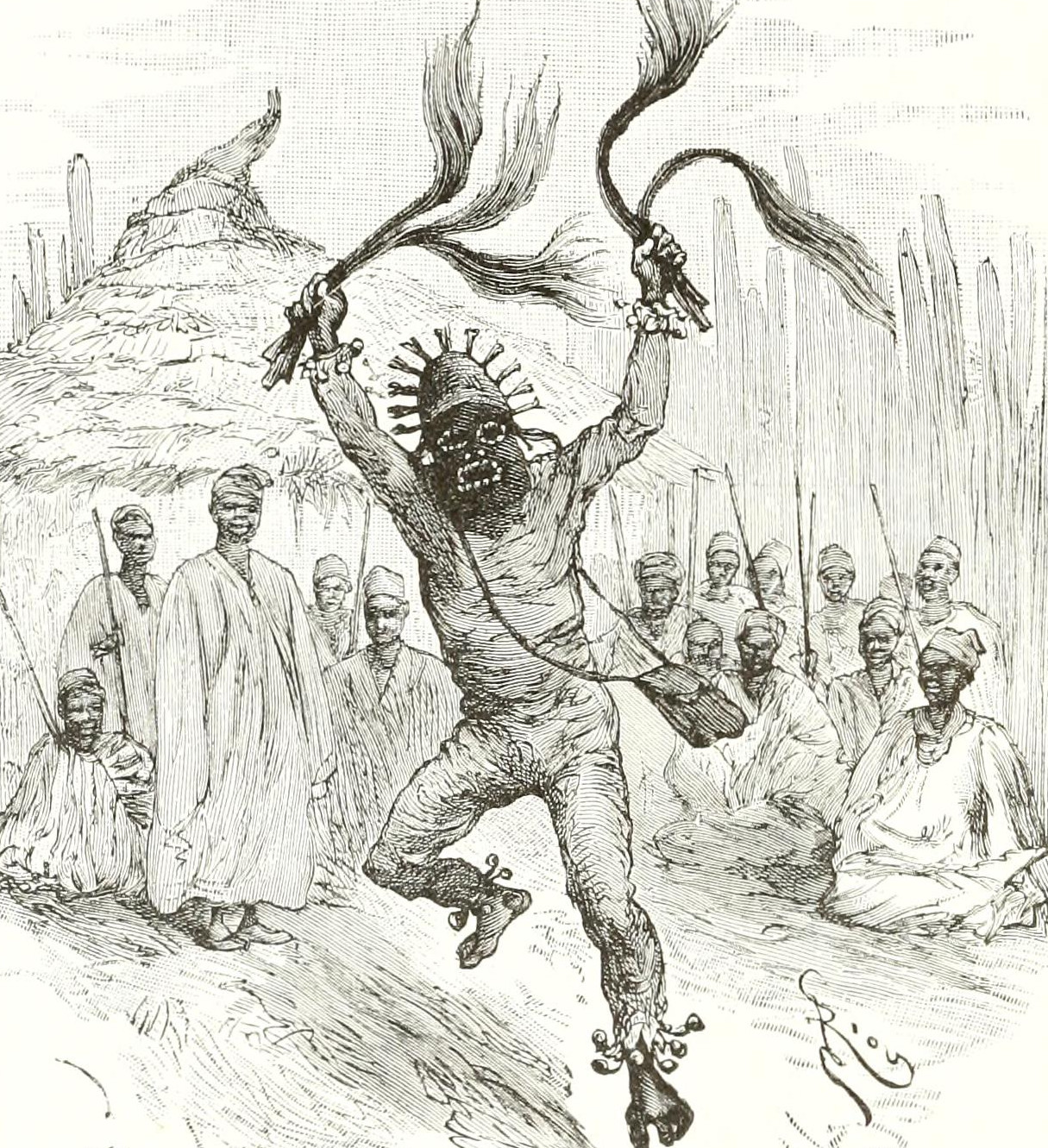
Practitioners use amulets for protection and healing. One Netsilingmiut child reportedly wore eighty amulets. Masks are used in ceremonies to represent animals and reflect the unity between human and animal forms. Transformation masks allow a wearer to shift between identities. Drums are referenced in special languages used to communicate with spirits. Objects are often referred to by periphrastic substitutions rather than their direct names to avoid offending spirits.
Alaska Native religion, drawn and placed
- Living
- Revived
- Fading
- Historical
- Legendary
- Performed
- Lineage
- Eskimo-Aleut cultural sphere
- Timing
- during illness or hunting seasons
What it is for
The primary goals are healing, ensuring successful hunts, and maintaining fertility. Sickness is believed to result from soul theft by enemies or spirits. Healers retrieve these souls to restore health. Fertility rituals assist the soul of an unborn child. Hunt success depends on pleasing the Sea Woman, a mythological being who controls animal souls. When game is scarce, mediators travel to her home to request the release of souls back into the world.
Who does it
The angakkuq serves as the main spiritual mediator. Among Siberian Yupiks, the role is called alignalghi. Training often begins after an out-of-body experience where the initiate sees themselves as a skeleton. Initiators extract the free soul of the apprentice to introduce them to helping spirits. Laypeople can also experience hallucinations or trance states but lack the authority to command spirits. Apprentices who fail to complete training may retain some capacity for spirit contact.
Peoples and places
The traditions vary across different ethnic groups. Inuit and Yupik cultures share many features, such as soul dualism. The Aleut people also have distinct spiritual practices. The Netsilik Inuit have specific tales about spirit battles. Siberian Yupiks use a special allegoric language for communication with spirits. Chugach healers follow specific initiation rites involving skeletal visions. While sharing core concepts, each group maintains unique linguistic and ceremonial details.
At a glance: who, where and when
Who does it
Belief worlds
What people believe
A key concept is soul dualism, distinguishing between a body soul and a free soul. The free soul can travel during trances while the body remains guarded by helping spirits. Animals are believed to possess souls shared across their species. Humans and animals were once thought interchangeable, able to shift forms by lifting a mask-like forearm. Death taboos prevent harm to souls; violating them in Greenland could create a tupilaq, a restless ghost. Naming a child after a deceased relative invokes a name-soul to guide the weak developing soul.
When it is done
Rituals occur during crises such as illness or scarcity of game. Hunting expeditions require spiritual support to ensure success. Life events like birth involve naming ceremonies to secure a name-soul. Practices are tied to immediate needs and seasonal changes rather than a rigid calendar.
How scholars and sceptics see it
Anthropologists note the use of psychological techniques like ventriloquism by historical figures such as Sagdloq. Knud Rasmussen observed practitioners who appeared to believe in their own tricks while performing them. Arnaqaoq, a Netsilik Inuit, smeared himself with blood to mimic spirit battles and later drew vivid visions of his experiences. Scholars distinguish between genuine belief and performance, noting that some healers consciously cheated while honestly believing in the phenomena.
Cautions and what is closed
Violating death taboos can turn souls into harmful entities like the tupilaq. Spirits are feared, and initiates may refuse to draw visions due to this fear. The boundary between healer and layperson is fluid, leading to potential confusion about spiritual authority. Modernization has rendered some traditional terms obsolete, replacing shamanic vocabulary with words for new technologies like violins.
Compare and confuse
The system shares soul dualism with Uralic and Turkic peoples. The term shaman originates from Tungusic languages but is applied broadly to Alaskan mediators. Local terms like angakkuq are preferred by practitioners. The concept of name-souls resembles reincarnation found in other cultures. Special languages for spirits are similar to those described in other Arctic traditions.
Questions people ask about Alaska Native religion
What is Alaska Native religion?
It is the traditional spiritual system of the Inuit, Yupik, and Aleut peoples. It focuses on mediating between humans and spirits to heal illness and ensure successful hunts.
Who are the main practitioners?
Spiritual mediators called angakkuit lead the practices. They command helping spirits and perform rituals to retrieve stolen souls or release animal spirits for hunters.
How do they view animals?
Animals are believed to have souls shared across their species. Humans and animals were once thought interchangeable, capable of shifting forms through ceremonial masks.
What happens if taboos are broken?
Violating death taboos can transform souls into restless ghosts called tupilaqs. These entities scare away game and bring disaster to the community.
Is the tradition still active today?
It is now less common. Many traditions declined before major research began in the late nineteenth century. Some elements persist within indigenous communities.
Good reading and sources
The facts on this page come from the Wikipedia article "Alaska Native religion", written by its contributors and used under the CC BY-SA 4.0 licence, and from its Wikidata record (CC0). EveryJaadu rewrote the text in its own words, with AI assistance, and compares every page with the article to make sure no passage is copied. It may be reused under the same CC BY-SA 4.0 licence with a link back.
It may contain mistakes. Names and customs differ from one community to the next, and some knowledge is closed to outsiders and left out here. This page describes belief and practice. It does not say that any of it works, it is not a how-to, and it is not medical advice. If something is wrong, tell us. Last refreshed 2026-10-06.
More from the United States
All the entries from the United States 🇺🇸 United States and 1 moreMedicine wheel
Circular stone formations built by Indigenous peoples of North America for ceremony and astronomy.Tradition · Speaking with spirits and the dead · Power and authority Living
🇺🇸 United States and 1 moreMedicine wheel
Circular stone formations built by Indigenous peoples of North America for ceremony and astronomy.Tradition · Speaking with spirits and the dead · Power and authority Living
 🇺🇸 United States and 2 moreLouisiana Voodoo
An African diasporic religion practiced in Louisiana from the 18th to early 20th centuriesTradition · Healing · Protection Historical
🇺🇸 United States and 2 moreLouisiana Voodoo
An African diasporic religion practiced in Louisiana from the 18th to early 20th centuriesTradition · Healing · Protection Historical
 🇺🇸 United StatesFolk healer
An unlicensed community member who provides healing care using local plants and traditional knowledge.Tradition · Healing · Protection Historical
🇺🇸 United StatesFolk healer
An unlicensed community member who provides healing care using local plants and traditional knowledge.Tradition · Healing · Protection Historical
 🇺🇸 United States and 1 moreGroundhog DayGrund'sau dåk
A North American custom using a burrowing rodent to forecast the end of winterTradition · Seeing and foretelling · Luck and prosperity Living
🇺🇸 United States and 1 moreGroundhog DayGrund'sau dåk
A North American custom using a burrowing rodent to forecast the end of winterTradition · Seeing and foretelling · Luck and prosperity Living
Related elsewhere
All tradition 🇰🇷 South Korea and 3 moreKorean shamanism무속
A Korean folk religion centered on ritual specialists who mediate between humans and spiritsTradition · Protection · Healing Living
🇰🇷 South Korea and 3 moreKorean shamanism무속
A Korean folk religion centered on ritual specialists who mediate between humans and spiritsTradition · Protection · Healing Living
 🇷🇺 Russia and 3 moreSiberian shamanism
The spirit-journey practices of North Asian peoples and their linguistic relativesTradition · Healing · Speaking with spirits and the dead Fading
🇷🇺 Russia and 3 moreSiberian shamanism
The spirit-journey practices of North Asian peoples and their linguistic relativesTradition · Healing · Speaking with spirits and the dead Fading
 🇰🇷 South Korea and 1 moreKorean shamanismKorean shamanism (Korean: Korean shamanism)
A traditional practice of ritual specialists who mediate between the human and spirit worlds.Tradition · Healing · Protection Living
🇰🇷 South Korea and 1 moreKorean shamanismKorean shamanism (Korean: Korean shamanism)
A traditional practice of ritual specialists who mediate between the human and spirit worlds.Tradition · Healing · Protection Living
 🇵🇪 Peru and 5 morePachamama
The Andean mother goddess of space-time and the earthBeing · Protection · Healing Living
🇵🇪 Peru and 5 morePachamama
The Andean mother goddess of space-time and the earthBeing · Protection · Healing Living