
Tweeza
In its own language: تويزة
A North African Sufi tradition of communal labor and mutual aid
Tweeza is a practice in North Africa where members of a Sufi order or village gather to perform charitable work. It involves building homes, cleaning cemeteries, and harvesting crops as an act of solidarity and spiritual service.
- Tweeza means cooperation in North African Sufi communities
- It involves building homes and cleaning cemeteries
- Olive harvests feature singing and shared meals
- Coordinated by village leaders and Sufi Sheikhs
- Preserved as part of cultural heritage against modernization
What it is
Tweeza is a system of cooperation rooted in North African Sufi culture. Groups from a local religious center or village come together to help the poor and maintain community spaces. The work includes building houses, cleaning cemeteries, and harvesting fields. It is seen as a gesture of awareness and solidarity that strengthens social bonds among rural citizens.
Where it comes from
The practice originates from the village societies centered around Sufi zawiyas. It was once a common activity in rural areas but has faced decline due to modernity and urbanization. Efforts are now made to preserve it as a voluntary service that maintains traditional values of mutual support.
How it is done
The activity is coordinated by the Thadjmaath of each village in collaboration with local officials and Imams. Murids participate voluntarily in tasks such as cleaning, weeding, and planting trees. During olive harvests, women and children gather to collect olives while singing Achewiq songs. The day ends with shared meals like couscous.
Tools and materials
The practice relies on manual labor and community coordination rather than specific magical tools. Materials include shrubs from botanical nurseries and agricultural produce like olives and wheat. The process is supported by the Barakah of the Sheikh who oversees the activity.
Tweeza, drawn and placed
- Living
- Revived
- Fading
- Historical
- Legendary
- Performed
- Lineage
- Sufi tariqa
- Timing
- autumn and winter
What it is for
Tweeza aims to provide charitable assistance to the needy and underprivileged groups. It helps reduce financial burdens for those building homes and maintains sacred spaces like cemeteries. The practice also serves to consolidate friendship and fraternity within the community.
Who does it
Participation is open to murids and villagers who volunteer their time. The Sheikh of the Zawiya provides spiritual oversight through his Barakah. Local leaders and Imams help coordinate logistics, ensuring the work aligns with community needs and environmental causes.
Peoples and places
The tradition is prominent in North Africa, particularly in Morocco. It is practiced by Berber communities and other North African populations. The custom reinforces solidarity between mountain neighborhoods, cities, and suburban areas, adapting to both rural and urban contexts.
At a glance: who, where and when
Who does it
Peoples
Belief worlds
What people believe
The practice is embedded in Sufi Islam, where spiritual merit is linked to charitable action. The Sheikh’s Barakah is believed to guide and bless the collective effort. Participants view the work as a way to honor the blessed olive tree and strengthen their connection to the divine through service.
When it is done
Major activities occur during the autumn and winter months. Olive harvesting takes place in December and January, coinciding with festivals that welcome the Berber New Year, Yennayer. These events last throughout the month and involve communal feasting and song.
How scholars and sceptics see it
Scholars view Tweeza as a form of social cohesion and cultural heritage preservation. It is studied as a response to the challenges of modernization and urbanization. Researchers note its role in maintaining traditional networks of mutual aid and spiritual practice in contemporary North African society.
Cautions and what is closed
The practice faces the risk of disappearing as younger generations move to urban areas. However, the erosion of rural communities poses a threat to its continuity.
Compare and confuse
Tweeza is similar to other forms of communal labor found in Islamic and North African cultures. It shares elements with general charitable works but is distinct in its Sufi organizational structure and emphasis on spiritual solidarity.
Questions people ask about Tweeza
What is Tweeza?
Tweeza is a North African tradition where Sufi groups and villagers cooperate on charitable work like building homes and cleaning cemeteries. It is a form of mutual aid rooted in spiritual solidarity.
Where does Tweeza come from?
It originates from Sufi zawiyas in North African villages. The practice was once widespread in rural areas but is now preserved as a cultural heritage against the effects of urbanization.
How is Tweeza performed?
Murids volunteer for tasks like planting trees and harvesting olives. Activities are coordinated by local leaders and overseen by a Sheikh. Olive picking includes singing Achewiq songs and sharing meals.
When is Tweeza practiced?
Key activities happen in autumn and winter. Olive harvesting occurs in December and January, often coinciding with festivals for the Berber New Year, Yennayer.
Good reading and sources
The facts on this page come from the Wikipedia article "Tweeza", written by its contributors and used under the CC BY-SA 4.0 licence, and from its Wikidata record (CC0). EveryJaadu rewrote the text in its own words, with AI assistance, and compares every page with the article to make sure no passage is copied. It may be reused under the same CC BY-SA 4.0 licence with a link back.
It may contain mistakes. Names and customs differ from one community to the next, and some knowledge is closed to outsiders and left out here. This page describes belief and practice. It does not say that any of it works, it is not a how-to, and it is not medical advice. If something is wrong, tell us. Last refreshed 2026-10-07.
More from Morocco
All the entries from Morocco 🇲🇦 Morocco and 1 moreGnawa musicڭْناوة or كْناوة
Moroccan ritual music blending West African heritage with Islamic practice for healing and tranceTradition · Healing · Speaking with spirits and the dead Living
🇲🇦 Morocco and 1 moreGnawa musicڭْناوة or كْناوة
Moroccan ritual music blending West African heritage with Islamic practice for healing and tranceTradition · Healing · Speaking with spirits and the dead Living
 🇱🇾 Libya and 4 moreTraditional Berber religionAmazigh religion
Ancient beliefs of Northwest Africa centered on celestial bodies, caves, and ancestors.Tradition · Speaking with spirits and the dead · Luck and prosperity Historical
🇲🇦 Morocco and 1 moreZuhriزوهري
A human-djinn hybrid child in North African folklore, sought for treasure ritualsBeing · Luck and prosperity · Cursing and harm Fading
🇱🇾 Libya and 4 moreTraditional Berber religionAmazigh religion
Ancient beliefs of Northwest Africa centered on celestial bodies, caves, and ancestors.Tradition · Speaking with spirits and the dead · Luck and prosperity Historical
🇲🇦 Morocco and 1 moreZuhriزوهري
A human-djinn hybrid child in North African folklore, sought for treasure ritualsBeing · Luck and prosperity · Cursing and harm Fading
 🇪🇸 Spain and 5 moreIbn Arabiمحيي الدين أبو عبد الله محمد بن علي بن عربي الحاتمي الطائي
A medieval Andalusian mystic and philosopher whose teachings shaped Sufi metaphysics across the Islamic world.Text · Speaking with spirits and the dead · Change and initiation Living
🇪🇸 Spain and 5 moreIbn Arabiمحيي الدين أبو عبد الله محمد بن علي بن عربي الحاتمي الطائي
A medieval Andalusian mystic and philosopher whose teachings shaped Sufi metaphysics across the Islamic world.Text · Speaking with spirits and the dead · Change and initiation Living
Related elsewhere
All tradition 🇪🇸 Spain and 5 moreSt John's Eve
A Christian vigil marked by bonfires and plant gathering on the summer solstice eveRite · Protection · Speaking with spirits and the dead Living
🇨🇳 China and 4 moreKitchen God灶君
The Chinese hearth deity who reports domestic conduct to the Jade EmperorBeing · Protection · Luck and prosperity Living
🇪🇸 Spain and 5 moreSt John's Eve
A Christian vigil marked by bonfires and plant gathering on the summer solstice eveRite · Protection · Speaking with spirits and the dead Living
🇨🇳 China and 4 moreKitchen God灶君
The Chinese hearth deity who reports domestic conduct to the Jade EmperorBeing · Protection · Luck and prosperity Living
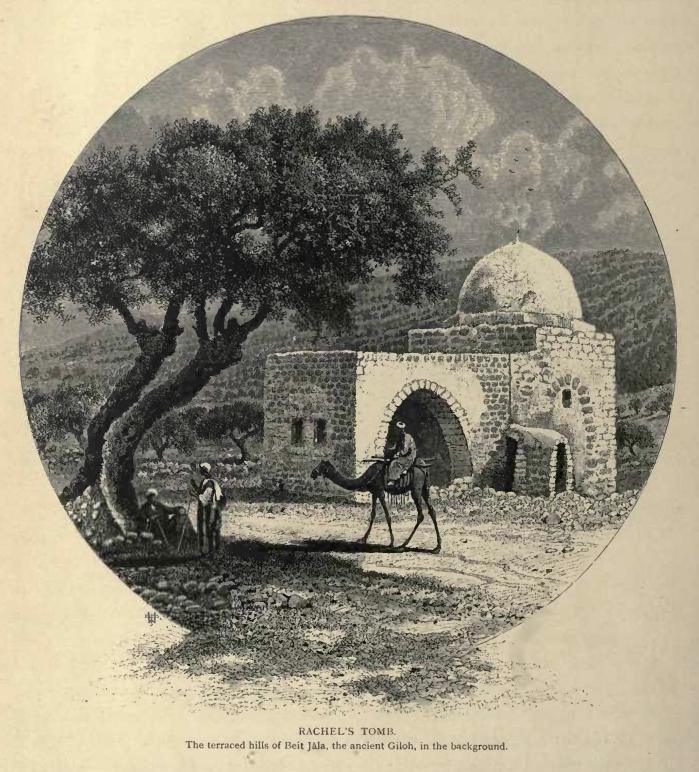 🇵🇸 Palestine and 1 moreRachel's TombQever Raḥel; Qabr Rāḥīl
A shared holy site near Bethlehem revered by Jews, Christians, and MuslimsTradition · Speaking with spirits and the dead · Protection Living
🇵🇸 Palestine and 1 moreRachel's TombQever Raḥel; Qabr Rāḥīl
A shared holy site near Bethlehem revered by Jews, Christians, and MuslimsTradition · Speaking with spirits and the dead · Protection Living
 🇸🇳 Senegal and 1 moreSerer religionA ƭat Roog
The traditional faith of the Serer people, centred on the supreme deity Roog and ancestral veneration.Tradition · Protection · Speaking with spirits and the dead Living
🇸🇳 Senegal and 1 moreSerer religionA ƭat Roog
The traditional faith of the Serer people, centred on the supreme deity Roog and ancestral veneration.Tradition · Protection · Speaking with spirits and the dead Living