Rites, spells and ceremonies
Things done in a set way: cleansings, offerings, blessings, binding and unbinding, initiations.
A rite is something done in a set way: a cleansing, an offering, a blessing, an initiation, a binding. What marks it out is form, with fixed words, gestures, timing and often a specialist to lead it. Rites exist in every culture, from the Catholic exorcism and the Vedic fire offering to the Yoruba sacrifice and the Aboriginal ceremony. This page describes them as customs, in outline. Here they are described as customs and in outline only.
Parts of a rite
Most rites share a few parts: a prepared space, a purifying act, speech or song, a gesture, an offering, and a closing that returns everyone to ordinary life. Scholars such as Arnold van Gennep called rites of passage a sequence of separation, threshold and return. Many rites also mark a time: the new moon, the solstice, a death, a birth, a wedding. Some are done once in a lifetime and some every day, and the same gesture can be a rite in one house and a habit in the next.
Who may perform
Some rites belong to anyone in the household, such as sweeping the house at new year or tying a thread on a child's wrist. Others need an officiant: a priest, a medium, a shaman or an initiated elder. Women often hold domestic rites and are shut out of public priesthood, though in places such as Korea, the Philippines and parts of Africa women lead spirit rites. A rite is also tied to a community: it is done with others present, who witness it and agree that it counts.
Rites that hurt
Not every rite is gentle. Some involve animal sacrifice, which is a normal part of a number of living religions and is performed under rules of its own. Exorcism rites have caused real harm when applied to people with mental illness or to children accused of witchcraft, with deaths reported from beatings, fasting and restraint. Illness needs real medical care. Others are simple and joyful, such as a blessing over bread or a thread on a wrist, and carry no danger at all, which is why most rites are never remarked upon.
Change and commerce
Rites move with people. Diaspora communities adapt them to apartments, city streets and other languages. Some are now sold as retreats or workshops, which can strip them from their community and context. Tourism has also turned ceremonies into shows, and communities increasingly set rules about who may watch, photograph or join. Government rules shape rites too: some countries license ritual slaughter, others require permits for processions, and a few have banned particular ceremonies outright, so a rite can become a legal question as well as a religious one.
Rite on EveryJaadu
The entries written up so far, best known first.
 🇪🇬 EgyptCurse
A spoken wish for harm, often backed by ritual or divine authorityBelief · Cursing and harm · Protection Historical
 🇬🇧 United KingdomBeltane Fire Festival
A modern Edinburgh performance celebrating the start of summer with fire and danceRite · Wonder and entertainment · Power and authority Living
 🇪🇸 Spain and 6 moreBurning of Judas
An Easter rite where an effigy of the betrayer is destroyed by fire or other meansRite · Cursing and harm · Cleansing and purification Living
 🇻🇺 VanuatuLand divingnanggol
A ritual jump from a wooden tower using vines to ensure a good harvestRite · Protection · Speaking with spirits and the dead Living
 🇨🇳 China and 5 moreJoss paper金紙
Paper burned as money and goods for ancestors, gods and the deadCharm · Speaking with spirits and the dead · Luck and prosperity Living
 🇦🇺 AustraliaSmoking ceremony
A ritual using herbal smoke for cleansing and welcoming among Aboriginal AustraliansRite · Cleansing and purification · Speaking with spirits and the dead Living
 🇳🇬 Nigeria and 1 moreBoriBòòríí
A traditional Hausa spirit possession system and healing practice in West AfricaTradition · Healing · Protection Living
 🇪🇬 Egypt and 4 moreAnimal sacrifice
The ritual killing of livestock or wild animals as an offering to deitiesRite · Speaking with spirits and the dead · Power and authority Historical
 🇮🇳 IndiaBhuta KolaBhūta Kōla
A Tulu spirit dance in which a performer is believed to host a deityTradition · Speaking with spirits and the dead · Protection Living
 🇲🇬 MadagascarFamadihana
A Malagasy ritual to rewrap ancestors and celebrate their return to the spirit worldRite · Speaking with spirits and the dead · Luck and prosperity Fading
🇳🇴 NorwayEsbat
A monthly Wiccan ritual held at the full or new moon for worship and community.Rite · Speaking with spirits and the dead · Love and attraction Living
 🇲🇳 Mongolia and 1 moreTsagaan SarЦагаан сар
The Mongolian Lunar New Year, three days of white foods and family visitsTradition · Luck and prosperity · Cleansing and purification Living
 🇮🇪 Ireland and 4 moreWinter solstice
The shortest day and longest night of the year, marked by rites of solar returnTradition · Seeing and foretelling · Protection Living
 🇪🇹 Ethiopia and 5 moreZārزار (Arabic), ዛር (Ge'ez)
A spirit possession tradition and healing ritual in the Horn of Africa and Middle EastTradition · Healing · Speaking with spirits and the dead Living
 🇺🇸 United States and 5 moreMediumship
The practice of mediating communication between the living and spirits of the dead.Tradition · Speaking with spirits and the dead · Healing Living
 🇩🇪 Germany and 4 moreNeed-fireNotfeuer
A ritual fire lit by friction to protect livestock and people from disease and witchcraftRite · Protection · Cleansing and purification Historical
 🇯🇵 JapanItakoイタコ
Blind women in Japan who train to channel spirits and communicate with the dead.Tradition · Speaking with spirits and the dead · Seeing and foretelling Fading
 🇨🇳 China and 5 moreQingming Festival清明节
A spring day for sweeping graves, feeding the dead and honouring ancestorsTradition · Speaking with spirits and the dead · Protection Living
 🇺🇸 United States and 2 moreSéance
A gathering to communicate with spirits, ranging from religious services to stage performances.Rite · Speaking with spirits and the dead · Healing Living
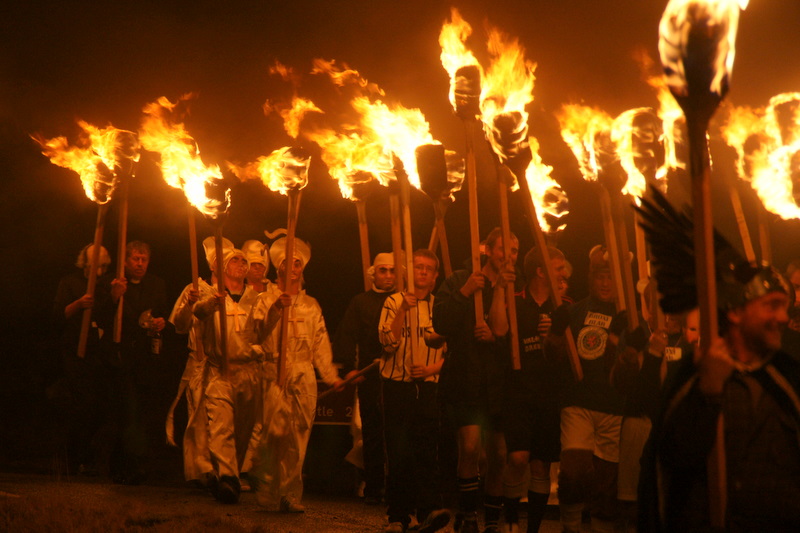 🇬🇧 United KingdomUp Helly Aa
A Shetland fire festival marking the end of Yule with a torchlit procession and burning of a Viking galleyRite · Wonder and entertainment Living
 🇪🇬 Egypt and 5 moreSacred dance
Movement used in worship to honour deities, heal communities, or connect with the spirit world.Tradition · Protection · Healing Living
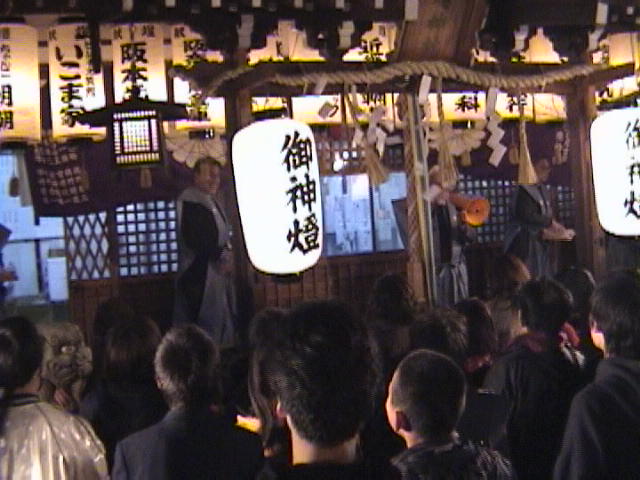 🇯🇵 Japan and 1 moreSetsubun節分
A Japanese seasonal rite to purge evil spirits and welcome spring with roasted soybeansRite · Protection · Luck and prosperity Living
 🇨🇳 China and 5 moreGhost FestivalZhongyuan Jie (中元节)
A festival for appeasing wandering spirits and honoring ancestors in East and Southeast AsiaRite · Speaking with spirits and the dead · Protection Living
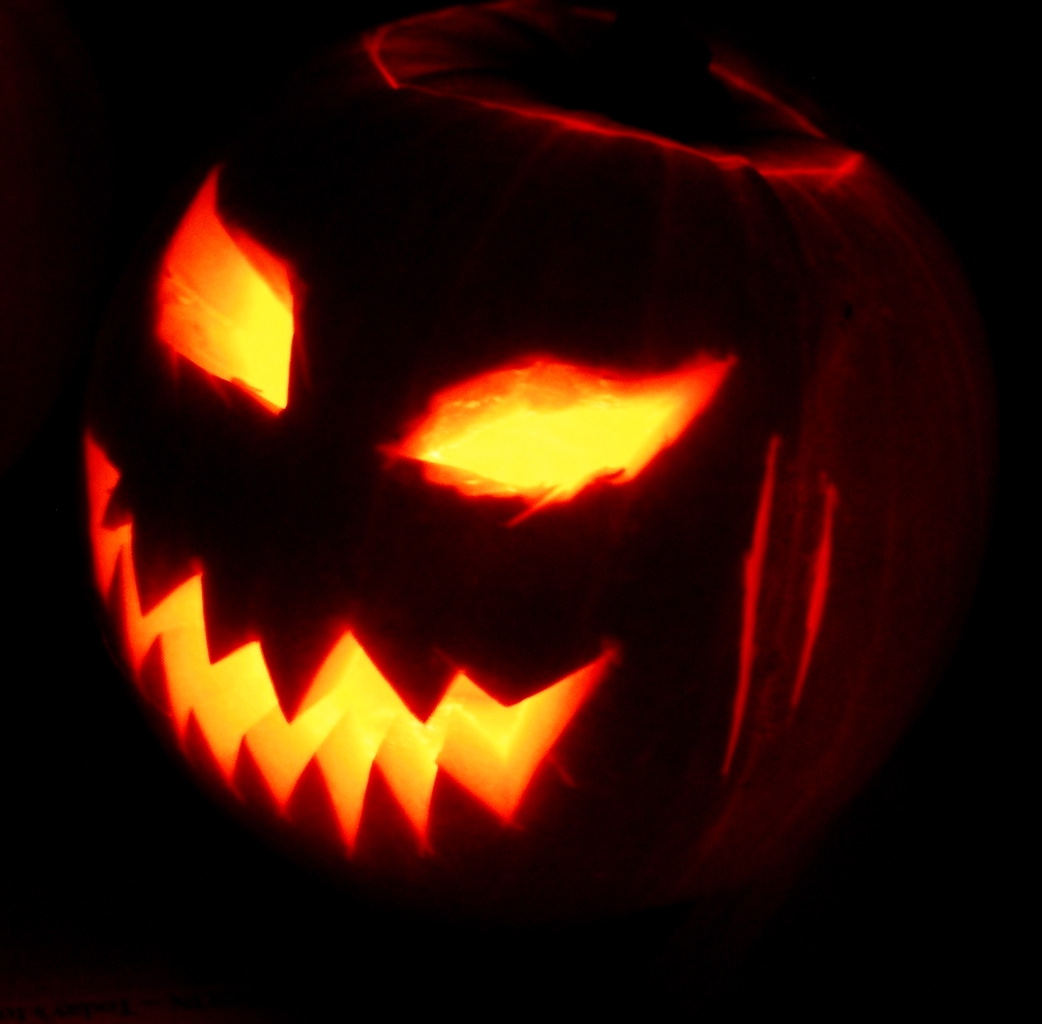 🇮🇪 Ireland and 5 moreHalloween
A Christian vigil on 31 October for the dead, now marked by costumes and carved vegetablesRite · Speaking with spirits and the dead · Protection Living
 🇮🇳 India and 5 moreSpirit possession
A state where a human body is controlled by an external spirit or deityBelief · Healing · Seeing and foretelling Living
 🇪🇬 Egypt and 1 moreAncient Egyptian religion
Polytheistic worship, divine kingship, and funerary rites along the NileTradition · Protection · Speaking with spirits and the dead Historical
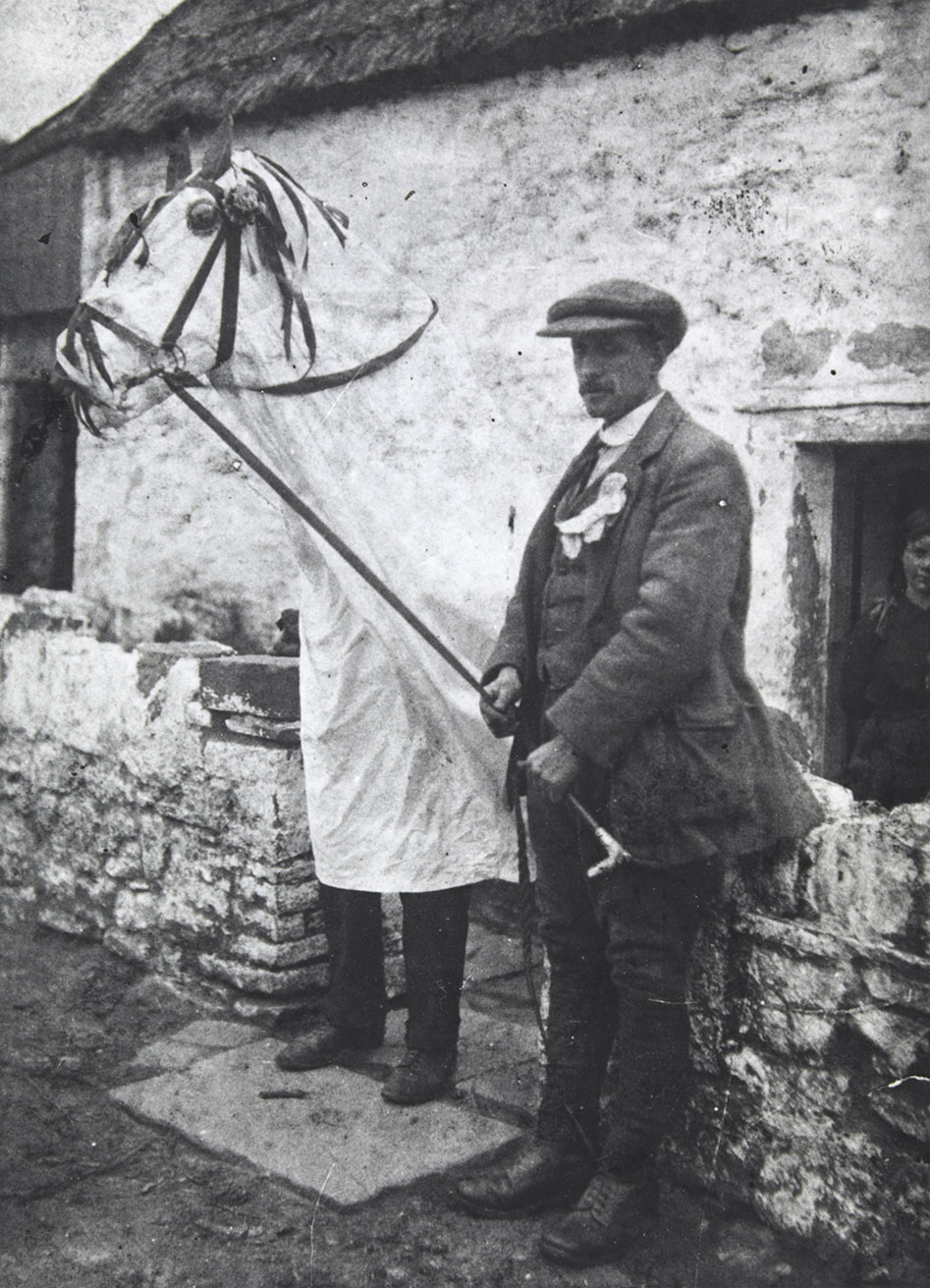 🇬🇧 United KingdomMari LwydY Fari Lwyd
A Welsh winter custom featuring a horse skull carried through villages for song and hospitality.Rite · Luck and prosperity · Wonder and entertainment Revived
 🇬🇧 United KingdomDeath knell
A church bell rung to mark a person's passing and announce the death to the community.Rite · Speaking with spirits and the dead Historical
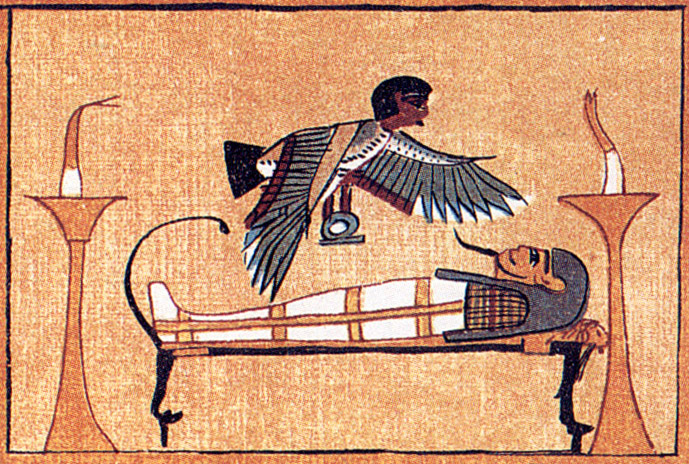 🇪🇬 Egypt and 1 moreSoul flight
A shamanic trance journey in which the soul is said to leave the bodyRite · Healing · Seeing and foretelling Living
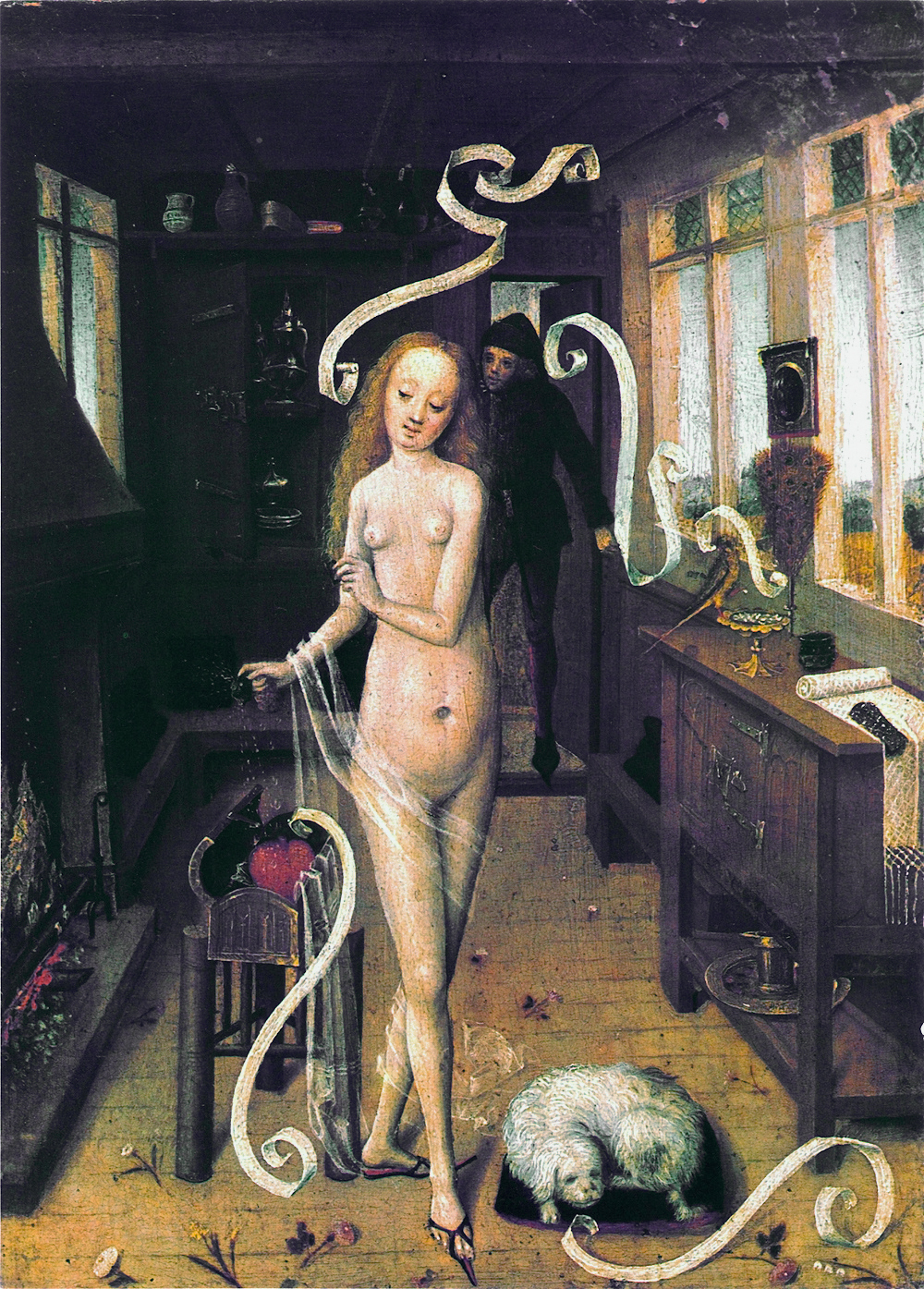 🇮🇶 Iraq and 5 moreLove magic
Rituals and spells used to attract, preserve, or end romantic relationships across many cultures.Tradition · Love and attraction · Cursing and harm Historical
 🇺🇸 United StatesGhost DanceNanissaanah
A circular movement seeking spiritual renewal and reunion with ancestorsRite · Speaking with spirits and the dead · Change and initiation Living
 🇬🇧 United Kingdom and 7 moreSaint Andrew's Day
A Christian feast day marked by national holidays in Scotland and Romania, and folk divination across Europe.Rite · Seeing and foretelling · Luck and prosperity Living
 🇲🇽 Mexico and 5 moreDay of the DeadDía de los Muertos
A Mexican holiday honoring the dead with altars, food, and humor during Allhallowtide.Tradition · Speaking with spirits and the dead · Luck and prosperity Living
 🇦🇺 AustraliaWelcome to Country
A ceremony performed by Aboriginal elders to welcome visitors to their landRite · Speaking with spirits and the dead Living
 🇩🇪 Germany and 5 moreMaypoleMaibaum
A tall wooden pole raised for European spring festivals, accompanied by dance and celebration.Tradition · Luck and prosperity · Love and attraction Living
🇮🇹 ItalyLemuriaLemuralia
An ancient Roman festival to send restless ghosts away from the homeRite · Cleansing and purification · Speaking with spirits and the dead Historical
 🇸🇦 Saudi Arabia and 1 moreDhikrذِكْر
Islamic remembrance of God through repeated recitation and prayerRite · Speaking with spirits and the dead · Power and authority Living
 🇰🇷 South KoreaJesa제사
A Korean ancestral memorial rite involving food offerings and ritual bowsRite · Speaking with spirits and the dead · Luck and prosperity Living
 🇮🇳 IndiaPanjurli
A divine wild boar spirit of Tulu Nadu, honoured as guardian of fields and forestsBeing · Protection · Luck and prosperity Living
 🇨🇳 ChinaOracle bone甲骨
Divination using heated ox bones and turtle shells in ancient ChinaRite · Seeing and foretelling · Power and authority Historical
 🇨🇳 China and 4 moreSky burialབྱ་གཏོར་
A Tibetan funerary rite where human remains are offered to scavenging birdsRite · Speaking with spirits and the dead · Change and initiation Living
 🇨🇳 China and 5 moreSky lantern天燈
A paper hot air balloon lifted by flame to carry wishes and blessingsRite · Luck and prosperity · Protection Living
 🇮🇳 IndiaTheyyam
A ritual dance from Kerala where performers embody deities through elaborate costume and songTradition · Speaking with spirits and the dead · Change and initiation Living
 🇮🇪 Ireland and 4 moreTrial by combat
A medieval legal practice where two disputants fought to settle a caseRite · Cursing and harm Historical
 🇬🇧 United KingdomPricking
A method used during European witch trials to locate a supposed insensitive mark on an accused person.Rite · Cursing and harm Historical
 🇬🇷 GreeceEleusinian MysteriesἘλευσίνια Μυστήρια
Ancient Greek secret initiation rites honouring Demeter and Persephone at EleusisTradition · Change and initiation · Speaking with spirits and the dead Historical
 🇪🇬 Egypt and 1 moreFoundation deposit
Ritual burial of objects under buildings to protect them from ruinRite · Protection Historical
 🇻🇺 Vanuatu and 5 moreKava culture
A shared ritual across Oceania where a root brew marks ceremony, respect, and social gathering.Tradition · Speaking with spirits and the dead · Luck and prosperity Living
Photo credits on this page
The small pictures above come from Wikimedia Commons under free licences. Some are cropped to fit.
- Need-fire: Unknown author, Public domain, source
- Sky burial: FishOil at English Wikipedia, Public domain, source
- Sacred dance: Jorge Barrios, CC BY-SA 3.0, source
- Death knell: Dougsim, CC BY-SA 4.0, source
- Zār: Emad Nemati, CC BY-SA 4.0, source
- Burning of Judas: Unknown author, Public domain, source
- Welcome to Country: Bidgee, CC BY-SA 3.0 au, source
- Jesa: by Joseph Steinberg (Baltimoron in Korea) at Flickr, CC BY-SA 2.0, source
- Panjurli: Uajith, CC BY-SA 3.0, source
- Halloween: Toby Ord, CC BY-SA 2.5, source
- Spirit possession: Unknown author, CC BY 4.0, source
- Ancient Egyptian religion: Moh hakem, CC BY-SA 4.0, source
- Winter solstice: Image by Przemyslaw " Blueshade " Idzkiewicz, CC BY-SA 2.0, source
- Malagasy mythology: Saveoursmile (Hery Zo Rakotondramanana), CC BY-SA 2.0, source
- Soul flight: Published by James Wasserman; facsimile made by E. A. Wallis Budge; or, Public domain, source
- Love magic: Kölner Meister [ 1 ] The artist is an unknown lower Rhenish artist. [, Public domain, source
- Ghost Dance: Unknown author, Public domain, source
- Saint Andrew's Day: Henryk Siemiradzki, Public domain, source
- Day of the Dead: RubeHM, CC BY-SA 4.0, source
- Maypole: Uploaded by Mikael Häggström, CC0, source
- Dhikr: Eugène Baugnies, Public domain, source
- Oracle bone: Unknown author, CC0, source
- Sky lantern: Richy, CC BY-SA 3.0, source
- Theyyam: Shagil Kannur, CC BY-SA 4.0, source
- Trial by combat: Jörg Breu der Jüngere (died 1547), Paulus Hector Mair (died 1579), Public domain, source
- Tengu: Katsushika Hokusai, Public domain, source
- Pricking: Heinrichkramer, CC BY-SA 3.0, source
- Eleusinian Mysteries: No machine-readable author provided. Marsyas assumed (based on copyrig, Public domain, source
- Bori: Tremearne, A. J. N. (Arthur John Newman), 1877-1915, Public domain, source
- Qingming Festival: Jacklee ., CC BY-SA 3.0, source
- Itako: User Geomr~commonswiki self upload, CC BY-SA 3.0, source
- Animal sacrifice: Wilfredor, CC0, source
- Up Helly Aa: Mike Pennington, CC BY-SA 2.0, source
- Séance: Unknown author, Public domain, source
- Setsubun: Unknown author, CC BY-SA 3.0, source
- Bhuta Kola: Unknown author, Public domain, source
- Mediumship: Harvey Metcalfe, Public domain, source
- Kava culture: Jaejay77, CC BY-SA 4.0, source
- Tsagaan Sar: User:Chinneeb, CC BY-SA 3.0, source
- Smoking ceremony: Shillings1005, CC BY-SA 4.0, source
- Foundation deposit: Unknown author, CC0, source
- Ghost Festival: Chong Fat, CC BY-SA 3.0, source
- Land diving: Paul Stein, CC BY-SA 2.0, source
- Mari Lwyd: Thomas Christopher Evans (Cadrawd), Public domain, source
- Joss paper: Vmenkov, CC BY-SA 3.0, source
- Beltane Fire Festival: Stefan Schäfer, Lich, CC BY-SA 3.0, source