Rites, spells and ceremonies
Things done in a set way: cleansings, offerings, blessings, binding and unbinding, initiations.
A rite is something done in a set way: a cleansing, an offering, a blessing, an initiation, a binding. What marks it out is form, with fixed words, gestures, timing and often a specialist to lead it. Rites exist in every culture, from the Catholic exorcism and the Vedic fire offering to the Yoruba sacrifice and the Aboriginal ceremony. This page describes them as customs, in outline. Here they are described as customs and in outline only.
Parts of a rite
Most rites share a few parts: a prepared space, a purifying act, speech or song, a gesture, an offering, and a closing that returns everyone to ordinary life. Scholars such as Arnold van Gennep called rites of passage a sequence of separation, threshold and return. Many rites also mark a time: the new moon, the solstice, a death, a birth, a wedding. Some are done once in a lifetime and some every day, and the same gesture can be a rite in one house and a habit in the next.
Who may perform
Some rites belong to anyone in the household, such as sweeping the house at new year or tying a thread on a child's wrist. Others need an officiant: a priest, a medium, a shaman or an initiated elder. Women often hold domestic rites and are shut out of public priesthood, though in places such as Korea, the Philippines and parts of Africa women lead spirit rites. A rite is also tied to a community: it is done with others present, who witness it and agree that it counts.
Rites that hurt
Not every rite is gentle. Some involve animal sacrifice, which is a normal part of a number of living religions and is performed under rules of its own. Exorcism rites have caused real harm when applied to people with mental illness or to children accused of witchcraft, with deaths reported from beatings, fasting and restraint. Illness needs real medical care. Others are simple and joyful, such as a blessing over bread or a thread on a wrist, and carry no danger at all, which is why most rites are never remarked upon.
Change and commerce
Rites move with people. Diaspora communities adapt them to apartments, city streets and other languages. Some are now sold as retreats or workshops, which can strip them from their community and context. Tourism has also turned ceremonies into shows, and communities increasingly set rules about who may watch, photograph or join. Government rules shape rites too: some countries license ritual slaughter, others require permits for processions, and a few have banned particular ceremonies outright, so a rite can become a legal question as well as a religious one.
Rite on EveryJaadu
The entries written up so far, best known first.
 🇮🇳 IndiaBhuta KolaBhūta Kōla
A Tulu spirit dance in which a performer is believed to host a deityTradition · Speaking with spirits and the dead · Protection Living
🇳🇴 NorwayEsbat
A monthly Wiccan ritual held at the full or new moon for worship and community.Rite · Speaking with spirits and the dead · Love and attraction Living
 🇬🇧 United KingdomBeltane Fire Festival
A modern Edinburgh performance celebrating the start of summer with fire and danceRite · Wonder and entertainment · Power and authority Living
 🇮🇹 Italy and 2 moreAugury
A Roman rite of reading bird behavior to learn the will of the godsRite · Power and authority · Seeing and foretelling Historical
 🇳🇿 New Zealand and 5 moreFace tattoo
Marks inked on the face for spiritual protection, identity, rank, and rite of passageTradition · Protection · Power and authority Living
 🇺🇸 United StatesRing shout
A sacred circle dance of African American origin using rhythmic movement and call-and-response singingRite · Speaking with spirits and the dead · Power and authority Living
 🇮🇱 Israel and 2 moreUpsherinאָפּשערן (opshern)
A first haircut ceremony for Jewish boys, marking the start of formal study.Rite · Speaking with spirits and the dead · Power and authority Living
 🇮🇪 Ireland and 1 moreBuilders' rites
Ceremonies performed during construction to ensure stability and mark progress.Rite · Power and authority Historical
 🇮🇸 Iceland and 3 moreSeiðr
A Norse divination and manipulation magic practiced during the Viking Age.Tradition · Seeing and foretelling · Cursing and harm Revived
 🇺🇸 United States and 4 moreFortune-telling
A practice of predicting future events or personal details through various methods and tools.Rite · Seeing and foretelling · Power and authority Living
 🇫🇷 France and 1 moreLaying on of handsסמיכה
A physical gesture used across religions to convey authority, healing, or spiritual presence.Rite · Healing · Power and authority Living
 🇩🇪 Germany and 2 moreEaster FireOsterfeuer
Bonfires lit at Easter to mark the Resurrection and spring renewalRite · Cleansing and purification · Power and authority Living
 🇮🇳 India and 2 moreSomaसोम
A sacred ritual drink of the ancient Vedic religion and its Iranian counterpartSubstance · Speaking with spirits and the dead · Power and authority Living
 🇪🇬 EgyptOpening of the mouth ceremonywpt-r (Egyptian)
An ancient Egyptian rite to restore a deceased person's senses for the afterlifeRite · Speaking with spirits and the dead · Power and authority Historical
 🇮🇩 IndonesiaNyepiᬜᬾᬧᬶ
A Balinese Hindu holiday of total silence, fasting, and darkness marking the new year.Tradition · Cleansing and purification · Speaking with spirits and the dead Living
 🇨🇳 China and 1 moreFeng Shan封禪
An imperial rite performed at Mount Tai to honor heaven and earth and confirm the mandate of rule.Rite · Power and authority · Speaking with spirits and the dead Historical
 🇫🇷 France and 5 moreYule log
A large wooden log burned in the hearth during winter festivals across Europe and North America.Tradition · Protection · Luck and prosperity Living
 🇮🇳 India and 2 moreYantraयन्त्र
A geometric diagram from Indian traditions used for worship and meditationCharm · Protection · Speaking with spirits and the dead Living
 🇮🇳 IndiaTarpanaतर्पण
A Vedic offering of water and seeds to gods, sages, and ancestorsRite · Speaking with spirits and the dead · Power and authority Living
 🇪🇬 Egypt and 5 moreSacred dance
Movement used in worship to honour deities, heal communities, or connect with the spirit world.Tradition · Protection · Healing Living
 🇪🇬 Egypt and 1 moreAncient Egyptian religion
Polytheistic worship, divine kingship, and funerary rites along the NileTradition · Protection · Speaking with spirits and the dead Historical
 🇺🇸 United StatesGhost DanceNanissaanah
A circular movement seeking spiritual renewal and reunion with ancestorsRite · Speaking with spirits and the dead · Change and initiation Living
 🇸🇦 Saudi Arabia and 1 moreDhikrذِكْر
Islamic remembrance of God through repeated recitation and prayerRite · Speaking with spirits and the dead · Power and authority Living
 🇨🇳 ChinaOracle bone甲骨
Divination using heated ox bones and turtle shells in ancient ChinaRite · Seeing and foretelling · Power and authority Historical
 🇪🇬 Egypt and 4 moreAnimal sacrifice
The ritual killing of livestock or wild animals as an offering to deitiesRite · Speaking with spirits and the dead · Power and authority Historical
🇯🇵 JapanUkehi誓
A Japanese divination ritual using oaths and sortition to seek the will of the kamiRite · Seeing and foretelling · Cursing and harm Historical
🇷🇺 Russia and 1 moreImitation of sounds in shamanism
Shamanic vocal and musical mimicry of nature to invoke spirits or transform identityRite · Speaking with spirits and the dead · Power and authority Living
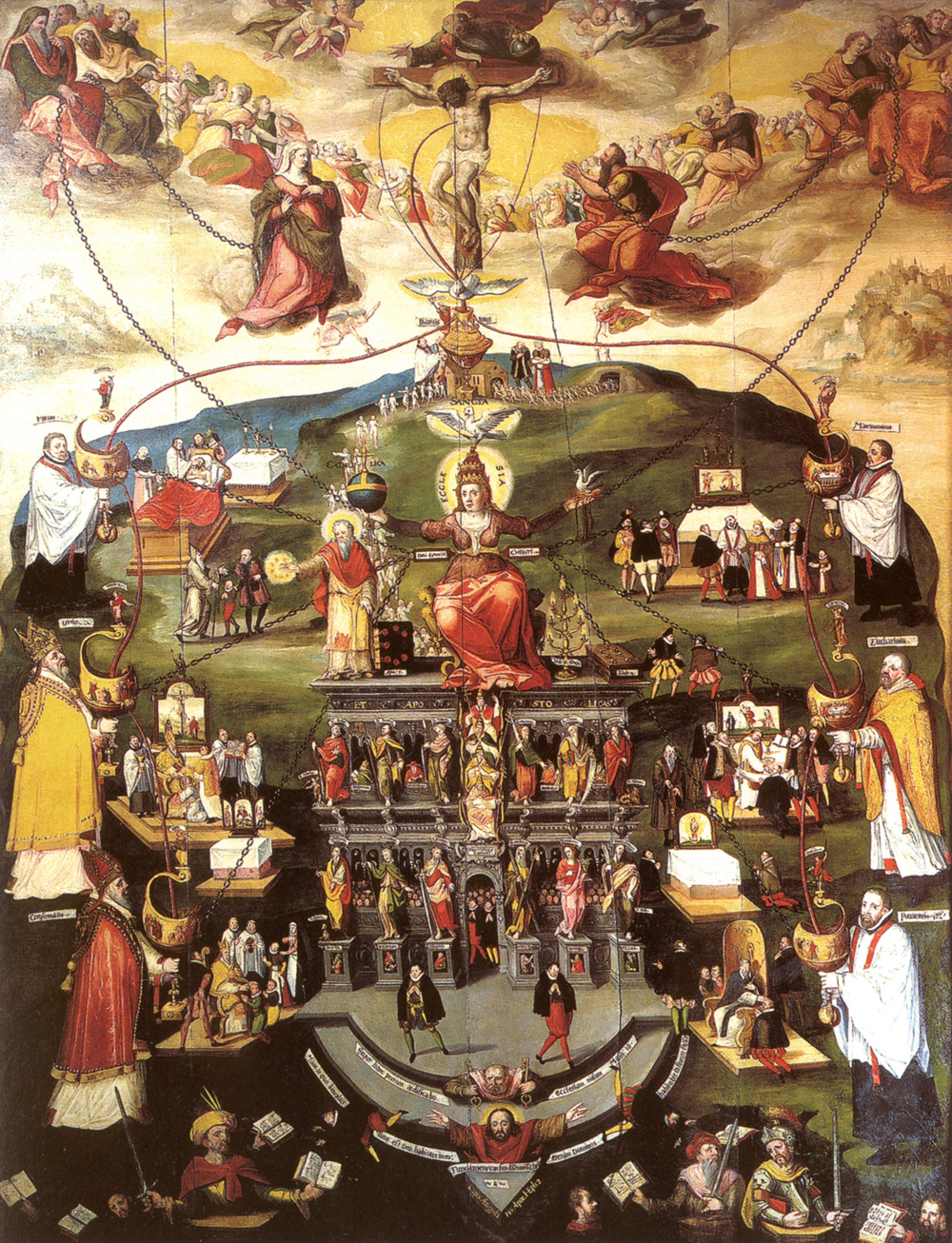 🇬🇷 GreeceSacred mysteriesμυστήριον
Secret ceremonies and divine doctrines held to exceed human reasonBelief · Speaking with spirits and the dead · Change and initiation Living
 🇪🇸 SpainHuman sacrifice in the ancient Iberian Peninsula
Ancient ritual killings by Lusitanian and Vetton peoples for divination and warRite · Seeing and foretelling · Cursing and harm Historical
 🇬🇧 United Kingdom and 1 moreSkyclad
Naked ritual practice in Wicca and Modern PaganismRite · Speaking with spirits and the dead · Power and authority Living
 🇨🇺 Cuba and 1 moreInitiation in Santeríakariocha
The seven-day ceremony that makes a person a full practitioner of the Caribbean religion.Rite · Speaking with spirits and the dead · Power and authority Living
 🇮🇳 IndiaChillaچله
A forty-day solitary retreat of fasting and meditation in Sufi traditionRite · Speaking with spirits and the dead · Power and authority Living
 🇹🇷 Turkey and 2 moreHadraحضرة
A collective Sufi ritual of remembrance and chanting to experience Divine PresenceRite · Speaking with spirits and the dead · Power and authority Living
 🇮🇳 India and 1 moreRoshni Mela
A three-day fair of earthen lamps and prayers held at a Sufi shrine in Punjab.Tradition · Protection · Luck and prosperity Living
 🇮🇳 IndiaShamanism in Ayyavazhi
A divination practice within the Hindu denomination of Ayyavazhi in South India.Rite · Seeing and foretelling · Speaking with spirits and the dead Living
 🇮🇶 Iraq and 3 moreUmayyad tradition of cursing Ali
A state policy to denounce Ali during communal prayers under the Umayyad CaliphateRite · Cursing and harm · Binding and oaths Historical
 🇩🇿 AlgeriaMawsimموسم
Annual Maghrebi festival blending Sufi veneration with social and economic gatheringTradition · Speaking with spirits and the dead · Luck and prosperity Living
 🇮🇪 IrelandTailteann GamesÁenach Tailteann
Ancient Irish funeral games and assemblies held in County Meath to honor the dead.Rite · Speaking with spirits and the dead · Luck and prosperity Historical
🇺🇬 UgandaKilling of disabled children in Uganda
The ritual murder of disabled children in parts of Uganda for body parts and perceived benefitsRite · Cursing and harm · Power and authority Historical
 🇵🇱 Poland and 4 moreMoranaМорена
A Slavic goddess of winter and death, whose effigy is drowned to welcome springFigure · Cursing and harm · Power and authority Living
🇸🇦 Saudi Arabia and 2 moreBay'ahبيعة
An oath of loyalty and obedience given to a political or spiritual leader in Islamic traditionRite · Binding and oaths · Power and authority Living
 🇨🇳 China and 1 moreWorship of the living生祠 (Chinese), 生祀 (Japanese)
A shrine built for a person while they are still alive to honour their spirit or contributions.Tradition · Power and authority · Protection Historical
🇨🇳 ChinaChinese sorcery scares
A series of moral panics in Imperial China driven by fears of magical harm and hair cuttingBelief · Cursing and harm · Power and authority Historical
 🇨🇳 ChinaLute
A sealing paste for alchemical vessels and a joining technique in potterySubstance · Protection · Power and authority Historical
Photo credits on this page
The small pictures above come from Wikimedia Commons under free licences. Some are cropped to fit.
- Chilla: Indischer Maler um 1630, Public domain, source
- Augur: Unknown author, Public domain, source
- Shamanism in Ayyavazhi: Vaikunda Raja, CC BY-SA 3.0, source
- Sacred dance: Jorge Barrios, CC BY-SA 3.0, source
- Sacred mysteries: Johannes Hopffe, Public domain, source
- Ancient Egyptian religion: Moh hakem, CC BY-SA 4.0, source
- Ghost Dance: Unknown author, Public domain, source
- Initiation in Santería: Ji-Elle, CC BY-SA 4.0, source
- Dhikr: Eugène Baugnies, Public domain, source
- Hadra: Zeinebtakouti, CC BY-SA 4.0, source
- Oracle bone: Unknown author, CC0, source
- Lute: Gremelm, CC BY-SA 3.0, source
- Freyja: John Bauer, Public domain, source
- Animal sacrifice: Wilfredor, CC0, source
- Mawsim: Beghdadi Walid, CC BY-SA 4.0, source
- Bhuta Kola: Unknown author, Public domain, source
- Beltane Fire Festival: Stefan Schäfer, Lich, CC BY-SA 3.0, source
- Face tattoo: Gottfried Lindauer, Public domain, source
- Ring shout: Attributed to John Rose, Public domain, source
- Upsherin: Vered Peer, CC BY 4.0, source
- Skyclad: Luis Ricardo Falero, Public domain, source
- Builders' rites: U.S. Government, Public domain, source
- Roshni Mela: FatherofGod, CC BY-SA 4.0, source
- Umayyad tradition of cursing Ali: Anwar Rizvi, CC BY 2.0, source
- Tailteann Games: Unknown author, Public domain, source
- Fortune-telling: Taras Shevchenko, Public domain, source
- Laying on of hands: User:Lipsio, CC BY 3.0, source
- Easter Fire: Jürgen Eissink, CC BY-SA 4.0, source
- Human sacrifice in the ancient Iberian Peninsula: Manuel Parada López de Corselas User:Manuel de Corselas ARS SUMMUM, Ce, Public domain, source
- Soma: Krzysztof Ziarnek, Kenraiz, CC BY-SA 4.0, source
- Morana: Marta Malina Moraczewska, CC BY-SA 4.0, source
- Opening of the mouth ceremony: Hunefer, Public domain, source
- Nyepi: Matt Croxson, Public domain, source
- Feng Shan: Rolf Müller ( User:Rolfmueller ), CC BY-SA 3.0, source
- Yule log: Pehr Arvid Säve (1811—1887), Public domain, source
- Yantra: Photo by Daniel Conrad (Chromacon), artwork by Daniel Conrad under dir, Public domain, source
- Tarpana: Biswarup Ganguly, CC BY 3.0, source
- Worship of the living: 663highland, CC BY 2.5, source