Rites, spells and ceremonies
Things done in a set way: cleansings, offerings, blessings, binding and unbinding, initiations.
A rite is something done in a set way: a cleansing, an offering, a blessing, an initiation, a binding. What marks it out is form, with fixed words, gestures, timing and often a specialist to lead it. Rites exist in every culture, from the Catholic exorcism and the Vedic fire offering to the Yoruba sacrifice and the Aboriginal ceremony. This page describes them as customs, in outline. Here they are described as customs and in outline only.
Parts of a rite
Most rites share a few parts: a prepared space, a purifying act, speech or song, a gesture, an offering, and a closing that returns everyone to ordinary life. Scholars such as Arnold van Gennep called rites of passage a sequence of separation, threshold and return. Many rites also mark a time: the new moon, the solstice, a death, a birth, a wedding. Some are done once in a lifetime and some every day, and the same gesture can be a rite in one house and a habit in the next.
Who may perform
Some rites belong to anyone in the household, such as sweeping the house at new year or tying a thread on a child's wrist. Others need an officiant: a priest, a medium, a shaman or an initiated elder. Women often hold domestic rites and are shut out of public priesthood, though in places such as Korea, the Philippines and parts of Africa women lead spirit rites. A rite is also tied to a community: it is done with others present, who witness it and agree that it counts.
Rites that hurt
Not every rite is gentle. Some involve animal sacrifice, which is a normal part of a number of living religions and is performed under rules of its own. Exorcism rites have caused real harm when applied to people with mental illness or to children accused of witchcraft, with deaths reported from beatings, fasting and restraint. Illness needs real medical care. Others are simple and joyful, such as a blessing over bread or a thread on a wrist, and carry no danger at all, which is why most rites are never remarked upon.
Change and commerce
Rites move with people. Diaspora communities adapt them to apartments, city streets and other languages. Some are now sold as retreats or workshops, which can strip them from their community and context. Tourism has also turned ceremonies into shows, and communities increasingly set rules about who may watch, photograph or join. Government rules shape rites too: some countries license ritual slaughter, others require permits for processions, and a few have banned particular ceremonies outright, so a rite can become a legal question as well as a religious one.
Rite on EveryJaadu
The entries written up so far, best known first.
 🇨🇱 Chile and 1 moreMachi
Mapuche spiritual authorities and healers who bridge herbal knowledge and spirit realmsTradition · Healing · Speaking with spirits and the dead Living
 🇮🇪 Ireland and 4 moreWinter solstice
The shortest day and longest night of the year, marked by rites of solar returnTradition · Seeing and foretelling · Protection Living
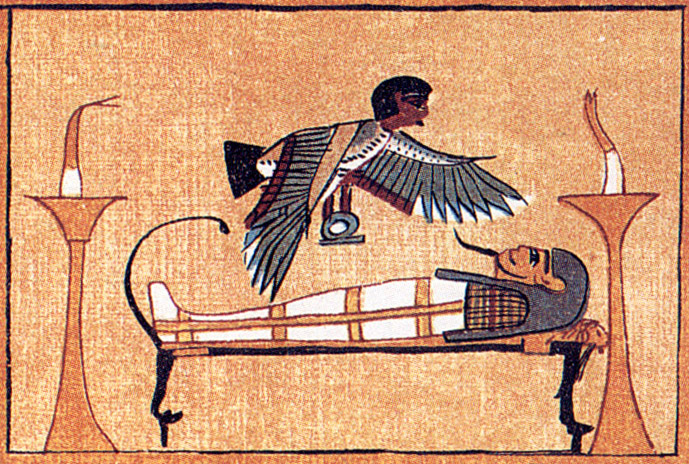 🇪🇬 Egypt and 1 moreSoul flight
A shamanic trance journey in which the soul is said to leave the bodyRite · Healing · Seeing and foretelling Living
 🇬🇧 United Kingdom and 7 moreSaint Andrew's Day
A Christian feast day marked by national holidays in Scotland and Romania, and folk divination across Europe.Rite · Seeing and foretelling · Luck and prosperity Living
 🇨🇳 ChinaOracle bone甲骨
Divination using heated ox bones and turtle shells in ancient ChinaRite · Seeing and foretelling · Power and authority Historical
 🇯🇵 JapanItakoイタコ
Blind women in Japan who train to channel spirits and communicate with the dead.Tradition · Speaking with spirits and the dead · Seeing and foretelling Fading
🇬🇧 United KingdomSt Mark's Eve
An English folk custom to witness omens of death and future marriage on the eve of a saint's feast dayRite · Seeing and foretelling · Cursing and harm Historical
 🇮🇹 Italy and 2 moreAugury
A Roman rite of reading bird behavior to learn the will of the godsRite · Power and authority · Seeing and foretelling Historical
 🇮🇸 Iceland and 3 moreSeiðr
A Norse divination and manipulation magic practiced during the Viking Age.Tradition · Seeing and foretelling · Cursing and harm Revived
 🇺🇸 United States and 4 moreFortune-telling
A practice of predicting future events or personal details through various methods and tools.Rite · Seeing and foretelling · Power and authority Living
 🇺🇸 United StatesPunxsutawney Phil
A groundhog who serves as the central figure in an annual American weather prediction festival.Belief · Seeing and foretelling Living
 🇺🇸 United States and 1 moreGroundhog DayGrund'sau dåk
A February forecast based on whether a groundhog sees its shadowBelief · Seeing and foretelling Living
 🇬🇷 Greece and 2 moreAstragalomancy
Divination by casting marked bones, carved rods, or numbered diceOracle · Seeing and foretelling · Speaking with spirits and the dead Living
 🇮🇳 IndiaNechung Oracleགནས་ཆུང་ཏ་བླ་མ
The official prophetic medium and spiritual advisor to Tibet's Dalai LamaOracle · Seeing and foretelling · Protection Living
 🇫🇮 Finland and 5 moreMolybdomancy
A divination method using molten metal poured into water to read omensRite · Seeing and foretelling · Cursing and harm Living
🇬🇧 United KingdomTaghairm
A Scottish Gaelic divination rite using sensory deprivation and animal skins to summon spirits.Rite · Seeing and foretelling Historical
 🇮🇳 India and 5 moreSpirit possession
A state where a human body is controlled by an external spirit or deityBelief · Healing · Seeing and foretelling Living
 🇪🇬 Egypt and 1 moreAncient Egyptian religion
Polytheistic worship, divine kingship, and funerary rites along the NileTradition · Protection · Speaking with spirits and the dead Historical
🇺🇸 United StatesBloody Mary
A mirror ritual to summon a spirit that reveals the future or brings harmBelief · Seeing and foretelling · Cursing and harm Living
 🇨🇳 China and 4 moreFuji扶乩
Chinese planchette writing: gods and ancestors reply through a stylus on sandRite · Speaking with spirits and the dead · Seeing and foretelling Living
🇸🇪 SwedenÅrsgång
An archaic Swedish divination ritual performed on Christmas Eve to glimpse the coming year.Rite · Seeing and foretelling Historical
 🇮🇹 Italy and 2 moreHaruspicy
Reading animal entrails to discern divine will and omensRite · Seeing and foretelling · Speaking with spirits and the dead Historical
🇮🇳 IndiaVelichappaduവെളിച്ചപ്പാട്
A Hindu temple oracle in Kerala who channels deities through trance and danceBeing · Seeing and foretelling · Speaking with spirits and the dead Living
🇯🇵 JapanUkehi誓
A Japanese divination ritual using oaths and sortition to seek the will of the kamiRite · Seeing and foretelling · Cursing and harm Historical
🇮🇪 IrelandFellowship of Isis𓊨𓏏𓁐𓌞𓋴𓅱𓂻𓏥
An international spiritual fellowship honouring the Divine Feminine and the goddess IsisTradition · Speaking with spirits and the dead · Change and initiation Living
 🇮🇳 IndiaShamanism in Ayyavazhi
A divination practice within the Hindu denomination of Ayyavazhi in South India.Rite · Seeing and foretelling · Speaking with spirits and the dead Living
🇮🇷 IranFāl-gūshفالگوش
A Persian divination custom of listening to strangers' words for omensRite · Seeing and foretelling Historical
 🇮🇳 IndiaKathivanoor Veeran
A deified warrior of North Malabar, Kerala, whose legend is danced as a Theyyam riteFigure · Love and attraction · Speaking with spirits and the dead Living
 🇬🇷 Greece and 1 moreNekyiaνέκυια
An ancient Greek rite for summoning and questioning the deadRite · Seeing and foretelling Historical
🇹🇳 TunisiaOmek Tannou
A Tunisian rainmaking ritual using a sculpted head or stick to call for water during droughts.Rite · Cursing and harm · Seeing and foretelling Historical
 🇯🇵 JapanKayu ura粥占
A Japanese Shinto divination ritual using rice or bean gruel to predict the harvest.Rite · Seeing and foretelling · Luck and prosperity Living
 🇪🇸 SpainHuman sacrifice in the ancient Iberian Peninsula
Ancient ritual killings by Lusitanian and Vetton peoples for divination and warRite · Seeing and foretelling · Cursing and harm Historical
 🇩🇪 Germany and 5 moreLutzelfrau
A German Alpine witch who brings fruit or punishes childrenFigure · Protection · Cursing and harm Living
Photo credits on this page
The small pictures above come from Wikimedia Commons under free licences. Some are cropped to fit.
- Augur: Unknown author, Public domain, source
- Shamanism in Ayyavazhi: Vaikunda Raja, CC BY-SA 3.0, source
- Shade: Henry Fuseli, Public domain, source
- Spirit possession: Unknown author, CC BY 4.0, source
- Ancient Egyptian religion: Moh hakem, CC BY-SA 4.0, source
- Winter solstice: Image by Przemyslaw " Blueshade " Idzkiewicz, CC BY-SA 2.0, source
- Soul flight: Published by James Wasserman; facsimile made by E. A. Wallis Budge; or, Public domain, source
- Saint Andrew's Day: Henryk Siemiradzki, Public domain, source
- Oracle bone: Unknown author, CC0, source
- Freyja: John Bauer, Public domain, source
- Kayu ura: Yatukiyurei, CC BY-SA 4.0, source
- Itako: User Geomr~commonswiki self upload, CC BY-SA 3.0, source
- Haruspicy: Lokilech, CC BY-SA 3.0, source
- Fortune-telling: Taras Shevchenko, Public domain, source
- Punxsutawney Phil: Anthony Quintano, CC BY 2.0, source
- Groundhog Day: Anthony Quintano, CC BY 2.0, source
- Astragalomancy: Roland zh, CC BY-SA 3.0, source
- Human sacrifice in the ancient Iberian Peninsula: Manuel Parada López de Corselas User:Manuel de Corselas ARS SUMMUM, Ce, Public domain, source
- Lutzelfrau: Karel Rozum, Public domain, source
- Kathivanoor Veeran: Uajith, CC BY-SA 4.0, source
- Nechung Oracle: Christopher Michel, CC BY 2.0, source
- Molybdomancy: Micha L. Rieser, Attribution, source
- Fuji: Unknown author, CC BY 4.0, source
- Machi: Unknown author, Public domain, source